Why Do You Drool in Your Sleep? 8 Common Causes and What You Can Do
You wake up yet again with a damp pillow and that sticky sensation on your cheek, wondering why it keeps happening night after night. What seems like a small annoyance can quickly turn into something embarrassing, disturb your sleep, and even spark quiet concerns about your health. Occasional drooling is very common—but when it happens regularly, it may be your body’s way of signaling that something else is going on.
Understanding the possible causes of drooling during sleep can help you recognize patterns early and know when it’s time to involve a healthcare professional.
Why Drooling During Sleep Is More Common Than You Think
Your body constantly produces saliva to protect your teeth, gums, and throat. When you’re awake, you swallow frequently, so you rarely notice it. During sleep, however, your swallowing reflex slows down and your muscles relax. If saliva builds up, or if you breathe through your mouth, it can escape and end up on your pillow.
Simple things like sleeping on your side or stomach can increase nighttime drooling. But persistent, heavy drooling can also point to underlying issues that are often treatable. According to research from the Cleveland Clinic, a sudden onset or noticeable worsening of drooling during sleep should be taken seriously, as it may be associated with breathing difficulties or neurological changes.
The encouraging part: once the cause is identified, many cases of nighttime drooling can be improved or resolved. Below are eight potential reasons to discuss with your doctor if drooling has become a regular part of your nights.
1. Obstructive Sleep Apnea
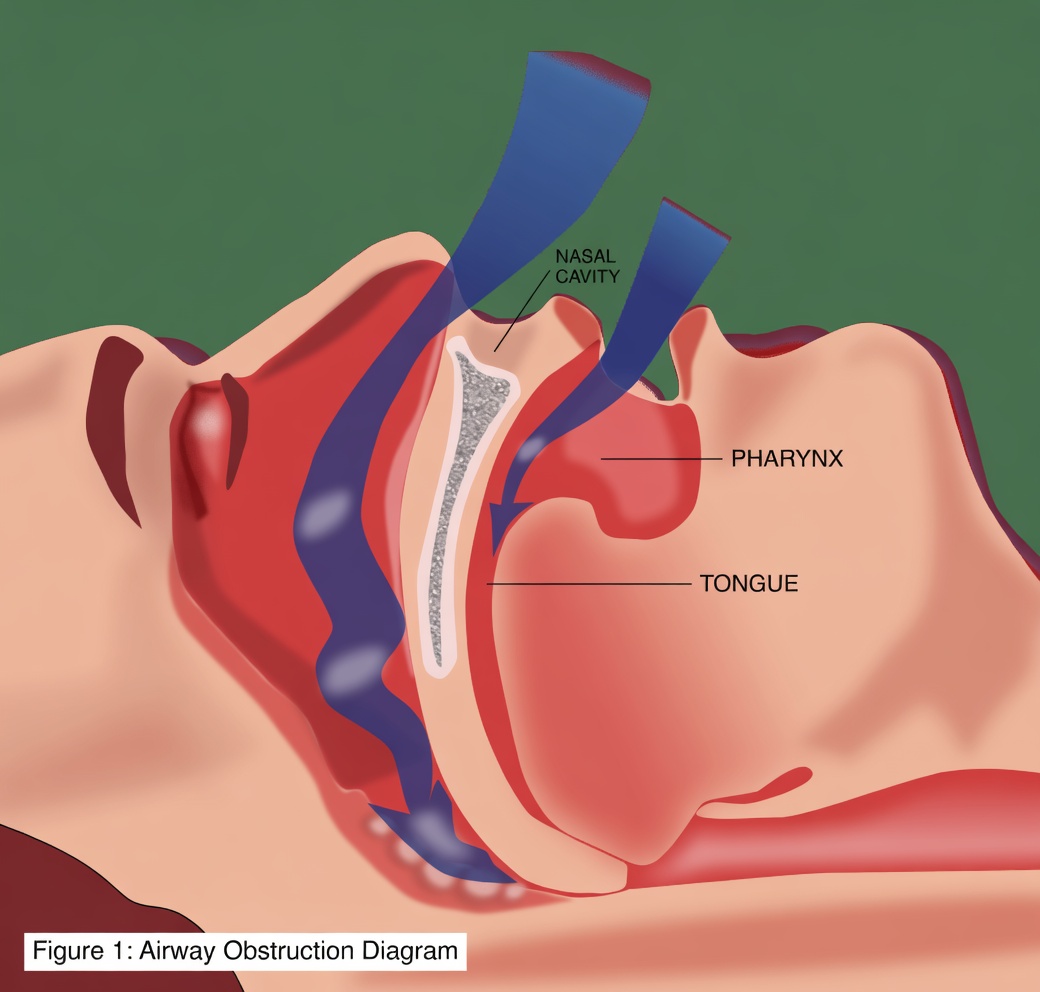
In obstructive sleep apnea, the airway repeatedly narrows or closes during sleep, forcing the body to work harder to breathe. This often leads to mouth breathing and, in turn, saliva leaking out.
The Sleep Foundation notes that people with sleep apnea frequently wake up with wet pillows or a dry mouth because they rely on mouth breathing when their nasal passages are obstructed.
Watch for these signs:
- Loud, chronic snoring or pauses in breathing
- Feeling exhausted during the day despite “sleeping” all night
- Morning headaches or a very dry mouth on waking
2. Allergies and Hay Fever
Seasonal allergies or year-round sensitivities can inflame and narrow your nasal passages, making it difficult to breathe through your nose. As a result, you’re more likely to breathe through your mouth and produce extra saliva.
Cleveland Clinic findings show that swollen, irritated sinuses increase the chances of drooling during sleep, especially during peak allergy seasons.
Common clues include:
- Itchy, watery eyes or a runny nose at night
- Frequent sneezing or nasal congestion
- Symptoms that flare up in certain places (around pets, dust, pollen, mold)
3. Gastroesophageal Reflux Disease (GERD)
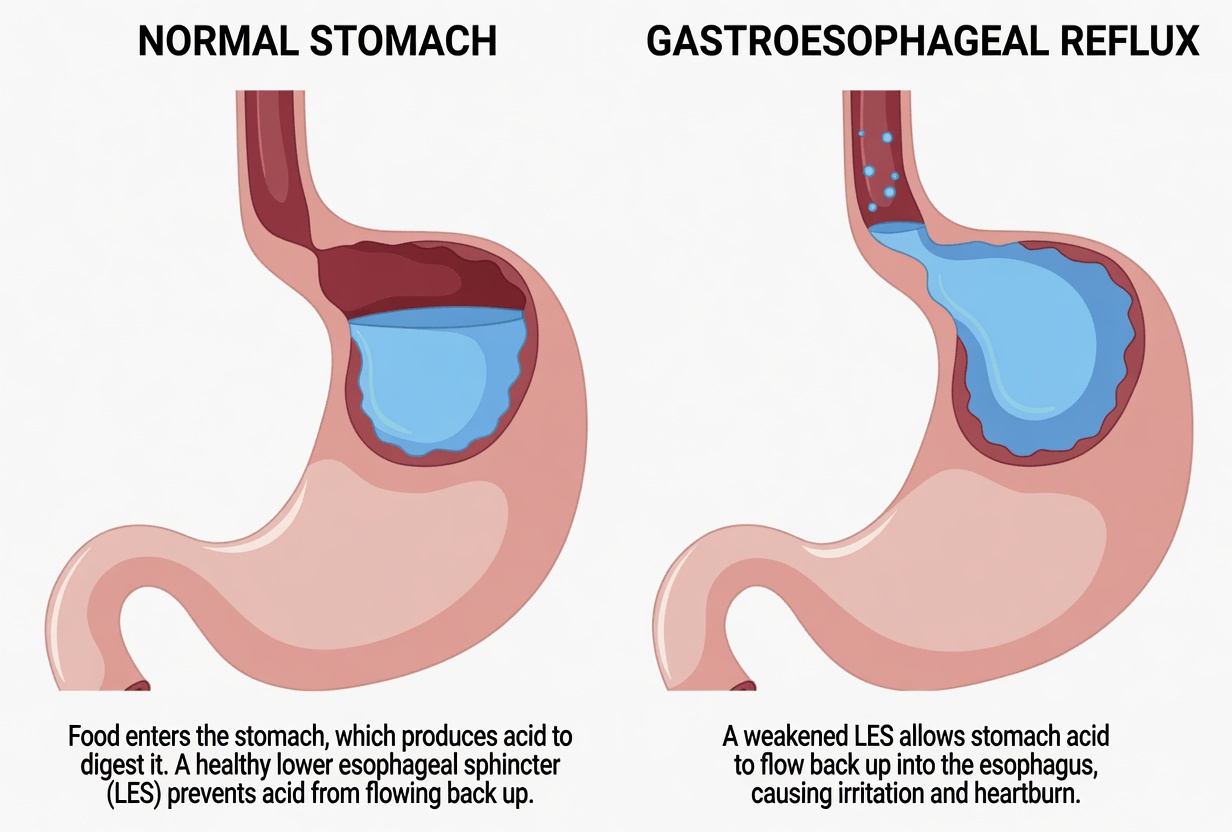
With GERD, stomach acid flows back into the esophagus, irritating the throat and triggering more saliva as your body attempts to protect and neutralize the acid. Many people with GERD notice drooling along with heartburn or a sour taste in their mouth when they wake up.
Look out for:
- Burning chest pain or discomfort, especially when lying down
- Frequent throat clearing or a sensation of a lump in the throat
- Regurgitation of food, liquid, or acid into the mouth
4. Sinus Infections or Chronic Sinusitis
When your sinuses are blocked due to infection or long-term inflammation, you are more likely to breathe through your mouth at night. This shift in breathing, combined with increased mucus and saliva, can lead to nighttime drooling.
Studies show that even a routine cold can temporarily increase drooling until nasal congestion improves.
Typical indicators:
- Facial pain, pressure, or fullness (around the eyes, cheeks, or forehead)
- Thick or discolored nasal discharge
- Reduced or altered sense of smell
5. Parkinson’s Disease
Parkinson’s disease affects the nervous system and can interfere with automatic movements like swallowing. When swallowing slows down or becomes less efficient, saliva accumulates and may spill out, especially during sleep.
The Parkinson’s Foundation notes that drooling is a common early symptom because the muscles involved in swallowing don’t function as smoothly as they should.
Early warning signs may include:
- Tremors, stiffness, or rigidity in the arms, legs, or hands
- A softer voice, low volume, or slurred speech
- Slower, smaller movements or reduced facial expressions
6. Side Effects of Certain Medications
Some medications can change how much saliva you produce or how your throat and mouth muscles function. Antidepressants, antihistamines, and certain blood pressure medications are known to affect saliva flow and muscle tone.
If your drooling started after a new prescription or dose change, this connection is worth raising with your doctor.
Pay attention to:
- The timing: did drooling begin or worsen after starting or adjusting a medication?
- Having a dry mouth during the day (a common but related side effect)
- Other new or unusual side effects since changing medications
7. Stroke or Other Neurological Conditions
A previous stroke or other neurological disorders can weaken the muscles around the mouth and face, making it harder to control saliva—especially when you’re relaxed and asleep. Medical resources such as MedlinePlus report that sudden changes in drooling patterns can sometimes indicate new or evolving neurological issues.
Additional signs to note:
- Weakness, drooping, or numbness on one side of the face or body
- Trouble speaking clearly or difficulty swallowing
- New problems with balance, coordination, or walking
8. Enlarged Tonsils, Adenoids, or Dental Problems
Structural issues in the mouth or throat can also lead to chronic drooling while sleeping. Enlarged tonsils or adenoids can partially obstruct the airway, forcing mouth breathing. Misaligned teeth, a poor bite, or jaw problems can prevent your lips from closing completely.
Dentists and ENT specialists often see a link between these issues and ongoing nighttime drooling in both children and adults.
Red flags include:
- Frequent sore throats, tonsillitis, or ear pain
- Mouth breathing even when awake or at rest
- Jaw pain, clicking, or an uneven bite
What You Can Do Right Now to Reduce Nighttime Drooling
Recognizing patterns is a crucial first step, but practical changes can often bring quick relief. Before you see a doctor, try a few simple adjustments at home:
- Sleep on your back instead of your side or stomach
- Use a supportive pillow to keep your head slightly elevated and encourage nasal breathing
- Run a humidifier at night to keep your nasal passages moist
- Raise the head of your bed or use an extra pillow if you suspect acid reflux
- Rinse with warm salt water before bed to ease temporary sinus irritation or mild congestion
A Simple Checklist to Track Your Progress
Keep a brief sleep and symptom log for a couple of weeks:
- Note your sleep position each night (back, side, stomach)
- Record any allergy, sinus, or heartburn symptoms
- Check whether drooling improves when congestion is treated
- Monitor what happens after changing medications (with your doctor’s guidance)
- Observe whether snoring, fatigue, or other symptoms change over time
If drooling continues despite these efforts—or if you also notice snoring, excessive daytime sleepiness, breathing pauses, or neurological symptoms—make an appointment with your primary care physician or an ear, nose, and throat (ENT) specialist. They may recommend a sleep study, imaging tests, or a physical exam to rule out more serious conditions like sleep apnea, GERD, or neurological disorders.
When to Seek Professional Help
Do not delay medical attention if:
- Your drooling suddenly gets much worse
- You feel like it is affecting your breathing or choking you
- You experience facial weakness, drooping, or sudden difficulty speaking or swallowing
Early evaluation can be critical for identifying issues such as sleep apnea, stroke, or other neurological changes before they have a major impact on your daily life. Many people find meaningful answers and effective treatment options after just one or two targeted medical visits.
Frequently Asked Questions About Drooling During Sleep
Is occasional drooling while sleeping normal?
Yes. Most adults drool lightly at some point, particularly during very deep sleep or when they have a stuffy nose. It becomes more concerning when it happens frequently, soaks the pillow, or is accompanied by other symptoms like snoring, fatigue, or breathing difficulties.
Can changing my sleep position really reduce drooling?
For many people, yes. Switching from side or stomach sleeping to lying on your back with a supportive pillow can decrease mouth breathing and saliva escape within a few nights. It’s one of the easiest, lowest-risk changes to try.
Will treating allergies or reflux get rid of nighttime drooling?
Often, it can. When drooling is tied to allergies, sinus problems, or GERD, addressing the underlying cause—through allergy management, nasal sprays, reflux medication, or lifestyle changes—helps most people see a noticeable reduction in drooling.
Drooling while sleeping may feel like a small, somewhat embarrassing issue, but paying attention to it can be an opportunity to improve both your sleep quality and overall health. By staying informed, tracking your symptoms, and seeking medical advice when needed, you give yourself the best chance at restful nights—and greater peace of mind.
Disclaimer: This article is for informational purposes only and does not constitute medical advice, diagnosis, or treatment. Always consult your healthcare provider with any questions or concerns about your symptoms or health.