Common Morning Mistakes That Can Worsen High Blood Pressure
Living with high blood pressure often means being more intentional about how you start the day. Morning is a sensitive time because your body is shifting from rest to activity, and small habits can influence your blood pressure more than you realize. Many people unknowingly make routine choices that push their numbers higher, increasing concern about heart health, low energy, and long-term complications.
That uncertainty can be exhausting. Sudden spikes, confusing readings, and the fear of “doing something wrong” often leave people searching for simple ways to feel more in control. The good news is that avoiding a few common morning mistakes can make a meaningful difference. According to Dr. João Sorio, an experienced endocrinologist, one of the most important mistakes people make may be surprisingly easy to fix.
Do Not Skip Medication Just Because Your Reading Looks Normal
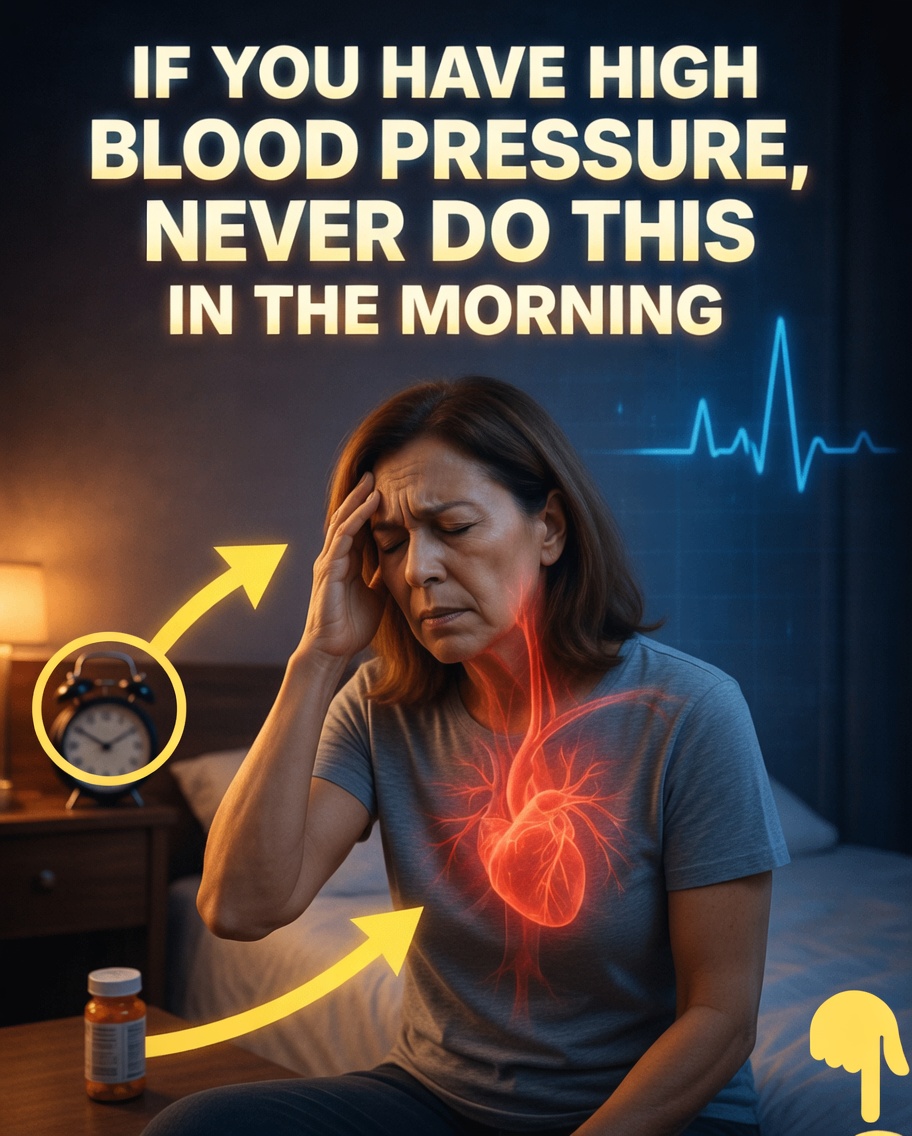
If you check your blood pressure in the morning and see a good number, it may feel tempting to skip your medication. Many people assume that one normal reading means their blood pressure is under control for the day. In reality, this can interfere with the stability your treatment is meant to provide.
Blood pressure medication works best when taken consistently. Its purpose is not just to lower one reading, but to help maintain control over time. Missing even a single dose may lead to rebound increases later in the day and make blood pressure harder to manage.
Research consistently shows that successful long-term blood pressure management depends on following the treatment plan prescribed by your doctor. If your medication causes dizziness or other side effects, speak with your healthcare provider instead of stopping it on your own.
Be Selective With Tea in the Morning
Starting the day with tea may seem like a harmless or even healthy habit. However, some types of tea can temporarily affect blood pressure in people who are already managing hypertension. Green tea, black tea, ginger tea, and mate tea may influence morning readings and contribute to unexpected fluctuations.
This is often overlooked, especially by people who are otherwise careful with their treatment. Even small interactions between drinks and medications can create extra stress when you are trying to keep your blood pressure steady.
Some herbal options, such as hibiscus tea, horsetail tea, and lemon balm tea, may offer benefits. But they can also lower blood pressure too much when combined with medication. The safest choice is to ask your doctor before adding them to your daily routine.

Do Not Assume You Are Fine Just Because You Feel No Symptoms
High blood pressure is often known as a silent condition for a reason. You may wake up feeling completely normal even when your numbers are elevated. That false sense of safety is one of the most common mistakes people make.
The absence of symptoms does not mean there is no risk. Over time, uncontrolled high blood pressure can quietly affect the heart, kidneys, eyes, and blood vessels without causing obvious warning signs.
Studies suggest that the body can gradually adapt to higher pressure levels, which is why many people do not notice anything until damage has already developed. This is one reason why regular morning monitoring is so important.
Blood Pressure Categories at a Glance
| Category | Systolic (Top Number) | Diastolic (Bottom Number) |
|---|---|---|
| Normal | Less than 120 | Less than 80 |
| Elevated | 120–129 | Less than 80 |
| Hypertension Stage 1 | 130–139 | 80–89 |
| Hypertension Stage 2 | 140 or higher | 90 or higher |
| Hypertensive Crisis | Higher than 180 | Higher than 120 |
Be Careful With Over-the-Counter Pain Relievers
Taking a common painkiller first thing in the morning may not seem important, but some medications can interfere with blood pressure control. Anti-inflammatory drugs such as ibuprofen, naproxen, and diclofenac may increase blood pressure and reduce the effectiveness of treatment.
Many people do not realize this connection, especially when they are already trying hard to improve their numbers. It can be frustrating to do everything right and still see elevated readings because of an unexpected medication interaction.
Evidence suggests that even short-term use of these drugs can influence blood pressure. If you need relief for pain or discomfort, it is best to ask your doctor or pharmacist about safer alternatives.
Pay Close Attention to What You Eat for Breakfast
Breakfast can either support your blood pressure goals or work against them. A major issue is hidden sodium, which is found in many common morning foods. Items such as bacon, sausage, ham, salami, turkey breast, olives, sauces, and processed cheeses like provolone or parmesan can add up quickly.
For people with high blood pressure, this hidden sodium can lead to higher readings and more concern throughout the day. The general recommendation is to keep sodium intake around 2 grams per day, but many breakfast foods can push you toward that limit early in the morning.
A better approach includes:
- Choosing fresh, minimally processed foods
- Reading nutrition labels carefully
- Limiting cured meats and packaged products
- Opting for low-sodium alternatives whenever possible
Prioritize Good Sleep Before the Morning Even Begins
What happens the night before has a direct impact on your blood pressure the next morning. Sleep plays an important role in helping the body regulate hormones and produce substances that relax blood vessels. When you do not get enough rest, blood pressure is more likely to be higher after waking.
Many people with hypertension notice more fatigue and less stable readings after sleeping fewer than 6 to 8 hours. This can make the entire day feel harder from the start.
Another issue that is frequently missed is obstructive sleep apnea, which can significantly worsen morning blood pressure control. If you snore heavily, wake up tired, or feel unusually sleepy during the day, it may be worth discussing this possibility with your doctor.
Aim for regular, good-quality sleep so your body is better prepared to manage blood pressure from the moment you wake up.
Learn the Root Cause of Your High Blood Pressure
Understanding why your blood pressure is high can improve both your morning routine and your overall treatment plan. In some cases, underlying medical conditions may contribute to persistent morning spikes.
For example, thyroid disorders, whether overactive or underactive, can affect blood pressure regulation. Dr. João Sorio notes that when hormonal problems are identified and treated alongside standard blood pressure therapy, control often becomes much smoother.
Other possible contributors include excess cortisol and other endocrine imbalances. Talking with your doctor about these possibilities can help you move beyond symptom control and toward a more targeted treatment strategy.
Measure Your Blood Pressure the Right Way
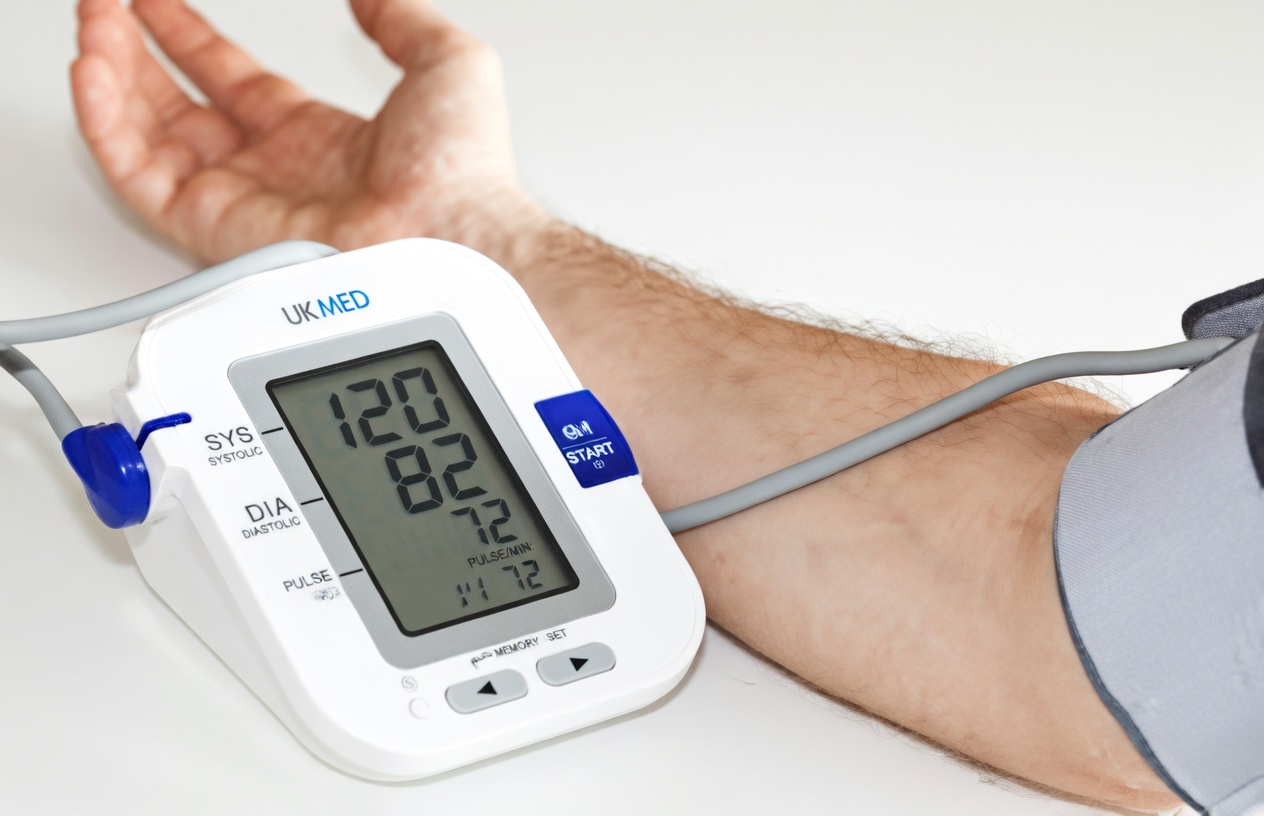
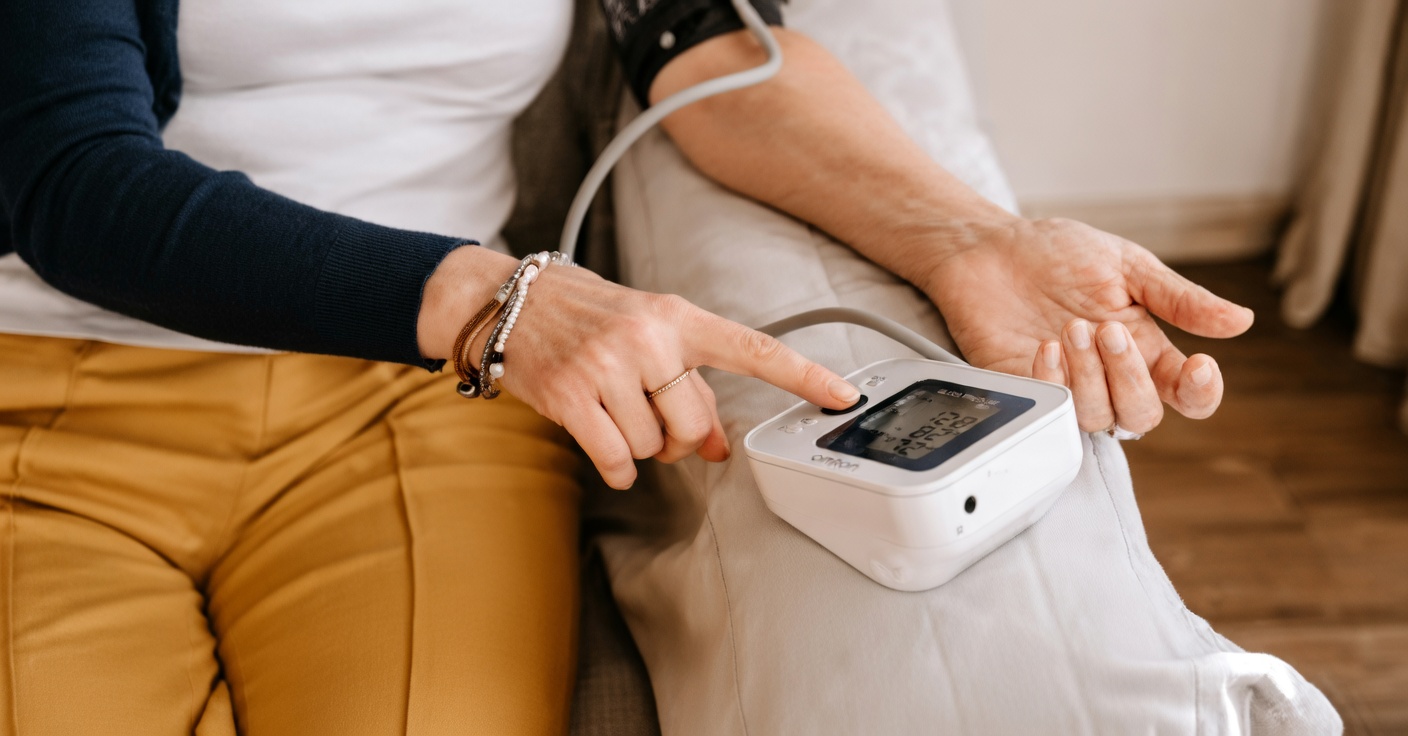
The way you check your blood pressure in the morning matters. Poor technique, rushed measurements, or checking too often can actually increase anxiety and produce less reliable readings.
To make your measurements more useful:
- Check your blood pressure at the same time each morning.
- Sit quietly for a few minutes before measuring.
- Use proper posture and cuff placement.
- Avoid repeated checks out of stress or frustration.
- Record each result carefully.
It is especially helpful to write down:
- The date
- The time
- Your systolic pressure
- Your diastolic pressure
- Your heart rate
Keeping a consistent record gives your doctor a clearer view of patterns and helps guide better treatment decisions.

Stay Calm and Do Not Rush Through the Morning
A chaotic morning can cause a quick rise in blood pressure. Stress hormones such as cortisol and adrenaline increase when you are rushing, feeling anxious, or reacting to pressure. Many people with high blood pressure experience this without realizing how strongly their morning pace affects their numbers.
Even when everything else is under control, a stressful start can make blood pressure readings higher and create unnecessary worry. Slowing down can help more than many people expect.
Try to create a calmer routine by:
- Waking up a little earlier
- Avoiding immediate exposure to stressful news or messages
- Taking a few deep breaths before leaving bed
- Giving yourself enough time for medication, breakfast, and monitoring
- Starting the day with a more predictable rhythm
A peaceful morning can reduce uncertainty and support more stable blood pressure throughout the day.
Build Better Morning Habits for Better Blood Pressure Control
Managing high blood pressure is not only about medication. It also depends on the small choices you make every morning. Skipping pills, drinking the wrong tea, ignoring symptom-free readings, using certain pain relievers, eating salty foods, sleeping poorly, missing underlying causes, checking blood pressure incorrectly, and rushing through the day can all make control more difficult.
The encouraging part is that these habits can be improved. With a more thoughtful routine, you can reduce fluctuations, lower stress, and feel more confident about your heart health over time.
Final Takeaway
If you live with high blood pressure, the morning is one of the best times to support your health instead of working against it. Consistency, awareness, and a calmer routine can go a long way. By avoiding these common mistakes and following medical guidance, you give yourself a stronger start each day and a better chance of maintaining healthy blood pressure in the long run.