Simple Daily Habits to Support Healthy Circulation in Your Legs and Feet
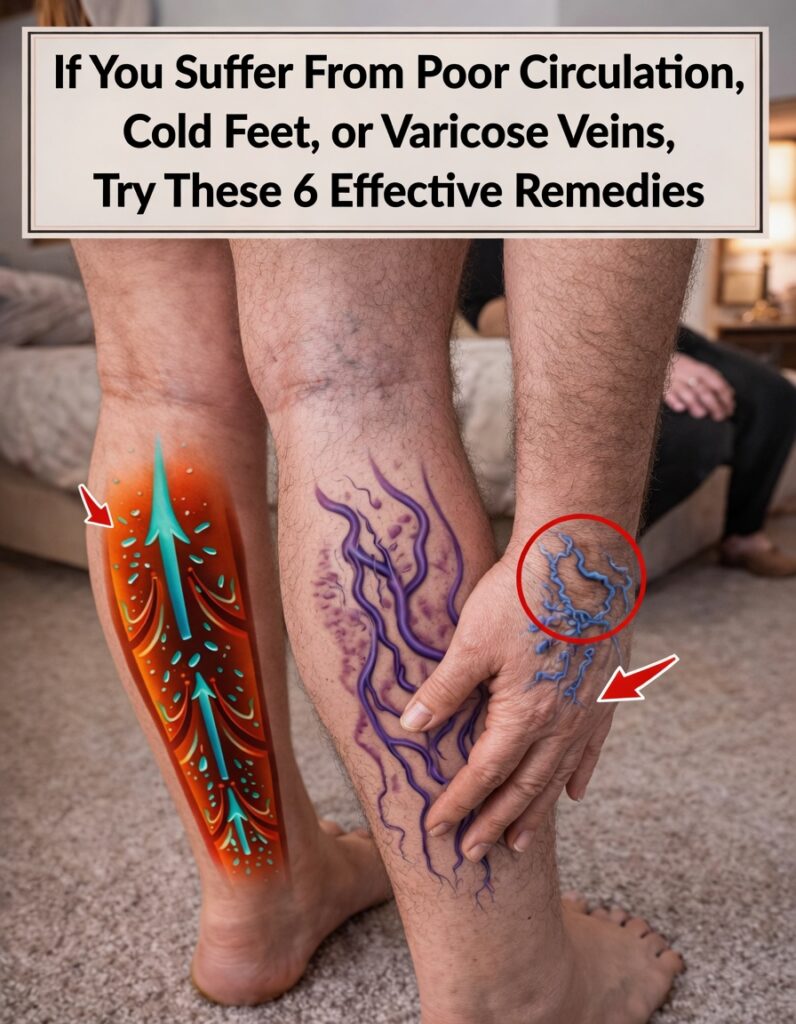
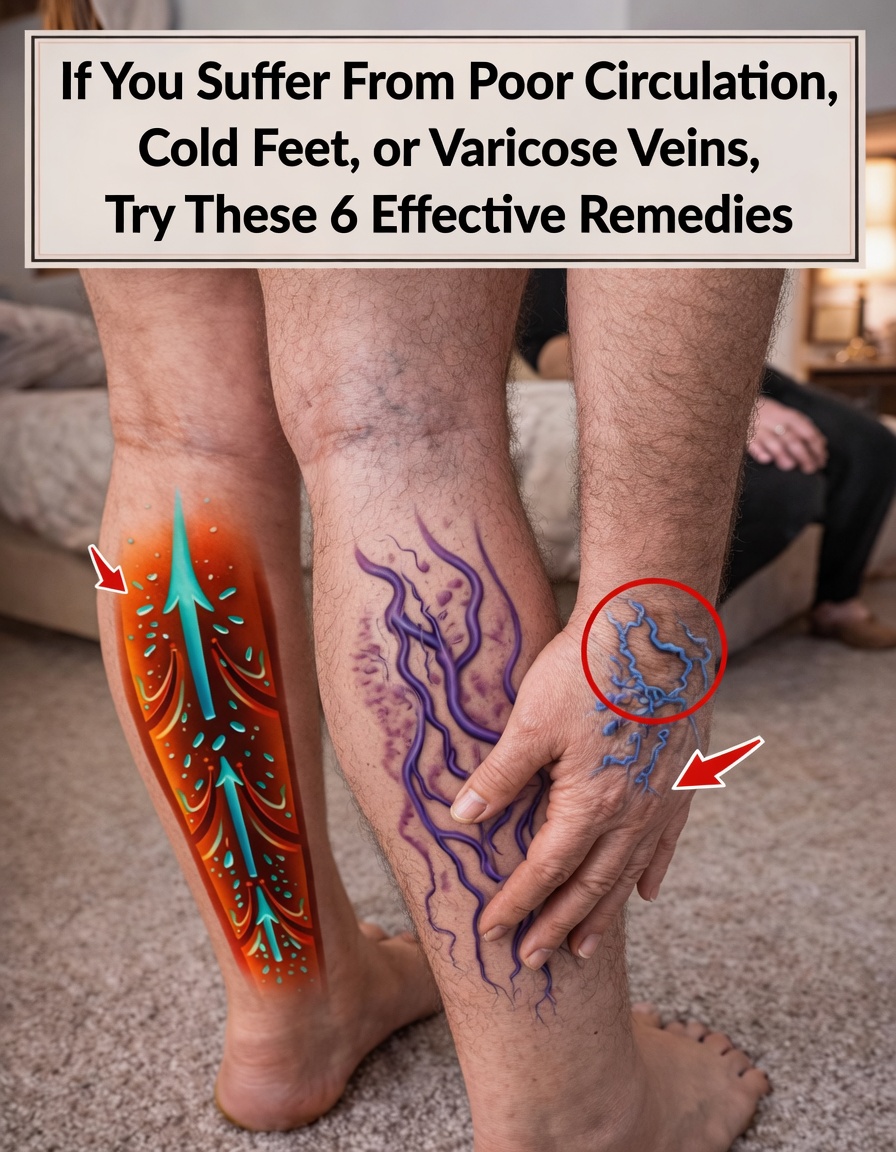
If you often find yourself rubbing chilly feet together in bed or noticing puffy ankles after a long day, your circulation may not be working as efficiently as it could. Over time, sluggish blood flow can contribute to ongoing discomfort, tired legs, and visible changes like varicose veins that make everyday tasks feel more draining than they should. The tricky part is that poor circulation can gradually affect anyone who spends long hours sitting or standing still. The good news: a few straightforward daily habits can help encourage better blood flow and more comfortable legs — and the last one may surprise you with how easily it fits into your lifestyle.
Why Healthy Circulation Matters for Everyday Comfort
Your bloodstream is your body’s delivery system. It carries oxygen and nutrients to every cell and helps remove waste products. When circulation slows down, tissues don’t receive what they need as efficiently, and waste can linger longer than ideal.
People often notice circulation issues first in the lower legs and feet, where gravity naturally pulls blood downward. Supporting healthy circulation isn’t about dramatic overhauls; it’s about consistent, manageable steps that help your heart and blood vessels function more smoothly day after day.
Research shows that steady lifestyle habits can improve vascular function and ease everyday discomfort. Better yet, most of these changes are simple, low-cost, and can be started immediately without special equipment.
Common Signs Your Circulation May Need Support
You don’t always need a lab test to suspect your circulation could use some attention. Everyday signs can include:
- Persistent cold hands or feet that warm up slowly
- Numbness or pins-and-needles sensations in the legs
- Swollen ankles after long periods of sitting or standing
- Noticeable veins or a heavy, achy feeling in the calves
- Small cuts or bruises that seem slow to heal
If several of these sound familiar, the six habits below may help you feel more comfortable, energized, and light on your feet.
6 Everyday Habits to Help Promote Better Circulation
Each of these habits is simple on its own, but together they create a powerful routine for supporting healthy blood flow. You can start with one or two and build from there.

1. Move Your Body Every Day
Regular movement is one of the most effective ways to encourage strong circulation. When your leg muscles contract, they squeeze the veins and help push blood back toward your heart, acting like a natural “second pump.” Studies from major health organizations show that even moderate physical activity can improve vascular health over time.
You don’t need intense workouts or a gym membership. Begin with small steps:
- Take a brisk 10-minute walk after meals
- Stand up and stretch at least once every hour if you sit a lot
- Do gentle calf raises while brushing your teeth or waiting for the kettle
Adding variety can keep things enjoyable and sustainable. Activities like yoga, swimming, or cycling are especially friendly to your veins because they combine gentle, rhythmic movement with changes in pressure that support blood flow.
2. Elevate Your Legs During the Day
Gravity is a major factor in leg circulation. When you sit or stand in one position for long periods, blood and fluid tend to pool in the lower legs. Elevating your feet above heart level for 15–20 minutes helps the veins drain more easily and gives them a much-needed break.
Try these simple positions:
- Lie on the couch with a few pillows under your calves
- Rest your heels against a wall while lying on the floor
- Use a footrest or ottoman while relaxing in the evening
Many people find their legs feel lighter and less swollen when they make leg elevation a regular part of their routine, especially at night. It’s effortless, free, and pairs well with reading, scrolling, or watching TV.
3. Stay Hydrated All Day Long
Because blood is largely water, even mild dehydration can make it thicker and more difficult for your heart to pump. Keeping well hydrated supports healthy blood volume and allows blood to move more smoothly through your vessels.
A few easy guidelines:
- Aim for about 6–8 glasses of water spaced throughout the day
- Increase fluids if you exercise, sweat more, or live in a hot climate
- Count herbal teas, sparkling water, or fruit-infused water as part of your intake
Staying hydrated doesn’t just help circulation; it can also ease that heavy, swollen feeling many people notice in their legs and ankles later in the day.
4. Choose Foods That Support Vascular Health
Your daily food choices have a direct impact on blood vessel flexibility, inflammation, and overall heart and circulatory health. Eating more nutrient-rich, circulation-supportive foods can help keep arteries and veins functioning at their best.
Consider adding more of these to your meals and snacks:
- Leafy greens like spinach, kale, and arugula for natural nitrates
- Citrus fruits and berries for antioxidants that protect blood vessels
- Fatty fish such as salmon, mackerel, or sardines for omega‑3 fatty acids
- Nuts, seeds, legumes, and whole grains for healthy fats, fiber, and minerals
Research suggests that diets rich in these foods may help maintain healthy blood pressure and support flexible, resilient blood vessels. Simple swaps — like choosing berries instead of sugary packaged snacks — can make a noticeable difference over time.
5. Use Compression Socks When Appropriate
Compression socks or stockings provide gentle, graduated pressure that helps move blood up the legs and reduces fluid buildup. They can be especially helpful when you know you’ll be sitting or standing for long stretches.
They may be particularly useful if you:
- Work long hours at a desk, on your feet, or in retail/hospitality
- Frequently fly or drive long distances
- Notice swelling, tired legs, or visible varicose veins
Select a compression level and size that feel comfortable, and follow the manufacturer’s sizing chart. Many people report that their legs feel less heavy and fatigued by the end of the day when they wear them consistently during long periods of inactivity.
6. Cut Back on Habits That Restrict Blood Flow
While positive habits build support, certain lifestyle choices can undermine circulation and make it harder for your body to maintain healthy blood flow. Reducing these stressors allows your circulatory system to function more efficiently.
Be mindful of:
- Smoking and exposure to secondhand smoke
- Excessive or frequent alcohol consumption
- Long stretches of sitting or lying down with almost no movement
- Ongoing high stress without enough rest or relaxation
Try replacing even one of these habits with a supportive alternative — such as taking a short walk instead of a smoke break, or practicing deep breathing instead of scrolling under stress. This final habit acts as a cornerstone, clearing obstacles so the other five habits can work more effectively.

How These Habits Work Together
The most meaningful benefits usually appear when you combine several of these strategies. For instance, a short morning walk, steady hydration throughout the day, and 15 minutes of leg elevation in the evening create a consistent rhythm that supports your circulation from morning to night.
You don’t need to do everything at once. Start with two or three habits that feel easiest and build from there. Many people notice warmer feet, less swelling, and more comfortable legs within a few weeks of staying consistent.
Frequently Asked Questions
How long might it take to notice changes in cold feet or swelling?
Many people begin to notice small improvements in 2–4 weeks when they practice these habits daily. The exact timeline depends on your overall health, how often you apply the habits, and how significant your symptoms are to begin with.
Do I need to see a doctor before trying these habits?
These are general lifestyle recommendations intended to support daily comfort and overall circulatory wellness. If your symptoms are severe, worsening, or you have existing health conditions (such as diabetes, heart disease, or a history of blood clots), you should consult a healthcare professional before making significant changes.
Can nutrition alone significantly improve my circulation?
Diet has a powerful impact on blood vessel health and inflammation, but it works best alongside other habits like regular movement, leg elevation, and proper hydration. Combining all six habits usually provides the most noticeable and lasting support for circulation.
Final Thoughts
Supporting healthy circulation doesn’t have to involve complicated routines or expensive products. Consistent, everyday habits — moving more, elevating your legs, drinking enough fluids, choosing circulation-friendly foods, using compression when appropriate, and reducing harmful behaviors — can collectively help you feel lighter, more comfortable, and more energized.
Pick one simple habit to begin today, then add others as you’re ready. Over time, your legs — and your whole body — are likely to feel the difference.
Disclaimer: This article is for informational and educational purposes only and is not intended as medical advice. It should not be used to diagnose, treat, cure, or prevent any health condition. Always consult a qualified healthcare professional before changing your diet, exercise routine, or lifestyle, especially if you have existing medical issues or concerns about your circulation.