Understanding Skin Tags: What Those Little Skin Bumps Really Mean
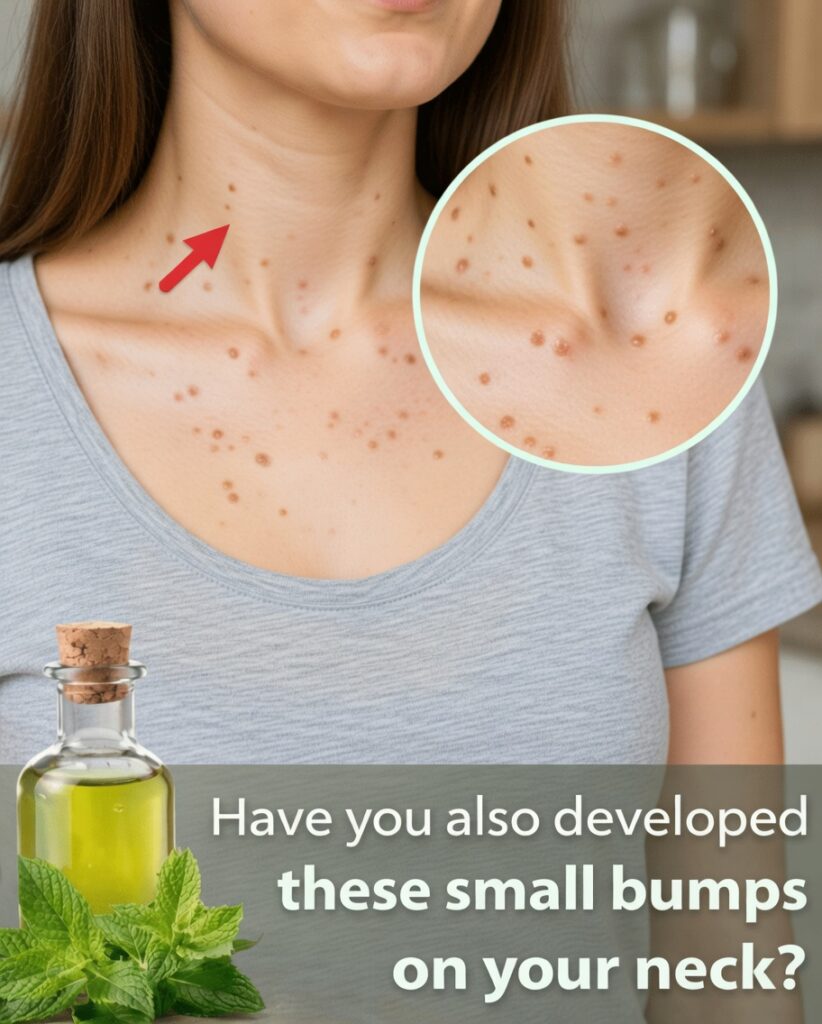
Noticing tiny, soft bits of skin dangling from your neck, armpits, or other body folds can be startling the first time you see them. You might wonder what they are, whether they’re dangerous, and if they say anything important about your health. The reassuring news: these small growths are extremely common and, in most cases, completely harmless.
Still, knowing why they appear and what they might be signaling about your body can ease anxiety and help you make smarter choices for your overall health. Skin tags are more than just a cosmetic annoyance—some are linked to everyday lifestyle factors and aspects of metabolic health you might not expect.
What Are Skin Tags?
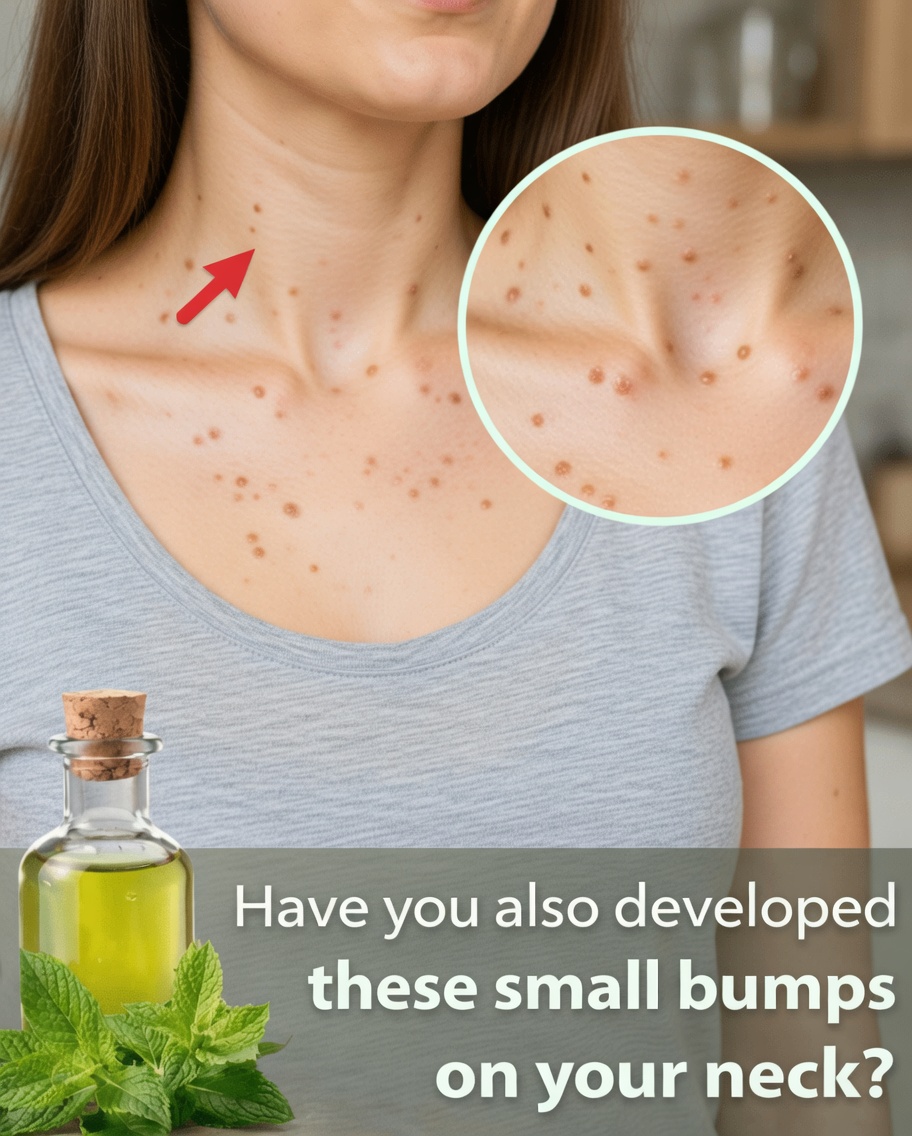
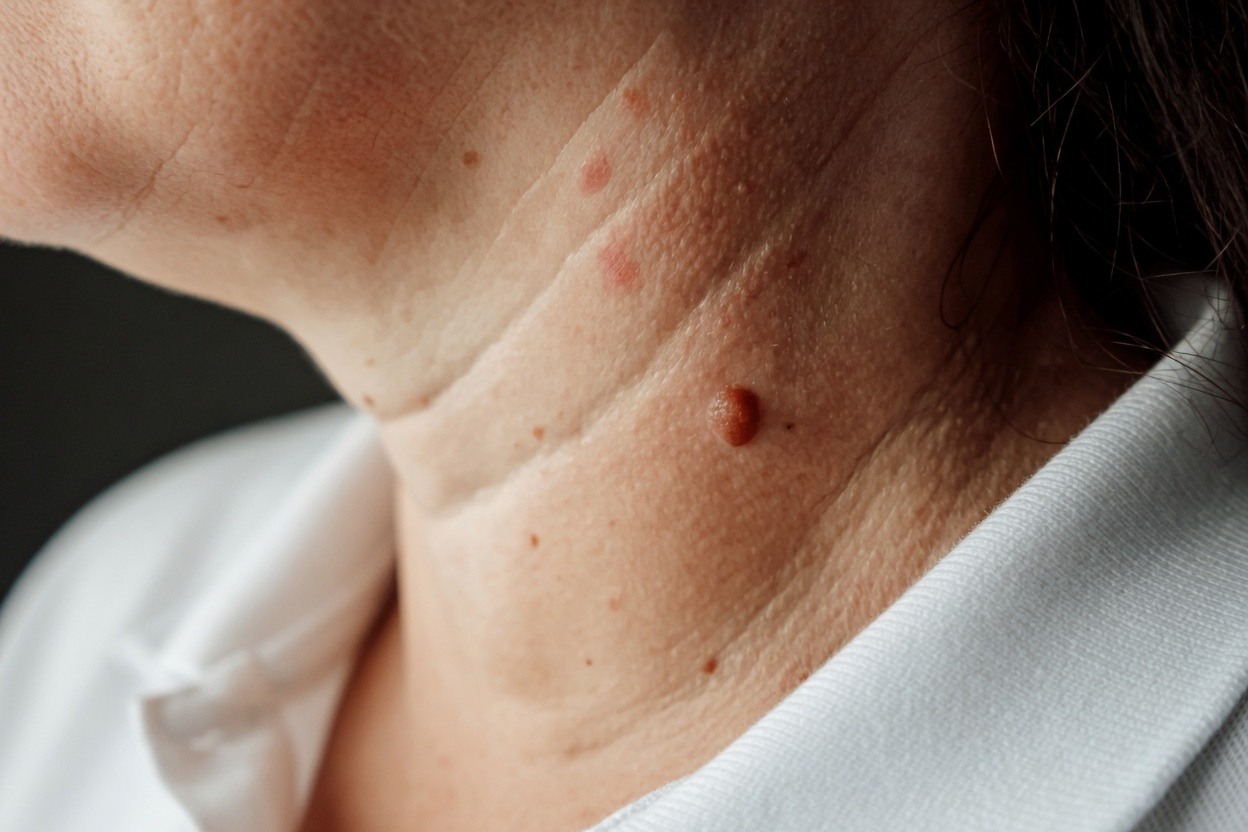
These small growths are commonly known as skin tags, and their medical name is acrochordons. They are soft, usually flesh-colored or slightly darker, and tend to hang from the skin on a thin stalk or stem.
Unlike moles or warts, skin tags:
- Are usually smooth to the touch
- Dangle loosely instead of lying flat
- Are non-cancerous (benign)
- Are typically painless unless irritated
Dermatologists frequently see skin tags in places where skin rubs against skin or clothing. While they’re usually a minor issue, their number and location can sometimes offer clues about what’s happening inside the body.
Where Do Skin Tags Commonly Develop?
Skin tags tend to show up in areas exposed to repeated friction or pressure. Typical locations include:
- The front and sides of the neck
- Armpits
- Groin and inner thigh area
- Under and between the breasts
- Eyelids
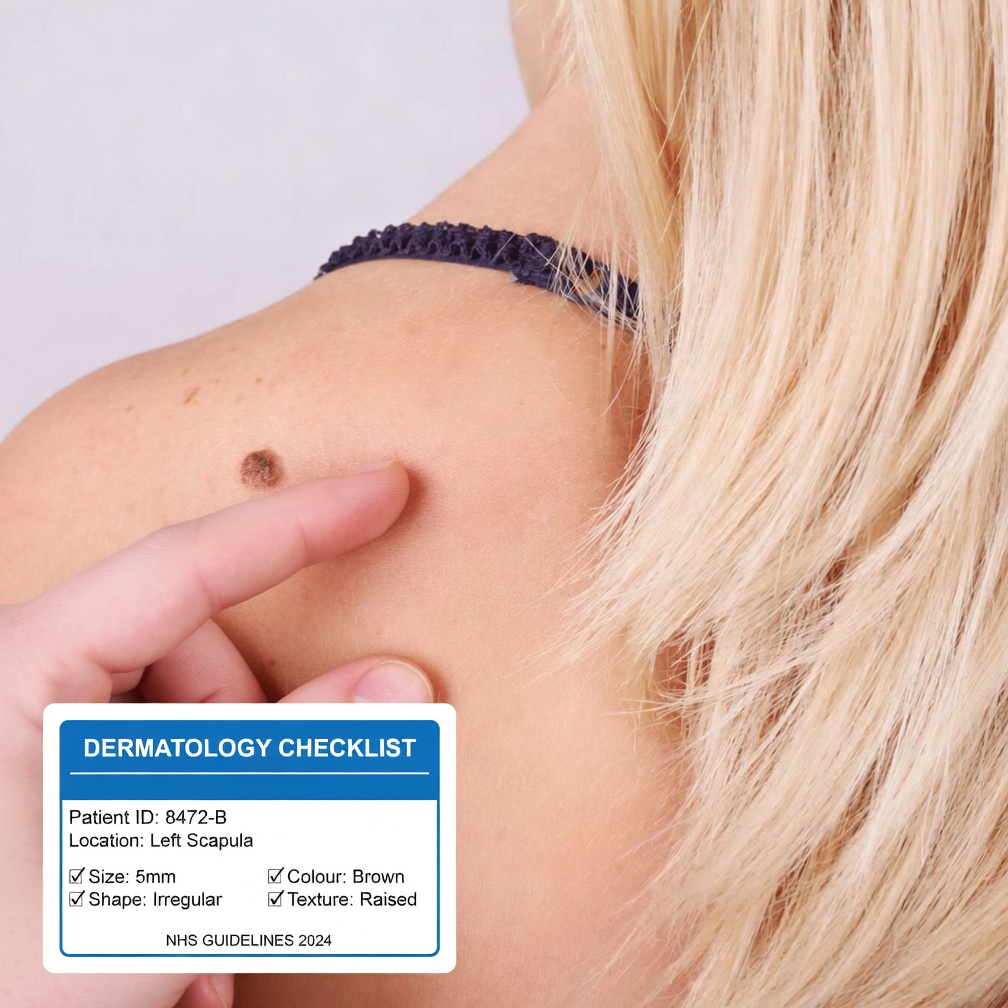
These patterns make sense, as constant rubbing or chafing can contribute to their formation over time. If you notice skin tags in several folds of your body, you’re in very good company—many adults start seeing more of them with age.
Why Do Skin Tags Form? Main Contributing Factors
The exact cause of skin tags isn’t fully understood, but several well-recognized factors seem to play a role.
Key contributors include:
- Friction and chafing from skin folds or tight clothing
- Aging, especially after age 40
- Excess body weight, which increases the number of skin folds
- Hormonal changes, such as those in pregnancy
- Genetic tendency, as they can run in families
Research suggests that nearly half of all adults will develop at least one skin tag during their lifetime. Many people notice more appearing as they get older, gain weight, or experience shifts in hormones.
Some skin tags that appear during pregnancy may shrink or become less noticeable once hormone levels settle again. Others remain unless removed.
Skin Tags and Metabolic Health: Is There a Link?
One of the more intriguing findings from recent studies is the relationship between multiple skin tags and aspects of metabolic health, especially insulin resistance.
Some research has found that people who develop numerous skin tags may be more likely to have:
- Insulin resistance
- Elevated blood sugar levels
- Other features associated with metabolic syndrome
Because of this, healthcare providers may recommend:
- Checking blood sugar or A1C levels
- Reviewing family history of diabetes or metabolic conditions
- Discussing lifestyle factors such as diet, exercise, and weight
This does not mean that having skin tags automatically means you have diabetes or a serious health issue. Many people with one or a few skin tags are completely healthy. However, a sudden increase in number—especially alongside other risk factors—can be a useful prompt to review your overall health with a professional.
Are Skin Tags Dangerous?
For most people, skin tags are harmless and do not turn into skin cancer. They:
- Don’t spread like an infection
- Typically don’t hurt unless irritated
- Are mostly a cosmetic or comfort concern
People usually notice them when:
- They catch on clothing, jewelry, or razors
- They become red, inflamed, or tender from friction
- They feel self-conscious about their appearance
Even though they are usually benign, you should see a doctor or dermatologist if a skin tag:
- Changes color or darkens suddenly
- Grows quickly or changes shape
- Becomes painful, very itchy, or bleeds repeatedly
- Appears along with many new growths in a short time
A professional can confirm that the growth is truly a skin tag and not another skin condition that needs different care.
Everyday Habits to Support Healthier Skin
You can’t completely guarantee that skin tags won’t form, but certain habits may lower irritation and possibly reduce how often they appear.
Helpful strategies include:
- Wear comfortable, looser clothing to cut down on friction in high-rub areas.
- Maintain a healthy weight through balanced nutrition and regular physical activity to reduce skin folds.
- Keep skin folds clean and dry to minimize irritation and chafing.
- Stay well hydrated and focus on a nutrient-rich diet (including vitamins, minerals, and healthy fats) to support overall skin health.
These small, consistent steps can improve the way your skin feels day-to-day and support broader metabolic wellness.
How Professionals Remove Skin Tags
If a skin tag is irritated, frequently gets caught on things, or affects how you feel about your appearance, a healthcare professional can remove it safely.
Common in-office removal methods include:
- Cryotherapy – Freezing the tag with liquid nitrogen so it falls off.
- Snip excision – Cutting it off with sterile scissors or a scalpel.
- Electrocautery – Using a controlled electric current to burn and remove the tag.
These procedures are generally:
- Quick
- Performed under local anesthesia (if needed)
- Associated with minimal downtime
Experts strongly recommend not tying off, cutting, or burning skin tags at home. DIY methods can lead to:
- Infection
- Excessive bleeding
- Scarring
- Misdiagnosis if the growth wasn’t actually a skin tag
For any skin concern, especially new or changing growths, it’s safest to consult a qualified dermatologist or healthcare provider.
Key Takeaways on Skin Tags
Seeing small pieces of skin on your neck, armpits, or other folds is usually a normal part of getting older and experiencing changes in weight, hormones, and lifestyle. Most of these growths are benign skin tags caused by friction, aging, and other common factors.
The essentials to remember:
- Most skin tags are not dangerous.
- A sudden increase or changes in appearance merit a medical check.
- Healthy daily habits—especially around weight, clothing, and skin care—can support both your skin and metabolic health.
- Professional removal is the safest option if a tag bothers you.
By staying informed and paying attention to your body, you can respond calmly and appropriately rather than worrying unnecessarily.
Frequently Asked Questions About Skin Tags
Can skin tags go away on their own?
Sometimes. Skin tags that appear during pregnancy or during periods of major hormonal change may shrink or become less noticeable once hormone levels return to baseline. However, most skin tags tend to stay unless they are removed by a professional.
Do skin tags mean I have diabetes?
Not automatically. While multiple skin tags have been associated with insulin resistance in some studies, having one or a few is very common and is not a definite sign of diabetes. If you have many skin tags—especially along with other risk factors like excess weight or a family history of diabetes—talk with your doctor about whether blood sugar testing is appropriate.
How can I reduce the chances of new skin tags forming?
You can’t completely prevent skin tags, but you may lower your risk by:
- Reducing friction with looser, softer clothing
- Supporting a healthy body weight
- Staying active and following a balanced diet to promote metabolic health
- Keeping skin folds clean and dry
Even with these steps, some people remain prone to skin tags due to genetics or other factors.
Disclaimer: This article is for informational and educational purposes only and does not replace professional medical advice, diagnosis, or treatment. Always consult a qualified healthcare provider with any questions about your health or before making changes to your diet, exercise routine, or medical care.