Numbness and Tingling in Hands and Feet: 12 Common Causes and Next Steps
That odd “pins and needles” feeling in your hands or feet can sneak up over months or years. Tasks that once felt effortless—buttoning a shirt, holding a cup, or walking to the mailbox—may start to feel clumsy or unsteady. Over time, this can raise real concerns about independence and staying active with family and friends.
Many different health issues can cause numbness and tingling in the hands and feet. Understanding the most common reasons is an important first step toward getting the right help and protecting your nerve health.
How Numbness and Tingling Affect Daily Life
Persistent tingling, burning, or loss of sensation can turn normal activities into daily challenges. You might notice:
- Dropping objects more often
- Hesitating on stairs or uneven ground
- Difficulty feeling the floor under your feet
- Worry about falling or losing control
These changes can chip away at confidence and enjoyment of everyday life. The good news: there are several well-known causes that can be investigated and often managed with proper care.

1. Diabetes and Long-Term High Blood Sugar
One of the leading causes of numbness and tingling in the hands and feet is diabetic neuropathy—nerve damage related to long-term high blood sugar.
- Elevated blood sugar over many years can injure the small nerves in the feet and hands.
- Symptoms often begin in the toes and gradually move upward, sometimes described as burning, tingling, or decreased sensation.
- This may make it harder to feel the ground, increasing the risk of tripping or losing balance.
Many people first notice symptoms in midlife or later, especially if diabetes has been present for several years or blood sugar has been difficult to control.
2. Vitamin B12 Deficiency and Nerve Protection
Low vitamin B12 levels are another frequent cause of tingling and numbness, particularly in older adults.
- Vitamin B12 is essential for maintaining the protective coating (myelin) around nerves.
- When levels are low, nerve signaling becomes less efficient, leading to sensations of tingling, numbness, or weakness in the hands and feet.
- Tasks that require fine motor skills—typing, sewing, gripping tools—can become harder and more tiring.
Age-related changes, certain medications, and digestive conditions can all reduce B12 absorption. A simple blood test usually reveals whether this is part of the problem.

3. Pinched Nerves and Repetitive Strain
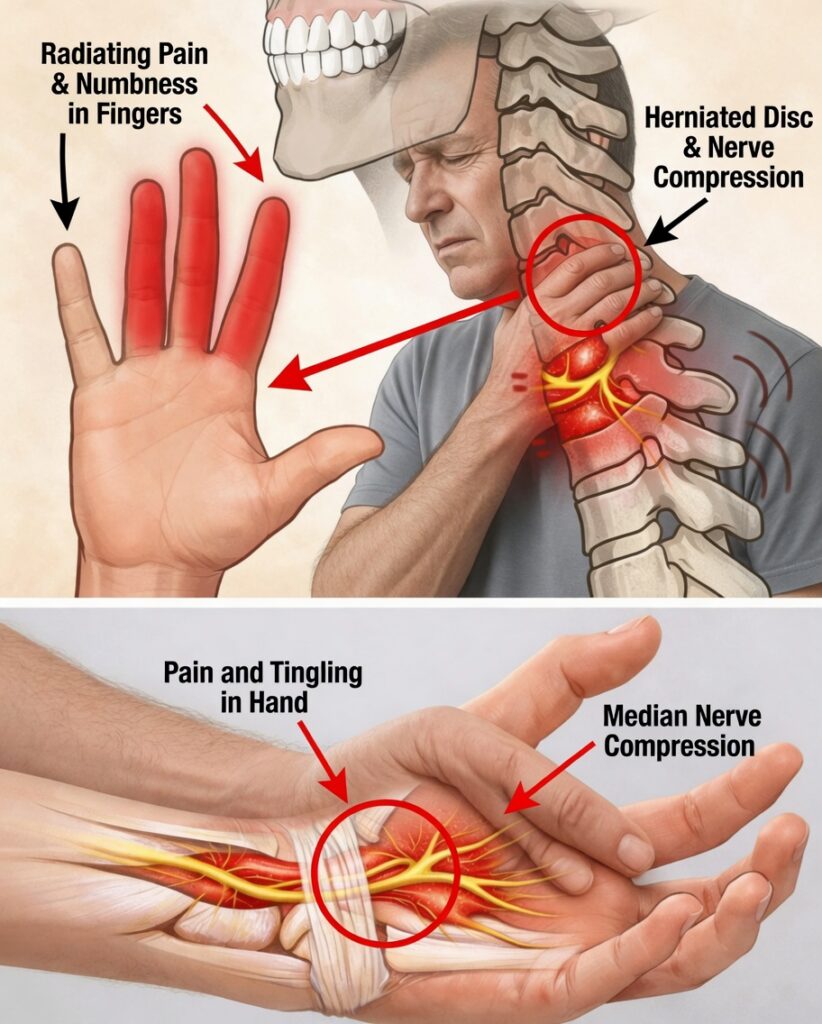
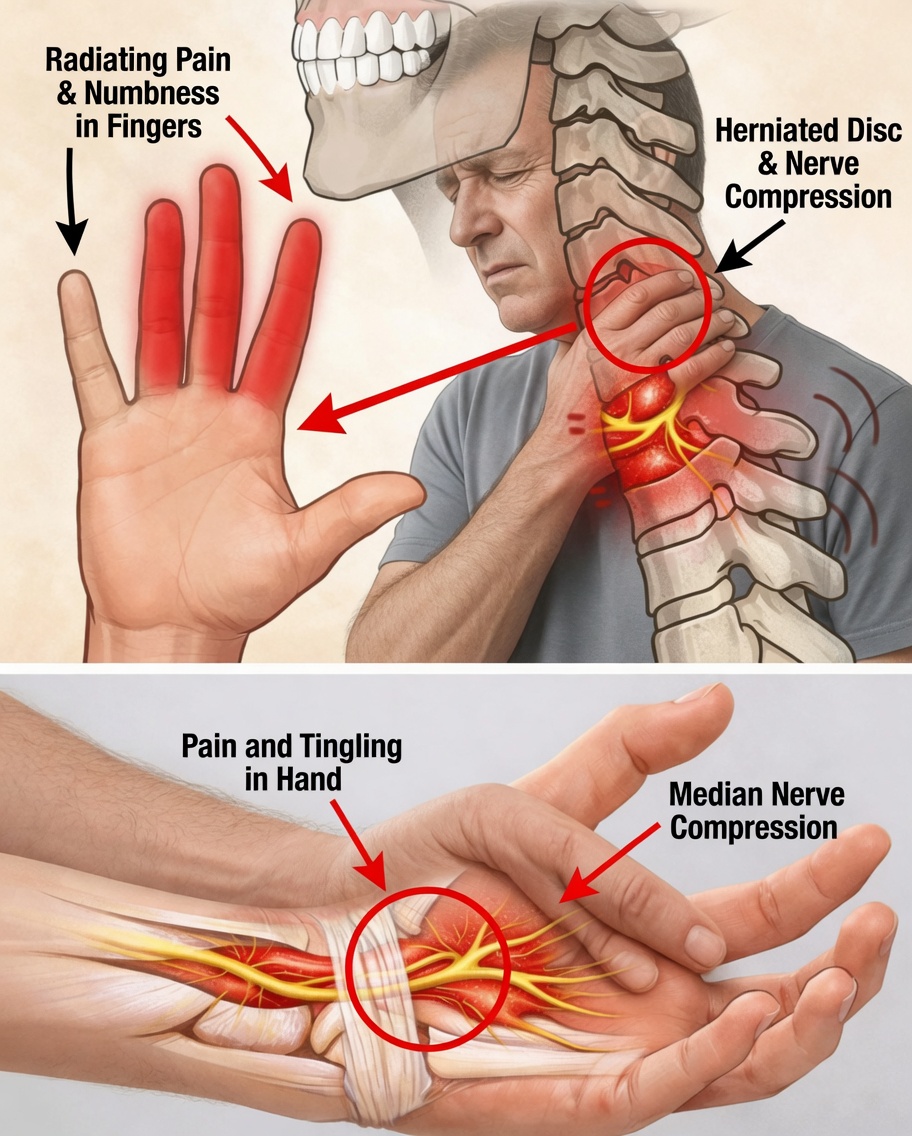
Nerves can become compressed or irritated in several areas, especially in the neck, lower back, or wrist.
- Carpal tunnel syndrome, often linked to repetitive wrist movements, can cause tingling, numbness, and weakness in the hands and fingers.
- Problems in the cervical or lumbar spine (neck or lower back) can lead to symptoms that radiate into the arms, hands, legs, or feet.
- Poor posture, repetitive tasks, or previous injuries often contribute to this kind of nerve compression.
People commonly notice that symptoms worsen with certain activities—like typing, driving, or sitting for long periods—and may ease with rest or changes in position.
4. Poor Circulation and Reduced Blood Flow
Circulatory problems can also lead to numbness and tingling in the extremities.
- Conditions such as peripheral artery disease reduce blood flow, limiting the oxygen and nutrients reaching nerves.
- Symptoms may flare up when it is cold, after sitting or standing still for a long time, or during walking.
- Cold, pale, or discolored toes or fingers can sometimes appear along with the tingling.
Over time, fear of discomfort or instability may cause people to avoid walks or other activities they once enjoyed.
5. Thyroid Imbalances (Hypothyroidism)
An underactive thyroid gland (hypothyroidism) can affect nerve function as well.
- Low thyroid hormone levels may contribute to swelling and changes in nerve signaling.
- Tingling or numbness in the hands and feet often occurs along with fatigue, weight gain, dry skin, and feeling unusually cold.
- Many people feel relieved when they learn there is a hormonal reason behind their nerve symptoms.
Routine blood tests can usually detect thyroid issues, and appropriate treatment often improves related nerve complaints over time.
6. Medication Side Effects and Certain Treatments
Some prescription drugs and medical treatments can cause nerve-related side effects.
- Certain chemotherapy drugs, medications for infections, and some heart or blood pressure medicines can affect peripheral nerves.
- Numbness, tingling, burning, or weakness in hands and feet may develop gradually during treatment.
- This possibility is sometimes overlooked unless you or your doctor are specifically watching for it.
Always let your healthcare provider know about any new or worsening tingling or numbness, especially if it started after beginning a new medication or therapy.
7. Alcohol Use and Long-Term Nerve Damage
Chronic heavy alcohol use is a well-known risk factor for peripheral neuropathy.
- Alcohol can directly damage nerves and also deplete important nutrients, such as B vitamins, needed for nerve health.
- Symptoms often begin subtly and progress over time, affecting balance, coordination, and comfort in the feet and hands.
- Many people see improvement when alcohol use is reduced or stopped and nutrition is addressed under medical guidance.

8. Spinal Conditions and Nerve Pathway Pressure
Changes in the spine can narrow the spaces where nerves travel, leading to compression.
- Herniated discs, spinal stenosis, or bone spurs can press on nerve roots.
- Tingling, numbness, or shooting pain may be felt along the path of the nerve—down the arms or legs and into the hands or feet.
- Sitting, standing, or lying in certain positions may increase discomfort, and sleep or driving can become difficult.
Evaluation by a medical professional can help determine whether spinal issues are contributing to your symptoms.
9. Autoimmune Conditions and Nerve Inflammation
Some autoimmune diseases attack the body’s own tissues, including nerves or their protective coverings.
- Conditions such as Guillain-Barré syndrome, lupus, or certain inflammatory neuropathies can cause tingling, numbness, weakness, or pain in the limbs.
- Symptoms may appear gradually or more suddenly and can vary in intensity.
- The unpredictability of flare-ups can be emotionally and physically draining.
Although less common than other causes, persistent or worsening symptoms should always be discussed with a healthcare provider.
10. Infections and Other Health Conditions
Infections and organ function changes can also impact nerve health.
- Certain viral or bacterial infections have been associated with nerve inflammation and subsequent tingling or numbness.
- Kidney problems can lead to a buildup of waste products in the blood, which may damage nerves over time.
- These situations underline the importance of a thorough medical evaluation when symptoms are persistent.
Ignoring long-lasting numbness or tingling can delay diagnosis of conditions that may be treatable if caught early.
11. Low Blood Sugar (Hypoglycemia)
While high blood sugar can cause long-term nerve damage, sudden drops in blood sugar can also trigger temporary symptoms.
- People with diabetes, especially those on insulin or certain medications, may experience tingling, shakiness, or weakness when blood sugar falls too low.
- These episodes often improve once blood sugar is corrected, but they can be alarming and uncomfortable.
- Keeping track of when symptoms occur and any related meals or medications can help your doctor fine-tune treatment.
12. Anxiety, Stress, and Hyperventilation
Emotional stress can have very real physical effects, including tingling sensations.
- During periods of intense anxiety, people often breathe more quickly or shallowly, changing blood chemistry.
- This can lead to numbness or tingling in the hands, feet, and around the mouth.
- Although usually temporary, frequent episodes can add to daily stress and worry.
Learning to recognize this pattern can be reassuring and may guide you toward effective stress-management strategies.
Comparing Common Causes of Numbness and Tingling
Here is a quick overview of several frequent contributors:
| Common Cause | How It Can Lead to Numbness/Tingling | Typical Daily Impact |
|---|---|---|
| Diabetes | Long-term high blood sugar damages peripheral nerves | Reduced balance, altered sensation, weak grip |
| Vitamin B12 Deficit | Poor nerve protection and slower nerve signaling | Fatigue, clumsiness, tingling in hands/feet |
| Pinched Nerves | Compression in wrist, neck, or spine affects nerve flow | Sharp or shooting discomfort during activities |
| Poor Circulation | Limited blood and oxygen supply to nerves | Cold sensitivity, pain or hesitation walking |
Quick Self-Check: How Are Your Symptoms Showing Up?
Consider these questions as you think about your own situation:
- Do the tingling or numb sensations seem worse at night?
- Do they affect one side of the body more than the other?
- Have you noticed any weakness, balance changes, or dropping objects along with the tingling?
Your answers can be helpful clues to share with your healthcare provider.
Practical Steps While You Seek Answers
While you are arranging a professional evaluation, some supportive habits may help overall nerve and circulation health:
- Maintain good posture when sitting, standing, and using devices.
- Stay gently active with walking, stretching, or other low-impact movement as tolerated.
- Eat a balanced diet that includes sources of vitamins, minerals, and healthy fats.
- Keep track of your symptoms in a journal—when they occur, what they feel like, and anything that seems to trigger or relieve them.
These steps are not a substitute for medical care, but they can support your general well-being and provide useful information for your doctor.
When to Seek Medical Attention
Contact a healthcare professional promptly if your numbness or tingling:
- Appears suddenly and without clear explanation
- Comes with weakness, slurred speech, facial drooping, or confusion
- Spreads, worsens, or lasts longer than a few days
- Interferes with walking, balance, driving, or other safety-related activities
Early evaluation can help identify serious problems, offer peace of mind, and guide appropriate treatment.
Moving Forward: Taking Action for Your Nerve Health
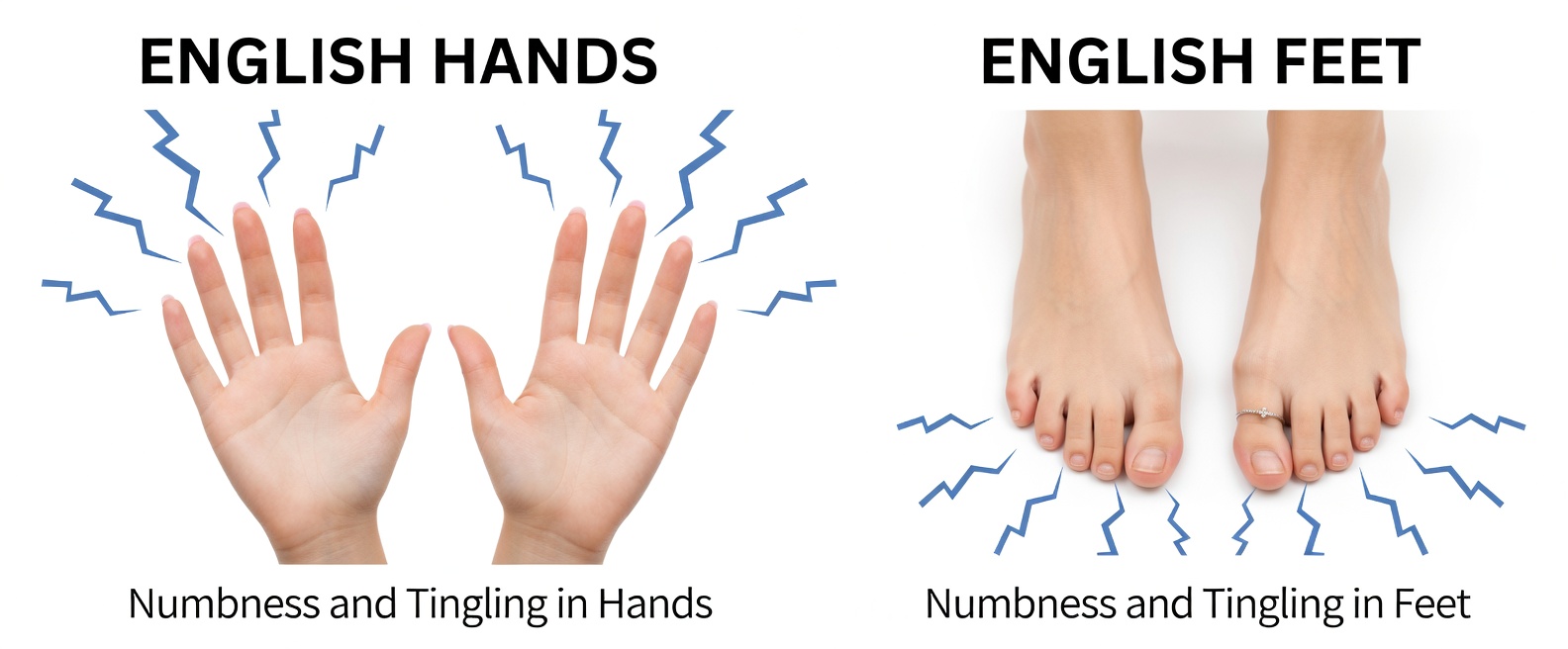
Knowing these 12 common causes of numbness and tingling in the hands and feet can help you take calm, informed steps instead of worrying in silence.
- Schedule a check-up to discuss your symptoms and medical history.
- Bring notes about when the sensations started and how they affect daily life.
- Support your body with steady habits: regular movement, adequate hydration, and nutritious meals.
For many people, these sensations have an identifiable cause—and with proper care, there are often ways to manage symptoms, protect nerve health, and maintain an active, independent life.