Safer Showering After 50: Simple Changes That Can Prevent Dizziness and Falls
Many adults over 50 notice an unexpected problem during an ordinary shower. A routine that should feel calming and refreshing can suddenly bring dizziness, shaky legs, or a pounding heartbeat. In that moment, the bathroom can feel less like a place of comfort and more like a place of risk.
These experiences often lead to understandable concerns about balance, circulation, and whether daily habits need to change with age. The reassuring news is that showering after 50 can still be safe and enjoyable. With a better understanding of how the body responds to heat, timing, and fatigue, a few small adjustments can make a big difference.
By the end, you’ll also learn one important tip many doctors advise, even though it is rarely discussed.
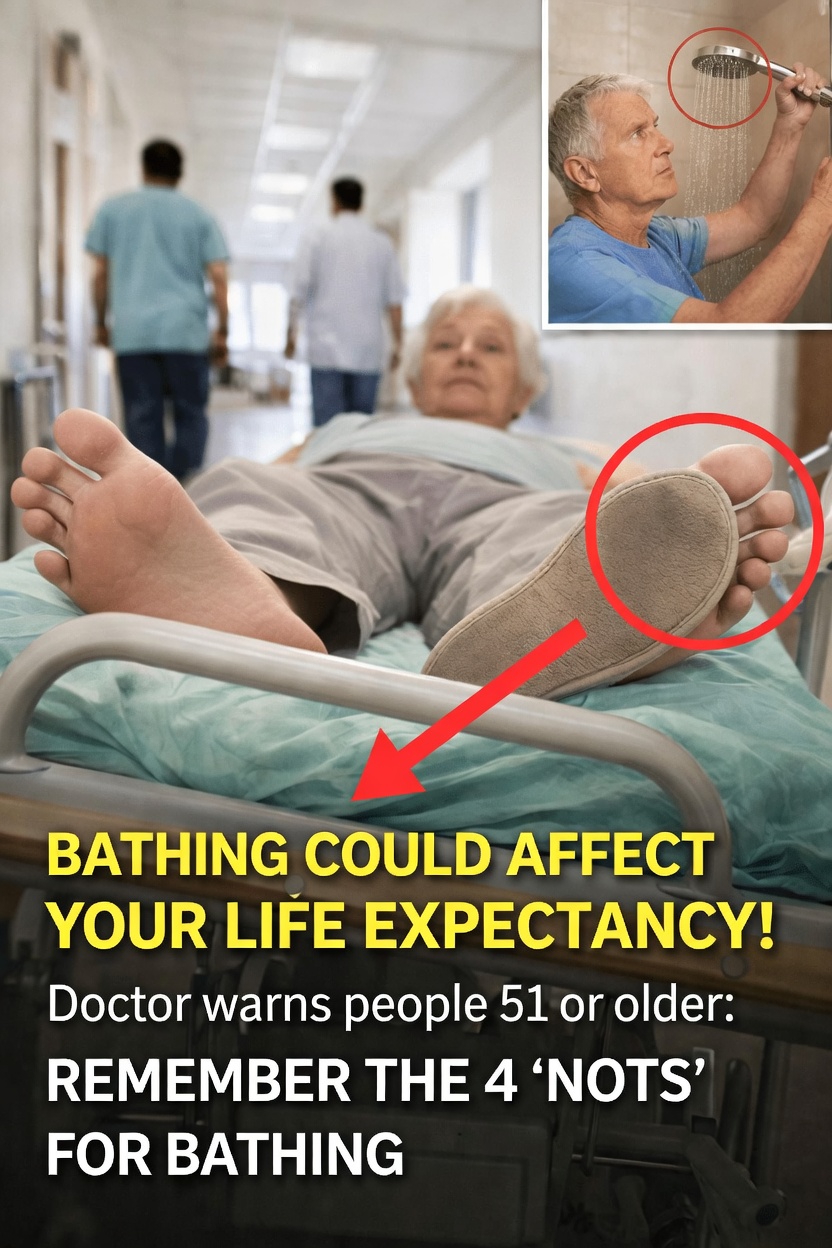
1. Water That Is Too Hot Can Trigger Dizziness
One of the most comforting parts of showering after 50 is stepping into hot water to relax sore muscles and warm up the body. However, very hot showers can create problems that are easy to overlook.
When water is excessively hot, blood vessels widen quickly. This can lower blood pressure for a short time and may lead to:
- Lightheadedness
- Weakness
- A racing heart
- A sense of imbalance
Research related to cardiovascular health in older adults suggests that sudden heat exposure can affect circulation and balance more noticeably with age. As a result, a shower that should feel soothing may instead become stressful.
The good alternative is simple: keep the water warm rather than hot. Many experts recommend a temperature of about 36°C to 38°C (97°F to 100°F).
Easy way to test the temperature
Before stepping in, check the water with your hand or forearm. If it feels comfortable, does not produce heavy steam, and does not make your skin turn red, it is likely in a safer range.
Even so, temperature is only part of the equation. The way you begin your shower also matters.
2. Avoid Letting Water Hit Your Head First
A common habit is to turn on the shower and immediately place your head under the stream. For people over 50, that sudden contact with warm water on the head and neck can sometimes trigger instant dizziness.
These areas contain many blood vessels, and abrupt temperature changes can challenge the body’s ability to adapt quickly. Because circulation changes with age, this reaction may be stronger than it used to be.
In a slippery bathroom, even a brief dizzy spell can raise the risk of slipping or falling.
A safer way to start showering after 50
Many health professionals recommend wetting the body gradually from the bottom upward:
- Start with the feet and legs
- Move to the arms and torso
- Finish with the head and shoulders
This step-by-step approach gives the body more time to adjust to the water temperature and may reduce the chance of feeling faint or unsteady.
Still, safe showering is not only about how you shower. It is also about when you shower.
3. Showering Right After a Meal May Cause Discomfort
In many homes, it is normal to eat and then head straight to the bathroom. But showering immediately after eating can make the body work against itself.
After a meal, blood flow naturally increases around the digestive system to help process food. A warm shower also affects circulation because the body must regulate temperature at the same time. This can leave some people feeling:
- Heavy or sluggish
- Sleepy
- Slightly dizzy
- Uncomfortable in the stomach
While this does not affect everyone in the same way, it can make showering after 50 feel less stable and less pleasant.
Better timing after meals
Health experts often suggest waiting 30 to 60 minutes after eating before taking a shower. That short pause allows digestion to begin properly and can help you feel steadier once you step in.
But one of the biggest risks is often ignored completely: showering when your body is already telling you something is wrong.
4. Do Not Shower When You Feel Very Tired or Dizzy
Bathrooms are among the most common places where older adults experience accidents. If you are already fatigued, weak, or lightheaded, showering can become more dangerous.
Wet surfaces, steam, and the effort of standing and washing can intensify physical discomfort. If you already feel off balance before the shower starts, that is an important warning sign.
Ignoring that feeling may increase the chances of:
- Slipping
- Falling
- Feeling faint
- Losing confidence in daily routines
Practical bathroom safety measures
To lower risk, consider these simple improvements:
- Install non-slip mats or adhesive strips
- Add grab bars for support
- Use a shower chair if standing feels difficult
- Keep the bathroom well lit
These changes may seem small, but they can make showering after 50 much safer and less stressful.
Safe vs. Risky Shower Habits After 50
Here is a quick comparison of common habits and better alternatives:
- Very hot water → Use warm water (36°C to 38°C / 97°F to 100°F)
- Wetting the head first → Start with the feet and work upward
- Showering right after eating → Wait 30 to 60 minutes
- Bathing while very tired or dizzy → Rest first and make sure you feel steady
Small changes like these can turn a daily shower back into a safe and refreshing experience.
Practical Tips for Safer Showering After 50
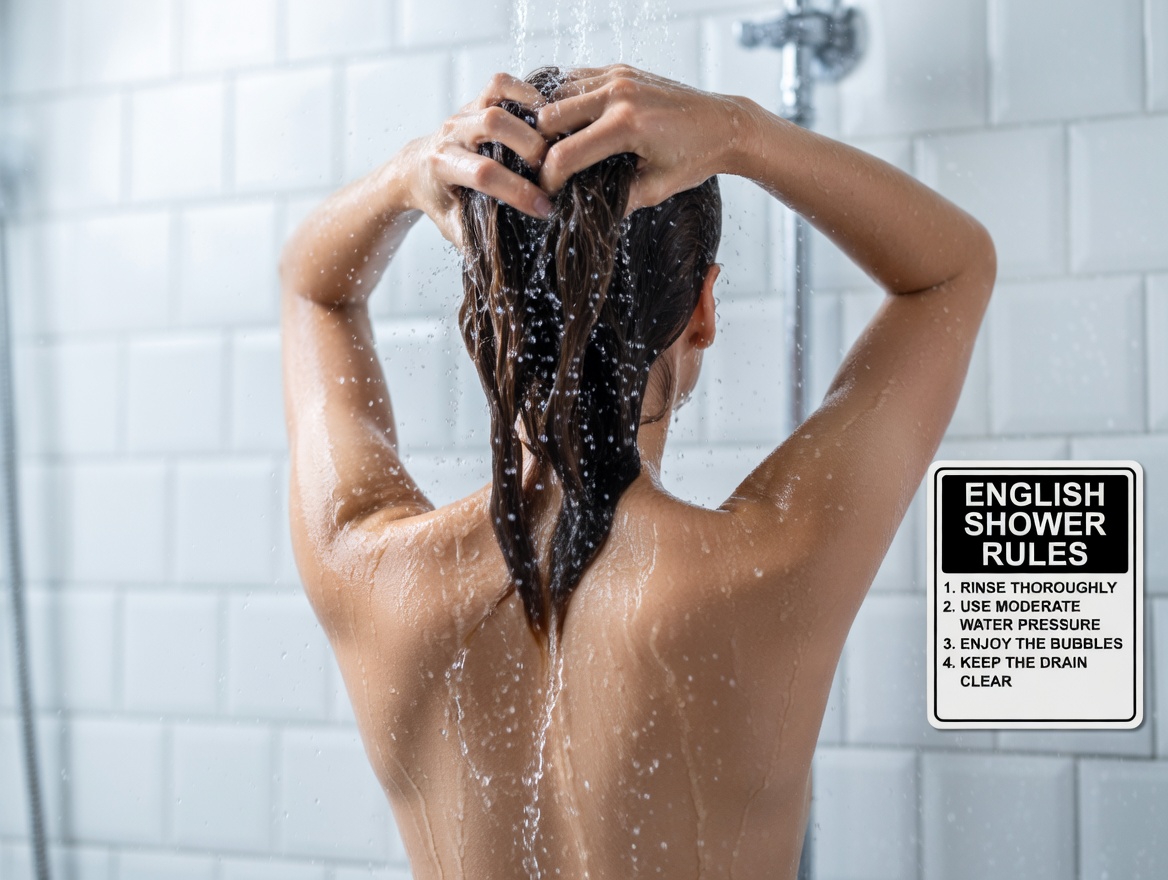
You can improve safety right away by following these simple habits:
- Keep showers relatively short, around 5 to 10 minutes
- Choose warm water instead of hot water
- Dry the floor well after showering
- Add support features if balance is a concern
- Avoid sudden shifts in water temperature
- Shower at a time of day when your energy is better
These steps can help protect circulation, reduce dizziness, and support confidence in the bathroom.
The Important Tip Many Doctors Recommend
Beyond all of the habits above, one piece of advice matters more than people realize: pay attention to your body before and during the shower.
If you feel weak, dizzy, unusually tired, or simply “not right,” it is okay to wait and shower later. Listening to those signals is not overreacting. It is a smart form of self-protection.
That simple awareness, combined with safer showering habits, can help you continue enjoying your routine with less fear and more comfort.
Conclusion
Showering is an essential part of hygiene, comfort, and self-care. But after 50, the body may react differently to heat, sudden temperature changes, fatigue, and even meal timing.
By making a few practical adjustments, you can reduce risk significantly:
- Avoid very hot water
- Start from the feet instead of the head
- Wait after meals before showering
- Do not bathe when you feel exhausted or dizzy
These small changes can improve stability, protect your circulation, and make showering after 50 both safer and more relaxing.
Frequently Asked Questions
What is the best water temperature for showering after 50?
Most health experts recommend warm water between 36°C and 38°C (97°F to 100°F). This temperature is usually comfortable while lowering the risk of dizziness and sudden blood pressure changes.
Should adults over 50 avoid showering right after eating?
Yes, it is generally better to wait 30 to 60 minutes after a meal. This gives your body time to focus on digestion and may reduce discomfort or lightheadedness.
How can I lower the risk of falling in the shower?
Helpful steps include:
- Installing grab bars
- Using non-slip mats
- Considering a shower chair
- Starting with the feet instead of the head
- Showering only when you feel steady
What time of day is best for showering after 50?
The best time is when you feel alert, stable, and well rested. For many people, morning or early evening works well, as long as energy levels are good and fatigue is low.