How Everyday Painkillers Like Ibuprofen Affect the Aging Heart
You reach for that familiar bottle in your medicine cabinet for arthritis flare-ups, headaches, or a stiff back—just as you’ve done for years. But now, at 60, 70, or older, those over-the-counter pain relievers may have quietly become a daily habit. Joint stiffness already makes simple tasks more tiring, and on top of that, there’s a growing, often unspoken worry: could nonsteroidal anti-inflammatory drugs (NSAIDs) like ibuprofen be putting extra strain on your heart?
As a heart surgeon who has seen the consequences firsthand, I want to explain how NSAIDs such as ibuprofen and naproxen can affect senior heart health, especially with frequent use. The encouraging news is that once you understand these connections, you can choose safer options. Keep reading, because you’ll also learn about practical alternatives—and one simple switch—that has helped many of my patients protect their hearts without giving up effective pain relief.

How NSAIDs Like Ibuprofen Interact With an Aging Heart
NSAIDs, including ibuprofen, work by blocking enzymes (COX enzymes) that play a role in pain and inflammation. This mechanism is why they are so effective for joint pain, muscle aches, and headaches.
However, those same enzymes also help produce prostaglandins—substances that assist in maintaining healthy blood flow, kidney function, and blood pressure. When NSAIDs interfere with prostaglandins, they can:
- Alter how blood vessels widen or constrict
- Influence fluid balance in the body
- Affect blood pressure regulation
In older adults, blood vessels are often stiffer and less flexible, and the cardiovascular system may already be working harder than it used to. Because of this, the impact of NSAIDs on circulation and blood pressure can become more pronounced with age.
One key issue is fluid retention. Research suggests that NSAIDs like ibuprofen can lead to the body holding onto extra fluid. This additional fluid volume forces the heart to pump harder, which can be particularly concerning for seniors already dealing with high blood pressure, heart disease, or chronic joint pain.
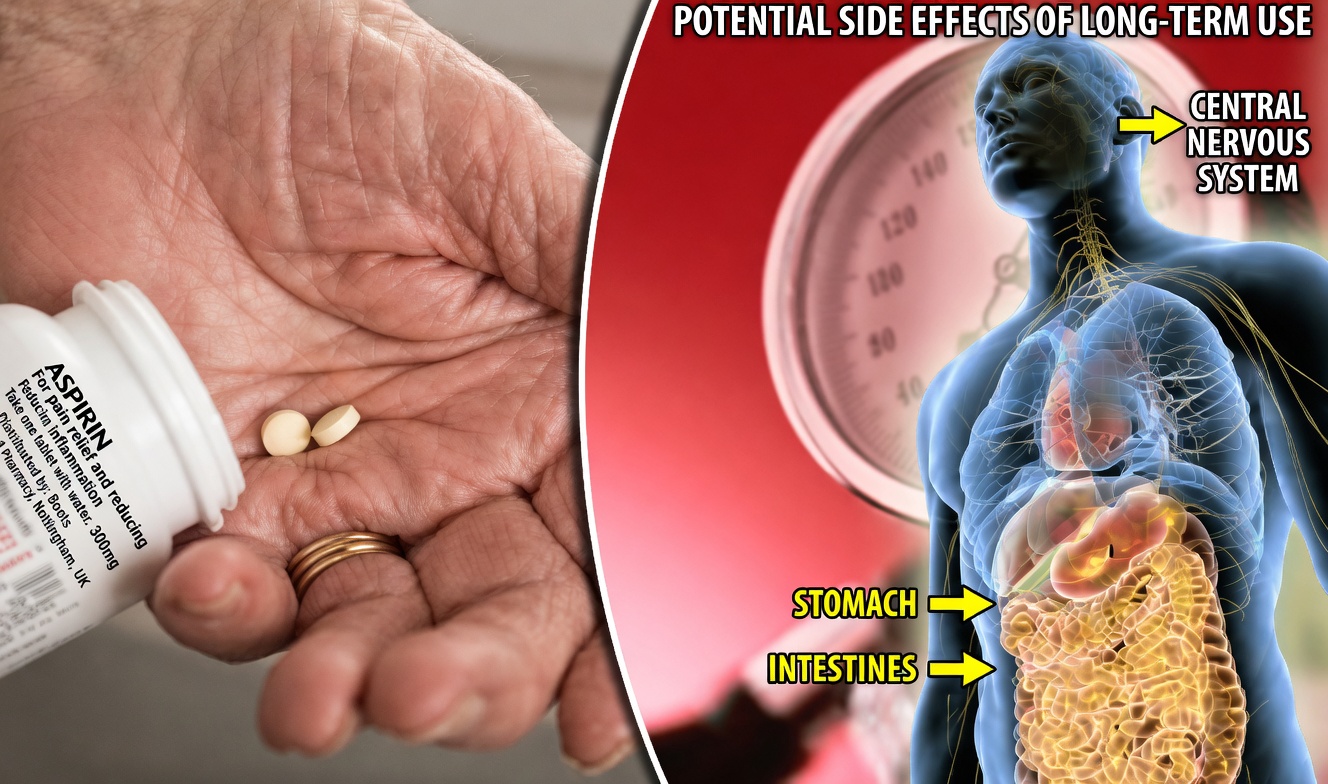
Why Seniors Face Higher Risks With Common Pain Relievers
As we age, our bodies handle medications differently. Several natural changes make seniors more vulnerable to potential side effects from NSAIDs:
- Reduced kidney function: The kidneys may not filter drugs as efficiently.
- More fragile blood pressure control: Even small changes can cause larger swings in blood pressure.
- Multiple medications: Many older adults take drugs for blood pressure, cholesterol, or heart conditions, increasing the chance of drug interactions.
Because of these factors, NSAIDs like ibuprofen require special caution in senior heart health. Many older patients share a similar worry: they want relief from daily pain but fear putting extra strain on their heart.
Studies have linked regular NSAID use in older adults with higher odds of cardiovascular events, such as heart attacks, strokes, or worsening heart failure. This can leave people torn between living with pain and worrying about their heart every time they take a pill.
To make matters more complex, NSAIDs can interact with:
- Blood pressure medications
- Diuretics (“water pills”)
- Certain heart medications
These combinations can blunt the effect of blood pressure drugs, worsen fluid retention, and amplify the overall impact on the heart.

7 Warning Signs That May Be Linked to NSAID Use and Heart Strain
If you regularly use NSAIDs like ibuprofen, paying attention to how you feel is essential for protecting your heart. The following signs may indicate that your heart is under added stress:
- Unexplained swelling in your legs, ankles, or feet, possibly from fluid retention tied to NSAID use.
- Shortness of breath during routine activities, suggesting your heart may be working harder than usual.
- New or higher blood pressure readings that appear after relying on common pain relievers.
- Persistent fatigue or unusual weakness that feels different from your typical “slowing down” with age.
- Irregular heartbeat or palpitations, such as fluttering or pounding in your chest.
- New or changing chest discomfort, pressure, or pain—this requires immediate medical attention.
- Sudden weight gain over a few days, which may be due to fluid buildup rather than extra calories.
These symptoms, especially when they appear while you are frequently using NSAIDs like ibuprofen, are important warning signals. Do not dismiss them as “just aging.” Your heart may be asking for help.
Safer Pain Management Options for Senior Heart Health
Concerns about heart risks from NSAIDs are real, but you do not have to choose between unmanaged pain and protecting your heart. There are several safer strategies that can often reduce or replace NSAID use.
1. Acetaminophen (Paracetamol)
For many older adults, acetaminophen is considered a more heart-friendly option for occasional pain compared with NSAIDs like ibuprofen. It can be effective for headaches, mild arthritis pain, and general aches.
- Pros: Typically has less impact on blood pressure and fluid balance.
- Caution: High doses can harm the liver, especially if combined with alcohol or certain medications. Always follow dosing instructions and talk with your healthcare provider.
2. Topical Pain Relievers
Gels, creams, and patches applied directly to sore joints or muscles can deliver targeted relief with less drug circulating throughout the body.
- Pros: Reduced systemic absorption compared with oral NSAIDs.
- Potential benefits: May ease joint pain while lowering the risk of heart-related side effects.
- Examples: Topical NSAID gels (in some countries), menthol-based creams, or lidocaine patches (when appropriate).
These options can be especially helpful for knees, hands, or localized joint pain where direct application works well.
3. Non-Drug Approaches
Reducing reliance on pills altogether can be one of the most powerful steps you take for both pain control and heart health.
Helpful strategies include:
- Physical therapy: Strengthens muscles around joints, improves flexibility, and reduces pain over time.
- Gentle exercise: Walking, stretching, or water aerobics can ease stiffness and support cardiovascular health.
- Heat and cold therapy: Warm packs for stiffness, cold packs for swelling or acute pain episodes.
- Weight management: Even modest weight loss can significantly reduce pressure on weight-bearing joints and support heart function.
These lifestyle-based approaches not only help manage pain but also support long-term senior heart health and overall well-being.
Quick Comparison of Pain Relief Options for Seniors
| Option | Considerations for Senior Heart Health | Key Benefits | Important Notes |
|---|---|---|---|
| NSAIDs (Ibuprofen, Naproxen, etc.) | May raise blood pressure and cause fluid retention; can stress heart | Fast relief for inflammation and acute pain | Use the lowest effective dose for the shortest time |
| Acetaminophen | Generally less impact on heart and blood pressure | Effective for many common pain types | Monitor total daily dose to protect liver health |
| Topical Treatments (creams, gels) | Reduced systemic absorption, typically lower heart risk | Localized, targeted pain relief | Still discuss with your doctor before long-term use |
| Physical Therapy & Lifestyle Changes | Often improve overall cardiovascular health | Builds strength and mobility over time | Requires consistency and guidance from professionals |
This comparison highlights why reassessing routine NSAID use can be so important for seniors. Many people find they can maintain good pain control while easing constant worry about their heart by incorporating alternatives and lifestyle changes.
Practical Steps to Protect Your Heart While Managing Pain
You do not need to overhaul everything at once. Small, intentional steps can significantly improve both pain management and heart safety.
-
Review all your medications with your healthcare provider.
Include over-the-counter products like ibuprofen or naproxen, as well as supplements. Ask specifically how each pain reliever fits into your long-term heart health plan. -
Ask about safer pain relief strategies.
Discuss whether acetaminophen, topical treatments, or non-drug options might be better suited for you, especially if you have high blood pressure, heart disease, or kidney issues. -
Monitor your blood pressure and weight at home.
Keep an eye on trends, not just single readings. Sudden increases in blood pressure or a rapid weight gain of a few pounds over a short period can be early warning signs of fluid retention or heart strain. -
Use NSAIDs at the lowest effective dose for the shortest time.
When NSAIDs are necessary, think of them as short-term tools, not daily habits. Consider starting with heat, cold, or stretching before reaching for a pill. -
Incorporate gentle movement into your routine.
Regular walking, stretching, or low-impact exercise can lessen joint discomfort and support circulation, lung function, and heart strength. Many seniors feel more in control of their health after making this shift. -
Schedule regular check-ups.
Routine visits allow your healthcare team to detect subtle changes early—before they turn into more serious problems—and to adjust your pain plan as your needs evolve.

Balancing Pain Relief and Heart Protection as You Age
Living with chronic pain while trying to protect your heart is a reality many adults over 60 face every day. By understanding how NSAIDs like ibuprofen affect senior heart health, you are already taking an important step toward safer, more confident choices.
Even small adjustments—such as using NSAIDs less often, switching to alternative options under medical guidance, or adding more movement to your day—can reduce your risk and ease constant worry. The peace of mind that comes from knowing you’re supporting your heart, while still addressing pain, is invaluable.
Your heart has carried you through decades of life. Giving it thoughtful care now helps you stay active, engaged, and present with the people you love—without the lingering fear that your pain reliever might be working against you.
P.S. A simple conversation with your doctor about transitioning from regular NSAID use to safer alternatives has made a meaningful difference for many of my older patients. It may do the same for you.
If you know a friend or family member over 60 who relies on pain pills daily, share this information. It might start an important conversation about senior heart health and safer pain relief.
FAQ About NSAIDs and Senior Heart Health
1. Are all NSAIDs like ibuprofen equally risky for older adults?
Not all NSAIDs are identical, and some may carry slightly different levels of cardiovascular risk. However, as a general rule, experts advise using caution with all oral NSAIDs in seniors, especially with long-term or frequent use. Your doctor can help you evaluate which, if any, are appropriate for your specific heart and kidney health.
2. Is acetaminophen a completely safe replacement for NSAIDs?
Acetaminophen is often preferred for people who are concerned about the heart-related effects of NSAIDs like ibuprofen because it usually has less impact on blood pressure and fluid balance. However, “safer” does not mean “risk-free.” Exceeding the recommended dose can damage the liver, and certain medical conditions or medications may require extra care. Always follow dosage guidelines and consult your healthcare provider before making it your primary pain reliever.