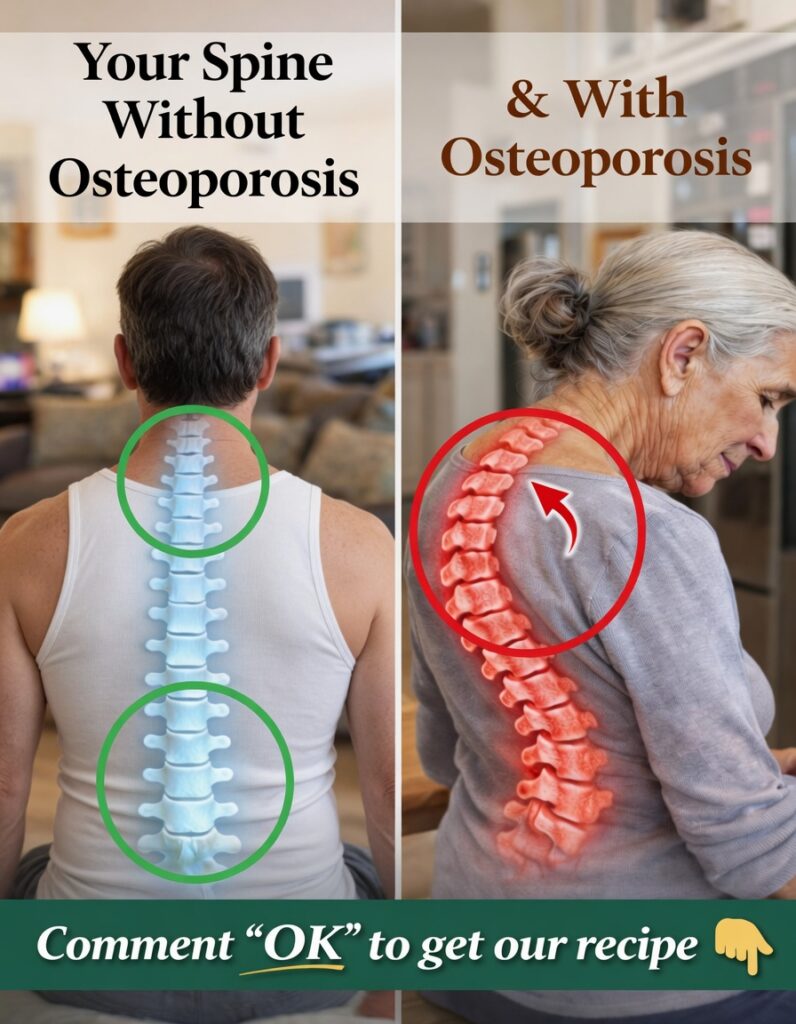
A Sudden Twinge in Your Back Might Be an Early Warning Sign
You lean down to tie your shoelaces and feel a tight, stubborn pull in your lower back. Later, you catch your reflection and notice your shoulders seem a bit more rounded than they used to be. Many older adults feel uncomfortable when someone mentions they look like they’re “shrinking” or bending forward.
What many people don’t realize is that these small shifts can be early clues that the spine is losing strength. The good news: everyday routines—especially a simple end-of-day habit shared later—can help support posture and long-term spinal health.
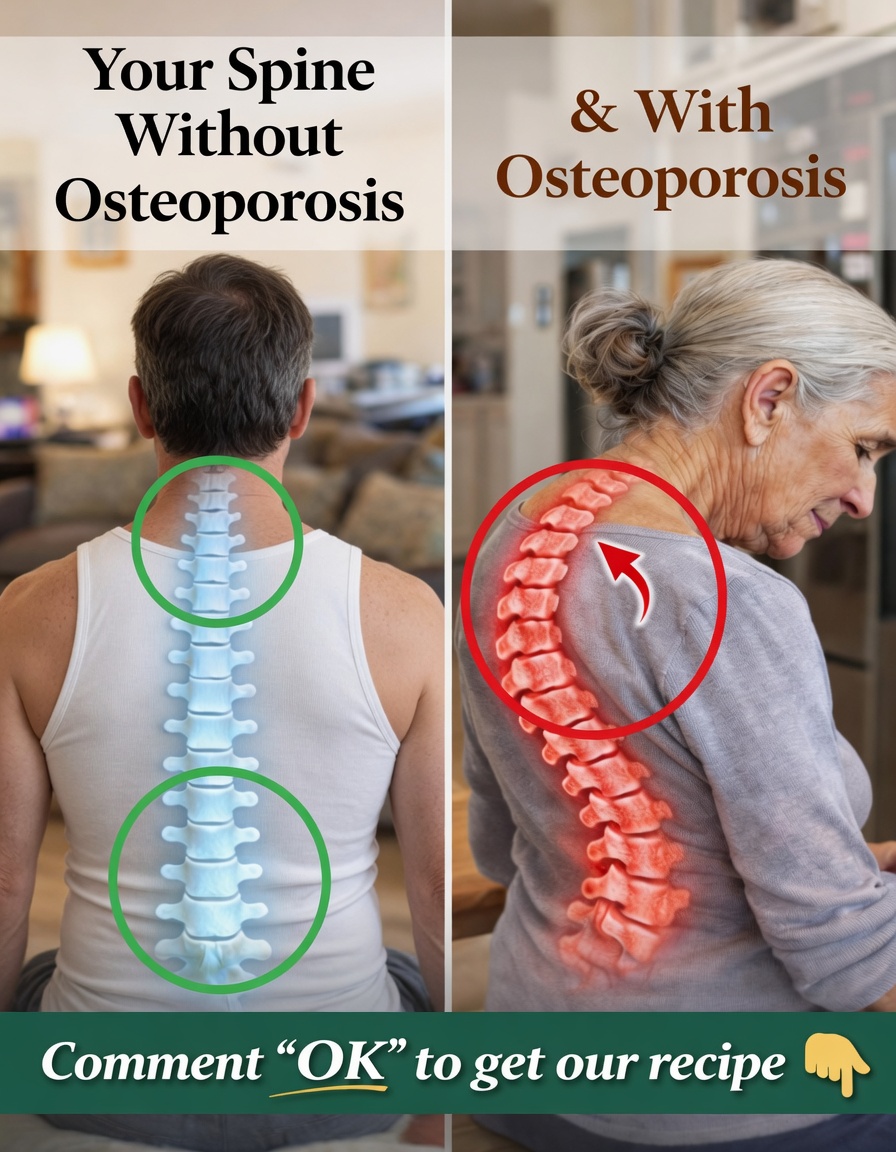
Why the Spine Becomes More Fragile With Age
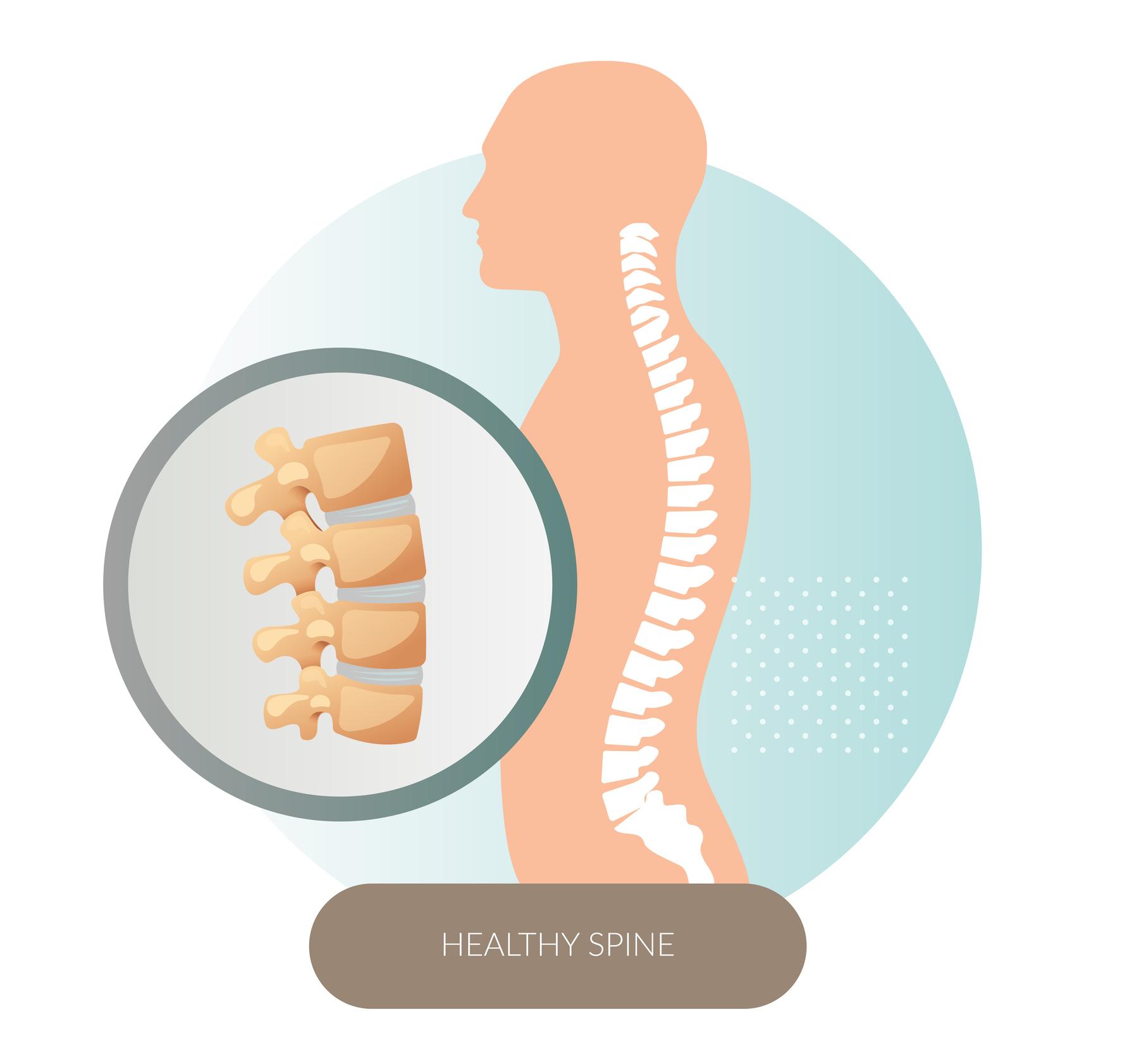
The spine is your body’s main support column. It helps you stand tall, move with control, and protect the spinal cord—the vital pathway that connects the brain to the rest of the body.
Structurally, the spine is made up of 33 vertebrae, with cushioning discs in between and a network of muscles and connective tissue that allow bending, twisting, and stability.
When bones remain dense and resilient, the spine can hold its natural alignment. However, as we age, bone density may slowly decline, and that’s often where the trouble begins.
As vertebrae weaken, several gradual changes may appear:
- Reduced mobility
- A more curved or forward-leaning posture
- Noticeable loss of height
- Greater risk of fractures
Many widely referenced bone-health studies note that bone density tends to drop after age 50, particularly when nutrition and physical activity are lacking.
The encouraging part is that supporting spinal strength often starts with simple, realistic habits.
Osteoporosis: How It Affects Bone Strength and Posture
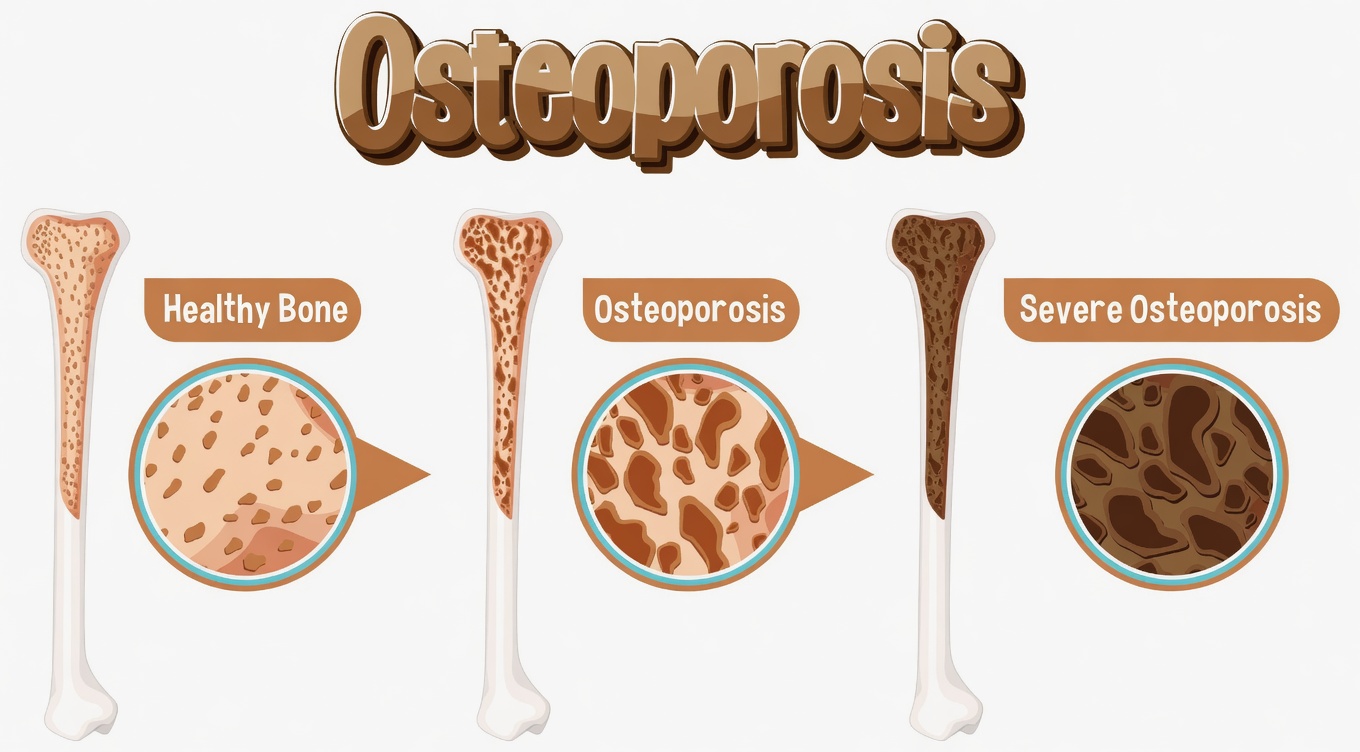
Osteoporosis is a condition where bones become less dense and more fragile over time. Instead of staying compact and strong, bone tissue develops tiny gaps, making the overall structure weaker.
This process is often slow and silent. In fact, many people only discover a problem after a fall or an unexpected fracture.
The spine is among the most commonly affected areas. When vertebrae lose strength, they can compress slightly under everyday body weight, which may gradually contribute to the forward-bending posture frequently seen in older adults.
A quick comparison helps clarify the difference:
- Healthy bone: denser structure, stronger support, better posture maintenance
- Lower-density bone: more porous, higher compression risk, posture may slowly change
Importantly, bone health isn’t determined by one factor. It’s influenced daily by nutrition, movement, posture, and lifestyle choices—and even small improvements can add up over time.
Everyday Nutrition Habits That Support Bone Strength
Food is one of the most direct ways to support your bones because bones are living tissue that constantly rebuilds. To do that well, the body needs a steady supply of key nutrients.
Calcium: A Core Building Block
Many common guidelines suggest adults over 50 may benefit from roughly 1,000–1,200 mg of calcium per day.
Naturally calcium-rich options include:
- Milk and yogurt
- Cheese
- Leafy greens (spinach, kale)
- Sardines and salmon with bones
- Almonds
- Calcium-fortified foods and beverages
Vitamin D: Helps Your Body Use Calcium
Calcium matters, but vitamin D helps the body absorb it effectively. Without enough vitamin D, calcium intake may not deliver the expected benefit.
Common sources of vitamin D include:
- Moderate sunlight exposure
- Fatty fish (such as salmon)
- Egg yolks
- Fortified dairy or plant-based drinks
Research often suggests that nutrition combined with consistent movement supports stronger bones more effectively than diet alone.

Movement That Helps Keep the Spine Strong
Some people assume that protecting the spine means limiting activity. In many cases, the opposite is true.
Bones respond well to safe, regular movement. When muscles tug on bones during activity, the body receives signals that help maintain bone strength. This is why weight-bearing activity is often recommended.
Helpful examples include:
- Walking
- Light resistance training
- Dancing
- Yoga or Pilates
- Stair climbing
These movements can support bone density while also strengthening muscles that stabilize the spine.
Don’t Overlook the Core
Strong muscles in the abdomen and lower back act like natural support for your spine, helping reduce unnecessary strain.
Simple core-focused movements may include:
- Gentle planks
- Bridge exercises
- Standing balance work
Even 10 minutes a day can be a meaningful starting point.

Daily Posture Habits That Reduce Strain on the Spine
Most people don’t think about posture until discomfort shows up. Yet posture is shaped by tiny actions repeated day after day.
When the head tilts forward or the shoulders round for long periods—often from sitting and screen time—extra pressure can build on the vertebrae. Over months and years, that stress may influence spinal alignment.
Practical posture habits to try:
- Keep shoulders relaxed and slightly back (not rigid)
- When standing, aim to align ears over shoulders
- Avoid long stretches of slouching while seated
- Adjust chair height so feet rest flat on the floor
- Take brief standing breaks every 30–60 minutes
Many spine specialists also recommend pairing posture work with gentle stretching.

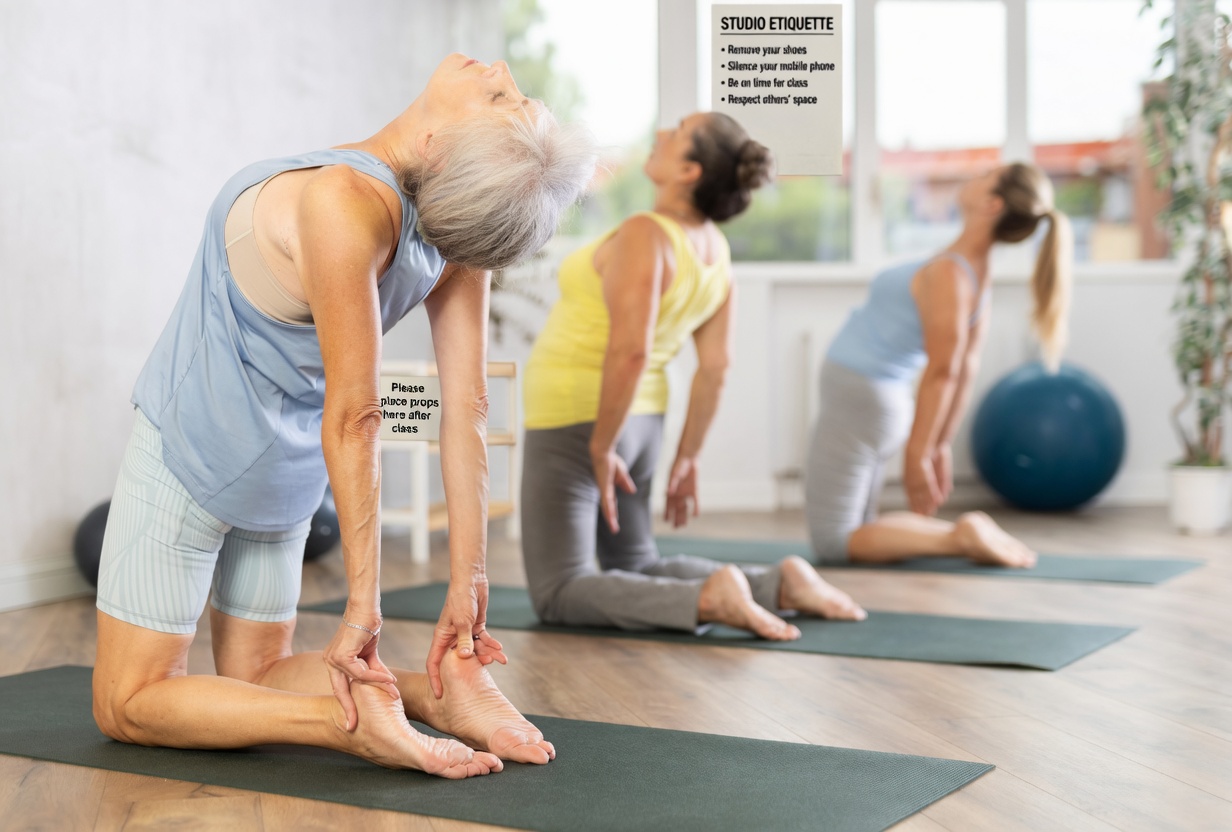
Gentle Stretching to Maintain Flexibility and Comfort
Flexibility helps the spine move smoothly. Without regular stretching, the muscles around the back and shoulders can tighten, making upright posture harder to maintain.
A short daily routine can help keep the back feeling mobile and less stiff.
Common gentle options include:
-
Cat–Cow stretch
Alternating between arching and rounding the back supports spinal mobility. -
Child’s pose
A calming stretch that can ease tension through the lower back. -
Shoulder rolls
Simple movements that help loosen the upper back and neck.
Spending 5–10 minutes per day on gentle stretching may support comfort and movement.
A frequently overlooked detail: lifestyle choices such as smoking and excessive alcohol intake may negatively affect bone health. Reducing these habits can support overall wellness, including stronger bones.
A Simple Daily Action Plan for Spine Support
If you prefer a straightforward routine, use this daily checklist as a guide:
Morning
- Get a few minutes of sunlight when possible
- Eat a balanced breakfast with protein and calcium-rich foods
Afternoon
- Walk for at least 15 minutes
- Check posture while sitting (especially at a desk)
Evening (the routine many people underestimate)
- Do gentle stretching for 5–10 minutes
- Choose nutrient-dense meals with vegetables and quality protein
Consistency matters most. Small actions done daily typically support long-term results better than occasional intense efforts.
Final Thoughts
A strong spine supports independence, mobility, and comfort as we age. While changes in bone density can be a natural part of getting older, steady daily habits—smart nutrition, regular movement, posture awareness, and gentle stretching—may help maintain spinal strength and healthier alignment.
There’s rarely a single “miracle fix.” The most effective approach is usually a combination of small, repeatable choices that protect bone health year after year.
Frequently Asked Questions
Can posture really influence spinal health?
Yes. Posture affects how body weight and pressure are distributed across the vertebrae. Maintaining a more upright alignment may reduce unnecessary strain over time.
Is walking helpful for supporting bone strength?
Walking is widely considered a beneficial weight-bearing activity. When done consistently, it can support bone health and strengthen the muscles that help stabilize the spine.