
Early Body Changes That May Signal Kidney Problems
Many people notice small shifts in their health and dismiss them as stress, aging, or temporary discomfort. Yet some of these subtle changes may be linked to kidney problems. When the kidneys are not working properly, everyday life can start to feel harder, with fatigue, swelling, and other unexplained symptoms affecting your routine.
Spotting these warning signs early can help you seek medical advice before the issue becomes more serious. And there is one uncommon sign that often catches people off guard, which we will reveal near the end.
Why Kidney Health Is So Important
The kidneys are essential organs that filter waste from the blood, regulate fluid levels, and help maintain overall balance in the body. If kidney function declines, toxins and excess fluid may build up, causing noticeable physical changes.
Being familiar with the signs can help you respond sooner and make informed decisions about your health. Organizations such as the Mayo Clinic emphasize that early awareness can play an important role in managing kidney-related conditions.
Let’s look at the most common signs in more detail.
1. Changes in Urination
One of the earliest clues often appears in your bathroom habits, because the kidneys are directly involved in producing urine.
Frequent urination or reduced urine output
You may need to urinate more often than usual, especially during the night. In other cases, you may notice you are producing less urine than normal.
Because the kidneys control fluid balance, disruptions in urination can be an early warning sign. The National Kidney Foundation identifies this as a common symptom worth monitoring. If the change continues, it may be helpful to keep track of your urination patterns and speak with a doctor.
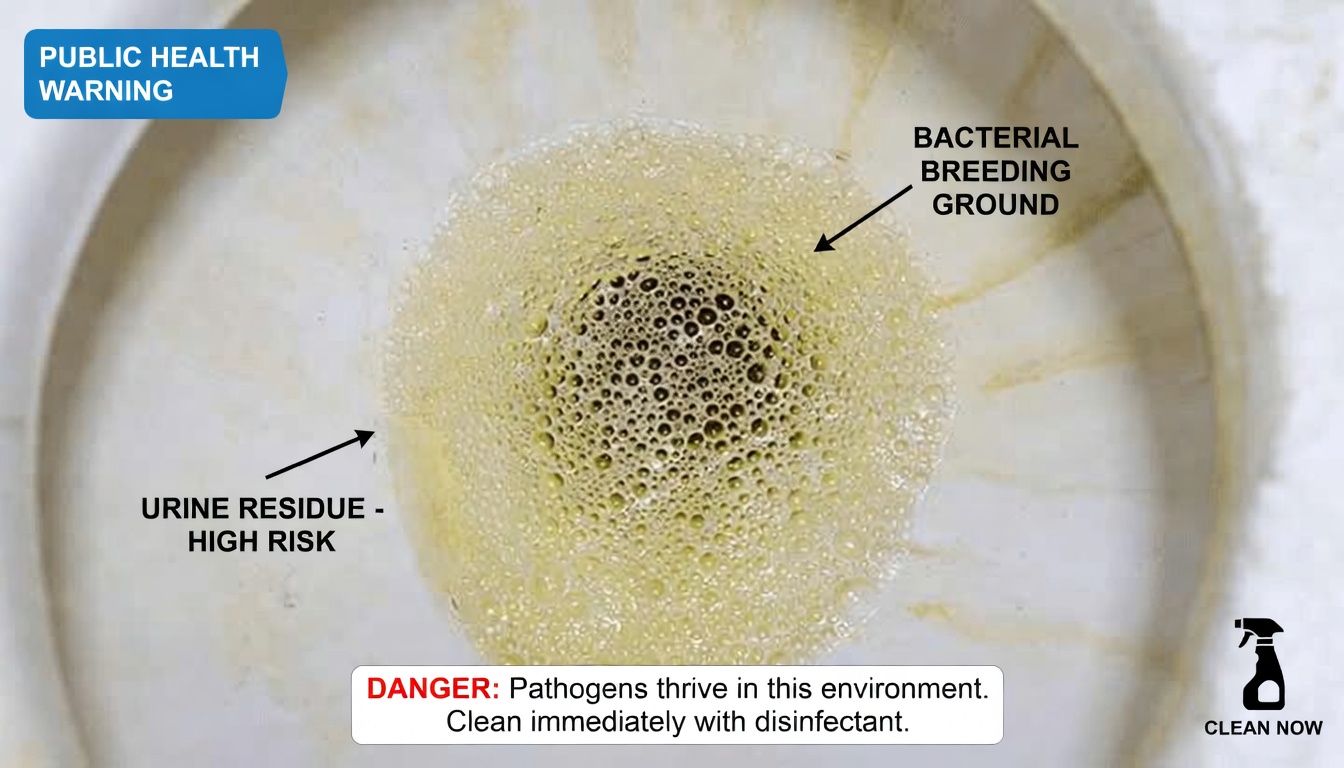
Foamy or bubbly urine
If you regularly see foam or bubbles that do not disappear quickly, it may suggest protein is leaking into the urine. Normally, healthy kidneys keep important proteins in the bloodstream.
The Kidney Fund notes that this visual change can be a useful clue and should not be ignored.
Blood in the urine
Urine that appears pink, red, or rust-colored may contain blood. This can be associated with kidney issues and should be evaluated by a healthcare professional as soon as possible.
Dark or unusual urine color
Urine that looks darker than normal may indicate concentrated waste or dehydration. While drinking more water may help in some cases, persistent discoloration deserves attention.

2. Swelling and Fluid Retention
When the kidneys struggle to remove excess fluid, swelling can become noticeable in several parts of the body.
Swollen legs, ankles, or feet
Puffiness in the lower limbs, also called edema, is a common sign of fluid retention. You might notice your socks leave deeper marks than usual or that your shoes feel tighter.
The Cleveland Clinic explains that reduced kidney filtration can lead to this type of swelling.
Puffiness around the eyes
If your eyelids look swollen when you wake up, this may be another early indicator. The puffiness may improve during the day, only to return again later.
Swelling in the hands or face
Fluid buildup can also make rings feel tight or cause the face to appear fuller than normal. Cutting back on salt may help reduce mild swelling, but it is still important to get medical advice if the symptom continues.
3. Skin Changes That Reflect Internal Imbalance
The skin can sometimes reveal what is happening inside the body, especially when waste products and minerals are not being processed well.
Dry, itchy skin
Ongoing dryness or itching may be linked to mineral and toxin buildup. The NHS includes this among the common symptoms associated with kidney disease.
Using moisturizer may provide temporary relief, but addressing the underlying cause matters most.
Bruising more easily
If bruises appear more often than usual or seem to happen with only minor bumps, it could be related to changes in how the body handles clotting. Kidney function can influence this process, so unexplained bruising is worth watching.
4. Fatigue and Reduced Energy
Feeling constantly drained is one of the most commonly reported symptoms.
Persistent tiredness and weakness
When waste accumulates in the body, it can leave you feeling exhausted even after adequate sleep. The American Kidney Fund identifies fatigue as a major concern in people with kidney problems.
Getting enough rest and maintaining balanced nutrition can help support your energy, but ongoing fatigue should not be dismissed.
Trouble concentrating or mental fog
Toxin buildup may also affect mental clarity. Some people report difficulty focusing, forgetfulness, or a general sense of confusion.
Research suggests that reduced kidney function can impact cognitive sharpness over time.
Feeling cold more often than others
Kidney issues can sometimes contribute to anemia by reducing the body’s ability to produce enough red blood cells. This may leave you feeling cold even when others around you are comfortable.

5. Digestive and Taste Changes
Kidney-related symptoms do not always seem connected to the kidneys at first. Digestive changes are a good example.
Nausea and vomiting
If you often feel nauseated, especially in the morning, and cannot identify another reason, waste buildup may be irritating your digestive system.
Loss of appetite
A reduced interest in food can lead to unintentional weight loss. The Mayo Clinic links poor appetite to decreased kidney function.
Metallic taste in the mouth
A bitter or metallic taste that does not go away, even after brushing your teeth, may be caused by a buildup of urea in the body. Medical sources often describe this as one of the more distinctive signs.
6. Other Physical Signs to Watch For
Some symptoms may seem unrelated at first, but they can still be associated with kidney function.
Shortness of breath
Breathlessness after light activity may happen if fluid builds up in the lungs or if anemia develops. If climbing stairs suddenly feels much harder than usual, this is worth noting.
Muscle cramps
Imbalances in electrolytes can trigger cramping, especially at night. Gentle stretching and proper hydration may help, but repeated cramps should be discussed with a healthcare provider.
Restless legs syndrome
An uncomfortable urge to move the legs, especially in the evening, can disrupt sleep and may be linked to nerve-related effects associated with kidney problems.
Sleep disturbances
Difficulty falling asleep or waking often during the night may be connected to discomfort, cramping, or restless legs.
High blood pressure
The kidneys help regulate blood pressure, and kidney dysfunction can push those numbers higher. If possible, monitor your blood pressure at home on a regular basis.
The Lesser-Known Sign: Uremic Frost
Earlier, we mentioned a surprising indicator that many people have never heard of. That sign is uremic frost.
This rare condition appears as a white, powder-like coating on the skin caused by urea crystals. It is uncommon and usually occurs in advanced cases, but it serves as a striking reminder of how important early awareness can be.
Quick Comparison: Early vs. Later Signs
The table below offers a simple way to understand how symptoms may progress.
Overview of Kidney-Related Signs
| Sign Category | Earlier Signs | Later Signs | Possible Cause |
|---|---|---|---|
| Urination | Frequent urination, foamy urine | Blood in urine, less urine output | Reduced filtration |
| Swelling | Puffy eyes | Swollen legs, ankles, feet | Fluid retention |
| Skin | Dryness, itching | Easy bruising | Waste and mineral buildup |
| Energy | Mild fatigue | Ongoing weakness, confusion | Toxin accumulation |
| Digestion | Reduced appetite | Nausea, metallic taste | Waste irritation |
This side-by-side view makes it easier to recognize how symptoms may evolve over time.
Practical Steps to Support Kidney Health
While only a medical professional can diagnose kidney issues, there are everyday habits that may help support kidney function and overall wellness.
Helpful daily habits
- Stay hydrated: Aim for about 8 glasses of water a day unless your doctor advises otherwise.
- Eat balanced meals: Focus on fruits, vegetables, and lean proteins while limiting heavily processed foods.
- Reduce salt intake: Excess sodium can contribute to fluid retention and blood pressure issues.
- Stay active: Regular movement supports circulation and general health.
- Monitor blood pressure: Check it weekly at home if possible.
- Schedule routine checkups: Blood tests and urine tests can help detect problems early.
Research from Kidney Research UK supports the value of these habits in improving long-term outcomes.
A simple kidney-friendly daily routine
- Morning: Start the day with water and a healthy breakfast such as oatmeal with berries.
- Afternoon: Take a 30-minute walk to improve circulation and support overall health.
- Evening: Choose lighter meals with less salt and consider herbal tea instead of sugary drinks.
These are general suggestions, so it is best to adjust them with guidance from your healthcare provider.
Final Thoughts
Paying attention to your body can make a real difference. Signs such as changes in urination, swelling, itchy skin, fatigue, digestive issues, and even unusual symptoms like uremic frost may all point to kidney concerns.
Recognizing these 17 warning signs early can help you take action sooner, adopt healthier habits, and seek professional care when needed. Staying informed is one of the best ways to protect your long-term health.
FAQ
What should I do if I notice several of these signs?
Make an appointment with your healthcare provider. Tests such as blood work and urinalysis can help assess kidney function and identify the cause of your symptoms.
Can lifestyle changes improve these symptoms?
In many cases, yes. A balanced diet, regular activity, good hydration, and managing conditions such as diabetes or high blood pressure can all support kidney health.
Do these signs always mean kidney disease?
No. Many of these symptoms can also be caused by other health issues. That is why a professional medical evaluation is essential.
Disclaimer
This article is for general informational purposes only and should not replace professional medical advice. Always consult a qualified healthcare provider if you have concerns about your health.