Supporting Eye Health as You Age With Chia, Flax, and Pumpkin Seeds
As the years go by, small changes in vision often become more noticeable. You may find yourself reaching for brighter light when reading, or needing extra time for your eyes to adjust between close-up and distant objects. These shifts can show up in everyday situations, from reading a menu in a dim restaurant to feeling less certain while driving at dusk. Over time, they can affect comfort, confidence, and enjoyment of daily life.
One simple way to support overall eye wellness is through nutrition. Foods rich in key vitamins, minerals, antioxidants, and healthy fats may help nourish the eyes as part of a balanced lifestyle. Among the easiest options to add to meals are seeds. Even better, there is a simple seed blend recipe at the end that makes using them surprisingly easy and delicious.
Why Nutrition Matters for Eye Health With Age
Healthy eating becomes even more valuable as the body gets older. Studies suggest that several nutrients are involved in normal eye function, especially antioxidants and essential fatty acids. These compounds help support eye tissues and may contribute to long-term visual comfort.
Another factor is that the body’s ability to absorb and use nutrients can shift with age. That makes nutrient-dense foods especially useful. Seeds are a practical choice because they contain concentrated amounts of important nutrients in small servings and can be added to meals with very little effort.
Research also points to the value of diets rich in selected vitamins and minerals for maintaining eye comfort over time. Three seeds stand out here:
- Chia seeds
- Flax seeds
- Pumpkin seeds
Each brings something different to the table, and together they form a strong nutritional combination.
Chia Seeds: Tiny Seeds With Big Benefits
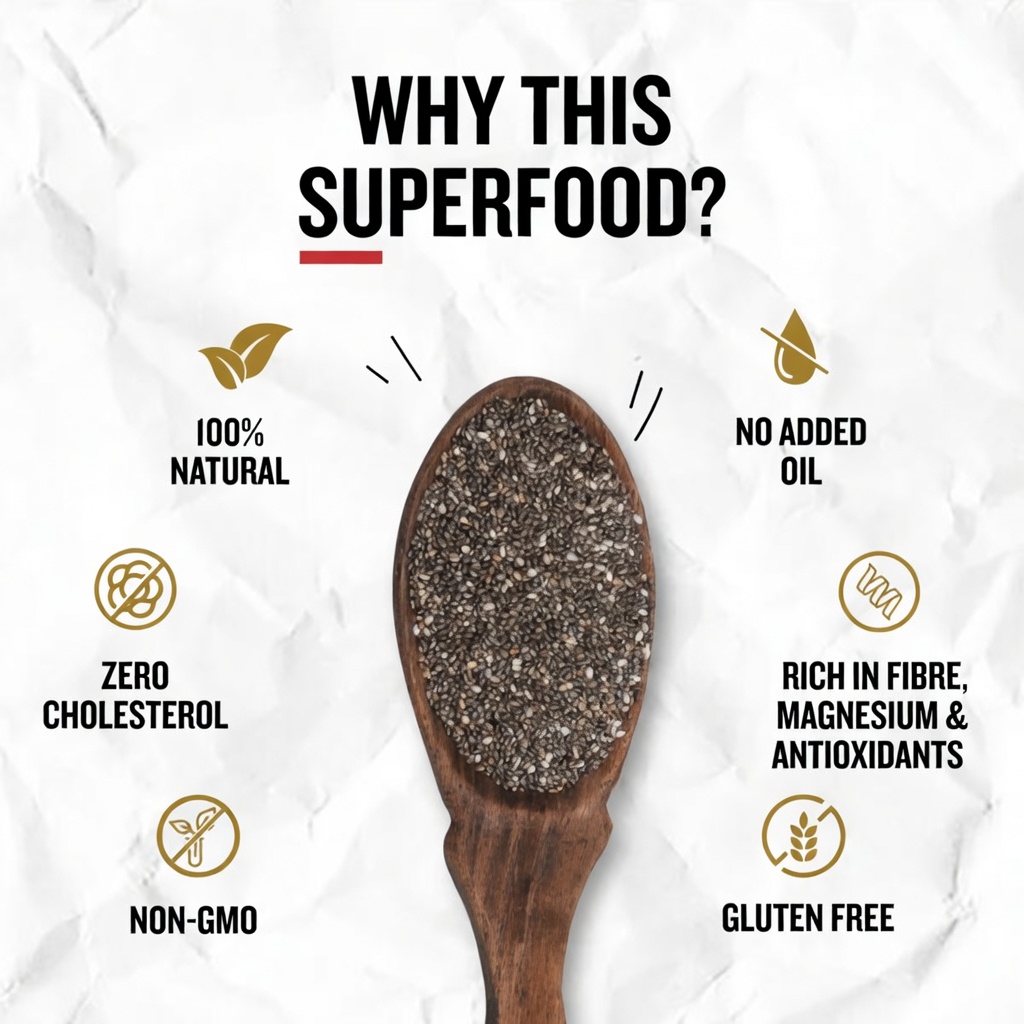
Chia seeds may be small, but they offer an impressive nutritional profile. These black or white seeds are rich in omega-3 fatty acids, which are widely recognized for their anti-inflammatory properties. Omega-3s may help support eye moisture, an area many people find more challenging as they age.
Chia seeds also contain:
- Fiber
- Antioxidants
- Vitamin E
Vitamin E is especially notable because it helps protect cells from oxidative stress. Over time, oxidative stress can affect eye tissues, so including foods with antioxidant support may be beneficial.
A helpful tip is to soak chia seeds before eating them. Letting them sit in liquid overnight or even for a short period can make them easier to digest and may improve how well the body uses their nutrients.
Easy Ways to Add Chia Seeds Every Day
Adding chia seeds to your routine is simple:
- Measure 1 tablespoon of chia seeds.
- Stir them into a glass of water or plant-based milk.
- Let them sit for 10 to 15 minutes until they develop a gel-like texture.
- Mix them into yogurt, oatmeal, or a breakfast bowl.
You can also use chia seeds in several other ways:
- Sprinkle over salads
- Blend into smoothies
- Add to puddings
- Stir into cereal
Because they have a mild taste, they fit easily into many meals.
Flax Seeds: A Powerful Source of Omega-3s
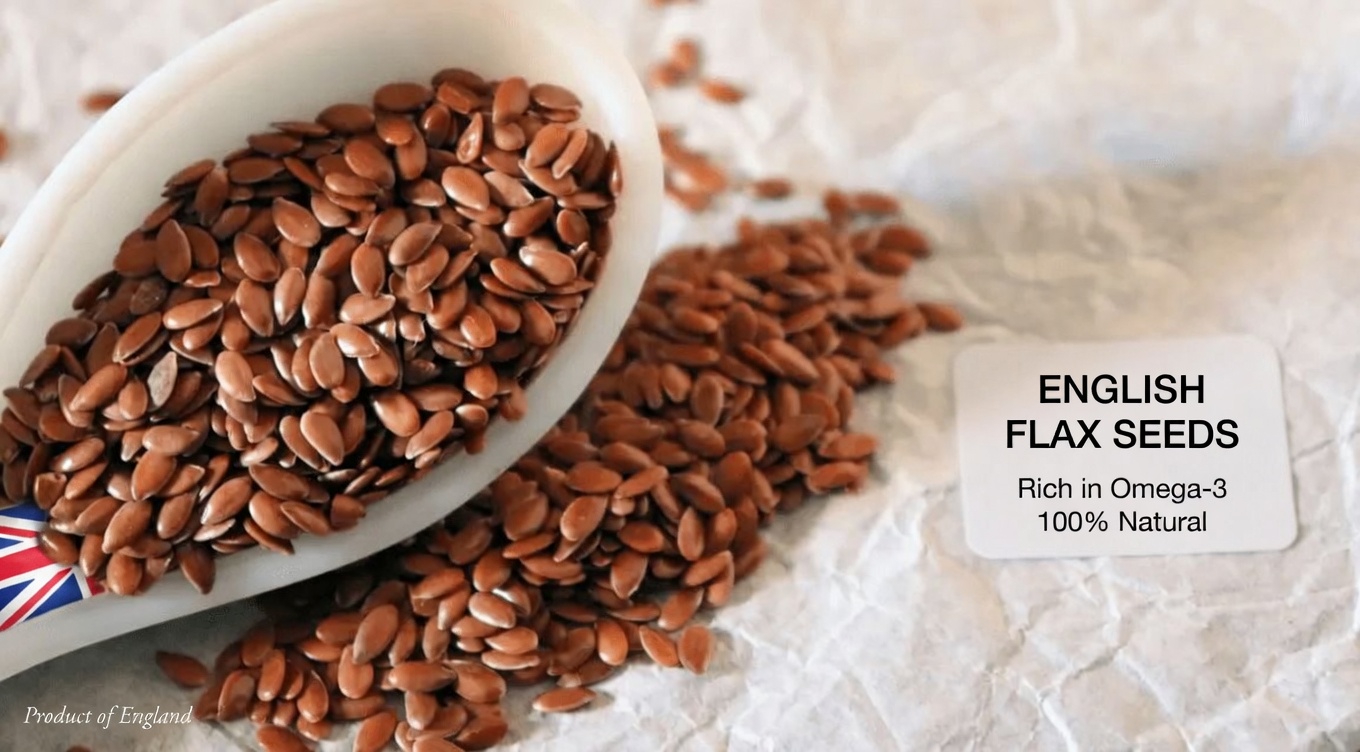
Flax seeds, whether golden or brown, are another excellent choice for eye-supporting nutrition. They are particularly rich in alpha-linolenic acid, or ALA, a plant-based omega-3 fatty acid. The body can convert ALA into other forms of omega-3s that are useful for overall health, including eye support.
Some research suggests omega-3 intake may help with dry eye symptoms, making flax seeds especially relevant for aging adults.
Flax seeds also provide lignans, natural compounds with antioxidant properties. These may help support retinal health by assisting the body in managing inflammation and oxidative stress.
One important point: whole flax seeds are not absorbed as well as ground flax. If eaten whole, they may pass through the digestive system without being fully broken down. Grinding them fresh is the best way to maximize their nutritional value.
Practical Ways to Use Flax Seeds
Here are a few easy methods for including flax seeds in your diet:
- Grind a small batch using a coffee grinder
- Store the ground flax in the refrigerator to keep it fresh
- Add 1 tablespoon to breakfast cereal or oatmeal
- Mix into muffins, breads, or pancakes
- Stir into soups or stews for a mild, nutty flavor
Flax is easy to combine with other seeds as well, which can make your meals even more nutrient-rich.
Pumpkin Seeds: A Zinc-Rich Choice for Vision Support
Pumpkin seeds are often enjoyed as a crunchy snack, but they also bring valuable nutrients that can support eye health. One of the most important is zinc, a mineral involved in transporting vitamin A to the retina. Zinc plays a role in night vision and also supports the health of the eye’s surface.
In addition to zinc, pumpkin seeds contain:
- Vitamin E
- Magnesium
- Healthy fats
This combination adds to their protective nutritional value, especially when thinking about age-related changes in the eyes.
If you enjoy seasonal cooking, pumpkin seeds can also be a sustainable kitchen staple. Instead of discarding seeds from fresh pumpkins, you can clean and dry them at home for a fresh supply.
Simple Ways to Eat More Pumpkin Seeds
You can work pumpkin seeds into your meals in several easy ways:
- Lightly roast them with a little oil at 350°F for about 10 minutes.
- Keep a small portion on hand for a convenient snack.
- Sprinkle them over salads, grain bowls, or stir-fries.
- Add them to homemade trail mix.
These small habits help make regular intake easy and enjoyable.
Nutritional Comparison of Chia, Flax, and Pumpkin Seeds
The table below gives a quick look at key nutrients found in 1 tablespoon of each seed.
| Seed | Omega-3 (g) | Vitamin E (mg) | Zinc (mg) | Other Benefits |
|---|---|---|---|---|
| Chia | 2.5 | 0.5 | 0.5 | High in fiber for digestive support |
| Flax | 2.3 | 0.4 | 0.4 | Contains lignans for antioxidant support |
| Pumpkin | 0.1 | 2.0 | 1.0 | Provides magnesium for relaxation |
These values are based on general nutrition databases and research references. The comparison makes it clear that each seed offers something unique, and combining them may provide broader nutritional support.
Why Combining These Seeds Makes Sense
Each of these seeds contributes different nutrients linked to eye health:
- Chia seeds provide omega-3s, fiber, and vitamin E
- Flax seeds offer plant-based omega-3s and lignans
- Pumpkin seeds supply zinc, vitamin E, and magnesium
Using them together can create a complementary effect. Rather than relying on one food alone, you get a wider range of beneficial nutrients from a single mix.
Two Quick Recipes to Try
If you want a simple way to start using these seeds, these recipes are easy and fast.
Seed-Packed Smoothie
Ingredients
- 1 banana
- 1 cup berries
- 1 tablespoon chia seeds
- 1 tablespoon flax seeds
- 1 tablespoon pumpkin seeds
- 1 cup almond milk
Instructions
- Place all ingredients in a blender.
- Blend until smooth.
- Serve right away.
This smoothie takes only a few minutes and gives you all three seeds in one serving.
Homemade Seed Trail Mix
Ingredients
- Equal portions of chia, flax, and pumpkin seeds
- Dried fruit, if desired, for natural sweetness
Instructions
- Combine the seeds in a bowl.
- Add dried fruit if you want a sweeter flavor.
- Divide into small containers for easy grab-and-go snacks.
This is a practical option for busy days and helps make healthy eating more consistent.
Things to Keep in Mind When Adding Seeds to Your Diet
Seeds are generally well tolerated, but it is best to introduce them gradually if they are new to you. Starting with small amounts may help prevent digestive discomfort.
A few helpful reminders:
- Increase intake slowly
- Drink enough water, especially when eating fiber-rich seeds
- Read labels carefully if you have food allergies
- Ask your healthcare provider if you take medication regularly
This is particularly important for people using blood thinners, since omega-3-rich foods may need to be considered as part of overall dietary planning.
A Simple Seed Blend for Daily Use
Chia, flax, and pumpkin seeds offer a convenient and natural way to include nutrients associated with eye support in your everyday meals. Used regularly, they may help support overall comfort and wellness as part of a balanced diet.
A simple option is to make a Vision Support Sprinkle:
- Grind equal amounts of chia, flax, and pumpkin seeds.
- Store the mixture in a sealed jar.
- Sprinkle it over foods throughout the day.
You can use it on:
- Toast
- Oatmeal
- Yogurt
- Soups
- Salads
- Smoothies
This easy blend is a practical way to stay consistent without overthinking your meals.
Frequently Asked Questions
What signs might suggest I need more eye-supporting nutrients?
Some people notice occasional dryness, tired eyes after screen use, or general visual discomfort. However, symptoms can have many causes, so it is always best to speak with a qualified healthcare professional for personal guidance.
How much of these seeds should I eat each day?
A common approach is to aim for 1 to 2 tablespoons total per day, divided across meals or snacks, within the context of a balanced diet.
Can these seeds affect medications?
They can in some cases, especially for people taking blood thinners or certain other medications. If you have any medical concerns, check with your doctor before increasing your intake.
Disclaimer
This article is for informational purposes only and should not be considered medical advice. Always consult a healthcare professional before making dietary changes, especially if you have a medical condition or take prescription medications.