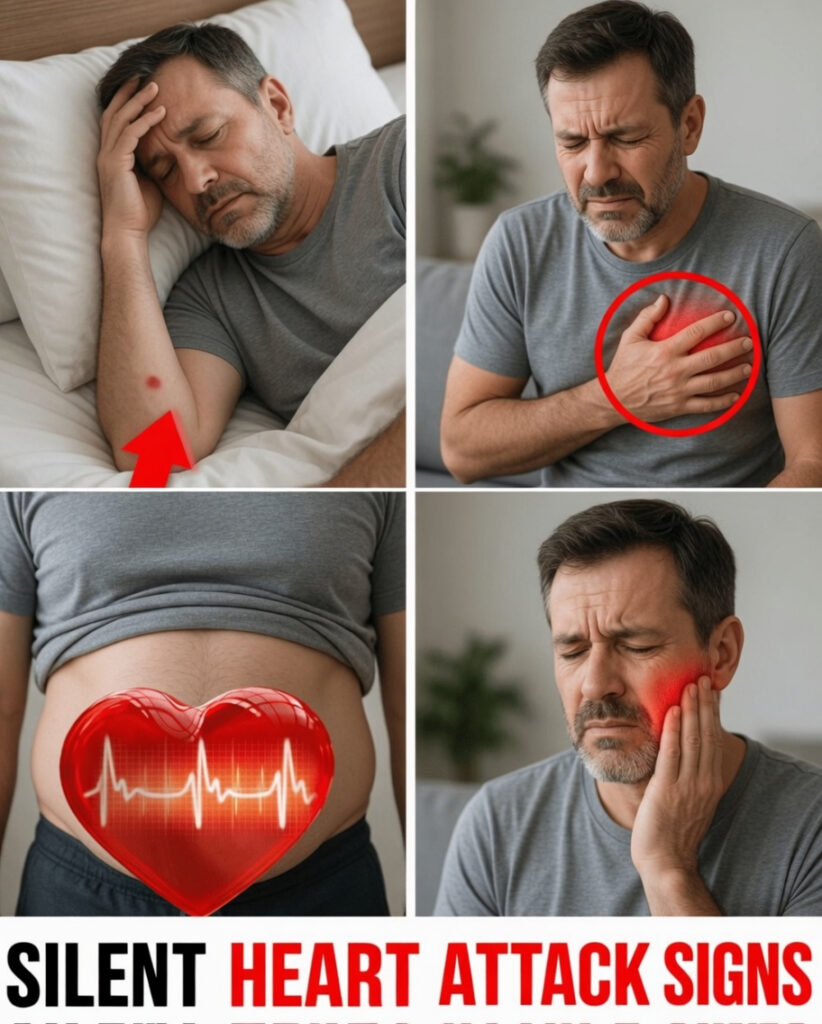
Subtle Signs of a Silent Heart Attack You Should Never Ignore
Imagine waking up unusually drained and assuming you just slept poorly. Or maybe you notice a dull ache in your back and blame it on housework, exercise, or bad posture. While these symptoms may seem harmless, they can sometimes point to something far more serious: a heart attack without the classic crushing chest pain.
That is what makes silent heart attacks so dangerous. The warning signs are often easy to brush aside, especially when life is hectic and stress levels are high. Many people delay getting help because the symptoms do not seem urgent. Learning to recognize these quieter signals can help you respond sooner and protect your long-term heart health.
And yes, one of the most surprising signs is something even experienced doctors may occasionally miss.
What Is a Silent Heart Attack?
A silent heart attack, or silent myocardial infarction, happens when blood flow to part of the heart becomes blocked, damaging heart tissue without the dramatic symptoms most people expect.
Although many assume heart attacks are always obvious, that is not the case. According to findings referenced by major organizations such as the American Heart Association, as many as 1 in 5 heart attacks may go unnoticed when they occur.
The biggest problem is that the symptoms often resemble common everyday issues, including:
- Tiredness
- Indigestion
- Mild body pain
- Shortness of breath
- General discomfort
Even if the event feels “silent,” the damage to the heart is still real. Left undetected, it can raise the risk of future heart complications.
Why Silent Heart Attacks Are Often Missed
There are several reasons these heart events are overlooked.
Not everyone experiences heart trouble in the same way. Women, older adults, and people with diabetes are especially likely to have unusual symptoms instead of severe chest pain. In people with diabetes, nerve damage may reduce pain sensation, making a heart attack harder to feel.
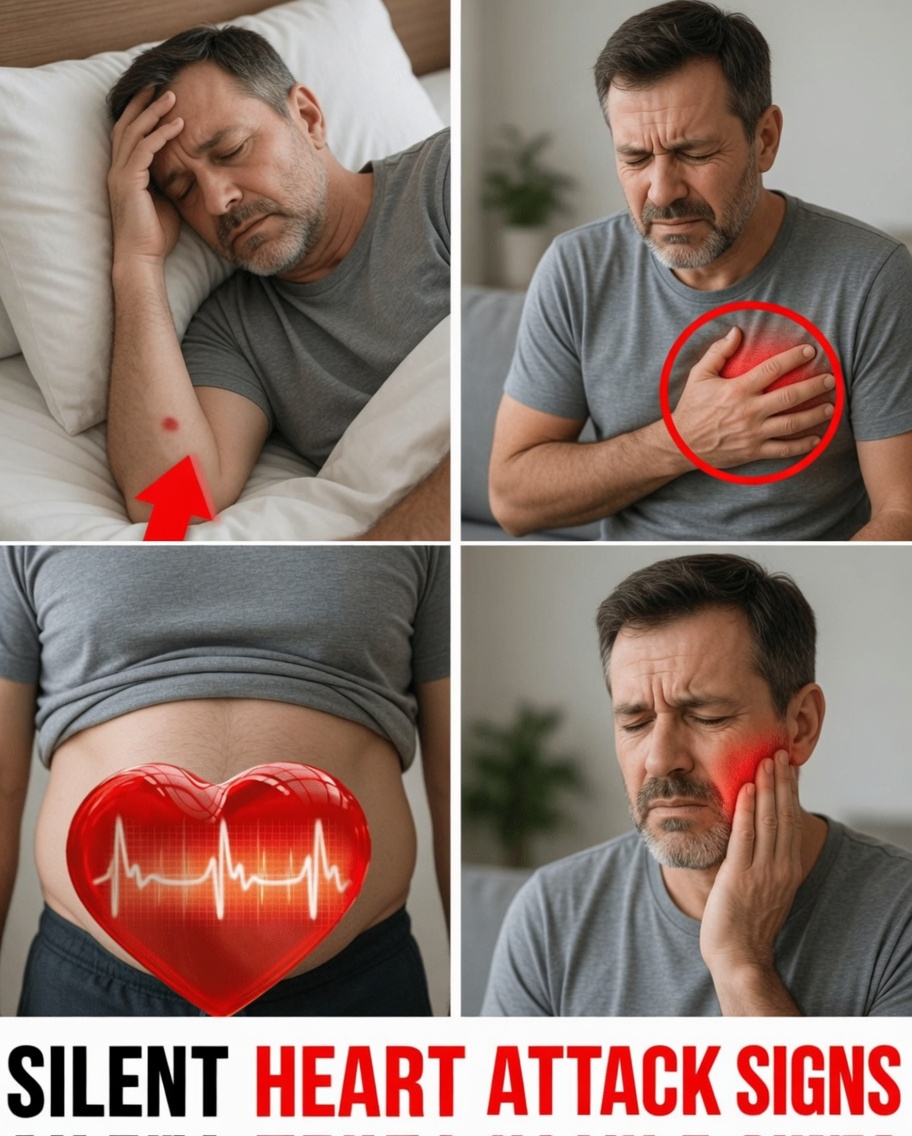
Daily life also plays a role. Many people are used to pushing through exhaustion, discomfort, or nausea without stopping to question the cause. On top of that, movies and television have shaped a narrow image of heart attacks as sudden, dramatic, and impossible to ignore.
In reality, silent heart attacks can leave behind scar tissue that may only be discovered later through medical tests such as an EKG. That is why regular health screenings matter so much.
Sign #1: Sudden, Unusual Fatigue
One of the most overlooked warning signs is extreme tiredness that seems out of proportion to your activity.
You may feel exhausted after simple tasks like:
- Walking up a short flight of stairs
- Getting dressed
- Making breakfast
- Getting out of bed
This is not the normal fatigue that comes after a busy day. It tends to feel deeper, more persistent, and harder to explain. Experts from institutions like Mayo Clinic have highlighted unusual fatigue as a common but easily dismissed symptom, especially in women.
If your energy drops suddenly for no clear reason, your heart may be struggling to pump efficiently.
Helpful step: Track your energy level for several days. If the fatigue is new, intense, or persistent, discuss it with a healthcare provider.
Sign #2: Nausea, Indigestion, or Upper Abdominal Pain
That uneasy, unsettled feeling in your stomach may not always come from food.
Silent heart attacks can cause:
- Nausea
- Vomiting
- Heartburn-like discomfort
- Pain in the upper abdomen
According to specialists at Cleveland Clinic, these symptoms are especially common in women and are often mistaken for the flu, acid reflux, or digestive trouble.
Why does this happen? The heart and digestive system share certain nerve pathways, which means heart distress can sometimes be felt in the stomach instead of the chest.
If antacids do not help and the discomfort continues, it deserves attention.
Helpful step: Keep a brief food and symptom journal. If the discomfort does not match what you ate or keeps returning, seek medical advice.
Sign #3: Shortness of Breath During Rest or Light Activity
If you find yourself struggling to catch your breath while sitting still or doing very little, do not ignore it.
Breathlessness can occur when the heart is not pumping effectively, which may lead to fluid buildup in the lungs. Harvard Health notes that shortness of breath is one of the more common non-traditional signs of a heart attack.
This symptom is often blamed on:
- Anxiety
- Allergies
- Aging
- Poor fitness
- Stress
But if it is new, unexplained, or getting worse, it should be evaluated.

Helpful step: Pay attention to changes in your breathing during everyday activities. If simple movements suddenly feel harder, contact a medical professional.
Sign #4: Pain in the Back, Neck, or Jaw
Heart-related discomfort does not always stay in the chest. Sometimes it shows up in other parts of the upper body, including the:
- Upper back
- Neck
- Shoulders
- Jaw
UCLA Health has noted that pain radiating to the back or jaw is an uncommon but real sign of heart trouble. Because these areas are frequent sites of referred pain, people often mistake the symptom for muscle strain, tension, poor posture, or dental issues.
The truth is that the nerves involved in heart pain can send signals to other areas of the body.
Helpful step: If this discomfort appears suddenly, feels unusual, or does not improve with rest or light stretching, seek medical guidance.
Sign #5: Cold Sweats or Dizziness
Breaking into a cold sweat when you are not exercising and the room is not hot can be a warning signal.
The same goes for:
- Lightheadedness
- Feeling faint
- Sudden dizziness
- A sense that you may pass out
According to CommonSpirit Health, these subtle signs can reflect reduced blood flow and stress on the cardiovascular system. It may feel as though your body has entered fight-or-flight mode for no obvious reason.
What makes this symptom especially concerning is that it can happen even while resting.
Helpful step: Sit down right away, drink water, and check how you feel. If the dizziness or cold sweating returns, get evaluated.
Sign #6: Flu-Like Symptoms or a General Sense That Something Is Wrong
Sometimes a silent heart attack feels less like heart trouble and more like you are getting sick.
Symptoms may include:
- Body aches
- Chills
- Weakness
- General discomfort
- A vague feeling of illness
Franciscan Health explains that silent heart attacks can resemble a flu-like condition, making them particularly hard to identify. Because these symptoms are so nonspecific, many people wait for a fever, cough, or other obvious illness before taking them seriously.
Here is the surprising part: these signs often appear in subtle combinations, especially in people who otherwise seem healthy.
That quiet clustering of symptoms is one reason silent heart attacks are so easy to miss.
Who Is Most at Risk?
Knowing your risk factors can help you stay alert to unusual symptoms.
You may have a higher risk if you have any of the following:
- Age over 50
- Diabetes
- High blood pressure
- High cholesterol
- Smoking habit
- Sedentary lifestyle
- Family history of heart disease
Research suggests that managing these factors through lifestyle changes and regular medical care can lower your chances of future heart problems.
What to Do If You Notice These Symptoms
If you think you may be experiencing signs of a silent heart attack, stay calm but do not ignore them.
Take these steps:
- Stop what you are doing and rest.
- Monitor the symptoms closely.
- If they continue, worsen, or occur together, contact a healthcare provider immediately.
- Seek urgent medical help if you feel severe weakness, trouble breathing, faintness, or pressure in the chest.
- Ask your doctor whether keeping aspirin on hand is appropriate for you, and only use it as medically directed.
Regular screening is also important. Routine checks for blood pressure, blood sugar, and cholesterol can help detect hidden risks before they lead to damage.

Daily Habits That Support Heart Health
Healthy routines can make a major difference over time. Consider these heart-friendly habits:
- Eat a balanced diet with plenty of fruits, vegetables, and whole grains
- Get at least 150 minutes of moderate exercise each week
- Reduce stress through meditation, hobbies, or relaxation techniques
- Aim for 7 to 9 hours of sleep per night
- Avoid smoking
- Limit alcohol intake
Studies consistently show that these habits can improve cardiovascular function and reduce the risk of heart disease.
Silent Heart Attack vs. Classic Heart Attack
Here is a simple comparison that shows why awareness matters.
| Aspect | Silent Heart Attack | Classic Heart Attack |
|---|---|---|
| Symptoms | Mild or unusual, such as fatigue, nausea, or breathlessness | Severe chest pain with more obvious discomfort |
| Recognition | Often dismissed or not noticed at all | Usually recognized quickly because symptoms are intense |
| More common in | Women, older adults, people with diabetes | Can affect anyone, but symptoms are often more dramatic |
| Outcome | Can cause hidden heart damage | More likely to receive immediate treatment |
Final Thoughts
Silent heart attacks may not announce themselves loudly, but they can still cause serious and lasting harm.
The six signs to watch for are:
- Unusual fatigue
- Nausea or indigestion
- Shortness of breath
- Pain in the back, neck, or jaw
- Cold sweats or dizziness
- Flu-like symptoms or general malaise
Paying attention to these subtle symptoms can help you respond faster and make better decisions about your health. If something feels off, it is always safer to get it checked.
FAQ
What should I do if I think I had a silent heart attack?
Watch your symptoms carefully and seek medical evaluation as soon as possible. A doctor may recommend tests such as an EKG, blood work, or other heart assessments.
Are silent heart attacks more dangerous than regular heart attacks?
They can be dangerous because the damage may go unnoticed and build over time. The good news is that early detection can reduce the risk of future complications.
How can I help prevent a silent heart attack?
Focus on the risk factors you can control:
- Maintain a healthy diet
- Exercise regularly
- Manage blood pressure, cholesterol, and blood sugar
- Avoid smoking
- Keep up with routine medical checkups