Night Leg Cramps: Why They Happen and Simple Ways to Find Relief
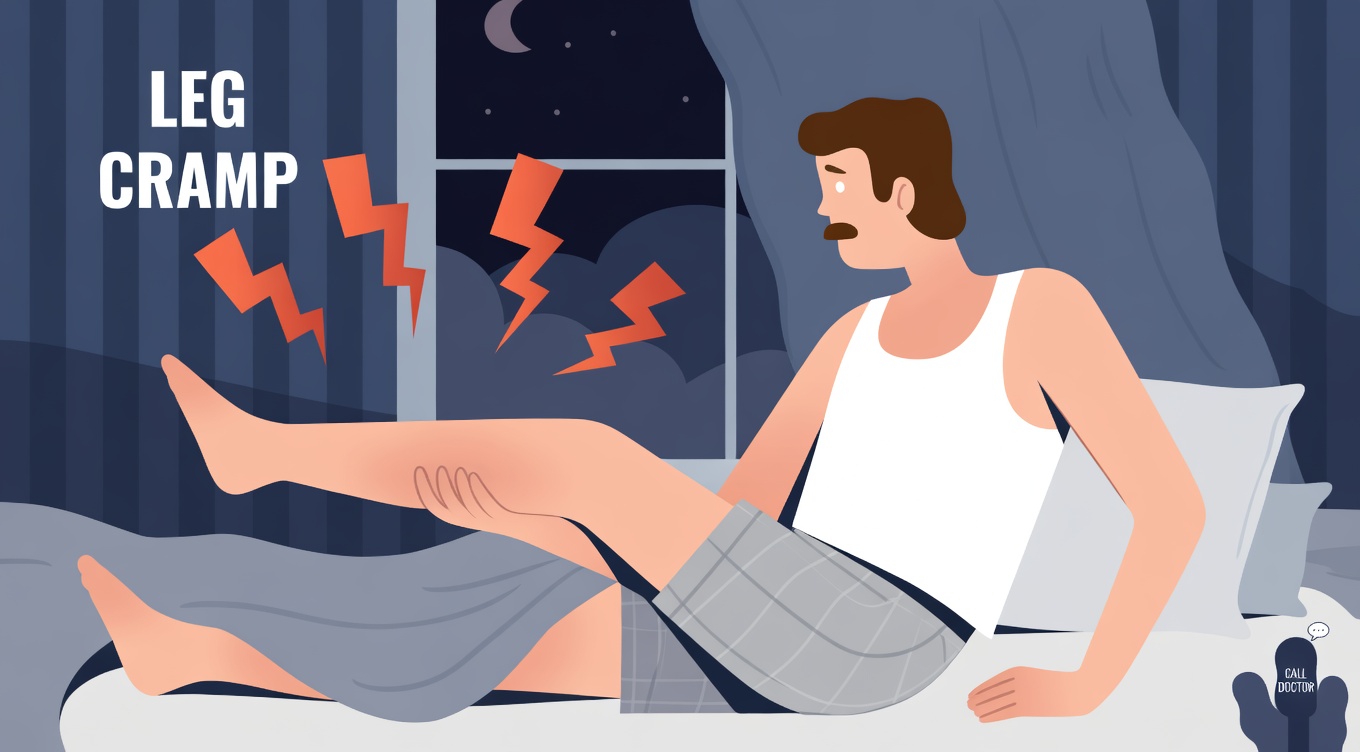
Many adults are suddenly pulled out of sleep by the intense, gripping pain of a nighttime leg cramp. The calf is most often affected, though the thighs and feet can cramp too, tightening hard and refusing to relax for what feels far longer than it actually is. These episodes can leave lingering soreness into the next day, reducing comfort, concentration, and the sense of being truly rested.
For people who deal with frequent leg cramps at night, the impact goes beyond a few painful moments. Broken sleep adds stress to busy routines and can make restorative rest feel difficult to achieve. That is why so many people are now looking at simple daily habits that may help support muscle comfort and lower the chances of these unwelcome nighttime cramps. And interestingly, some of the most common triggers behind leg cramps at night are often easier to address than many expect.
Understanding Nocturnal Leg Cramps and Their Effect on Sleep
Nocturnal leg cramps are sudden, involuntary muscle contractions that happen during rest, often without warning. They commonly affect the calves, but they may also involve the thighs or feet. A cramp may last only a few seconds or continue for several minutes, and the muscle can remain tender afterward, making it uncomfortable to walk or even shift position in bed the following morning.
When these cramps happen regularly, the repeated sleep disruption can gradually lead to fatigue and reduced physical comfort during the day. Even though they may feel alarming, leg cramps at night are quite common, especially with age. Many people also notice them more during times of increased physical activity, stress, or changes in routine. In many cases, understanding the cause starts with looking at everyday habits rather than assuming something severe is wrong.

Common Reasons for Leg Cramps at Night
Night leg cramps are often linked to subtle changes in hydration, muscle function, or nerve activity that become more noticeable when the body is resting. Even mild dehydration or shifts in electrolyte balance can make muscles more likely to tighten suddenly during the night. Spending long hours sitting or standing earlier in the day may also contribute to muscle fatigue that later shows up as cramping.
Many people experience leg cramps at night more often after age 50. Natural changes in circulation, mobility, and muscle recovery may all play a part. Research on muscle physiology suggests that these patterns appear frequently in broad population studies, although there is not one single explanation that applies to every case.
Factors often associated with nighttime leg cramps include:
- Dehydration or electrolyte imbalance — Proper fluid and mineral levels help muscles function normally.
- Muscle fatigue or overuse — Daily activity can build tension that becomes more obvious by bedtime.
- Changes in circulation — Reduced or altered blood flow during rest may play a role.
- Certain medications — Some commonly prescribed drugs are mentioned in wellness discussions for their possible side effects.
These are some of the main reasons leg cramps at night remain a frequent topic in conversations about practical lifestyle support.
Step-by-Step Stretches to Ease Night Leg Cramps
One encouraging thing about leg cramps at night is that a few gentle movements can often help. These stretches can be done either before bed as prevention or during a cramp to reduce discomfort.
Try this simple routine:
- Sit on the edge of the bed with your legs straight out in front of you when a cramp begins.
- Flex the foot of the affected leg toward your shin and hold the position for about 10 to 30 seconds.
- Stand and lean against a wall for a slow calf stretch, keeping the back leg straight.
- Repeat on the opposite side if needed to keep both legs balanced.
- Breathe slowly and massage the tight muscle gently once the cramp begins to release.
- Practice this before bedtime regularly, even on nights when you are not cramping.
A helpful tip is to keep a towel nearby. Looping it around the foot can make it easier to pull the toes back gently during a cramp. With regular practice, many people find these movements soothing and easier to do quickly.

What Research Says About Leg Cramps at Night
Population-based studies suggest that adults who stay well hydrated and keep up light daily movement often report fewer nighttime leg cramp episodes. Research into muscle physiology and electrolyte balance also points to the importance of fluids and minerals in supporting normal muscle activity over time.
Wellness literature further notes that gentle stretching before bed may help reduce the muscle tightness connected to leg cramps at night. While research is still ongoing and not every trigger has been fully explained, experts often describe these habits as supportive parts of a healthy routine rather than instant solutions.
The main message is clear: small but consistent actions, such as improving hydration and staying gently active, may help support muscle comfort during sleep.
Practical Tips to Help Reduce Leg Cramps at Night
A few simple changes to your daily and evening routine can provide steady support and may reduce the frequency of nighttime cramping.
Helpful habits to consider:
- Drink water throughout the day — Steady hydration may help prevent fluid-related muscle tightening.
- Choose mineral-rich foods — Bananas, nuts, leafy greens, and similar foods can support electrolyte balance.
- Stretch before bed — Even a brief 5-minute routine may reduce tension before sleep.
- Keep your legs warm — Socks or a light blanket may support circulation and comfort.
- Avoid staying in one position too long — Regular movement during the day may help prevent muscle fatigue.
- Pay attention to persistent symptoms — If leg cramps happen often or become more severe, speak with a healthcare professional.
Some people also find it helpful to elevate their feet slightly while sleeping to encourage better circulation and improve nighttime comfort.

Frequently Asked Questions About Night Leg Cramps
How long do leg cramps at night usually last?
Most nighttime leg cramps pass within a few minutes, but the muscle soreness that follows can remain for several hours.
Can food choices help reduce leg cramps at night?
Many people find that foods rich in potassium and magnesium help support overall muscle function and may lower the likelihood of nighttime cramps.
When should I speak with a doctor?
You should consider medical advice if leg cramps at night become frequent, regularly disturb your sleep, or appear along with other unusual symptoms or physical changes.
A Simple Approach to Fewer Night Leg Cramps
In many cases, leg cramps at night are tied to everyday factors rather than a single hidden cause. That makes them especially responsive to small, practical habits such as better hydration, gentle stretching, and more regular movement. These simple steps can support more comfortable muscles, better sleep, and easier mornings for people dealing with nocturnal leg cramps.
The real key is consistency. Lasting improvement usually comes from repeating supportive habits over time, keeping routines balanced, and checking in with a healthcare professional when needed. There is rarely an overnight fix, but thoughtful daily care can make a real difference.
If you want to start somewhere, begin with one easy stretch tonight and see how your evenings change over time.