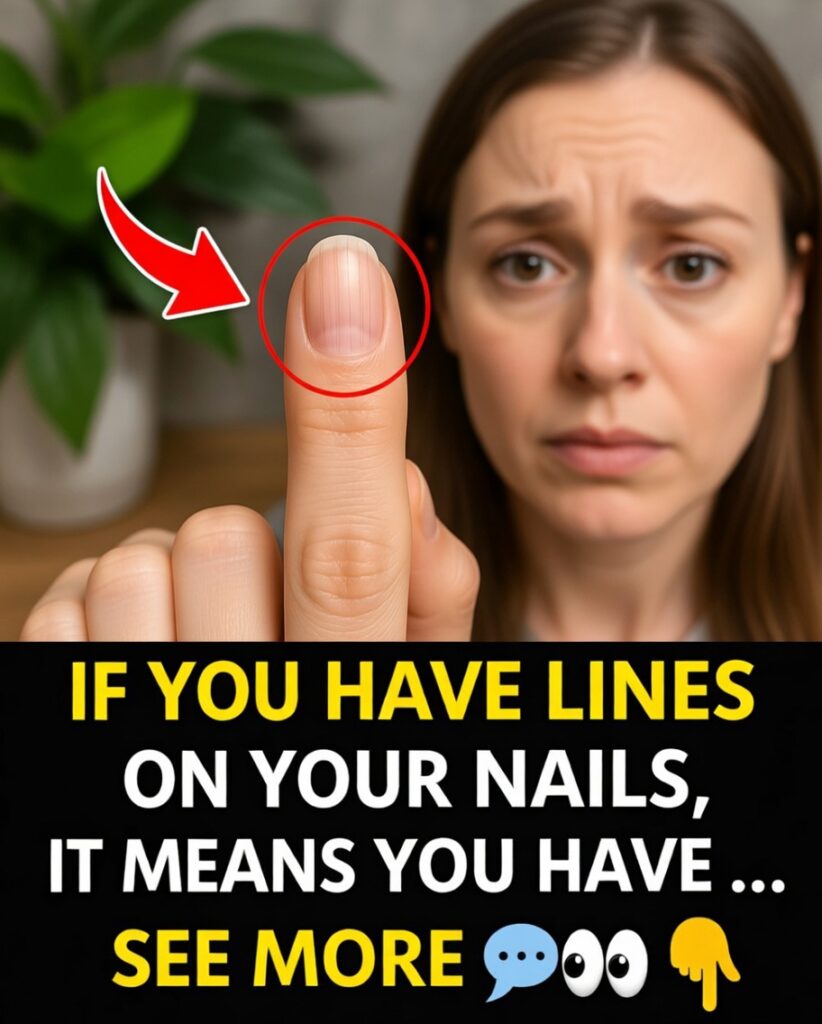
What the Lines on Your Fingernails Really Mean (and How to Smooth Them Naturally)
You might notice yourself gazing at your hands one day and spotting faint lines running along your fingernails. At first, they’re easy to ignore. But when the days pass, the ridges remain, and your nails start looking less smooth than before, it’s natural to wonder: are these just signs of aging, or is my body trying to tell me something?
Seeing changes in your nails can feel frustrating, especially when you care about how your hands look and want them to appear neat and well cared for. The encouraging part is that those lines often carry simple, useful clues. Once you understand what they mean, you can build easy daily habits that support stronger, smoother nails — and there’s one surprisingly simple technique most people skip that can noticeably improve nail texture in just a few weeks.
Your Nails as a Window Into Your Health
Fingernails are more than just a cosmetic detail. They grow slowly from the nail matrix under the cuticle, recording tiny shifts in your body over time, almost like a timeline etched in keratin.
Nails are made of keratin, the same tough protein that forms your hair and the outer layer of your skin. When your body experiences brief changes — such as altered cell production, nutrient delivery, or hydration — those moments can show up as visible lines once the nail grows out. In a way, they resemble tree rings that mark different seasons.
Research suggests that changes in nail texture or appearance often relate to everyday factors such as:
- Natural aging
- Hydration status
- Nutrient balance
- General lifestyle patterns
Most of the lines you see are harmless. Still, paying attention to shifts in your nails can help you feel more informed and proactive about your overall well-being.
Why Nails Develop Ridges in the First Place
Because nails grow gradually, any interruption in their normal formation can leave a trace. Dermatologists often describe nails as an “early warning board” for subtle body changes. If your cells slow down production briefly or nutrients arrive less efficiently, that short pause may be recorded as a ridge or groove.
The reassuring news:
Most of these marks reflect normal life events rather than serious problems. But sudden or dramatic changes can highlight lifestyle habits worth improving — and this is where small, consistent adjustments can make a real difference.
Vertical Ridges on Nails: The Most Common Pattern
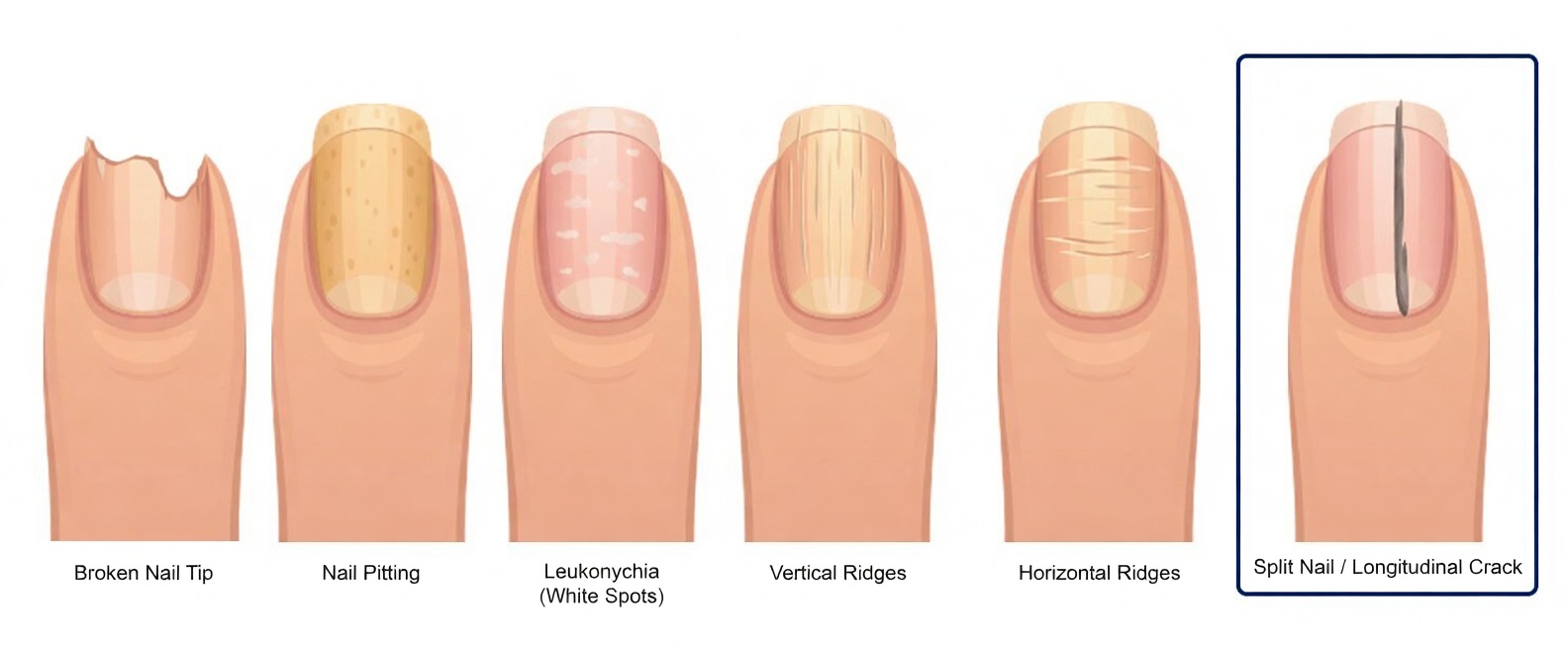
Vertical ridges — sometimes called longitudinal ridges — run from the base (cuticle) toward the tip of the nail. These are the lines most people notice, especially after age 30 or 40.
As we age, the rate of cell turnover naturally slows. Just as fine lines and wrinkles appear on the skin, gentle vertical ridges can become more visible on the nails. That’s a normal part of the aging process, but other everyday factors can make them more pronounced.
Common contributors to vertical ridges on fingernails include:
- Natural aging and slower nail cell renewal
- Dehydration that leaves nails dry and more textured
- Repeated everyday friction from typing, cleaning, or manual tasks
- Genetic tendencies running in families
However, if vertical ridges appear suddenly or become much deeper than usual, they may occasionally hint at broader patterns, such as:
- Iron status and anemia risk
- Vitamin and mineral imbalances
- Circulation issues or other systemic factors
The key is to notice whether these ridges appear alongside other changes, such as:
- Increased brittleness
- Splitting or peeling
- Thinning or thickening of the nail plate
When several signs show up at once, it can be worth a closer look.
Horizontal Lines: What Beau’s Lines Can Reveal
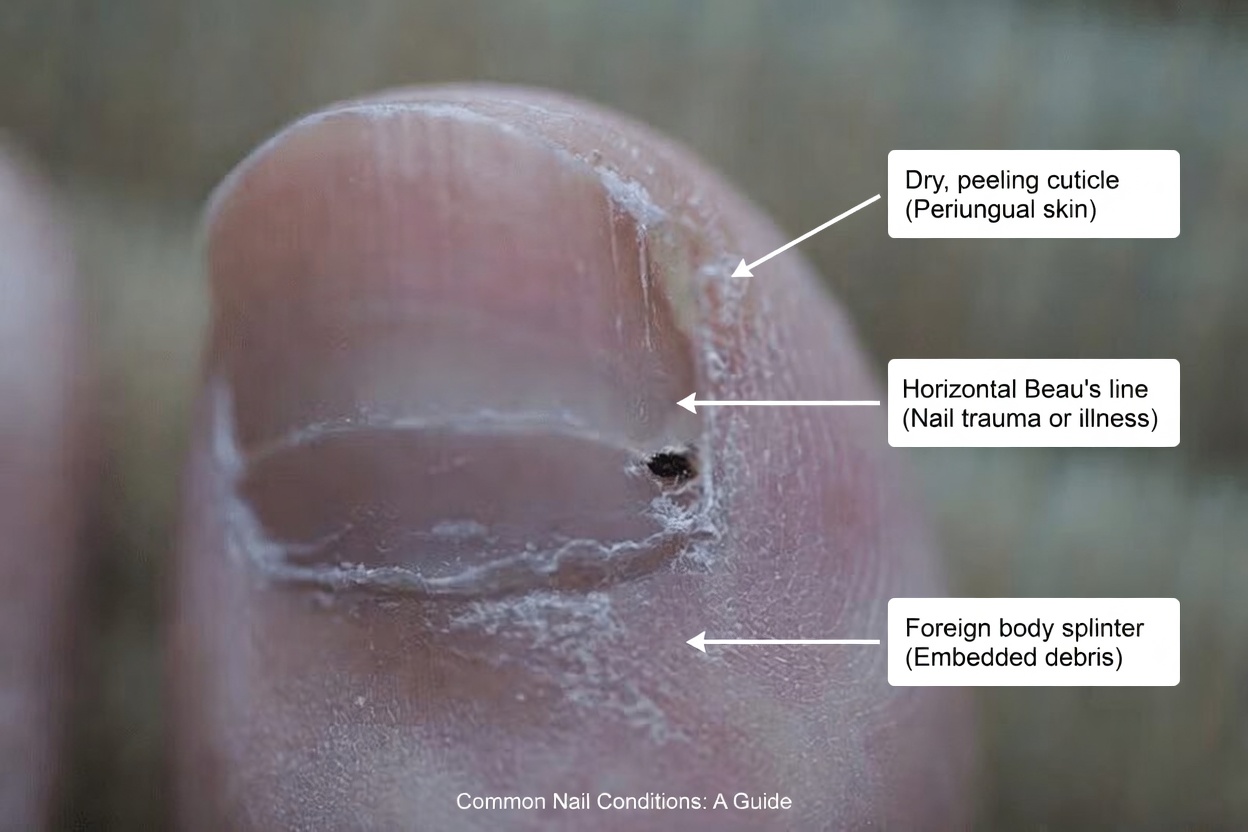
Lines that run horizontally across the nail — from side to side — are different. These are often referred to as Beau’s lines. They look like shallow grooves, indentations, or depressions crossing the nail plate.
Unlike vertical ridges, Beau’s lines usually occur when nail growth temporarily slows down or pauses.
Health experts explain that this brief pause in nail production can follow:
- A period of high fever or significant illness
- Major physical stress (such as surgery or trauma)
- Short-term nutritional gaps, especially low zinc
- An injury or pressure near the nail matrix (the growth area at the base of the nail)
Because nails grow at an average rate of about 3 millimeters per month, Beau’s lines often appear weeks or even months after the triggering event. In that sense, they act as a delayed snapshot of what your body went through at a specific time.
When Lines Come With Color Changes or Other Clues
Sometimes ridges or grooves appear together with changes in nail color or shape. You might notice:
- White spots or streaks
- Yellowing or discoloration
- Darker brown or black bands
- Thickening, crumbling, or spoon-shaped nails
Most minor color variations or faint spots are harmless, but dermatologists emphasize that sudden dark brown or black vertical streaks under the nail should be evaluated, especially if they:
- Affect only one nail
- Are new or changing
- Are accompanied by nail distortion or discomfort
Similarly, nails that become unusually thick, spoon-shaped, or extremely brittle can sometimes reflect underlying health issues or nutrient absorption problems. Instead of panicking, think of these as useful signals prompting you to check in with a professional if needed.
Simple Daily Habits for Smoother, Stronger Nails
The positive side of all this is that you have plenty of control over daily nail health. You don’t need expensive treatments to support smoother nails and reduce the appearance of lines — consistent small habits are incredibly effective.
Consider adding these nail-friendly practices to your routine:
-
Eat a nutrient-rich, balanced diet
Include iron-rich foods (such as leafy greens, lentils, and lean meats), along with biotin sources like eggs, nuts, and seeds. Proteins, healthy fats, and a variety of colorful vegetables all support keratin production. -
Stay hydrated throughout the day
Your nails can reveal dehydration surprisingly quickly. Sip water regularly instead of drinking large amounts all at once. -
Moisturize cuticles and nails daily
Massage a drop of natural oil (coconut, jojoba, sweet almond, or argan oil) into your cuticles and nail surface each evening. This helps lock in moisture and support a smoother texture over time. -
Protect your hands from harsh chemicals
Wear gloves when washing dishes, cleaning, or handling detergents and solvents. Many household products dry out the nail plate and cuticle, exaggerating ridges. -
Give your nails breaks from polish and enhancements
Continuous use of nail polish, gel, or acrylics can weaken the top layers of the nail. Schedule polish-free weeks so the natural nail can recover.
The Often-Overlooked Habit: Gentle Nail Buffing
One simple technique makes a noticeable difference for many people: gentle buffing.
Once a week (or every other week if your nails are delicate):
- Use a soft, fine-grit buffer (not a harsh file).
- Glide it lightly over the nail surface in one direction.
- Aim to smooth minor ridges, not to thin the nail.
Done correctly, this can:
- Even out small surface irregularities
- Create a smoother, shinier look
- Reduce how visible some lines appear
Many people report seeing an improvement in nail texture within about a month of adding careful, limited buffing to their routine.
Deep Grooves or Multiple Lines on Several Nails
Noticing deeper grooves or multiple lines appearing on several nails at once can be unsettling. Research indicates that widespread nail changes sometimes coincide with:
- Periods of higher physical or emotional stress
- Significant illnesses or recovery phases
- Nutrient absorption challenges or dietary gaps
During stressful times, your body naturally prioritizes vital organs and essential functions. As a result, nail growth can temporarily slow or shift, leaving marks that appear later as the nail grows out.
The empowering takeaway:
By supporting your body with better sleep, stress management, and consistent nutrition, you create a healthier environment for your nails to gradually return to their usual growth pattern.
When to Take Nail Changes More Seriously
Most nail lines — especially mild vertical ridges — are entirely normal and tend to increase with age. On their own, they rarely signal serious problems.
However, it’s wise to talk with a healthcare professional or dermatologist if you notice:
- Sudden horizontal lines across several nails at the same time
- New, dark brown or black streaks, particularly on a single nail
- Pain, swelling, or redness around the nail bed
- Nails that become extremely brittle, crumbly, or distorted
- Repeated nail changes along with fatigue, hair loss, or other symptoms
A brief medical evaluation can provide clarity, rule out concerning causes, and give you customized guidance.
Final Thoughts: Reading the Story Your Nails Are Telling
Your fingernails might seem like small details, but they quietly reflect how your body moves through daily life.
- Vertical ridges usually mirror natural aging, mild dryness, or genetics.
- Horizontal ridges (Beau’s lines) often mark times when your body was under stress, sick, or in need of extra support.
By noticing these subtle changes without alarm, you give yourself a chance to respond with care rather than worry. Hydration, nutrition, protection, and gentle nail care can all help future nail growth appear smoother, stronger, and healthier.
Start with simple steps: drink enough water, nourish your body well, moisturize your cuticles, and protect your hands. Over time, these small, consistent choices add up — and your nails will quietly show the results.
Your hands work hard for you every day. Giving them a little extra attention is not vanity; it’s one more way to take kind, practical care of yourself.
FAQ
Are vertical lines on fingernails usually a cause for concern?
In most cases, no. Vertical ridges on fingernails are very common, especially as you get older. They often become more noticeable with age, dryness, or frequent hand use. They usually aren’t dangerous unless they:
- Appear suddenly and dramatically
- Come with significant brittleness, splitting, or pain
- Are accompanied by other worrying changes in your health
If you’re unsure, a quick conversation with a dermatologist or healthcare provider can offer reassurance.
What typically causes horizontal grooves across nails?
Horizontal grooves, or Beau’s lines, usually develop after nail growth is temporarily interrupted. Common triggers include:
- A recent illness with high fever
- Major physical or emotional stress
- Surgery or serious injury
- Short-term nutritional deficiencies (especially low zinc)
- Trauma or pressure near the base of the nail
As your nails grow out, those grooves move toward the tip and eventually grow off. They often serve as a timeline showing when your body was under stress.
How can I support smoother nails without expensive treatments?
You can improve nail health and reduce the appearance of ridges with simple, low-cost habits:
- Drink plenty of water to keep nails and cuticles hydrated.
- Eat a balanced diet rich in protein, iron, biotin, and other key nutrients.
- Moisturize nails and cuticles daily with a nourishing oil or hand cream.
- Wear gloves when cleaning or using drying products.
- Take regular breaks from nail polish, gels, and acrylics.
- Gently buff the surface of your nails once a week with a soft buffer to smooth minor ridges (without over-thinning the nail).
Consistency is more important than perfection. Over time, these straightforward steps can help new nail growth come in stronger, smoother, and healthier-looking.