Many adults become self-conscious about stained teeth, especially when yellowing shows up in photos or during everyday conversations. That brief pause before smiling may seem small, but over time it can chip away at confidence—particularly when favorites like coffee and tea keep leaving marks even with consistent brushing. It’s even more discouraging when store-bought whitening products trigger sensitivity and still don’t deliver lasting results.
The encouraging news is that there are natural ways to whiten teeth using common household items—if you choose methods that are gentle and enamel-friendly. Below, you’ll learn what may help, what’s unlikely to work, what to use cautiously, and the daily habits that reduce new staining so results last.
Teeth Stains: Why They Happen and Why They Affect Confidence
Surface discoloration often builds up slowly from everyday choices such as:
- Coffee and tea
- Red wine
- Deep-colored foods and sauces
For many people, these gradual changes lead to feeling self-conscious about stained teeth, avoiding close-up shots or holding back a full laugh in social situations.

The good point: most common discoloration is extrinsic staining (on the outer surface), which can improve with consistent care. The priority is to protect enamel while lifting buildup—because overly aggressive “quick fixes” can backfire.
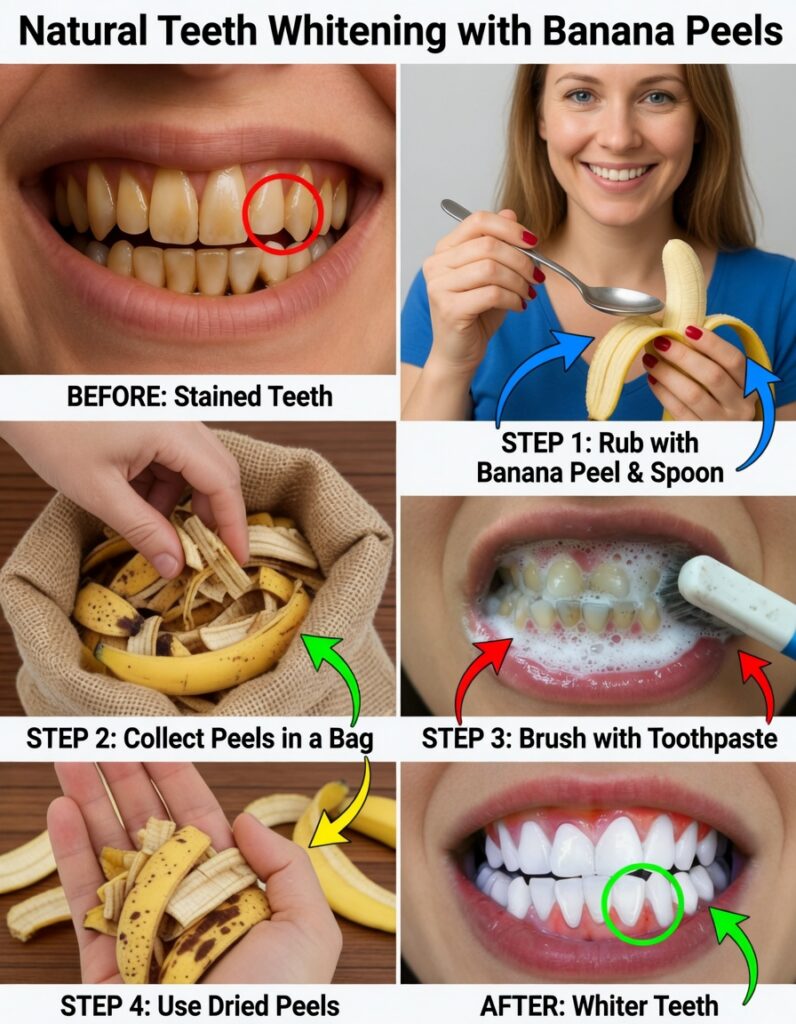
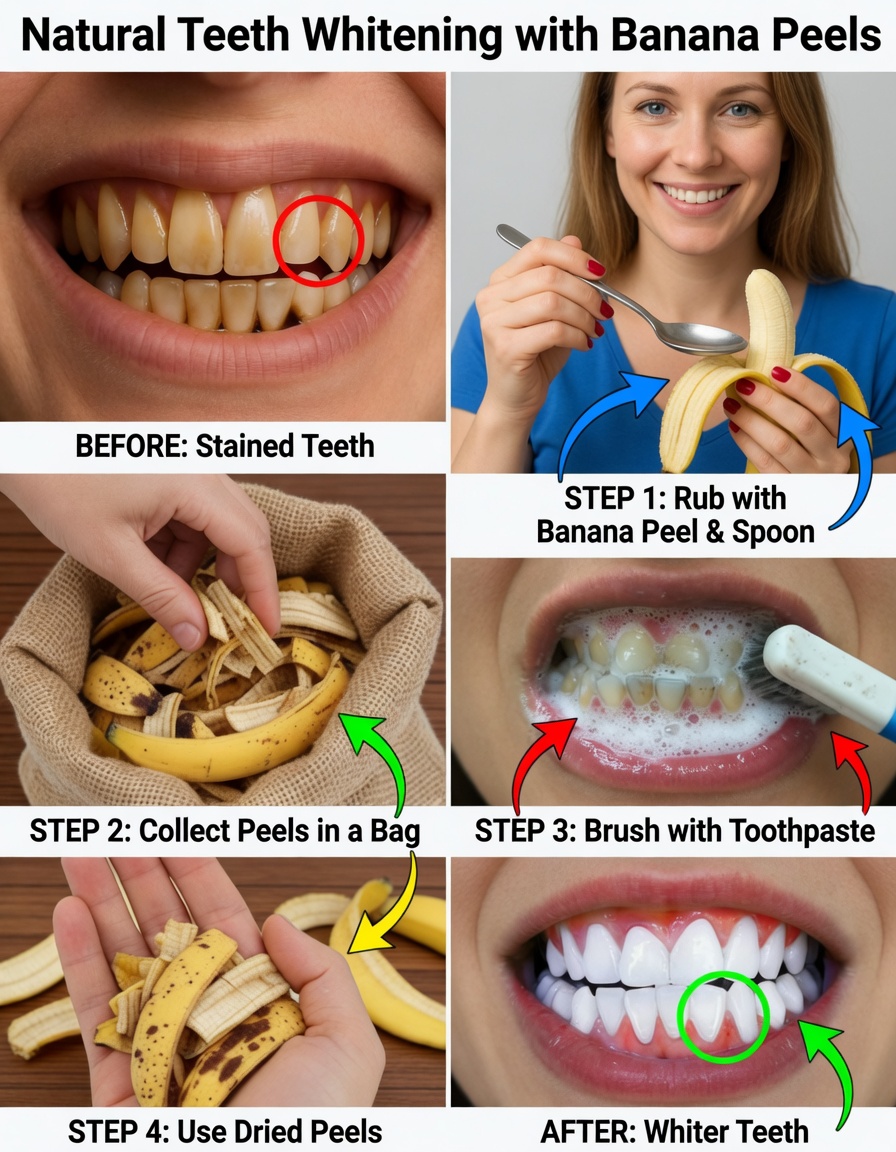
Banana Peel Rubbing: Safe, But Results Are Modest
One popular home trend is rubbing the inside of a ripe banana peel on teeth for a few minutes.
The theory is that banana peels contain minerals (like potassium and magnesium) that may help “polish” the surface. Some people notice their teeth feel smoother afterward, which can slightly reduce the appearance of minor surface dullness.

However, evidence suggests banana peel rubbing has little true whitening impact by itself. It’s generally harmless and low-risk, but it’s unlikely to deliver dramatic changes if you’re very self-conscious about stained teeth.
Oil Pulling: A Gentle, Traditional Method With Oral Health Benefits
Oil pulling involves swishing about a tablespoon of coconut oil or sesame oil for roughly 10–20 minutes (or less if you’re new to it).
This practice may help by reducing plaque and bacteria that contribute to surface staining. Many people also report fresher breath and a gradual brightening effect without the sensitivity often caused by harsher whitening products.
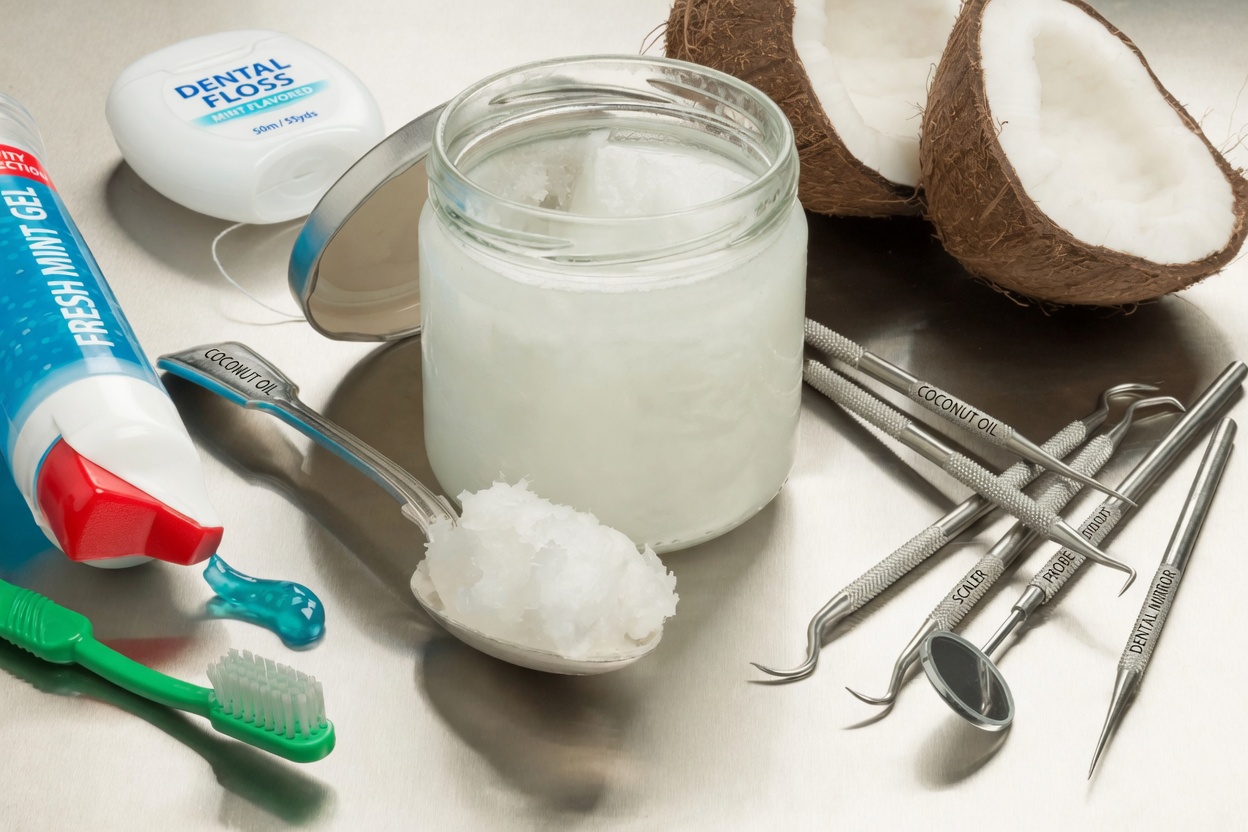
While clinical evidence is limited, existing research supports oil pulling as a safe oral care habit that can improve overall mouth health—making it a reasonable option for those seeking natural ways to whiten teeth slowly and gently. If 20 minutes feels like too much, start with 5 minutes and build up.
Strawberry and Malic Acid: Use Occasionally, Not Daily
Another common approach is mashing a strawberry and brushing gently with the mixture. Strawberries contain malic acid, which can help lift light surface stains in some cases.
Some users notice subtle brightening after a few uses—especially if stains are mild.

Because this method is acidic, it should be used sparingly:
- Limit to once per week at most
- Rinse thoroughly after using
- Avoid overuse to reduce enamel wear risk
If you already feel self-conscious about stained teeth, enamel damage can make teeth look worse over time, so moderation is essential.
Baking Soda: One of the Most Evidence-Supported Options
Among at-home methods, baking soda is one of the most researched natural ways to whiten teeth. It works through gentle abrasion that helps polish away surface stains without relying on strong bleaching chemicals.
Many dental professionals consider it acceptable when used correctly and not too often.
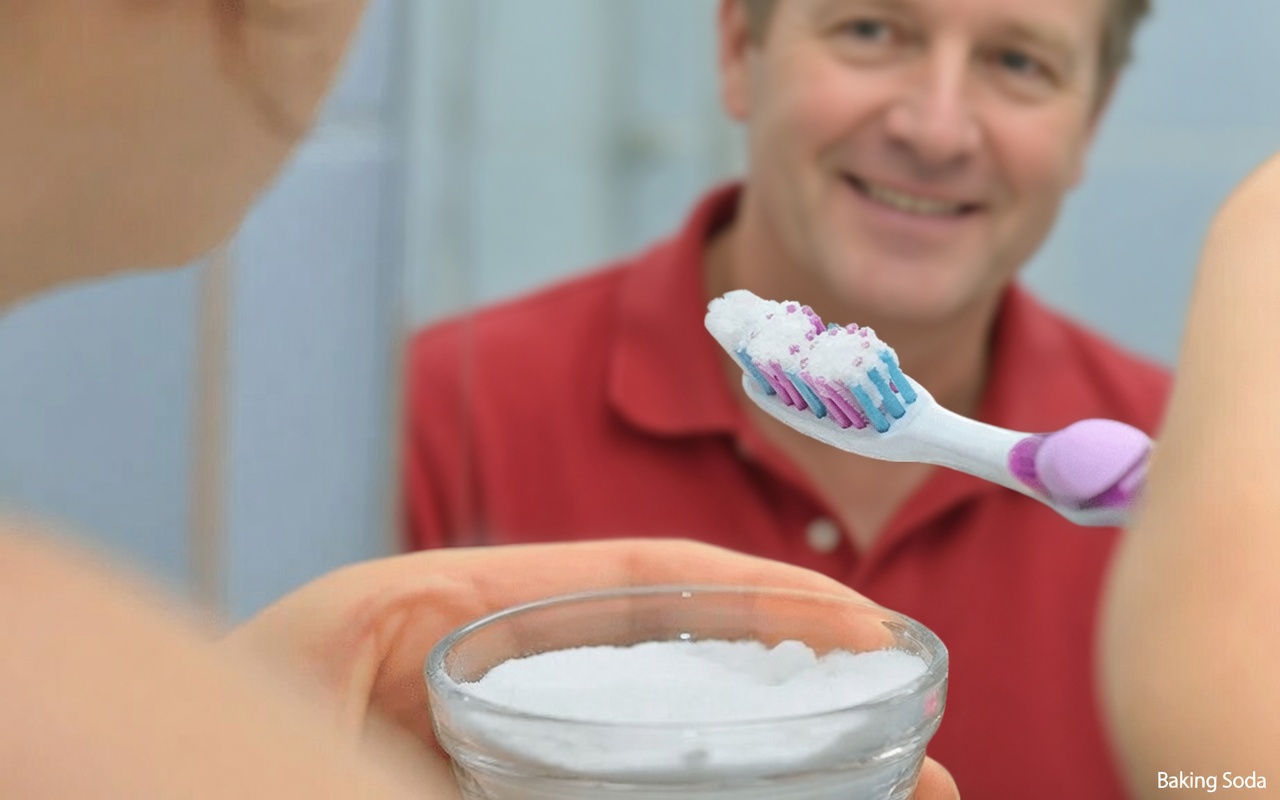
A safer routine:
- Mix 1 teaspoon of baking soda with your regular toothpaste
- Brush gently for 2 minutes
- Use no more than 2–3 times per week
- Rinse well, then brush normally afterward if desired
Studies indicate baking soda can reduce surface discoloration with moderate use, making it a solid option for gradual brightening without increasing sensitivity for many people.
Daily Habits That Prevent New Stains (The Real Long-Term Strategy)
The most sustainable natural ways to whiten teeth aren’t only about removing stains—they’re also about preventing them from returning.
Helpful, realistic habits include:
- Use a straw for staining drinks to reduce tooth contact
- Rinse with water after coffee, tea, or wine
- Snack on crunchy produce (like apples) that can lightly scrub the tooth surface
- Brush gently twice a day and floss once daily

These small adjustments help protect your progress and are especially valuable if you’re frequently self-conscious about stained teeth in day-to-day life.
Final Takeaway: Gentle Consistency Builds a Brighter Smile
Natural whitening works best when it’s slow, safe, and consistent. A practical approach for many people is combining:
- Oil pulling as a daily oral-care habit
- Baking soda brushing occasionally (not daily)
- Smart prevention tactics to reduce new stains
With time, many people notice subtle improvements within a few weeks—often enough to smile more freely and stop second-guessing in photos.
Frequently Asked Questions
-
How long do natural ways to whiten teeth take to work?
Most gentle methods show gradual changes in about 2–4 weeks with consistent use. Results depend on the type and severity of stains and daily habits. -
Are natural ways to whiten teeth safe if I have sensitivity?
Often yes—especially options like oil pulling and gentle brushing. If sensitivity is an issue, avoid frequent acidic methods (such as repeated strawberry treatments). -
Can natural whitening replace professional whitening?
Natural approaches can support daily stain management but may not match professional whitening for deeper discoloration. Many people combine professional care with safer at-home habits.
Disclaimer: This content is for informational purposes only and does not replace professional dental advice. Speak with a dentist before starting new oral care routines, particularly if you have existing dental conditions.