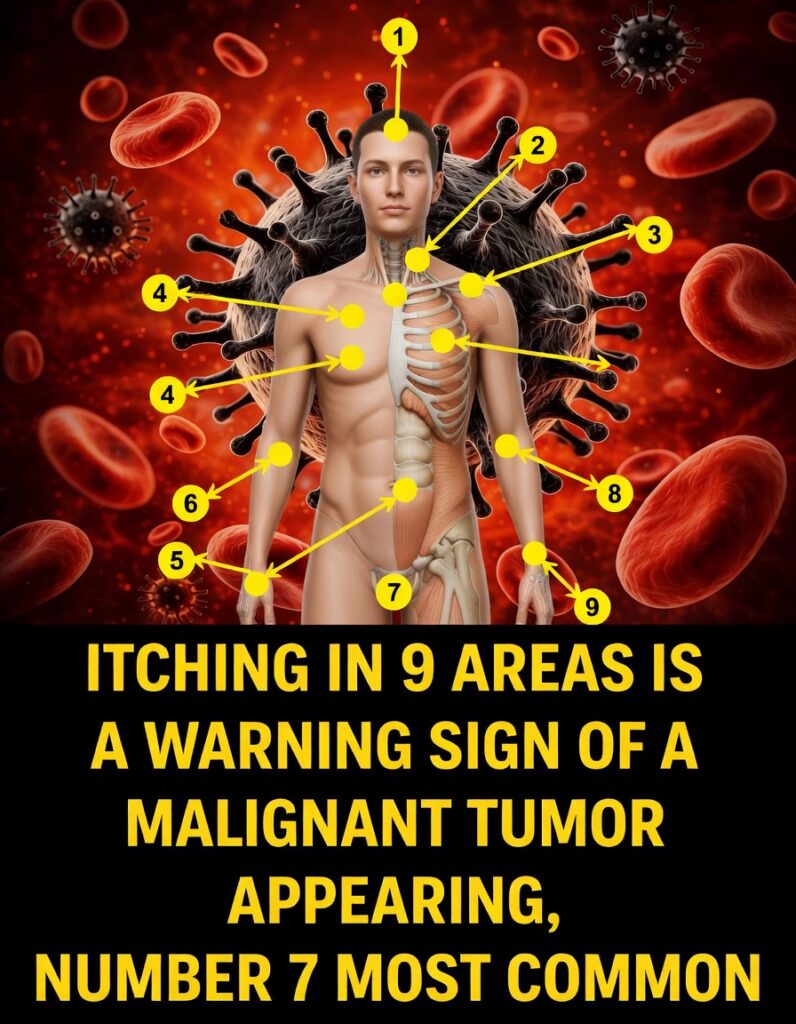
Persistent Unexplained Itching in Midlife: 9 Key Areas to Notice
As you move through your 40s and beyond, persistent unexplained itching in unusual places can quietly wear you down. What begins as a minor irritation can start to disturb sleep, affect your focus, and raise worries about what might be going on beneath the surface. Many people find that this itch lingers despite moisturizers and creams, chipping away at confidence, comfort, and energy.
In a small minority of cases, chronic itching with no obvious cause can be linked to underlying health issues, including certain cancers, according to medical research. However, the vast majority of persistent unexplained itching is due to far more common and benign problems such as dry skin, allergies, eczema, or irritants.
The reassuring news: knowing what to watch for—and where—can help you stay calm while acting wisely. Below are 9 body areas doctors sometimes pay closer attention to, plus straightforward steps you can take right now.
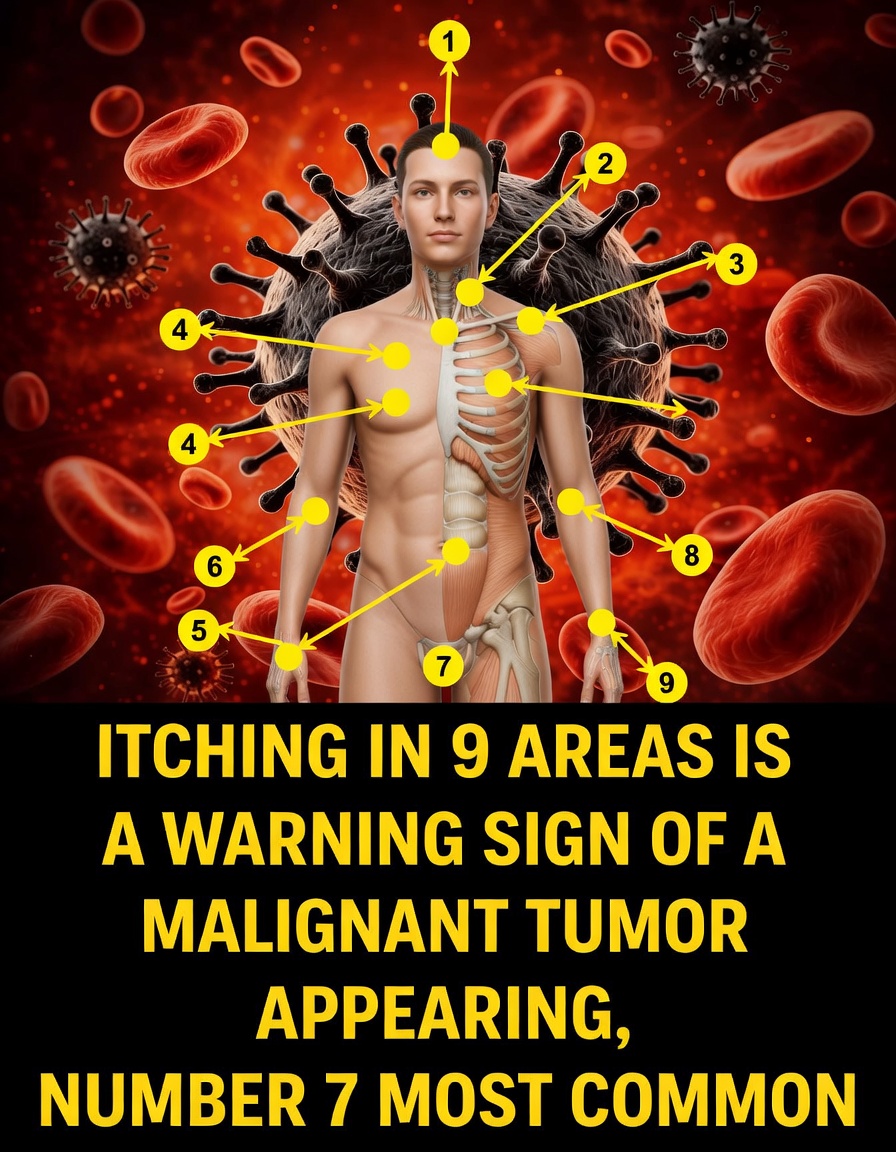
Understanding Persistent Unexplained Itching and Its Possible Links
Persistent unexplained itching (also called chronic pruritus) is worth noticing because, while usually harmless, it can occasionally be a clue to broader changes in the body. Large cancer centers such as MD Anderson and Dana-Farber have reported that in rare cases, itch without a clear skin cause may be associated with blood cancers or internal organ problems.
For adults over 40, that possibility can feel especially unsettling, particularly when the itch:
- Does not respond to typical treatments
- Persists for weeks
- Starts to interfere with daily life or sleep
Research suggests that fewer than 2% of long-lasting itch cases are linked to malignancy. Still, recognizing the patterns and locations helps you decide when to monitor, when to adjust your routine, and when to see a doctor.
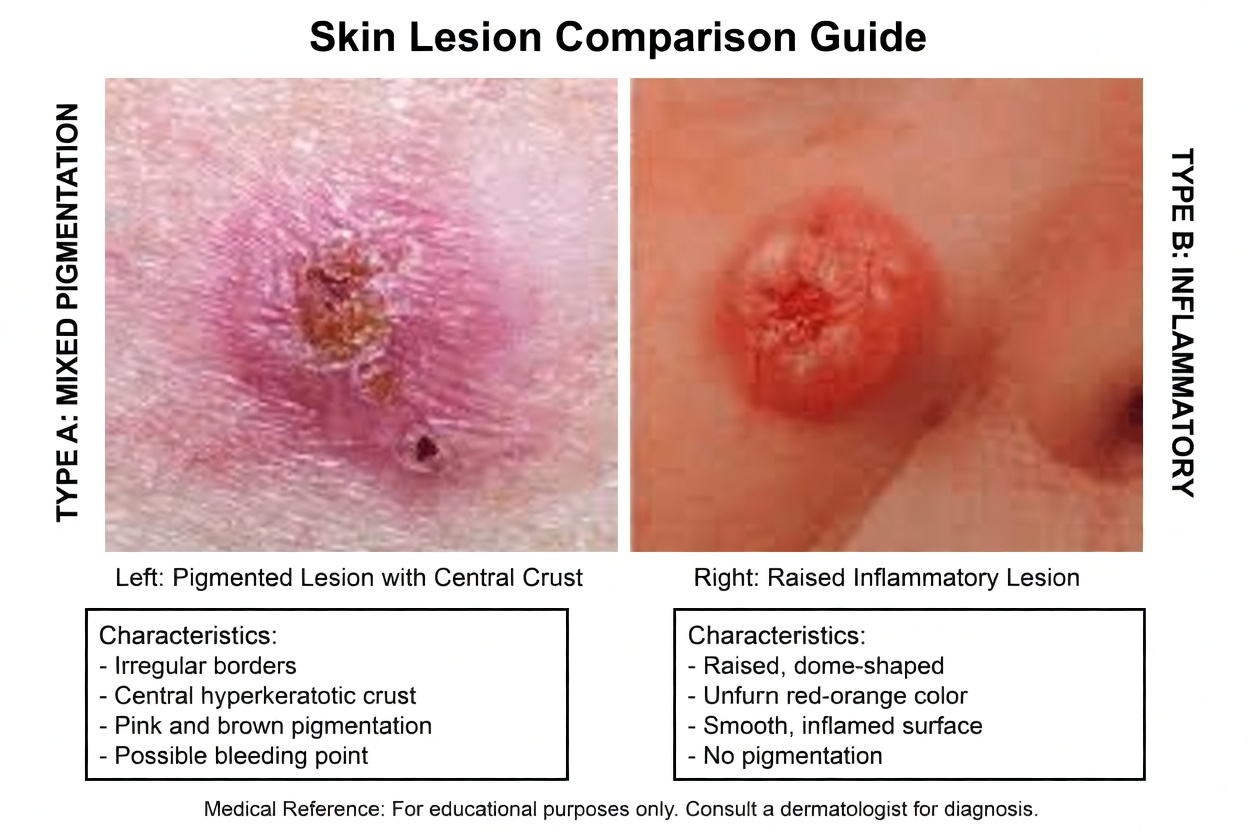
Why Location of Persistent Itching Matters in Midlife
Chronic itch often begins subtly. You may first notice it when drying off after a shower or changing clothes. In most situations, the cause is straightforward—dry skin, eczema, contact with a new detergent, or seasonal allergies.
However, medical reviews have shown that in rare circumstances, certain itch patterns may appear alongside systemic or paraneoplastic changes (effects of cancers elsewhere in the body), even when the skin itself looks mostly normal.
Looking at where the itching happens can help you:
- Describe your symptoms more clearly to your doctor
- Notice whether the pattern is local or widespread
- Decide how quickly to seek medical advice
Below are the 9 areas most often discussed in clinical contexts, listed from least to most commonly mentioned in relation to systemic conditions.
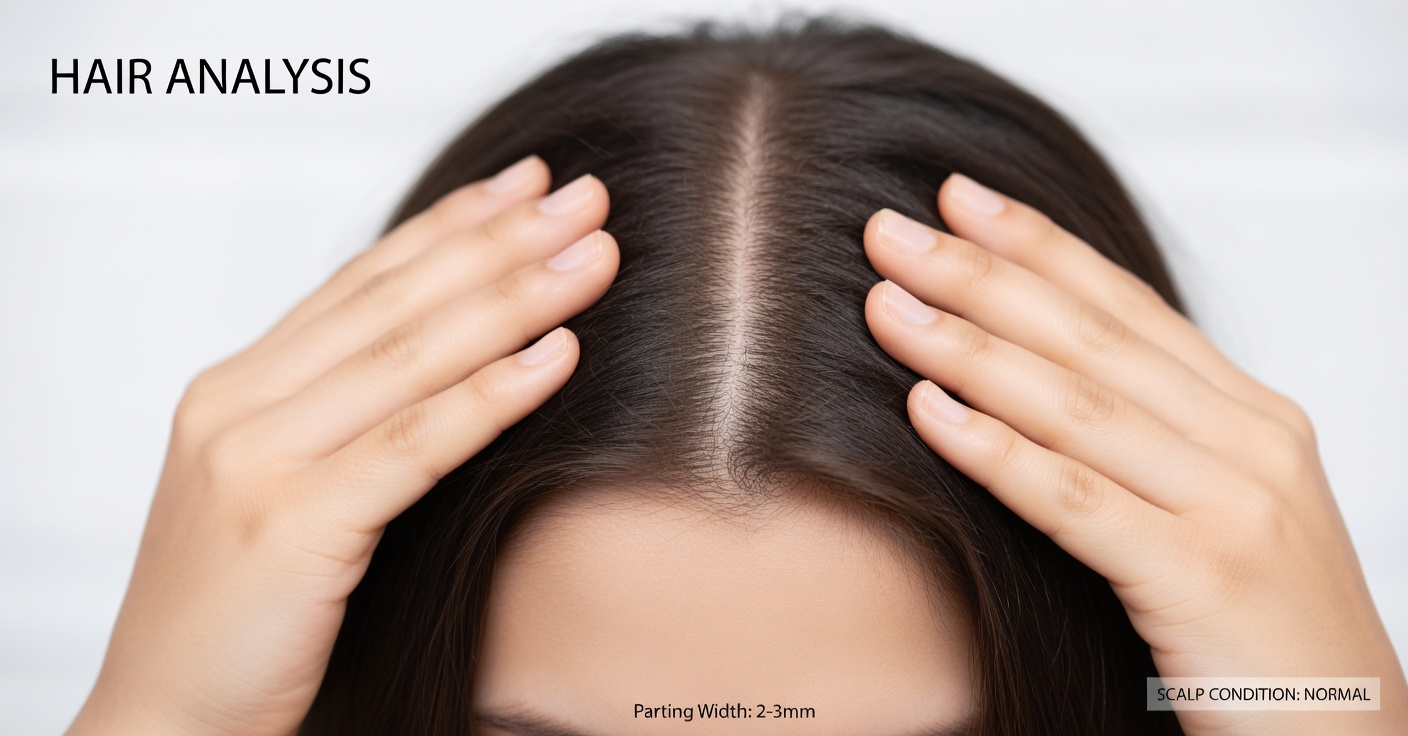
Area #9: The Scalp – Occasionally Noted in Rare Conditions
Persistent unexplained itching on the scalp can be especially distracting during work, social events, or while trying to relax. In medical literature, scalp itch has very rarely been seen alongside blood or neurological problems. Still, in everyday practice, almost all cases come down to:
- Dry scalp
- Dandruff (seborrheic dermatitis)
- Psoriasis
- Hair products or hair dye irritation
Example:
Mark, 52, dealt with ongoing scalp itch for months and kept assuming it was just dandruff. When he finally mentioned it to his doctor—along with some unrelated concerns—basic tests quickly ruled out anything serious. A targeted shampoo routine solved the itch, and his anxiety dropped overnight.
Area #8: The Face and Neck – Localized Itch Worth Watching
Itching on the face or neck without an obvious rash is often a sign of localized skin irritation. Common causes include:
- Allergic reactions to cosmetics, sunscreen, or skincare products
- Eczema or sensitive skin
- Fragrance or fabric contact (scarves, collars)
Dermatology studies note that, rarely, persistent itch in these areas may be associated with certain skin-related conditions or localized disease. But allergies and irritants remain by far the most frequent explanation.
Example:
Sarah, 48, noticed a persistent itch around her cheeks and jawline along with feeling unusually tired. She booked an appointment early. Her evaluation identified a benign skin sensitivity and mild stress-related fatigue. With a new skincare routine and some lifestyle adjustments, both her symptoms and worries eased quickly.
Area #7: The Palms and Soles – Most Frequently Cited in Liver-Related Cases
Itching on the palms of the hands and soles of the feet stands out because, among the 9 areas, this pattern is most often discussed in relation to liver and bile (biliary) problems. In rare instances, clinical reports link palm and sole itch to:
- Cholestasis (reduced or blocked bile flow)
- Certain liver diseases
- Occasional associations with malignancy-related liver involvement
These areas deserve special attention when itch is:
- Worse at night
- Accompanied by jaundice (yellowing of skin or eyes)
- Linked with fatigue, dark urine, or pale stools
That said, far more common triggers include:
- Dry skin
- Eczema
- Contact with irritants or chemicals
Example:
John, 55, developed an intense nighttime itch on his palms that gradually spread to his soles. Concerned, he saw his physician, who ordered liver function tests. The results revealed a treatable, non-cancer liver issue. Early detection allowed prompt treatment, restoring his comfort and peace of mind.

Area #6: The Back – Hard-to-Reach Itch, Occasionally Linked to Internal Issues
Persistent unexplained itching on the back can feel especially relentless because it is so difficult to reach and scratch. Most of the time, the source is simple:
- Dryness or aging skin
- Friction from clothing or labels
- Muscle tension or nerve irritation
- Heat and sweat buildup
Some studies, however, have noted that back itching—particularly when persistent and unexplained—can occasionally appear along with internal organ concerns or nerve-related conditions in uncommon scenarios.
Example:
Lisa, 61, noticed a chronic itch in the middle of her back that seemed to appear alongside some mild weight changes. She decided to track her symptoms and saw her doctor. After a full workup, no serious cause was found. Hydrating her skin, adjusting her clothing fabrics, and improving posture eased the itch significantly.
Area #5: The Chest – Can Prompt Skin and Breast Awareness
Itching on the chest area can cause understandable concern, especially for people who worry about heart or breast health. Fortunately, most chest itch is related to:
- Dry skin
- Friction from bras or tight clothing
- Laundry detergents or fabric softeners
- Mild inflammatory skin conditions
In rare cases, medical literature notes links between chest itch and inflammatory or localized conditions, but benign causes are far more common. Still, chest itch can be a helpful reminder to perform self-checks of the skin and, for women, breast tissue.
Example:
David, 59, experienced a stubborn chest itch that made him uneasy. He scheduled a dermatologist visit rather than guessing. A simple exam and a change in skincare products cleared the problem, and the reassurance made a big difference to his mental well-being.
Area #4: The Arms – Commonly Itchy, Seldom Systemic
Persistent unexplained itching on the arms is extremely common and usually tied to everyday factors such as:
- Contact dermatitis (reaction to soaps, lotions, metals, plants)
- Sun exposure
- Dryness from climate or frequent washing
Only rarely is arm itch part of a systemic picture in medical reports, and even then, benign skin causes dominate the list.
Example:
Maria, 47, kept scratching the backs of her arms and added the symptom to her health notes. During a routine visit, she mentioned it to her doctor, who quickly identified an allergy to a new laundry detergent. After switching products and using a gentle moisturizer, her itch resolved and her daily comfort returned.

Area #3: The Torso – Central Zone for Widespread Itch Patterns
When itching spreads across the torso—stomach, sides, and lower chest—it can feel more alarming because it seems more generalized. Common triggers include:
- Sweating, heat, and tight clothing
- New soaps, body washes, or lotions
- Changes in hormones or weight
- Dry or sensitive skin
In some medical sources, persistent torso itching without a clear skin cause has been described in association with blood disorders and other systemic issues, though this remains uncommon.
Example:
Tom, 64, began noticing generalized torso itch along with night sweats. Instead of ignoring it, he consulted his doctor. A thorough evaluation quickly clarified the cause, and treatment put his mind at ease. His experience highlights how early conversation can relieve both symptoms and fear.
Area #2: The Legs – Often Related to Circulation and Dryness
Persistent unexplained itching on the legs is one of the most frequent complaints among adults. Everyday causes include:
- Dry, flaky skin (especially in winter)
- Varicose veins or venous insufficiency
- Shaving irritation
- Tight socks or clothing
Medical literature also records rare paraneoplastic or blood-related associations when leg itch appears within a broader systemic picture. Still, circulation issues and dryness make up the bulk of cases.
Example:
Anna, 53, struggled with lower-leg itch that worsened after standing all day. Her doctor evaluated her circulation, ruled out serious problems, and recommended compression strategies and better moisturization. Her symptoms eased, and she avoided months of unnecessary anxiety.
Area #1: Generalized Whole-Body Itch – Most Noted in Research
Itching that affects the entire body without an obvious rash is the pattern most frequently referenced in research on conditions like lymphoma. Some studies suggest that up to 30% of patients with certain lymphomas report whole-body itch at some point.
However:
- Generalized itch is still a rare sign of cancer overall.
- It is far more often linked to medications, stress, allergies, kidney or liver issues, or very dry skin.
- Many cases improve with simple lifestyle and skincare changes.
The key is not to panic, but to take full-body itch seriously if it persists or comes with other symptoms such as unexplained fatigue, weight loss, fevers, or night sweats. Whole-body awareness often prompts people to seek timely medical advice and get clarity.
Persistent Unexplained Itching Locations at a Glance
Use this summary to frame conversations with your healthcare provider:
| Area | Common benign causes | Rare possible associations (per studies) | Suggested action |
|---|---|---|---|
| Scalp | Dandruff, dry scalp, psoriasis | Certain blood or neurological disorders | Track how long it lasts |
| Face / Neck | Allergies, eczema, cosmetic reactions | Localized skin changes or conditions | Moisturize, simplify products, monitor |
| Palms / Soles (#7) | Dry skin, eczema, irritants | Liver or bile flow problems, cholestasis | See a doctor if persistent or severe |
| Back | Dryness, clothing friction, sweat | Occasional internal organ or nerve signals | Note other symptoms and duration |
| Chest | Fabric irritation, dry skin, detergents | Inflammatory or localized conditions | Perform self-checks and consult if ongoing |
| Arms | Contact dermatitis, sun, dryness | Rare systemic associations | Try topical care first, then seek advice |
| Torso | Sweating, tight clothing, soaps | Possible blood-related issues in uncommon cases | Get a full check if it persists |
| Legs | Poor circulation, varicose veins, dryness | Venous problems or rare systemic links | Elevate legs and see a doctor if needed |
| Whole body | Medications, stress, very dry skin | Lymphoma or other systemic disease (rare) | Seek prompt care if with other red flags |

Simple Steps to Take When Persistent Unexplained Itching Appears
You do not need advanced tools to start managing chronic itch. Begin with these practical steps:
-
Keep a symptom log
Record where the itch occurs, how intense it feels, how long it lasts, and what seems to trigger or relieve it for at least 2 weeks. -
Moisturize consistently
Use a thick, fragrance-free moisturizer right after bathing to lock in moisture and support the skin barrier. -
Rethink bathing habits
Avoid very hot showers or baths and harsh soaps, as they can strip natural oils and make persistent unexplained itching worse. -
See your doctor promptly when appropriate
Book an appointment if the itch:- Lasts more than 4 weeks
- Is severe or worsening
- Comes with fatigue, unexplained weight loss, fevers, or jaundice
-
Share a full medical history
Mention medications, recent infections, new products, and any other symptoms. Simple blood tests or basic imaging are often enough to clarify the cause.
Many people get clear answers—and reassurance—within one visit once they provide a detailed history.
Quick Tips for Easing Persistent Unexplained Itching
- Ask your doctor whether an over-the-counter antihistamine is appropriate for you.
- Wear loose, breathable cotton clothing instead of tight or synthetic fabrics.
- Apply cool compresses to particularly itchy spots for short-term relief.
- Stay well hydrated and focus on a balanced, anti-inflammatory diet.
- Do not ignore itching that disturbs your sleep, work, or daily activities—ongoing discomfort is reason enough to seek help.
Taking Control of Persistent Unexplained Itching Today
Persistent unexplained itching in any of these 9 areas can be unsettling, but it does not have to control your mood or your days. From the scalp to the legs to full-body itch, most causes are manageable and benign. The most powerful step you can take is to pay attention, document what you notice, and bring those observations to a healthcare professional.
Start today: jot down your symptoms, note any patterns, and schedule that check-up if the itch is lingering. Early, informed action supports both your physical health and your peace of mind.
P.S. If your itching is getting worse at night or is accompanied by other concerning symptoms, seek medical advice promptly rather than waiting it out.