

Many people wake up exhausted even after getting a full night of sleep. If your energy feels unstable and those late-morning crashes keep happening, blood sugar may be one of the factors on your mind. With work, family, and daily responsibilities piling up, trying to eat well and stay healthy can quickly feel confusing. So much advice exists that even simple choices can become stressful. One easy habit gaining attention is drinking a warm cup of sage tea before bed. And by the end of this article, you’ll know a simple way to add it to your nightly routine that could help you feel better in the morning.
What Is Sage Tea and Why Do People Drink It at Night?
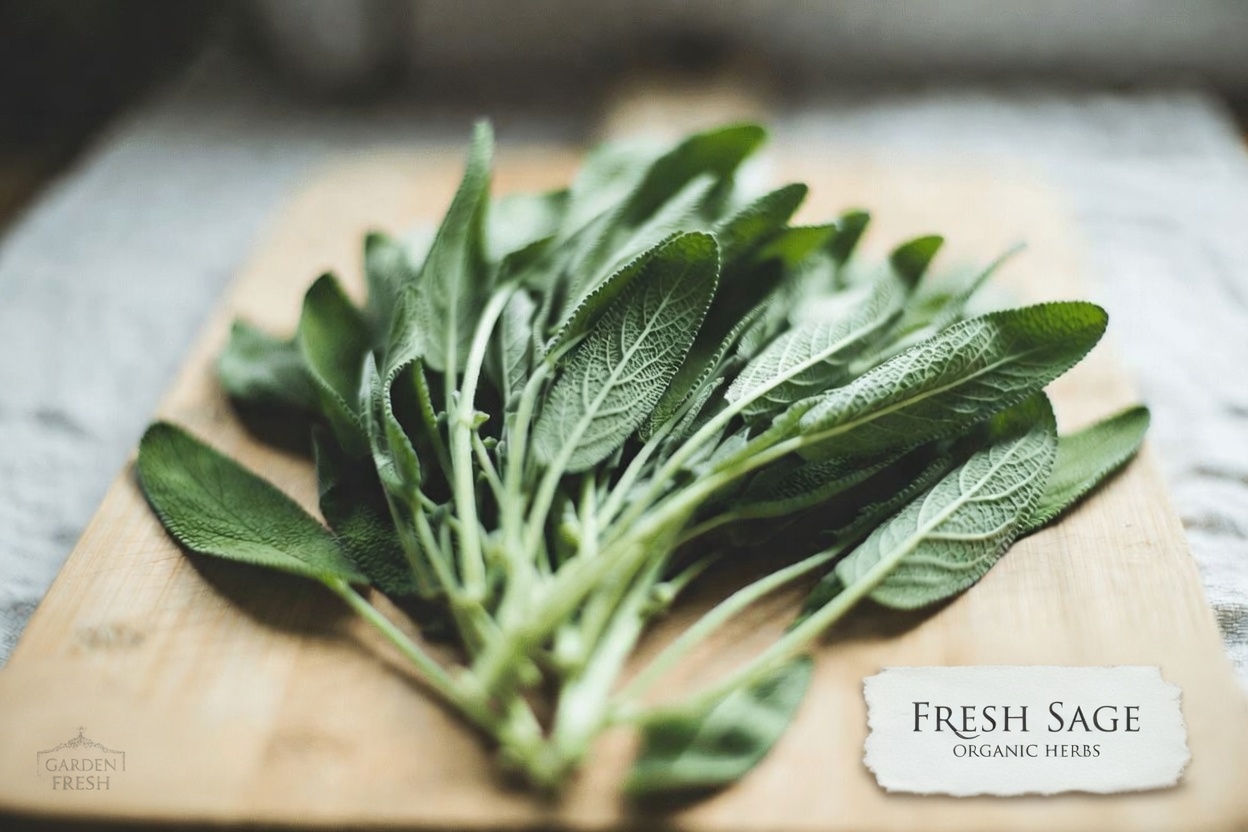
Sage tea is made from the leaves of Salvia officinalis, the same fragrant herb often used in cooking, from roasted vegetables to savory stuffing. For generations, it has been prepared as a comforting herbal tea with a warm, earthy, slightly spicy taste. More recently, it has become popular in wellness circles as a calming nighttime drink, especially for people looking for natural ways to support everyday health.
Its growing popularity is tied to more than flavor or tradition. Interest in sage tea has increased because researchers have started exploring whether compounds in sage may help support healthy blood sugar regulation overnight. It is not a cure or a quick fix, but it has become a topic of interest for those seeking simple habits that fit into a busy lifestyle.
What Research Suggests About Sage Tea and Blood Sugar
This is where things become especially interesting. Several animal and laboratory studies have examined how compounds found in sage may affect glucose metabolism. One study published in the British Journal of Nutrition reported that sage tea produced effects similar to metformin in rat liver cells, helping those cells absorb glucose more effectively under controlled conditions. Small human studies have also shown promising early results. In one trial involving women with polycystic ovary syndrome, regular sage tea intake was linked to modest improvements in fasting blood glucose.
A Healthline review also notes early evidence suggesting that sage extract may support improved blood sugar control in people with type 2 diabetes when used alongside standard medical care. That said, current findings are still considered preliminary. Many studies involve small sample sizes or animal models, and individual responses can differ. Even so, the repeated appearance of similar results is one reason sage tea continues to attract attention.
The most important point is this: sage tea should not replace professional medical treatment, prescriptions, or advice from your doctor. Instead, some people choose to use it as part of a balanced evening wellness routine.
How Sage Tea Can Fit Into a Bedtime Routine
The appeal of sage tea is not only about research. For many people, the warm scent and soothing taste create a relaxing ritual at the end of the day. That simple moment of calm can help signal to the body that it is time to unwind. It also pairs well with healthy bedtime habits such as gentle stretching, reading, or stepping away from screens.
Consistency matters more than doing everything perfectly. Drinking a cup about 30 to 60 minutes before sleep gives your body time to take in the tea’s natural plant compounds while you rest. Since sage tea is naturally free of caffeine, it is also a practical option for the evening without increasing the risk of sleep disruption.
How to Make Sage Tea at Home
Making sage tea is quick, simple, and easy to do at home. Follow these steps:
-
Pick your sage
- Use fresh sage leaves from a garden or store, or choose a good-quality dried organic version.
-
Measure the herb
- Use 1 to 2 teaspoons of dried sage per cup.
- If using fresh leaves, use about 4 to 6 leaves.
-
Heat the water
- Bring filtered water to a gentle boil.
- Let it cool slightly to around 200°F, just below boiling, to help preserve delicate compounds.
-
Steep the tea
- Pour the hot water over the sage.
- Let it steep for 5 to 10 minutes depending on how strong you want the flavor.
-
Strain and drink
- Remove the leaves and sip slowly.
- Add a little lemon or a small amount of honey if desired, but keep sweeteners minimal if you are watching sugar intake.
A helpful tip is to turn tea-making into a mindful moment. Sit quietly, breathe deeply, and enjoy the routine. The consistency of the habit may be just as valuable as the tea itself.
Additional Wellness Benefits of Sage Tea
Although blood sugar support gets the most attention, sage tea may offer other wellness benefits too:
-
Rich in antioxidants
- Sage contains rosmarinic acid and other plant compounds that may help protect the body from everyday oxidative stress.
-
Supports relaxation
- Many people find sage tea calming without making them overly sleepy, which makes it useful before bedtime.
-
May ease digestion
- Traditionally, sage has been used to support digestive comfort after meals.
-
Can support oral freshness
- Some research suggests sage has natural properties that may help freshen breath, though this is more commonly discussed in rinses than in tea.
These added benefits make sage tea feel like more than a single-purpose habit. It can become part of a broader nighttime wellness routine.
Practical Ways to Turn Sage Tea Into a Lasting Habit
Starting a new healthy routine is easier when you make it simple and repeatable. Here are a few useful strategies:
-
Keep it visible
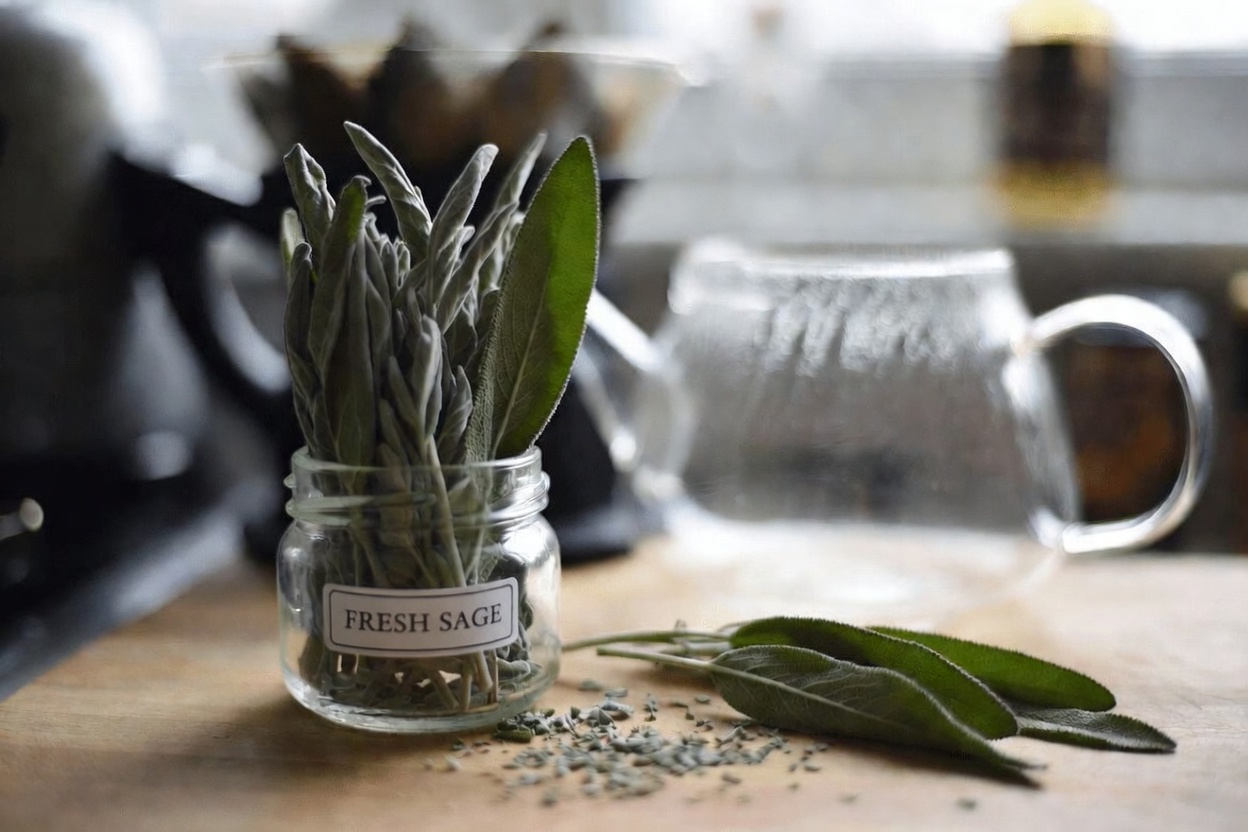
- Store a small jar of dried sage near your kettle or tea station so you remember it each evening.
-
Link it to another habit
- Drink it after your skincare routine, after brushing your teeth, or once the house is locked up for the night.
-
Track your results
- Use a notebook or phone app for two weeks and note how you feel in the morning. Some people report more stable energy when they stick with the habit.
-
Begin gradually
- If a full cup feels like too much at first, start with half a cup and increase slowly.
-
Check with your healthcare provider
- This is especially important if you take medication for blood sugar or any other condition, since herbs may sometimes interact with medications.
Common Questions About Drinking Sage Tea Before Bed
Is it okay to drink sage tea every day?
For most healthy adults, moderate use is generally considered safe, usually around 1 to 2 cups per day. However, anyone who is pregnant, breastfeeding, or managing hormone-sensitive conditions should speak with a doctor first.
When should I drink sage tea for blood sugar support?
A common recommendation is 30 to 60 minutes before bedtime. This timing aligns with how many people use it and with the schedule explored in some early studies.
Can fresh sage be used instead of dried sage?
Yes. Fresh sage works very well and often gives the tea a brighter, cleaner flavor. Use roughly twice the amount of fresh leaves compared with dried sage, and make sure the leaves are washed thoroughly.
Final Thoughts: A Small Habit That May Be Worth Trying
Having one cup of sage tea before bed is a simple, low-effort practice that fits well into modern life. It is inexpensive, easy to prepare, and supported by early research suggesting it may help promote healthy blood sugar balance. It is not a miracle solution, but the blend of traditional use, emerging science, and positive personal experiences makes it an option worth considering.
Try it consistently for a couple of weeks and pay attention to how you feel. Small daily choices often create meaningful improvements over time, especially when they support better balance, steadier energy, and a calmer evening routine.
Disclaimer
This article is provided for informational and educational purposes only. It is not intended to diagnose, treat, cure, or prevent any disease. Always consult a qualified healthcare professional before beginning any new dietary or herbal routine, especially if you have an existing medical condition or take prescription medications. Results can vary from person to person.