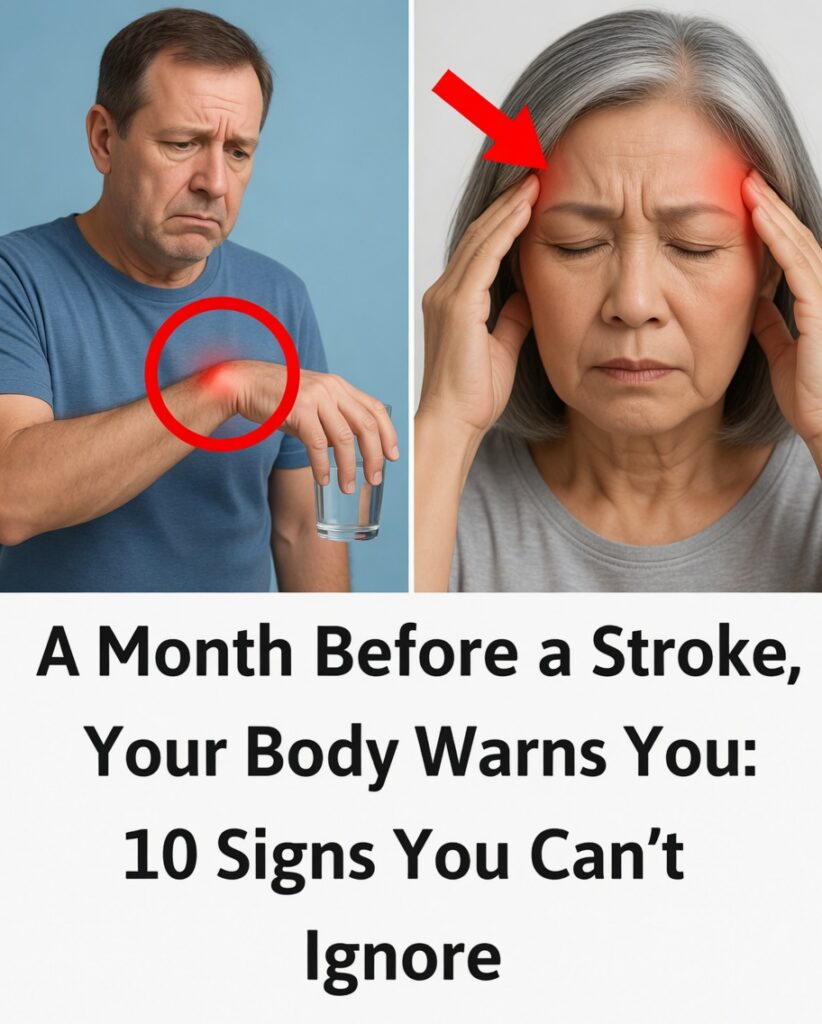
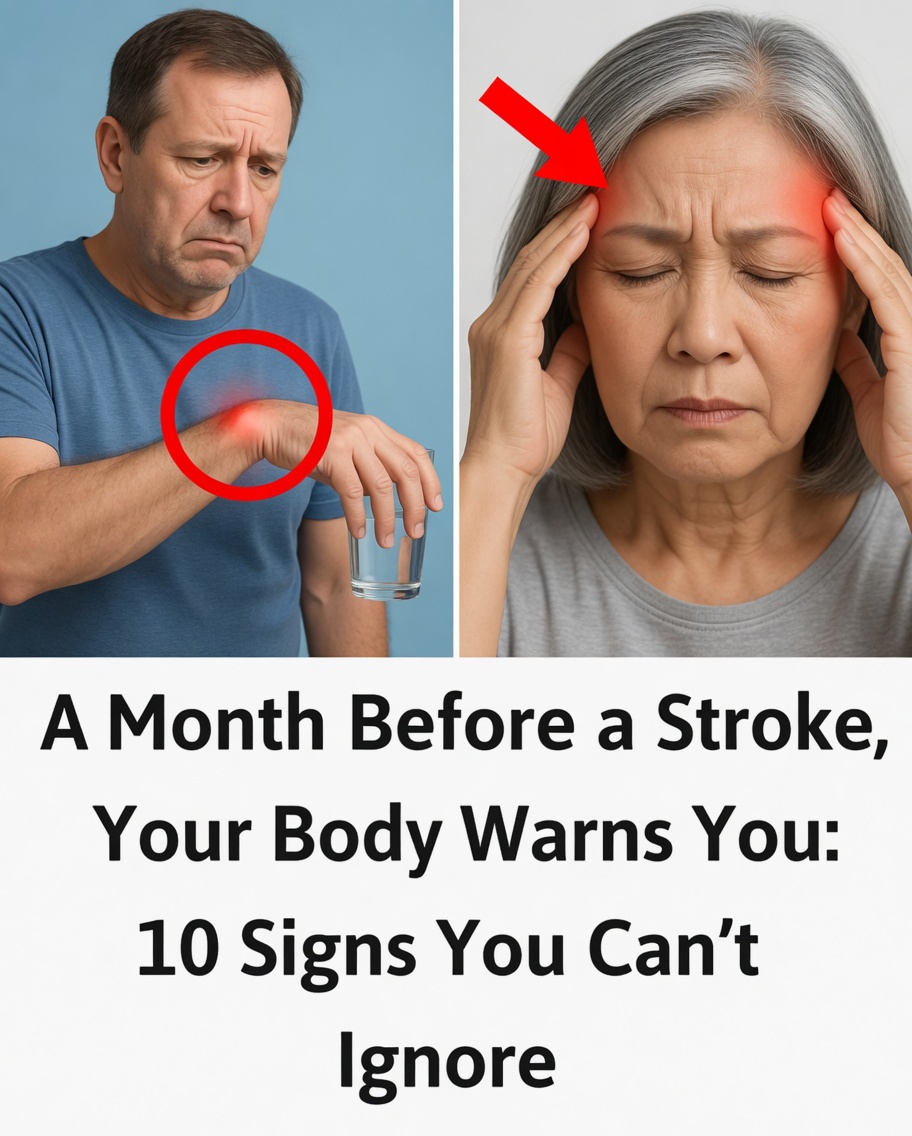
Stroke Warning Signs: Early Clues You Shouldn’t Ignore
Strokes can happen with little to no notice, causing sudden paralysis, speech loss, or long-term disability that can change life overnight. It’s normal to worry that a “strange” symptom might be something serious—especially when the signs feel subtle or easy to dismiss.
The important truth is that your body may send alerts days or even weeks in advance. Learning the warning signs before a stroke can help you seek care sooner and may reduce the risk of severe outcomes.
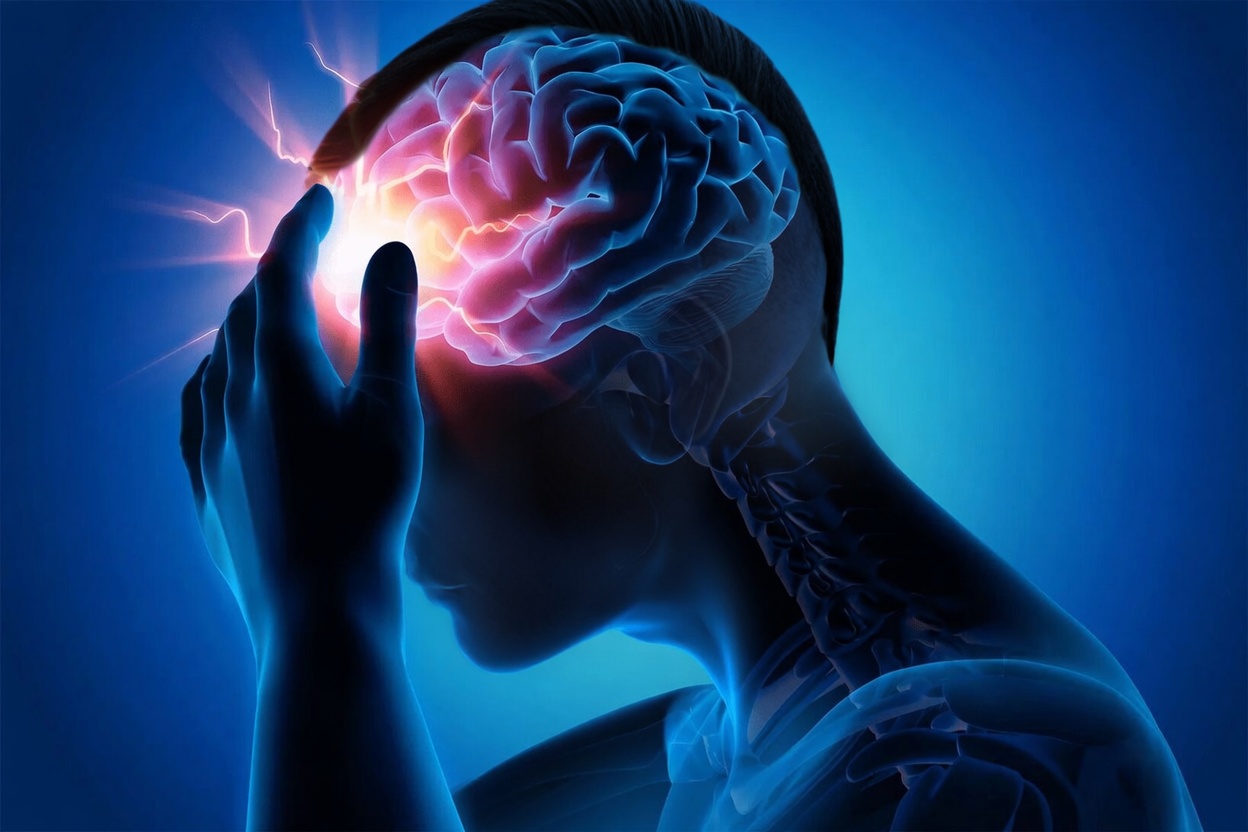
1) A New or Extremely Severe Headache That Feels “Different”
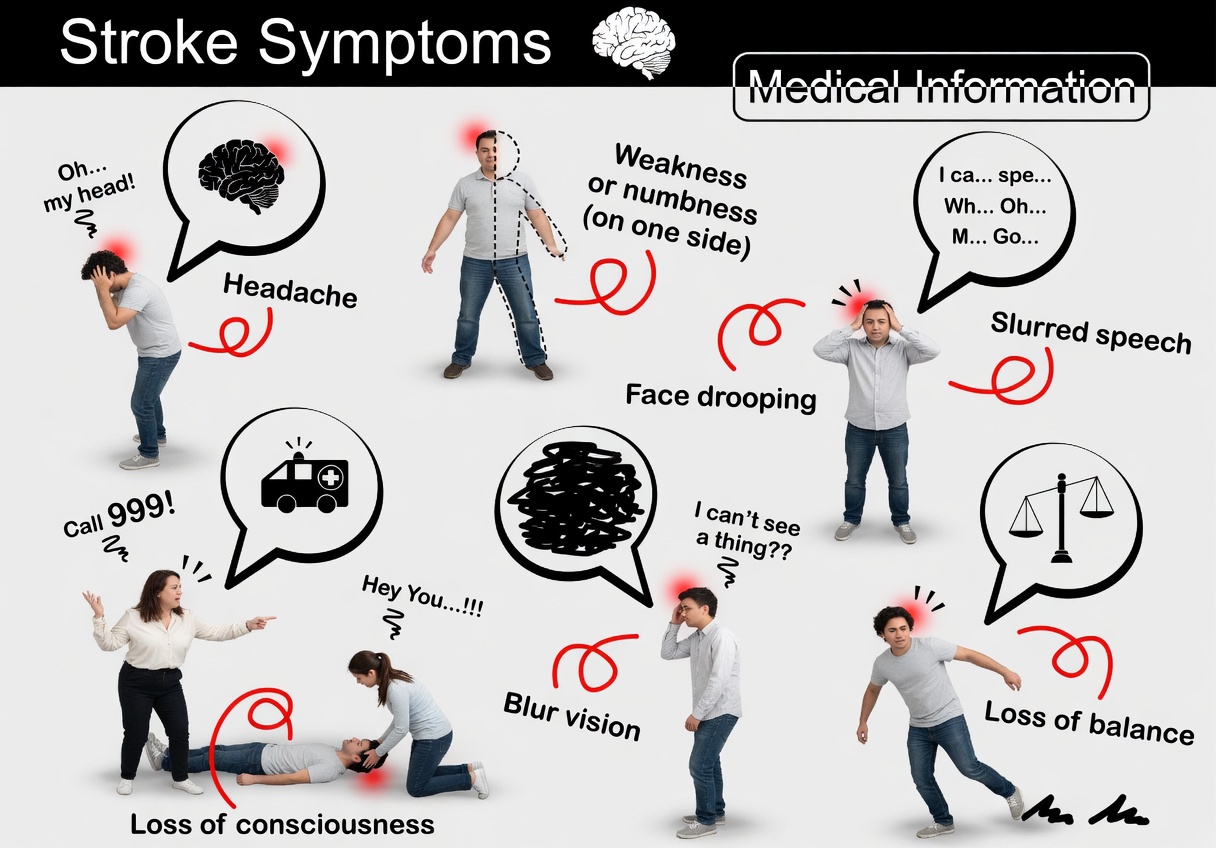
A sudden, intense headache—especially one that doesn’t resemble your usual headaches—can be an early warning sign before a stroke. Some people describe it as abrupt, overwhelming, or “thunderclap” in nature, which may sometimes relate to bleeding in or around the brain.
Red flags include headache paired with:
- Nausea or vomiting
- Changes in vision
- Rapid worsening over a short period
It’s easy to blame stress, dehydration, or lack of sleep, but a new and severe headache deserves urgent medical attention.
2) Sudden Vision Changes (Blurred, Double, or Brief Loss of Sight)
Unexpected changes in vision—such as blurred vision, double vision, or a temporary “curtain” coming down over one eye—are among the most common warning signs before a stroke. Even if the episode lasts only a few minutes, it may signal reduced blood flow to the eye or brain.
If your vision suddenly interferes with reading, driving, or recognizing faces, treat it as time-sensitive and get evaluated promptly.
3) Slurred Speech, Word Trouble, or Sudden Confusion
Difficulty speaking clearly, forming words, or understanding simple conversation can be a major warning sign before a stroke. Some people notice they’re saying the wrong words, speaking in an unusual way, or feeling strangely “foggy” even in familiar situations.
A quick check:
- Ask the person to repeat a simple sentence (for example: “The sky is blue.”)
- If speech sounds slurred, incorrect, or confusing, seek emergency help immediately
4) Numbness or Weakness—Often on One Side of the Body
Sudden numbness, tingling, heaviness, or weakness in the face, arm, or leg, particularly on one side, is a classic warning sign before a stroke. It might begin mildly (clumsiness, dropping items, a “dead” arm feeling) or appear in episodes that come and go.
Because one-sided weakness can reflect disrupted blood flow in the brain, it should never be written off as “just a pinched nerve” without medical evaluation.
5) Dizziness, Vertigo, or Loss of Balance
Unexplained dizziness, a spinning sensation (vertigo), difficulty walking straight, or sudden coordination problems can also be warning signs before a stroke—especially when they are not clearly linked to a quick position change.
Watch for dizziness combined with:
- Nausea
- Unsteady walking
- Trouble coordinating hands or legs
Balance symptoms may involve the brainstem or cerebellum, so it’s risky to assume it’s “only an inner ear problem” without proper assessment.

6) Unusual Fatigue or Excessive Sleepiness
In some people, overwhelming fatigue—despite adequate rest—can be a subtle warning sign before a stroke. If daytime sleepiness becomes disruptive and feels out of proportion to your routine, it may reflect underlying vascular issues, especially when paired with other risk factors.
If you feel persistently drained and “pushing through” isn’t working, treat it as a signal to check in with a clinician rather than ignoring it as simple burnout.
7) Irregular Heartbeat or Palpitations (Possible AFib)
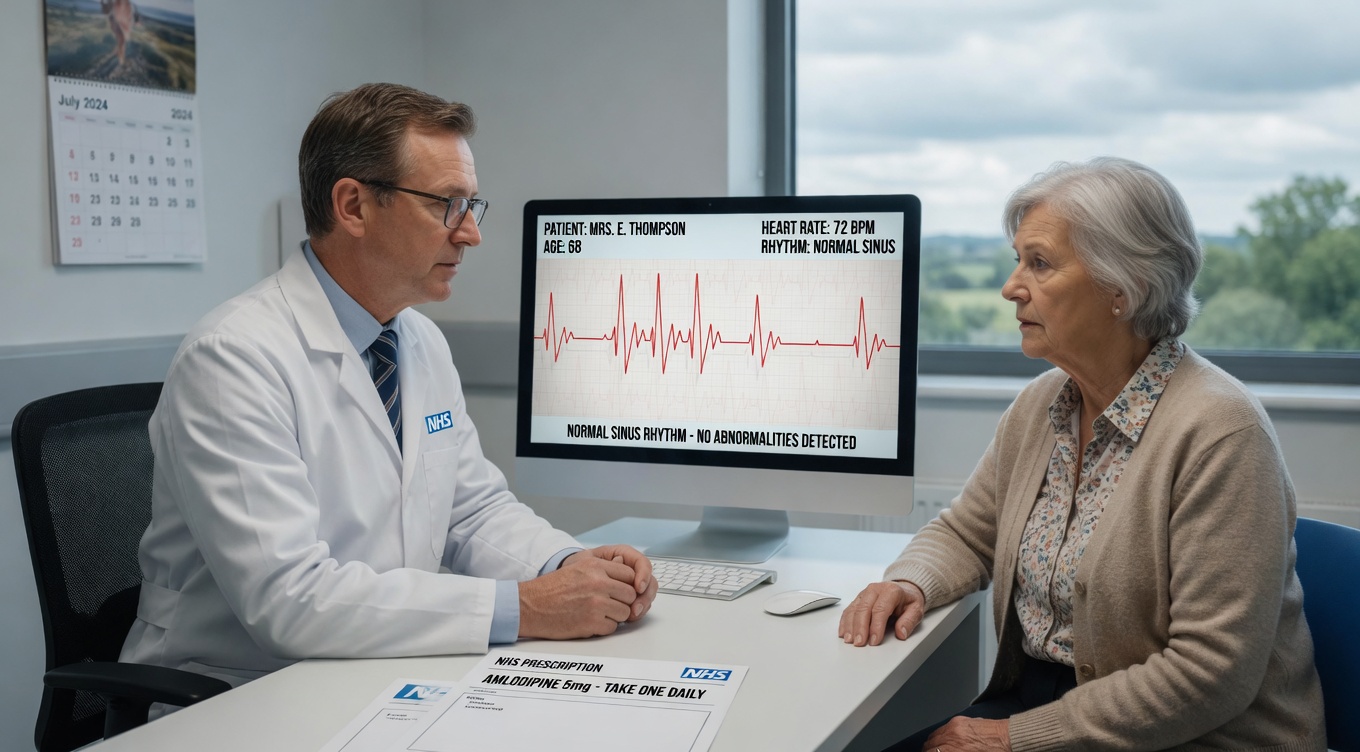
A fluttering, racing, or irregular heartbeat can point to atrial fibrillation (AFib), a rhythm problem that significantly increases stroke risk because it can allow blood clots to form.
AFib can be silent or intermittent, meaning many people live with it undiagnosed. If you notice palpitations, skipped beats, or unexplained heart racing, an ECG check can be a crucial step in stroke prevention.
8) Persistent Hiccups (Especially Noted in Women)
Ongoing, hard-to-stop hiccups—sometimes occurring with nausea or chest discomfort—can be an overlooked warning sign before a stroke, particularly in women when the brainstem is involved.
Most hiccups are harmless, but if they’re unusually persistent or appear with other neurological symptoms, it’s worth taking seriously rather than laughing it off.
FAST: A Simple Tool to Spot Stroke Signs Quickly
Healthcare experts often recommend FAST as a quick recognition method:
- F — Face drooping: Does one side of the face droop when smiling?
- A — Arm weakness: Can both arms be lifted equally?
- S — Speech difficulty: Is speech slurred, strange, or hard to understand?
- T — Time to call emergency services: If any sign appears, act immediately
FAST is designed to make stroke recognition fast and actionable.
What to Do If You Notice Warning Signs Before a Stroke
If symptoms are sudden, severe, or match FAST, call emergency services immediately. In stroke care, every minute matters.
If symptoms are milder, brief, or recurring:
- See a doctor within 24 hours
- Ask about tests such as blood pressure checks, ECG, or carotid ultrasound
- Write down what happened (time, duration, triggers, what improved it)
- Discuss prevention strategies tailored to your risk profile
Key risk reduction steps often include controlling blood pressure, staying physically active, quitting smoking, and managing diabetes and cholesterol.
How to Lower Your Overall Stroke Risk
Evidence-backed ways to reduce stroke risk include:
- Monitor and manage high blood pressure consistently
- Eat a balanced diet rich in fruits, vegetables, and whole grains
- Aim for at least 150 minutes of exercise per week
- Maintain a healthy weight
- Limit alcohol and avoid smoking
- Get regular check-ups—especially with a strong family history
Small habits, repeated consistently, can deliver meaningful long-term protection.
Conclusion
Knowing the warning signs before a stroke—from severe, unusual headaches to persistent hiccups—can help you respond sooner and protect your health. Not every symptom guarantees a stroke is coming, but ignoring potential red flags can cost valuable time. When in doubt, get checked, and focus on prevention through sustainable lifestyle choices and medical follow-up.
Frequently Asked Questions
Can stroke warning signs develop slowly over several weeks?
Yes. Some people experience mild or recurring symptoms for days or even up to a month beforehand. However, sudden symptoms should always be treated as an emergency.
Are stroke warning signs different in women?
They can be. Alongside classic symptoms, women may report more non-traditional signs such as persistent hiccups, unusual fatigue, nausea, or general unwellness.
What if the symptom disappears quickly?
Even brief episodes—like temporary vision loss, weakness, or speech trouble—still require medical evaluation. They may indicate a TIA (mini-stroke), which can be a serious warning of a larger stroke.