

A Simple Kitchen Habit That May Support Prostate and Bladder Comfort
As men age, changes in urination become increasingly common. More nighttime bathroom trips, a weaker stream, or the sensation that the bladder is not fully empty can interfere with sleep, daily routines, and overall comfort. These issues often lead men to ask the same question: is there an easy, natural habit that might help?
One everyday ingredient may offer gentle nutritional support: the onion. This familiar vegetable contains plant compounds that researchers have studied for their possible role in prostate and urinary wellness. By the end of this article, you’ll know why onions deserve a closer look and how to add them to your daily routine in a simple, practical way.
Why Onions Matter for Men’s Health
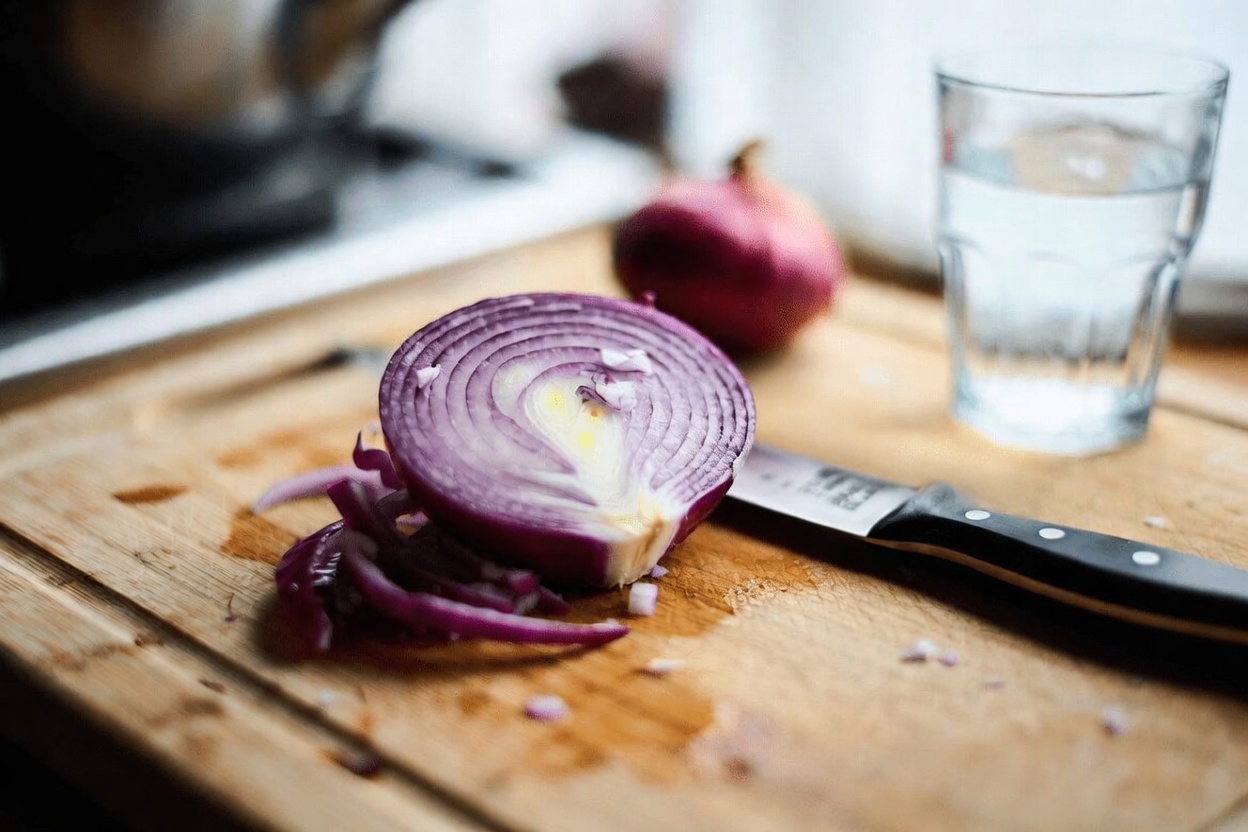
Onions have long been valued around the world for both flavor and nutrition. Beyond their culinary use, they are rich in beneficial compounds, especially quercetin, a flavonoid known for its antioxidant and anti-inflammatory properties. Scientists have explored how quercetin may help the body respond to inflammation and oxidative stress, two factors that can become more relevant with age.
Research has also linked allium vegetables, such as onions and garlic, with favorable patterns in men’s health. In one large European case-control study, higher onion intake was associated with lower odds of benign prostatic hyperplasia, or BPH. Men who consumed onions more often showed different trends than those who ate them less frequently.
Quercetin has also been studied in relation to inflammatory pathways. Some research involving chronic pelvic pain syndrome found that participants taking quercetin supplements experienced improvements in symptoms, including discomfort and urinary issues. While these findings are encouraging, experts note that individual responses vary and further study is still needed.
In addition to quercetin, onions provide sulfur-containing compounds, vitamins, and other antioxidants. Together, these nutrients make onions a smart, affordable addition to a balanced diet, especially for men over 40 or 50 who want to support long-term wellness.
What Research Suggests About Quercetin and Urinary Wellness
This is where many men become especially interested. Observational and laboratory research has examined quercetin for several prostate- and bladder-related effects:
- Inflammation support: Quercetin may help regulate certain inflammatory responses in body tissues.
- Antioxidant protection: It helps defend cells against oxidative stress, which tends to rise with age.
- Urinary comfort: Some clinical observations suggest that flavonoid intake may be linked to greater ease in everyday urinary function.
A preliminary double-blind study involving men with category III chronic prostatitis/chronic pelvic pain syndrome reported meaningful improvements in symptom scores with quercetin use. Participants described better overall comfort when it was taken consistently.
Other research has noted that lower intake of onions and garlic may be associated with different BPH-related patterns. This does not prove cause and effect, but it does suggest that diet could be one important part of the bigger health picture.
That said, onions are not a cure-all. They should be viewed as a supportive food, not a replacement for medical care, check-ups, or healthy lifestyle habits.
Potential Benefits Men Often Notice
Men interested in onion-based support often mention a few possible benefits:
- May help ease day-to-day discomfort associated with inflammation
- May support smoother urinary flow and greater comfort
- Provides natural antioxidant compounds for cellular health
- Easy to include in a simple, low-cost routine
The key is consistency. The greatest value usually comes not from trying onions once, but from making them part of a regular habit.
How to Make an Easy Onion Infusion at Home
You do not need expensive supplements or a complicated wellness plan. One of the easiest options is a warm onion infusion, which may help extract some of the vegetable’s beneficial compounds into a drink.
Ingredients
For one serving, you will need:
- 1 medium red onion
Red onions are often preferred because they tend to contain more antioxidants. - 250 ml water
About one glass - Optional: juice from half a lemon
- Optional: 1 teaspoon pure honey
Preparation Steps
- Peel the onion and cut it into small pieces. Smaller pieces allow better extraction.
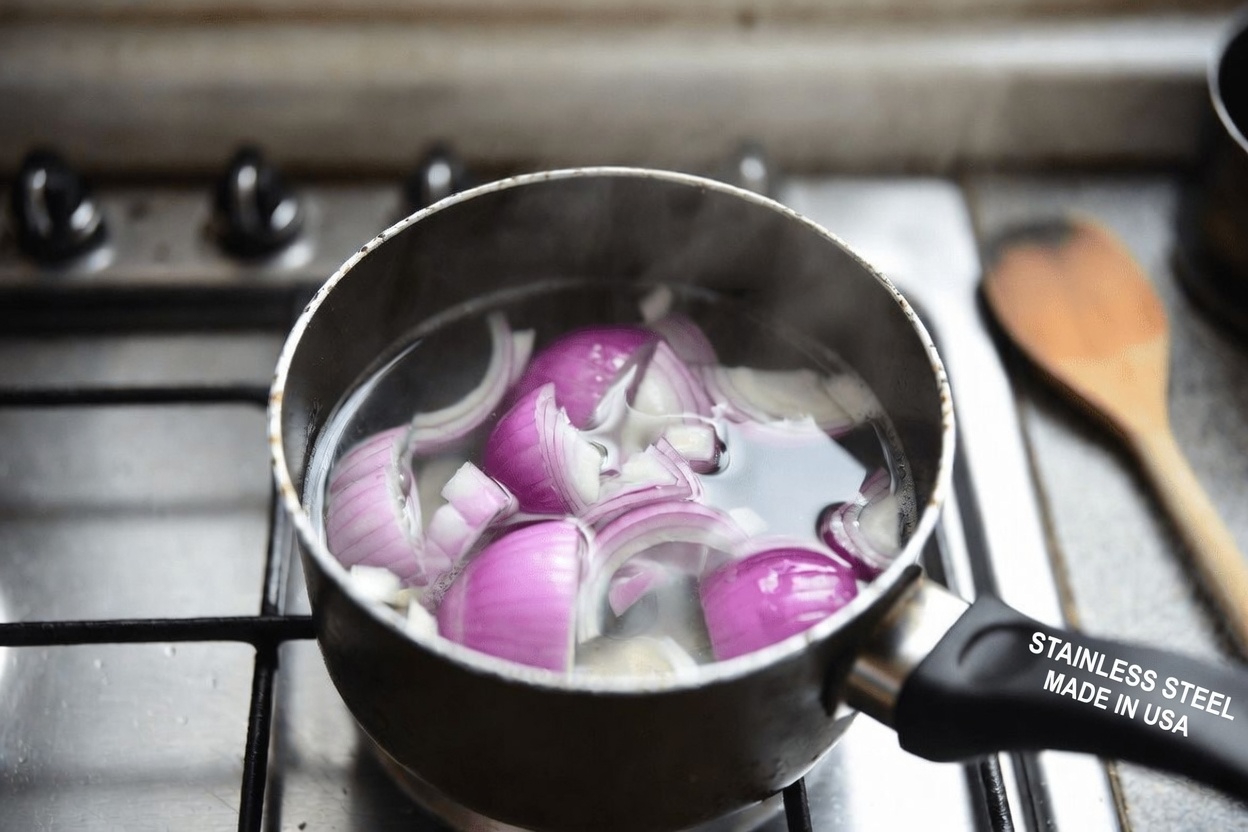
- Add the chopped onion to a small saucepan with the water.
- Heat gently and let it simmer on low for about 10 to 15 minutes.
- Avoid a strong boil, as gentler heat may help preserve more delicate compounds.
- Remove from heat and strain the liquid.
- Let it cool slightly until it is warm and comfortable to drink.
- Add lemon juice or honey if desired for flavor.
Many men choose to drink this infusion once a day, either in the morning on an empty stomach or in the evening before bed. A practical approach is to try it for 14 days, then take a 7-day break before repeating if desired. Pay attention to how your body responds and adjust accordingly.
Quick Tip
Fresh, firm red onions with no bruising or soft spots are usually the best choice.
Lifestyle Habits That Can Improve Results
Adding an onion infusion may be helpful, but combining it with healthy daily habits often leads to better overall support for prostate and bladder comfort.
1. Stay Hydrated, but Time It Well
Drink enough water throughout the day, but try to reduce fluid intake close to bedtime if nighttime urination is a problem.
2. Keep Moving
Regular physical activity helps support circulation and general health. Even a 30-minute walk most days can make a difference.
3. Adjust Your Diet
If certain foods seem to worsen symptoms, cut back on them. Common triggers may include:
- Spicy foods
- Caffeine
- Alcohol
Instead, focus on whole foods, fruits, vegetables, and healthy fats.
4. Maintain a Healthy Weight
Extra body weight may place more pressure on the pelvic area and contribute to discomfort.
5. Practice Better Bathroom Habits
Try not to hold urine for too long, and take your time when urinating so your body can relax fully.
Many men find that small dietary changes, such as adding onions, feel more effective when paired with these steady habits.
Other Easy Ways to Eat More Onions
If drinking onion infusion does not appeal to you, there are several other ways to benefit from onions in your diet:
- Add thin slices of raw red onion to salads
- Lightly sauté onions for soups, omelets, and stir-fries
- Roast onion wedges with herbs for a naturally sweet side dish
Using onions in different meals keeps things interesting while still delivering helpful plant compounds.
When Might You Notice a Difference?
Results vary from person to person. Some men say they feel subtle improvements within one or two weeks, such as fewer disruptions at night or a greater sense of ease during urination. Others may need more time.
Consistency matters more than speed. It may help to track a few simple markers, such as:
- How many times you wake up at night
- Whether urinary flow feels easier
- Whether bladder emptying feels more complete
Even small improvements can add up over time.
Common Questions About Onions and Men’s Wellness
Can I eat raw onions instead of making the infusion?
Yes. Raw, cooked, and infused onions all provide nutrients. The infusion is simply a convenient liquid option that some men find easier to use regularly.
Are onions safe for everyone?
In general, onions are well tolerated as part of a normal diet. However, people with onion allergies or digestive sensitivities should speak with a healthcare professional first.
Should I stop taking my prescribed medicine?
No. Home remedies should never replace prescribed treatment. Onions are best used as nutritional support alongside professional medical advice.
Are onions better than supplements?
Whole foods like onions contain a broad mix of compounds that may work together naturally. Supplements can be useful in some cases, but food remains a strong foundation for most wellness routines.
Final Thoughts: A Small Daily Step With Real Potential
Supporting prostate and bladder health does not always require complicated solutions. Sometimes, a simple habit from your own kitchen can be a practical place to start. Onions offer quercetin, antioxidants, and other beneficial compounds that research has linked with men’s wellness and urinary comfort.
They are not a miracle fix, but they may be a smart addition to a healthy routine that includes movement, hydration, balanced eating, and regular medical care. If you are looking for a low-cost, natural way to support everyday comfort, adding onions to your meals—or trying a warm onion infusion—may be a small change worth making.