Onion Juice for Eye Wellness: What the Viral Trend Gets Right and Wrong
If long hours in front of a screen leave your eyes feeling dry, tired, and irritated, you are not alone. That gritty, worn-out sensation can affect concentration, productivity, and even your mood, especially when it becomes part of your daily routine. Because of this, many people are looking for simple home remedies that use familiar kitchen ingredients to support eye comfort. One of the most talked-about trends online right now is onion juice.
Before you follow what you have seen in short videos, it is important to understand the full picture. There is a big difference between a popular internet hack and a method that is actually safe and supported by research. Below, we look at what science says, what risks matter most, and how to approach the idea in a more practical and cautious way.
Why Onion Juice Is Getting So Much Attention
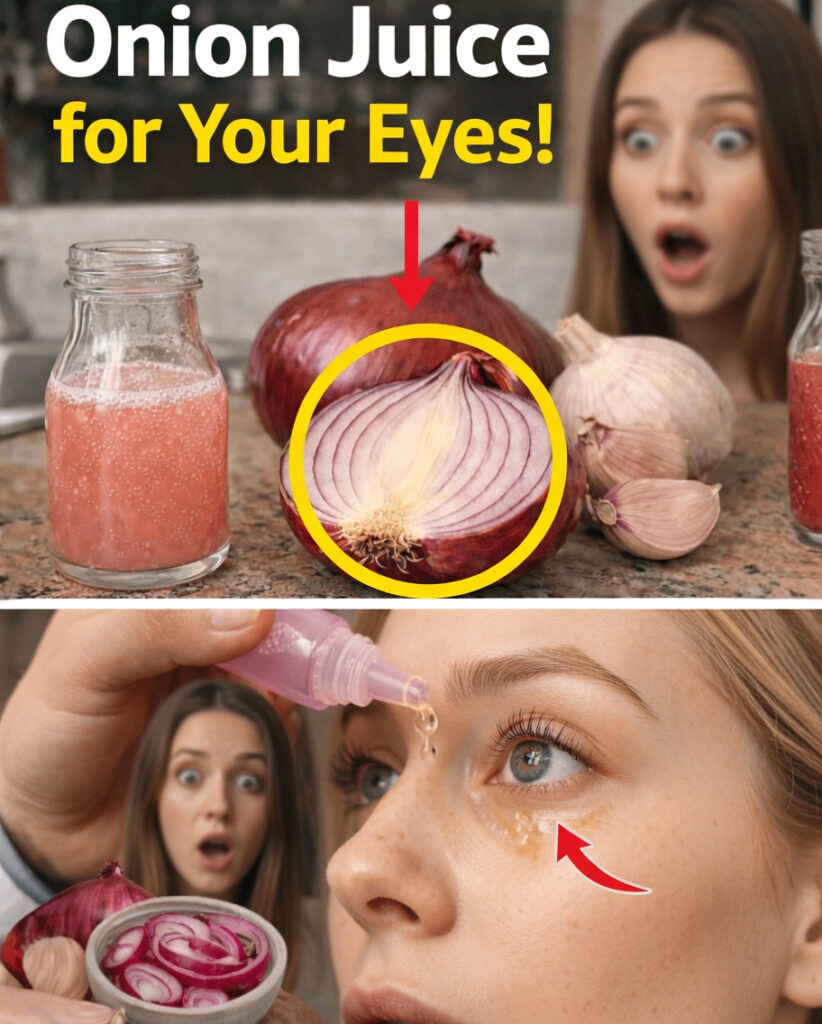
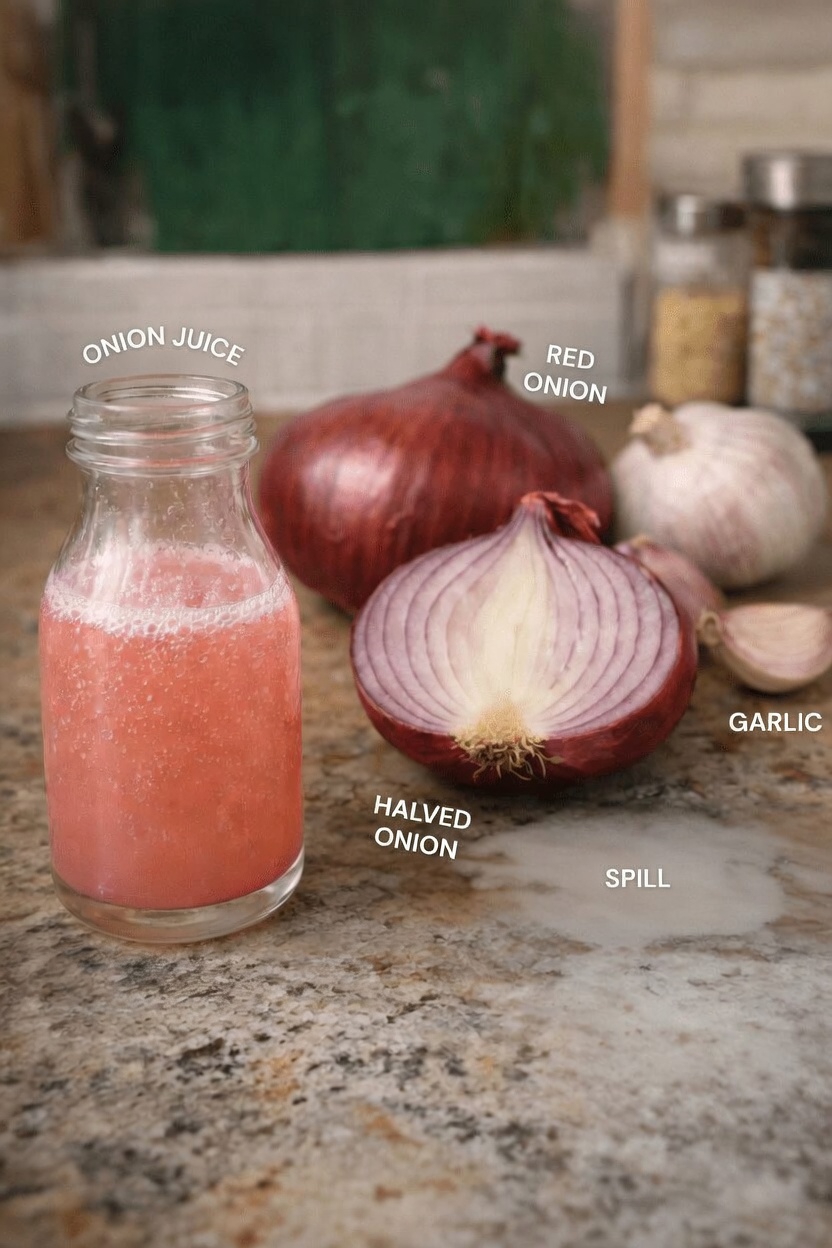
Social media has helped turn onion juice into a fast-growing wellness trend. In many videos, people show fresh red onions, garlic, and a small bottle of pink-tinted liquid, then demonstrate applying a drop close to the eye. The promise is usually the same: a quick kitchen-based routine that feels soothing in just a few days.
It is easy to see why the idea caught on. Onions are inexpensive, widely available, and already part of everyday meals in many homes. Compared with expensive products or complicated wellness routines, this trend feels accessible.
What also makes it appealing is the personal way it is shared. Many users post before-and-after images, describe a cooling or cleansing feeling, and claim their eyes feel more refreshed. While onions have a long history in traditional practices, the current wave of interest has been fueled largely by short-form video content showing an easy at-home process. That leaves one key question: is there any real evidence behind the claims, or is this mostly social media momentum?
Nutrients in Onions That May Benefit Eye Health
Onions do more than add flavor to food. They contain several natural compounds linked to overall wellness, including nutrients that may play a role in supporting healthy eyes. Among the most notable are quercetin, sulfur compounds, and selenium.
- Quercetin: A plant antioxidant that may help reduce oxidative stress, which becomes more relevant with age and heavy screen exposure.
- Sulfur compounds: These support the body’s production of glutathione, an antioxidant found in the eye lens.
- Selenium: This mineral works with vitamin E to help defend tissues against everyday damage.
- Natural anti-inflammatory properties: As part of a balanced diet, onions may help support the body’s response to minor irritation.
Research has examined these compounds in laboratory settings, and some findings suggest that regular consumption of onions may contribute to general wellness, including systems related to eye function. This is one reason nutrition professionals often encourage eating more allium vegetables such as onions, garlic, and leeks.
What the Research Actually Says
This is where the conversation needs more balance. Many viral posts focus on dramatic claims, but the strongest findings so far do not come from large human studies. Much of the encouraging evidence has come from animal research.
For instance, some controlled studies in rats found that topical onion juice helped preserve corneal structure and supported tear production. Other experiments involving rabbit eyes suggested that onion-related compounds may have effects against certain microorganisms.
However, these results should be interpreted carefully. Human clinical trials on direct eye use of onion juice are still very limited. That matters because what appears promising in an animal model does not automatically mean it is safe or effective for people trying it at home.
Most established eye-health sources point to dietary intake as the safest and most reasonable way to benefit from onions. Ironically, the same sulfur compounds associated with onion’s health potential are also what trigger tearing and stinging when you cut one open. That is exactly why direct contact with the eye can be so uncomfortable.
At this stage, the broader scientific view is fairly clear: eating onions is much better studied and far more strongly recommended than using homemade onion juice around the eyes.
Safety Comes First: What You Need to Know
This point cannot be overstated. Eye specialists generally do not recommend placing undiluted onion juice directly into or near the eyes at home. Onion’s naturally irritating compounds may cause burning, redness, watering, and potentially more serious discomfort if used incorrectly.
Keep these precautions in mind:
- Do a patch test first if you plan to try any skin-based use.
- Avoid all topical use if you have an eye infection, irritation, injury, or another active eye condition.
- Do not experiment while wearing contact lenses.
- Speak with an eye doctor or healthcare professional first before trying any remedy that could come into contact with the eye area.
A controlled study environment is not the same as home use. Safety standards, concentration levels, and application methods are very different.
If you are still interested in exploring the trend, many people choose lower-risk options instead, such as using onions in meals more often or trying a cooled external compress with a cloth only, never drops.
A Safer 5-Day Onion Juice Routine to Try at Home
If you want to explore the onion juice trend in a responsible way, the safest approach is to focus on preparation and dietary use rather than direct eye application. Here is a simple five-day method many people adapt from the viral version.
1. Pick fresh onions
Use high-quality red or white onions. Red onions are often preferred because they may contain higher levels of antioxidants.
2. Prepare fresh onion juice carefully
- Peel and chop 1 to 2 onions.
- Blend or juice them until liquid forms.
- Strain through a clean cheesecloth or fine sieve.
- Transfer the juice to a clean glass container.
- Refrigerate and use within 24 hours only.
Freshness matters, so make small amounts instead of storing large batches.
3. Days 1 to 2: Start with dietary use
In the morning, mix 1 to 2 tablespoons of freshly made onion juice into a large glass of water or herbal tea. Later in the day, add sliced or chopped onions to a salad or grain bowl at lunch.
This lets you begin with a gentle, food-based approach while still incorporating the nutrients that made the trend popular.
4. Days 3 to 4: Use it in meals
Add the juice to recipes rather than using it topically. Good options include:
- Soups
- Salad dressings
- Marinades
- Stir-fries
- Vegetable sauces
This gives you the flavor and potential nutritional value of onion juice without exposing the eyes or delicate skin to irritation.
5. Day 5: Continue the habit and observe
By the fifth day, keep including onions in your meals and notice how your diet feels overall. Some people report feeling better simply because they are eating more vegetables and preparing fresher meals.
A useful tip is to make a quick note of how your energy, hydration habits, and screen-related discomfort feel during the week.
Important note
If you choose to test any external use at all, it should be heavily diluted, kept away from direct eye contact, and stopped immediately if burning, redness, or discomfort appears.
Daily Habits That Can Help Support Healthier Eyes
Onions may be a helpful addition to your diet, but they work best when combined with everyday eye-friendly habits. If you want better eye comfort and long-term support, these strategies matter too:
- Blink more often when using screens to maintain natural moisture.
- Follow the 20-20-20 rule: every 20 minutes, look at something 20 feet away for 20 seconds.
- Drink enough water throughout the day.
- Eat colorful fruits and vegetables for a wider range of antioxidants.
- Wear sunglasses outdoors to protect your eyes from UV exposure.
- Schedule regular eye exams, especially if irritation or blurred vision continues.
These small habits are often far more impactful than any internet trend on its own.
Final Thoughts: A Popular Kitchen Ingredient With Real Potential
The onion juice trend highlights something many people appreciate about wellness: sometimes the most interesting ideas begin with simple ingredients already in your kitchen. Even so, curiosity should always be balanced with caution.
The science around onions and eye wellness is still developing, and current evidence supports eating onions far more strongly than applying homemade juice near the eyes. For most people, the easiest and safest step is simply to include onions in meals more often.
Whether you try a structured five-day routine or just add a few extra onions to your weekly cooking, you are choosing a food rich in compounds your body can benefit from in many ways.
Frequently Asked Questions
Is it safe to put onion juice directly into the eyes?
In most cases, eye care professionals advise against it. Homemade onion juice contains sulfur compounds that can cause significant irritation, stinging, and redness. Always consult a qualified medical professional before trying any topical remedy for the eyes.
Can eating onions support eye wellness?
Yes, onions contain antioxidants and beneficial nutrients such as quercetin and selenium, which may support overall health, including processes related to eye function. Eating onions regularly is the safest and best-studied way to gain these benefits.
How long can fresh onion juice be stored in the refrigerator?
Fresh homemade onion juice should ideally be used within 24 hours if kept in a clean, sealed glass container in the fridge. Small batches are best to ensure freshness.
Disclaimer
This article is intended for informational and educational purposes only. It is not medical advice and should not be used as a substitute for professional care. Always speak with a qualified healthcare provider or ophthalmologist before trying any home remedy, especially one involving the eyes. Results can vary from person to person, and some approaches may not be appropriate for everyone.