
Better Fish Choices for Seniors Over 60: 4 to Limit and 4 Smarter Alternatives
For many adults over 60, everyday meals start to matter more than ever for comfort, energy, and overall well-being. Fish can be a great addition to the diet, but mixed messages about mercury, safety, and freshness often make grocery shopping feel unnecessarily stressful. Instead of enjoying a simple seafood meal, many seniors end up wondering whether they are making the wrong choice.
That uncertainty can quietly take the pleasure out of eating. The good news is that choosing fish more carefully does not require a major lifestyle change. With a few practical adjustments, it becomes much easier to enjoy seafood in a way that feels lighter, safer, and more supportive.
Keep reading to discover four fish seniors over 60 may want to eat less often and four better alternatives that can fit comfortably into a healthy weekly routine.

Why Fish Choices Matter More After 60
When energy feels lower than usual or mild aches seem more noticeable, food choices can feel more important. Fish is often recommended for its protein and healthy fats, yet concerns about contaminants cause many older adults to avoid it altogether. Unfortunately, that confusion can add more daily stress instead of helping create a balanced eating pattern.
Health experts generally agree that seafood can still be a smart part of a senior diet when selected with care. The key is not to give up fish completely, but to focus on varieties that are lower in mercury and rich in beneficial nutrients.
Once you know which types to limit and which ones to enjoy more often, seafood becomes much easier to include with confidence.
4 Fish Seniors Over 60 May Want to Limit
Some fish are more likely to contain elevated mercury levels, especially larger predatory species. While occasional intake may not always be a problem, these options are usually best eaten sparingly as part of a balanced routine.
1. Swordfish
Swordfish is a popular choice for its meaty texture, but it is also known for having higher mercury content. For seniors, that can raise concerns about long-term wellness and whether regular consumption is worth the risk. Many older adults choose to keep swordfish to a minimum and replace it with lower-mercury seafood instead.
2. Shark
Shark is another fish commonly flagged for high mercury levels. Although it may seem like a strong source of protein, it often comes with the same uncertainty that makes meal planning feel more complicated. For that reason, many health guidelines suggest limiting shark, especially for older adults trying to maintain a steady and comfortable diet.
3. King Mackerel
King mackerel frequently appears on lists of fish to eat less often because of mercury concerns. Since it is a larger predatory fish, it can accumulate more contaminants over time. Reducing how often you eat king mackerel can help simplify seafood choices and ease unnecessary worry.
4. Gulf Tilefish
Tilefish from the Gulf of Mexico is another variety often mentioned in mercury advisories. For seniors who want more confidence in their weekly meal plan, this is typically one of the fish experts recommend limiting. Choosing safer alternatives can make dinner planning feel far more relaxed.
4 Smarter Fish Choices for Seniors Over 60
The easiest way to make seafood feel less confusing is to focus on fish that are generally lower in mercury and still rich in valuable nutrients like omega-3 fats and protein. These options are widely considered better everyday choices for older adults.
Quick Comparison Table
| Fish | Mercury Level | Omega-3 Support | Suggested Serving Frequency |
|---|---|---|---|
| Salmon | Low | High | 2-3 times per week |
| Sardines | Low | High | 1-2 times per week |
| Rainbow trout | Low | Moderate | 1-2 times per week |
| Anchovies | Low | High | As a topping or light snack |
This simple comparison can make seafood shopping feel much more manageable.
1. Salmon
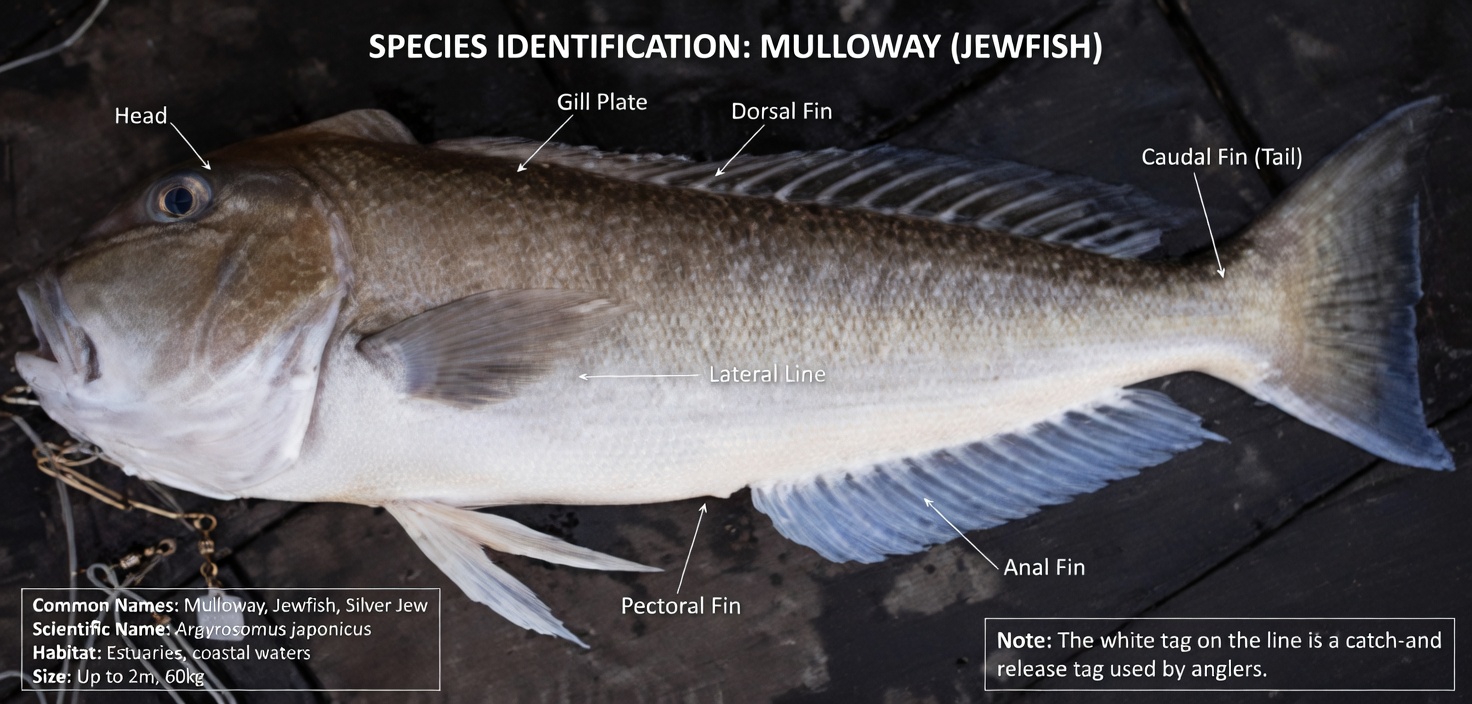
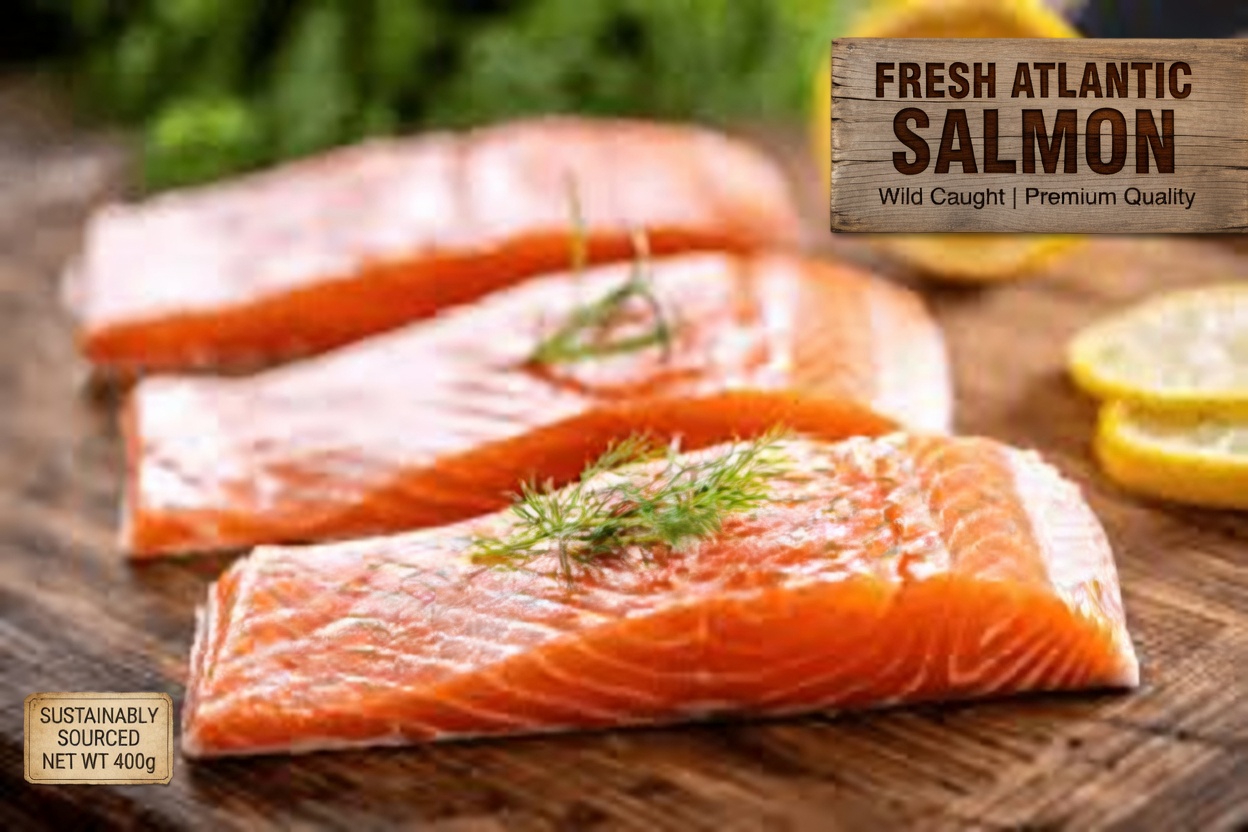
Salmon is one of the best fish choices for seniors over 60. It is usually low in mercury and well known for its omega-3 content, which many people value for overall wellness. Its familiar taste and versatility also make it easy to use in regular meals. Whether fresh, frozen, wild-caught, or canned, salmon is often a dependable option.
2. Sardines
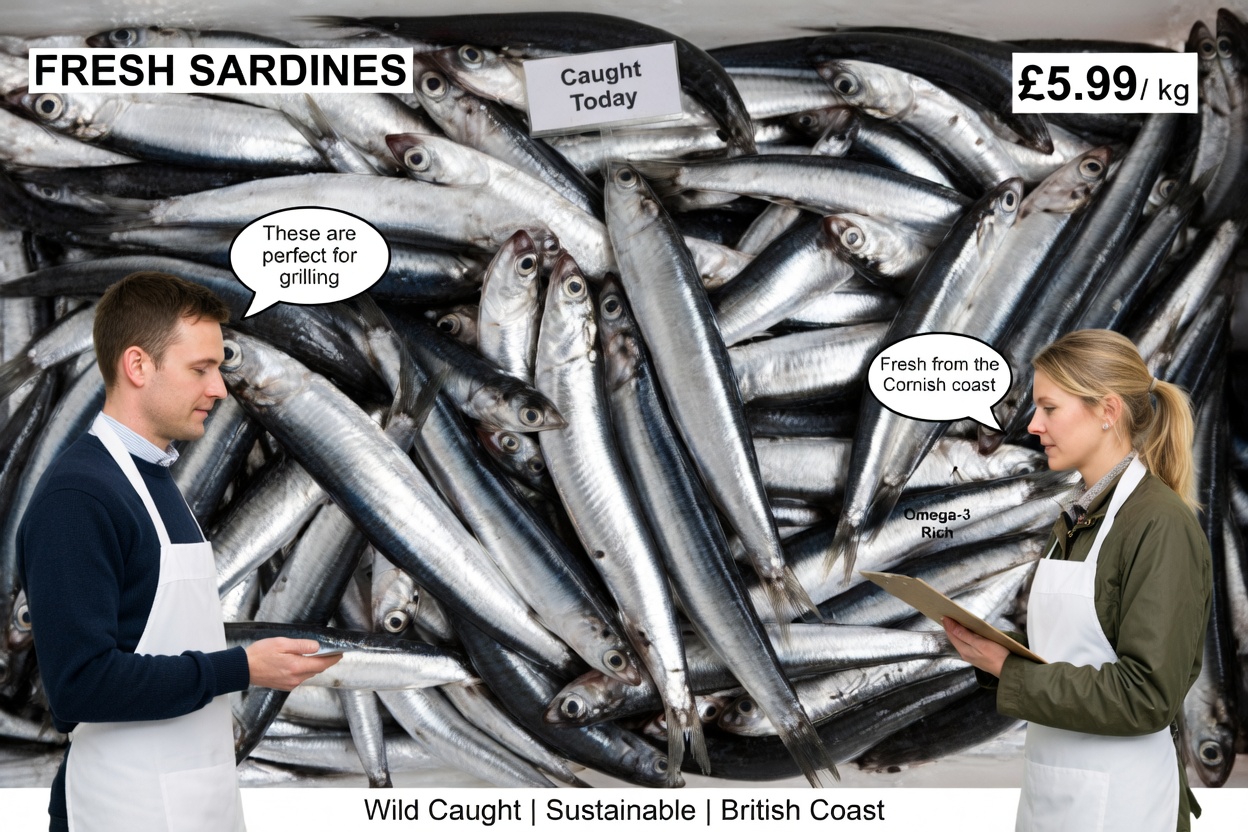
Sardines are a practical and budget-friendly seafood choice. They are typically low in mercury, rich in omega-3s, and easy to keep on hand. Many seniors appreciate how simple they are to prepare, especially when time or energy is limited. Canned sardines can work well in salads, on toast, or as part of a light meal.
3. Rainbow Trout
Rainbow trout offers a mild flavor that many older adults find easy to enjoy. It fits nicely into simple home-cooked meals and is often available fresh or frozen. Because it is generally lower in mercury than larger fish, rainbow trout is a reliable seafood option for a steady weekly routine.
4. Anchovies
Anchovies may be small, but they can be a smart addition to meals. They add flavor to pasta, salads, and sauces without requiring a full seafood entrée. For seniors who want flexibility and variety, anchovies can be an easy way to include fish more often without feeling limited.
Simple Tips for Choosing Fish More Wisely After 60
Making better seafood decisions does not have to be complicated. A few small habits can help reduce uncertainty and make weekly planning much easier.
- Read labels carefully or ask the seafood counter where the fish comes from.
- Aim for about 8 to 12 ounces per week of lower-mercury fish.
- Pair fish with vegetables and other balanced sides for a more nourishing meal.
- Rotate your seafood choices so you are not relying on one type all the time.
- Keep convenient options at home, such as canned salmon or sardines, for easy meals.
These simple steps can help seafood feel like a comfortable and sustainable part of your diet.
Common Questions About Fish Choices for Seniors Over 60
How often can seniors eat fish safely?
Many older adults do well with two to three servings of lower-mercury fish per week. This amount often fits into a balanced eating pattern without adding unnecessary concern.
Are canned fish good options for seniors?
Yes, many canned varieties can be excellent choices. Canned salmon and sardines are especially popular because they are convenient, affordable, and typically lower in mercury. It is still a good idea to check labels for details about the fish type and source.
What should I do if I am worried about mercury?
If you have specific concerns, it is best to speak with your healthcare provider. They can help you choose the right types and amounts of fish based on your personal health needs.
Final Thoughts
For seniors over 60, seafood does not have to feel confusing. By limiting high-mercury fish like swordfish, shark, king mackerel, and Gulf tilefish, and choosing lower-mercury options such as salmon, sardines, rainbow trout, and anchovies, it becomes much easier to enjoy fish with peace of mind.
A thoughtful approach can make meals feel simpler, more enjoyable, and better suited to long-term comfort and wellness.