Stronger Glutes After 60: Why They Matter and How to Train Them
As you move into your 60s and beyond, you may notice changes in how your body feels and moves—perhaps you feel a bit less steady, or your lower back starts to ache during everyday tasks. Simple actions like standing up from a chair, climbing stairs, or walking longer distances can gradually feel tougher and more tiring.
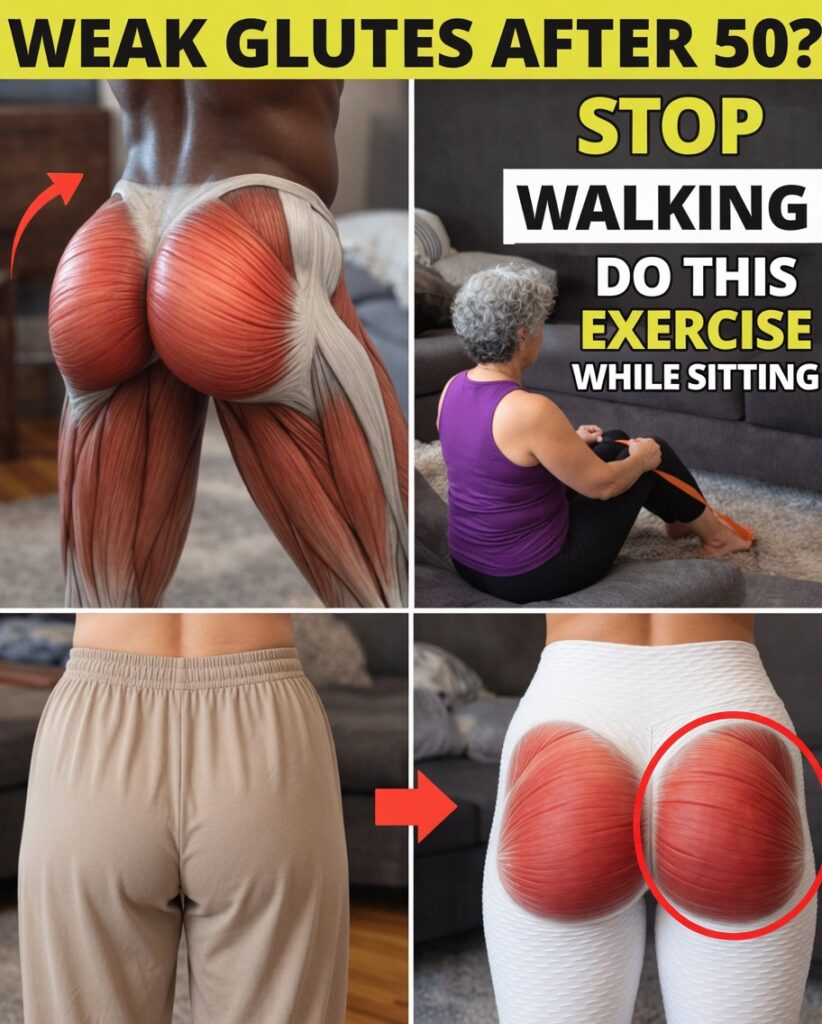
The encouraging news is that targeted movement can make a real difference. By focusing on specific muscle groups—especially your glutes—you can improve stability, comfort, and confidence in daily life. Even more surprising, some of the most effective glute exercises for seniors can be done while sitting, which we’ll cover in detail below.
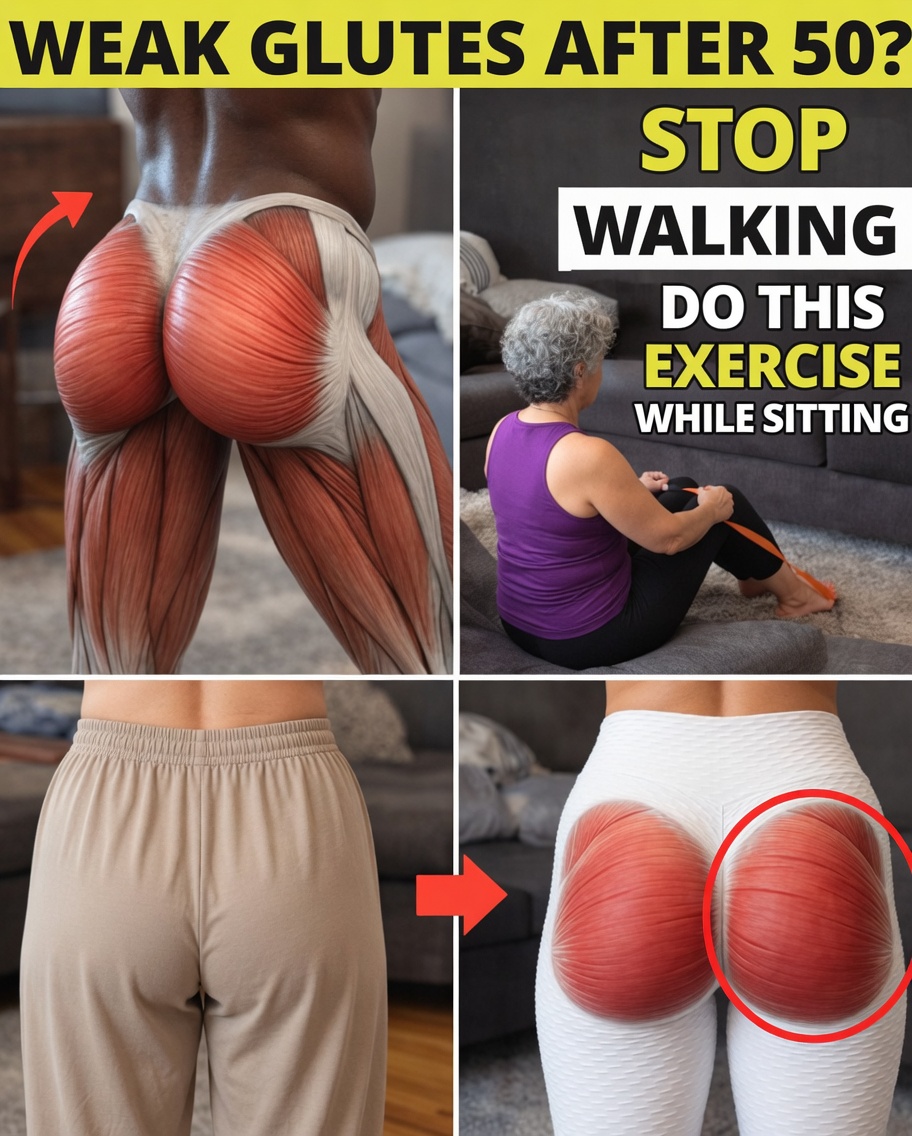
Why Glutes Tend to Weaken With Age
Your glutes (the muscles in your buttocks) are among the strongest in the body, but they often become weaker over time, particularly in older adults. Several common factors contribute to this:
- Too much sitting: Long hours spent in a chair, whether working, reading, or watching TV, can keep the glutes inactive. Over time, the glute muscles lengthen and weaken, while the hip flexors at the front of the hips become tight.
- Muscle loss with aging: Age-related muscle loss, called sarcopenia, begins around age 30 and speeds up after 60. The glutes are not immune to this process.
- Reduced activity levels: Moving less means the glutes are not regularly challenged, which can cause them to “switch off” or fail to fire properly—a phenomenon sometimes called gluteal amnesia.
- Past injuries or surgeries: Issues involving the hips, knees, back, or pelvis, as well as long recovery periods, can further weaken these muscles.
- Postural habits: Years of poor posture or compensating for pain elsewhere can change the way you move, placing less demand on the glutes.
The result of these combined factors can be instability, discomfort around the hips and lower back, and a gradual decline in mobility. The positive side: consistently practicing targeted glute exercises can help reawaken, strengthen, and support these muscles.
The Benefits of Strong Glutes for Older Adults
Stronger glutes provide far more than cosmetic benefits—they are foundational for safe, efficient movement as you age.
1. Better Posture and Pelvic Support
The glute muscles help stabilize the pelvis, which in turn supports the spine. When they are strong, it’s easier to stand tall, reduce slouching, and decrease strain on the lower back.
2. Improved Balance and Stability
Glutes help control the position of your hips and knees. When they are weak, the knees may collapse inward during walking, standing, or climbing stairs, which can contribute to ankle or knee problems. Strong glutes support more stable, confident steps—especially on uneven ground.
3. Easier Everyday Movement
Your glutes are the powerhouse behind many daily actions:
- Rising from a chair or toilet
- Climbing stairs or curbs
- Walking uphill or carrying groceries
Research shows that glute-focused exercise can improve hip function and reduce discomfort in the lower body, making these tasks feel smoother and less tiring.
4. Less Joint Stress
Well-conditioned glutes act like shock absorbers. They help distribute forces more evenly through the hips and legs, which can ease pressure on knees, hips, and even the lower back. This can make activities like gardening, housework, or playing with grandchildren more comfortable.
5. Support for Lower Back Health
When the glutes are weak, the lower back often takes on extra work, increasing the risk of tightness or pain. Strengthening the glutes helps share the load, promoting a healthier back over the long term.
Getting Ready for Your Glute-Strengthening Routine
Before you begin these exercises, a bit of preparation will help you move more comfortably and safely:
- Warm up: Take a 5-minute walk or gently march in place to get blood flowing to your muscles.
- Set up your space:
- Use a sturdy, armless chair for seated moves.
- Have a yoga or exercise mat for floor exercises.
- Start with body weight: You do not need any equipment at first. Once movements feel easier, you can add a light resistance band if desired.
- Plan your schedule: Aim for 2–3 sessions per week, performing 10–15 repetitions of each exercise.
- Listen to your body: Mild muscle effort is normal; sharp pain or joint discomfort is not. Stop and speak with a healthcare professional if something doesn’t feel right.
Consistency matters more than intensity. Starting gently and sticking with it will deliver better results than pushing too hard and having to stop.
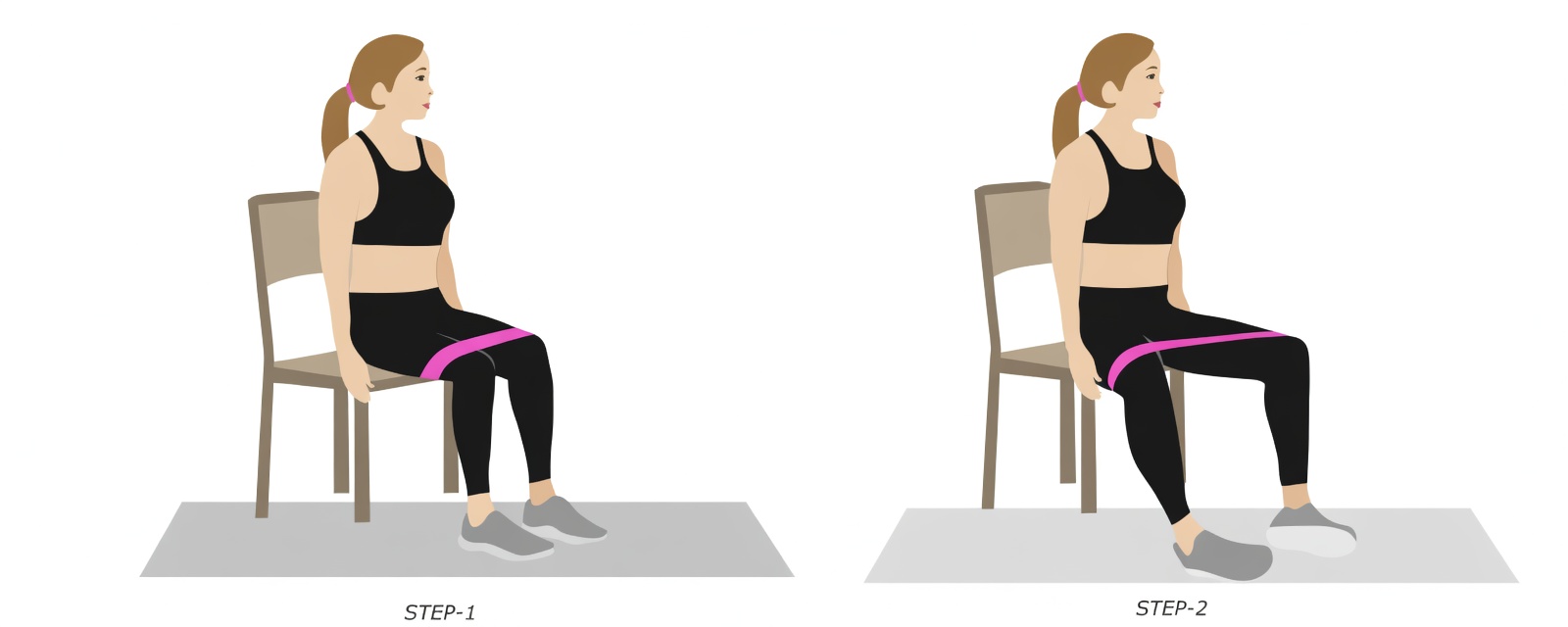
5 Key Glute Exercises for Seniors
The following exercises work all major parts of the glutes—the gluteus maximus, medius, and minimus—using a mix of seated, standing, and lying positions. Adjust the pace and range of motion to your comfort level.
1. Seated Glute Squeezes
An excellent starting exercise that activates the glutes without requiring you to stand, ideal if you have balance or mobility concerns.
How to do it:
- Sit tall in a chair, feet flat on the floor, hip-width apart.
- Tighten your buttock muscles as if you’re gently pinching a pencil between them.
- Hold the squeeze for about 5 seconds.
- Relax completely, then repeat.
Perform 10–15 repetitions. Concentrate on the quality of each contraction. You might imagine your hips lifting slightly off the chair to deepen the activation.
Isometric holds like these help retrain the brain-muscle connection and improve glute engagement over time.
2. Glute Bridges
Glute bridges strengthen the back of the hips and legs while also engaging the core for better stability.
How to do it:
- Lie on your back on a mat with knees bent and feet flat on the floor, hip-width apart.
- Place your arms by your sides, palms down.
- Press through your heels and lift your hips toward the ceiling until your shoulders, hips, and knees form a straight line.
- Squeeze your glutes at the top and hold for 2–3 seconds.
- Slowly lower your hips back down with control.
Do 10–12 repetitions. Keep your core gently braced and avoid over-arching your back.
3. Standing Glute Kickbacks
This standing exercise targets the gluteus maximus and also challenges your balance.
How to do it:
- Stand behind a sturdy chair, lightly holding the back for support. Feet are hip-width apart.
- Shift your weight onto your left leg.
- Slightly hinge forward at the hips, keeping your back straight.
- Extend your right leg straight behind you without arching your back.
- Squeeze the right glute as you lift the leg, then slowly return to the starting position.
Perform 10 repetitions per leg, then switch sides. Focus on controlled, deliberate movement rather than height.
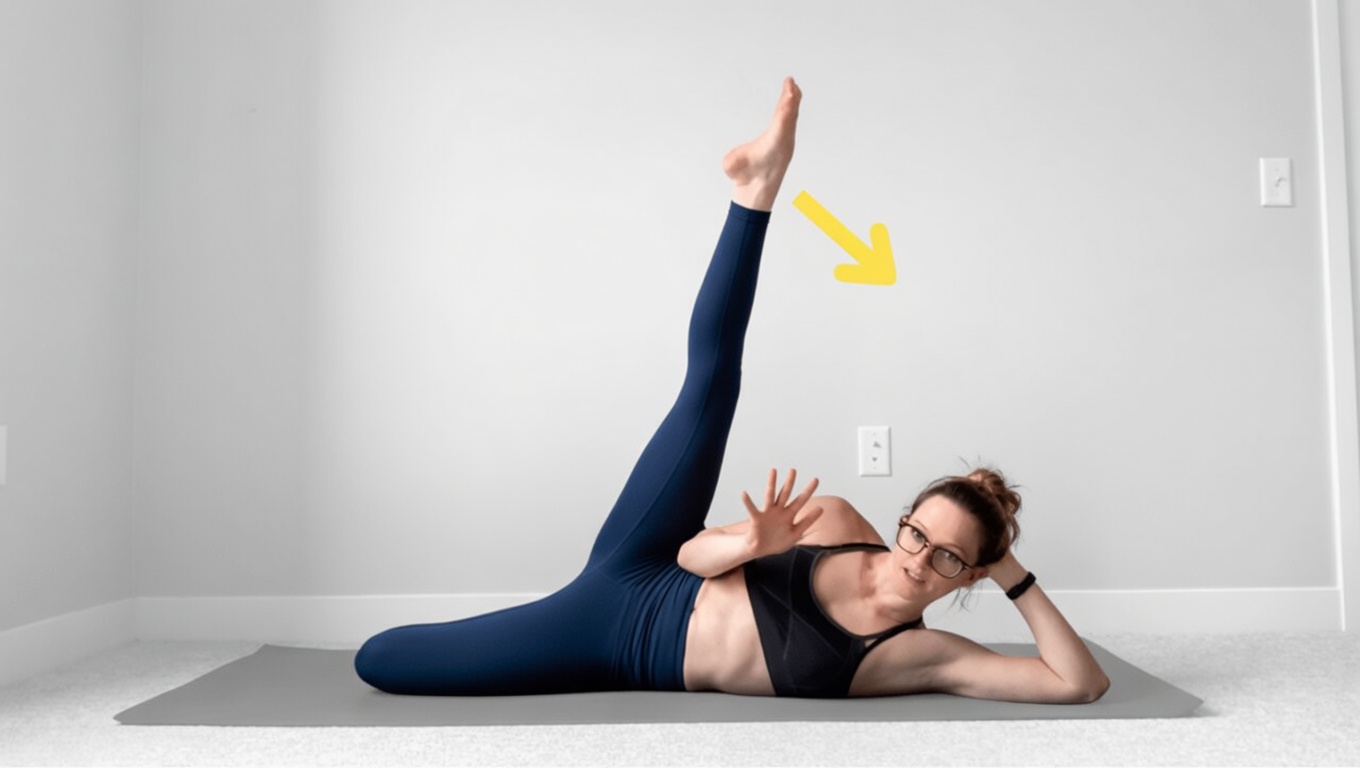
4. Side-Lying Leg Lifts
This move focuses on the gluteus medius, which plays a crucial role in hip stability and sideways balance.
How to do it:
- Lie on one side on your mat. You can bend the bottom leg for extra support if needed.
- Keep the top leg straight and in line with your body.
- Slowly lift the top leg upward, leading with the heel.
- Lower the leg back down with control, stopping just before it touches the bottom leg.
Complete 10–15 lifts per side. Try not to swing the leg—smooth, steady movement is key.
5. Chair Squats
Chair squats build practical, functional strength for everyday actions like standing up and sitting down.
How to do it:
- Stand in front of a chair with your feet about shoulder-width apart.
- Reach your hips back as if you are going to sit down, bending your knees and keeping your chest lifted.
- Lower yourself toward the chair until you are just above the seat—do not fully sit.
- Press through your heels and squeeze your glutes to stand back up.
Repeat 10 times. Keep your knees aligned with your toes and your weight in your heels, not your toes.
Over time, you may find that standing up from low seats or toilets becomes noticeably easier—a clear sign of progress.
Common Mistakes to Watch Out For
To get the most benefit and reduce the risk of discomfort, avoid these frequent errors:
- Moving too fast: Rushing through exercises decreases muscle engagement. Slow, controlled movements are more effective.
- Arching the lower back: In bridges and kickbacks, maintain a neutral spine. Excessive arching can strain the back.
- Holding your breath: Exhale during the effort phase (lifting or squeezing) and inhale as you return to the starting position.
- Using momentum: Swinging the legs or bouncing reduces glute activation. Focus on muscle control instead.
- Overly tight resistance bands: If you add bands, start with light resistance so you can perform the full range of motion without strain.
How to Fit These Exercises Into Your Daily Life
You do not need long workouts to see benefits. Short, consistent sessions are highly effective.
- Aim for 10–15 minutes, 2–3 times per week to start.
- Combine these exercises with regular walking for overall cardiovascular and lower-body health.
- Keep a simple log or journal to note:
- How many reps you can do comfortably
- Changes in ease of movement
- Improvements in balance or stamina
Small habits add up. For example, you can:
- Do seated glute squeezes while watching TV or reading.
- Alternate exercises each session to keep things varied and engaging.
Over weeks and months, you may notice that daily tasks feel smoother, your posture improves, and your confidence in movement increases.
Conclusion
Targeted glute-strengthening exercises are a powerful way to maintain mobility, stability, and independence as you age. By practicing these five movements—seated glute squeezes, glute bridges, standing kickbacks, side-lying leg lifts, and chair squats—you’re actively supporting your hips, back, and overall balance.
Start at a comfortable level, stay consistent, and progress gradually. Even modest, regular effort can lead to meaningful improvements in how you move and feel every day.
FAQ
What causes weak glutes in people over 60?
Common causes include:
- Long periods of sitting
- Natural age-related muscle loss (sarcopenia)
- Lower activity levels
- Past injuries, surgeries, or chronic pain
- Postural changes over the years
These factors can create muscle imbalances and reduce glute activation.
How often should I do these glute exercises?
For most older adults, 2–3 sessions per week with rest days in between is a good starting point. This allows your muscles time to recover and adapt while still building strength.
Can I do these exercises if I have knee issues?
Many of these exercises—such as seated glute squeezes, glute bridges, and side-lying leg lifts—are low-impact and often more knee-friendly. However, you may need to modify chair squats or kickbacks based on your comfort.
Always consult a healthcare provider or physical therapist for personalized guidance, especially if you have existing joint problems or pain.
This content is for informational purposes only and does not replace professional medical advice. Always speak with your doctor or qualified healthcare provider before starting any new exercise program.