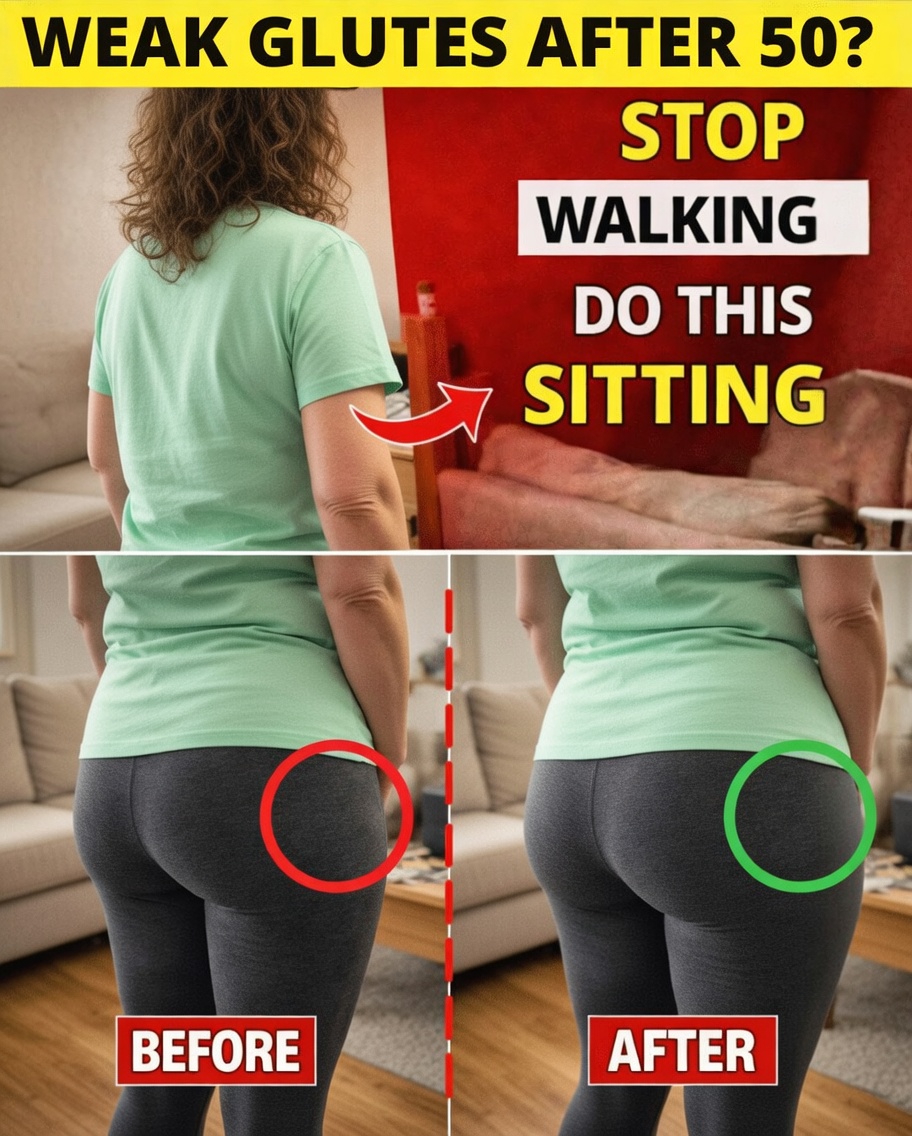
Stronger Glutes After 60: 5 Simple Chair Exercises That Can Help
After 60, many people notice their glutes are not as strong as they once were. Years spent sitting at a desk, behind the wheel, or on the sofa can gradually weaken these essential muscles. As a result, everyday tasks may start to feel more challenging, whether it is standing up from a chair or staying steady while walking.
The good news is that rebuilding glute strength does not require expensive equipment or intense workouts. A few simple, low-impact changes can help wake up these muscles safely, all from the comfort of a chair. Even better, some highly effective exercises can be done entirely while seated. These movements target the glutes more directly than regular walking often does. And the fifth exercise in this guide may be the unexpected chair-based move that helps improve mobility and confidence the most.
Why Glute Strength Often Declines After 60
As the body ages, muscle mass naturally decreases unless it is challenged regularly. This age-related loss of muscle, often called sarcopenia, affects everyone to some degree. However, the glutes tend to suffer even more in people who spend long hours sitting.
Extended sitting keeps the glute muscles stretched and underused. Over time, this can lead to what many call gluteal amnesia or dead butt syndrome, where the muscles stop activating efficiently. Research suggests that glute-focused exercise can improve muscle function in older adults, supporting better balance, posture, and daily movement without making exercise complicated.
When the glutes are not doing their job well, other areas often compensate. The lower back, hips, and knees may take on extra strain, which can lead to discomfort, poor movement patterns, and fatigue over time.
Common signs of weaker glutes after 60 include:
- Trouble getting up from a chair without pushing with your hands
- Feeling less stable when turning or changing direction
- Tightness in the hips or lower back after standing or walking
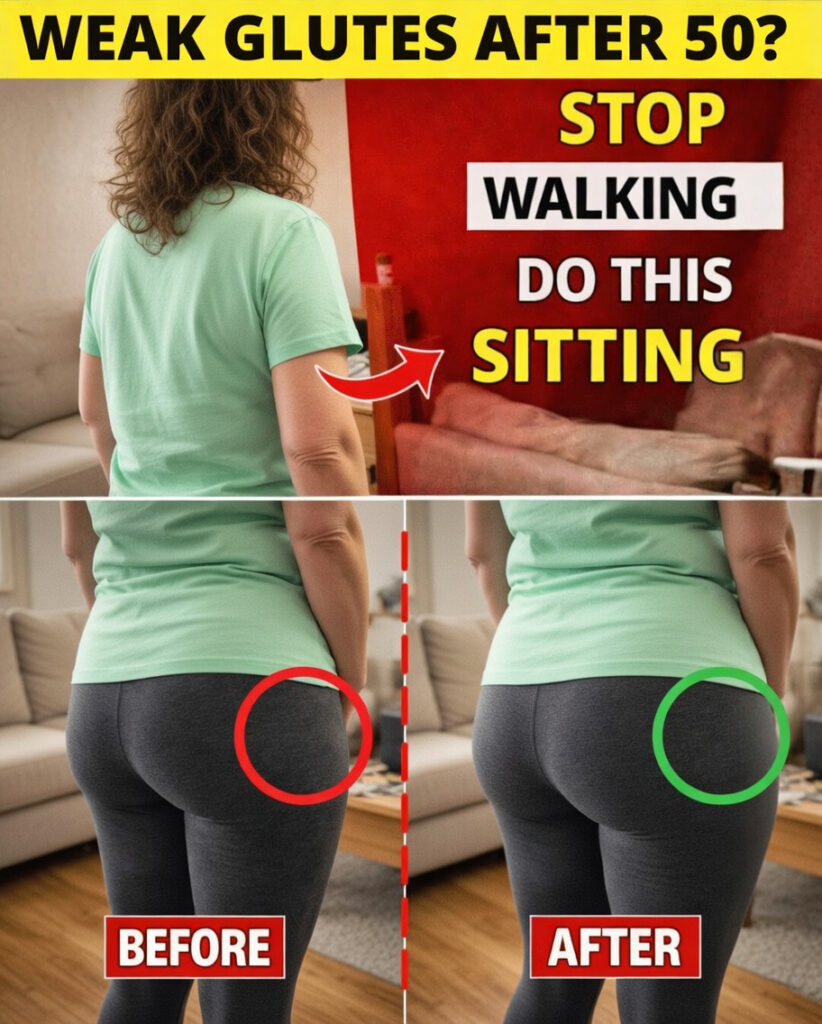
- A flatter or less toned appearance in the glute area
The encouraging part is that glute strength and function can improve at any age with consistent, low-impact training and proper technique.
Why Seated Exercises Can Do What Walking Alone May Not
Walking is one of the best activities for cardiovascular health and general mobility. But if your glutes are already underactive, walking may not fully solve the problem. In many cases, the body keeps relying on the thighs or lower back instead of properly engaging the glutes.
That is where seated exercises can be especially useful. Because you are supported in a chair, you can focus on isolating the glute muscles with more control and less stress on the joints. This also reduces fall risk, which is important for many older adults.
These chair exercises can help “wake up” sleepy glutes so they begin working more effectively during standing, walking, and climbing stairs.
There is another major benefit: consistency. These simple movements can gradually support better posture, improved strength, and greater confidence. Since they can be done almost anywhere, they are easy to fit into daily life, whether during a TV break or a few quiet minutes at home.
5 Seated Exercises to Help Build Stronger Glutes
These exercises are senior-friendly, require little to no equipment, and can fit into almost any routine. Try doing them 2 to 3 times per week. Start gently and increase your effort as you feel stronger. Stop if you feel pain, and aim for smooth, controlled movement rather than rushing through repetitions.
1. Seated Glute Squeeze
This is a simple isometric exercise and an excellent place to begin. It helps rebuild the connection between your brain and your glute muscles in a safe, easy way.
How to do it:
- Sit upright in a sturdy chair.
- Keep your feet flat on the floor and your knees bent at about 90 degrees.
- Tighten your glutes as though you are trying to hold something between them.
- Hold the contraction for 5 to 10 seconds.
- Release slowly.
Breathing tip:
- Inhale before you begin
- Exhale as you squeeze
Do 10 to 15 repetitions.
This move is easy to practice while watching television, reading, or taking a break during the day.
2. Seated Knee Abduction
This exercise targets the gluteus medius, an important muscle for hip stability and balance.
How to do it:
- Sit near the edge of your chair.
- Keep your feet together.
- Press your knees outward against imaginary resistance.
- If available, place a resistance band just above the knees for added challenge.
- Hold the outward press for 3 to 5 seconds, then return slowly.
Do 12 to 15 repetitions for 2 to 3 sets.
If you do not have a resistance band, that is perfectly fine. The key is to move with control and focus on feeling the outer hips and glutes working.
3. Seated Glute Marches
This exercise adds motion while keeping you safely supported. It can help improve coordination and glute activation in a way that transfers well to walking.
How to do it:
- Sit tall with both feet flat on the floor.
- Gently engage your core.
- Lift one knee slightly toward your chest.
- At the same time, press the opposite foot firmly into the floor and tighten that glute.
- Lower the leg and switch sides, like a slow seated march.
Perform 10 to 12 marches per leg.
Keep the movement controlled and avoid bouncing. Over time, this exercise can help make everyday walking feel more natural and steady.
4. Sit-to-Stand with a Glute Focus
This is one of the most practical exercises because it trains a movement you use every day: getting up from a chair.
How to do it:
- Sit near the front edge of the chair.
- Place your feet hip-width apart.
- Lean slightly forward from the hips.
- Push through your heels to stand up.
- At the top, squeeze your glutes.
- Lower yourself back down slowly and with control.
Aim for 8 to 12 repetitions.
If needed, use your hands on the chair arms at first. As your strength improves, try to depend on them less. This exercise can make a real difference in daily independence.
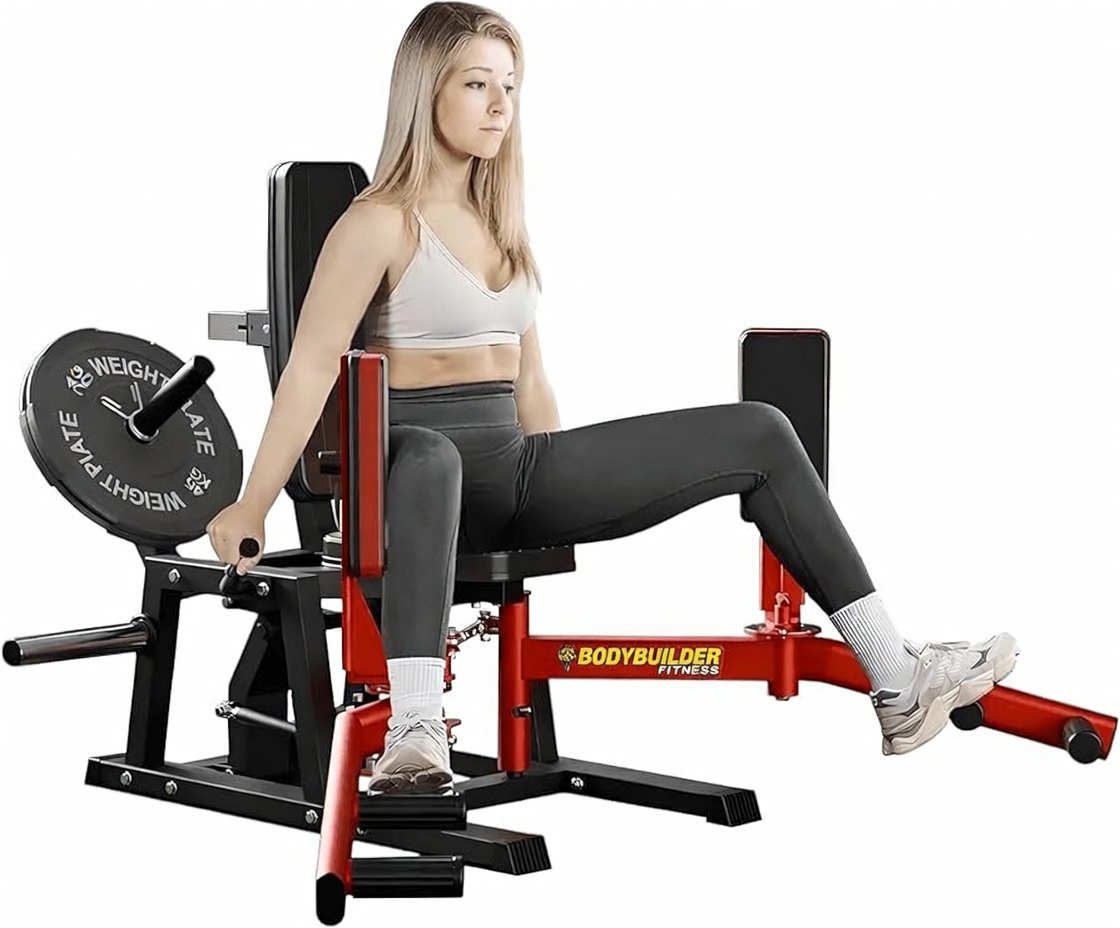
5. Seated Single-Leg Foot Press
This final exercise often surprises people with how effective it feels. It creates a strong glute contraction while still being done entirely from a seated position.
How to do it:
- Sit tall in your chair.
- Keep one foot flat on the floor.
- Extend the other leg slightly forward, or place it in a comfortable figure-four position if that feels better.
- Press firmly through the heel of the working foot as if you are trying to lift your hips, even though you remain seated.
- Squeeze the glute on that side hard.
- Hold for 3 to 5 seconds, then relax.
- Switch sides.
Do 10 repetitions per leg.
Because this exercise works one side at a time, it can help address strength imbalances that may have developed over the years.
How to Get Better Results from These Glute Exercises
To make these chair exercises more effective, focus on how the movement feels rather than simply counting reps. Slow, controlled contractions are more useful than rushing.
Helpful tips:
- Warm up with a gentle 2-minute seated or standing march
- Keep breathing steadily and avoid holding your breath
- Maintain good posture throughout each exercise
- Track your sessions in a notebook or on your phone
- Progress gradually by adding repetitions or increasing hold times
Once your glutes start activating more consistently, combine these exercises with your normal walking routine. Research on resistance-style exercise in older adults shows that regular practice can support improved muscle strength and better physical function.
Make These Exercises Part of Daily Life
One of the biggest advantages of seated glute exercises is how easy they are to include in your day. You do not need a gym, complicated equipment, or a long workout session. A few minutes several times a week can be enough to start building strength and restoring muscle activation.
The key is consistency. Done regularly, these simple chair exercises can help support stronger glutes, easier movement, better balance, and more confidence in daily activities. For many adults over 60, that can mean standing up more easily, walking more comfortably, and feeling more capable in everyday life.