The Best Nuts to Eat After 60 for Better Heart, Brain, and Bone Health
Reaching for a handful of nuts may seem like one of the easiest healthy habits after 60. Many people want a snack that helps support the heart, keeps the mind sharp, and protects bone strength without adding another complicated wellness routine. But not every nut is equally helpful. Some common choices may promote inflammation, encourage overeating, or work against your goals when metabolism naturally slows with age.
That can feel especially frustrating if you are already dealing with low energy, mental fog, stiff joints, or other everyday signs of aging. The encouraging part is that making smarter choices can have a noticeable impact. The best nuts after 60 can offer meaningful support for long-term wellness, while a few others are better limited or replaced.
And the top choice may be simpler than you think.
4 Best Nuts After 60
As the body changes with age, nutrition matters more than ever. The right nuts can help with steady energy, healthy circulation, better brain function, and stronger bones. These four stand out as especially beneficial for older adults.
4. Almonds – Strong Support for Bones and Arteries
Bone loss becomes a bigger concern after 60, especially when even a minor fall can lead to a fracture. At the same time, stiffening arteries may increase worries about cardiovascular health.
Almonds are one of the best nuts after 60 because a serving of about 15 to 20 nuts provides close to 100 mg of calcium. They also contain magnesium, which helps the body direct calcium into the bones rather than allowing it to build up in arteries.
Their brown outer skin is rich in flavonoids, and when combined with vitamin E, almonds offer powerful antioxidant protection. This may help reduce oxidative stress linked with aging.
For easier digestion and improved mineral absorption, soak almonds overnight before eating them. If chewing is difficult, they can also be ground into a soft powder or added to oatmeal or yogurt.
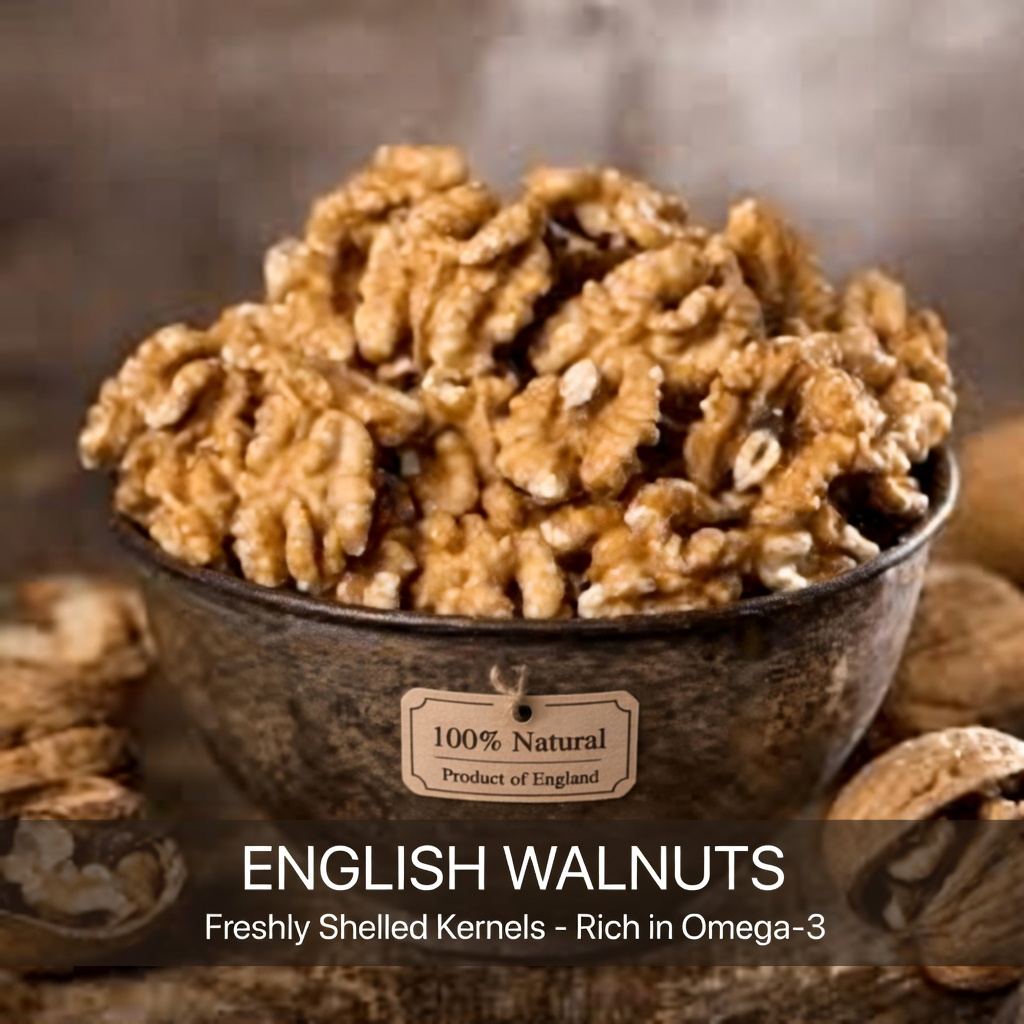
3. Walnuts – A Natural Choice for Brain Health
Many adults over 60 notice occasional memory slips or slower recall. Even small changes in mental sharpness can affect confidence and daily comfort.
Walnuts are often considered true brain food. They are among the richest plant sources of ALA omega-3 fatty acids, which are known for their anti-inflammatory effects. That makes them one of the most valuable nuts after 60 for cognitive support.
A 2022 study found that older adults who ate 7 to 9 walnut halves per day showed improvements in memory recall and processing speed within eight weeks. Walnuts also naturally contain melatonin, which may help support better sleep, especially for people who struggle with restless evenings.
Because their oils are delicate, walnuts can spoil quickly at room temperature. Store them in the refrigerator or freezer to preserve freshness and protect their nutritional benefits.
2. Pistachios – Helpful for Blood Pressure and Eye Protection
Blood pressure often becomes more difficult to manage with age, and vision changes can make reading, driving, or climbing stairs feel more challenging.
Pistachios are one of the best nuts after 60 because they provide a strong dose of potassium with very little sodium. In fact, one ounce contains more potassium than half a banana. This mineral helps the body manage excess sodium and supports healthier blood pressure balance.
Their green color comes from lutein and zeaxanthin, two carotenoids associated with eye health. These nutrients may help protect the macula from age-related decline.
Keeping pistachios in their shells offers another advantage: it naturally slows down eating. Research suggests that shelling them as you go may reduce mindless snacking by as much as 30 percent.

1. Brazil Nuts – The Tiny Nut with Big Benefits
Fatigue, mood changes, and poor balance can become more common after 60, especially when thyroid function or nerve health needs extra support.
Brazil nuts rank at the top of the list because they are exceptionally rich in selenium. Just one nut contains about 96 mcg, which is roughly 137% of the daily requirement. They deliver this mineral in a highly absorbable natural form, making them one of the most effective nuts after 60.
Selenium plays an important role in thyroid health, which affects energy levels, mood, and body temperature. It also helps support the myelin sheath that protects nerves, potentially contributing to quicker reflexes and better stability.
However, more is not better. Limit intake to 1 or 2 Brazil nuts per day. Eating more than 4 daily for an extended period may lead to excessive selenium intake. A simple reminder on your calendar can help you keep the amount safe and consistent.
Quick Comparison of the Best Nuts After 60
| Nut | Key Nutrients | Ideal Daily Amount | Main Benefit After 60 |
|---|---|---|---|
| Almonds | Calcium + Magnesium | 15–20 nuts | Bone strength and healthier arteries |
| Walnuts | ALA Omega-3 + Melatonin | 7–9 halves | Better memory and improved sleep |
| Pistachios | Potassium + Lutein | 1 ounce (about 49 kernels) | Blood pressure and eye health |
| Brazil Nuts | Selenium | 1–2 nuts | Thyroid support and nerve protection |
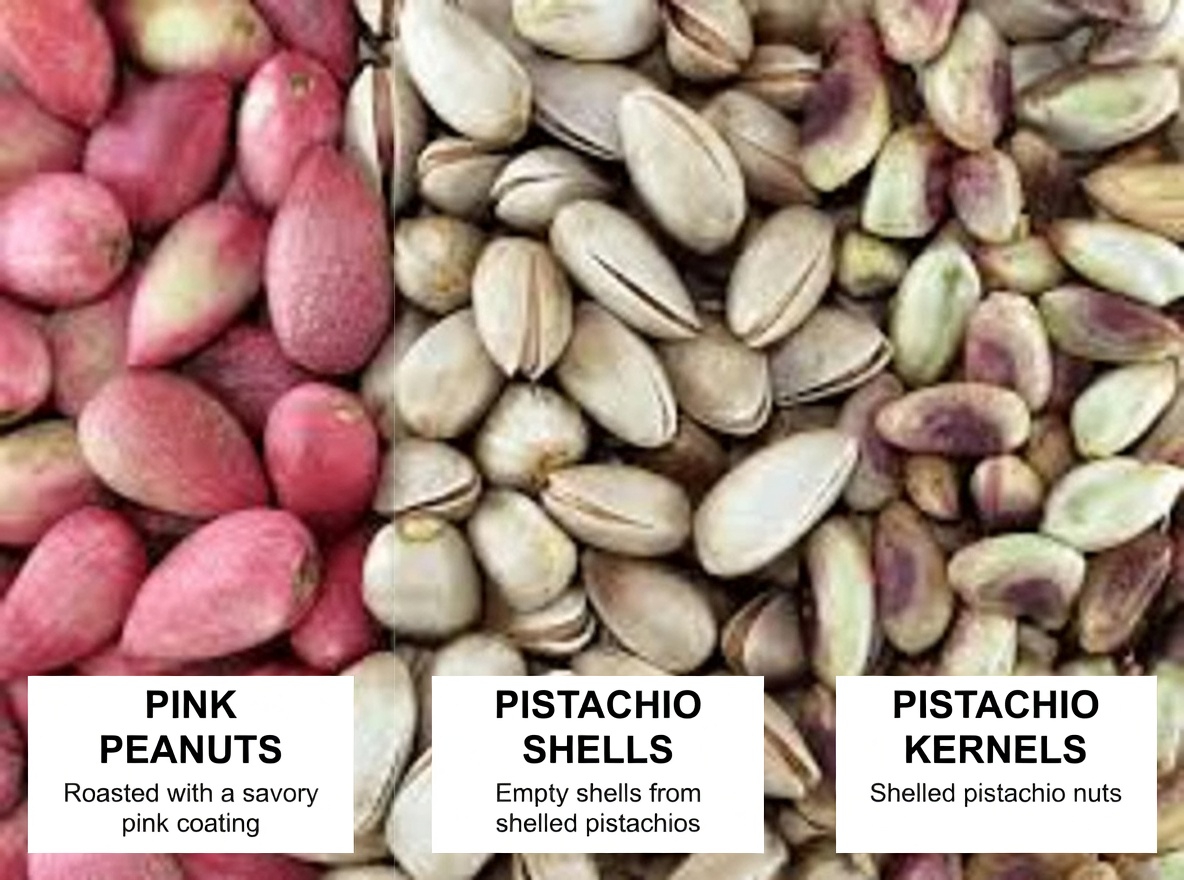
4 Nuts Many Seniors Should Limit or Replace
Even foods with a healthy reputation can become less helpful after 60 if they contribute to inflammation, blood sugar swings, or excess calorie intake. These nuts are not necessarily forbidden, but they are worth reducing if you want better daily energy and comfort.
1. Peanuts – A Hidden Source of Inflammation Risk
Peanuts are commonly grouped with nuts, but they are technically legumes. Because they grow underground, they carry a greater risk of aflatoxin contamination, a mold-related issue that raises concern for some health-conscious adults.
They also have a very high omega-6 to omega-3 ratio, which may encourage inflammation when eaten too often. Many commercial peanut butters add sugar and low-quality oils, making the problem worse.
If you still enjoy peanuts, choose Valencia peanuts when possible, as they are often considered lower risk. Refrigeration is also important for better storage.
2. Cashews – Higher in Carbs and Oxalates
Blood sugar control tends to become more important with age, especially for adults trying to manage weight or support metabolic health.
Cashews contain about 9 grams of carbohydrates per ounce, which is nearly twice as much as many other nuts. They also offer relatively little fiber to slow the effect on blood sugar. In addition, they are high in oxalates, which may interfere with calcium balance and may be a concern for those prone to kidney stones.
Cashews are best treated as an occasional indulgence rather than a daily staple.
3. Macadamia Nuts – Easy to Overeat
A slower metabolism means calorie-dense foods can add up quickly. Macadamia nuts are especially rich, with more than 200 calories and around 3 grams of saturated fat in just one ounce.
Because they are so satisfying and buttery, it is easy to eat more than intended. Their palmitic acid content may also become a concern when portions regularly get too large, particularly for people watching insulin sensitivity.
A small serving of 4 to 5 macadamia nuts from time to time is usually manageable, but a full handful every day may not be ideal after 60.
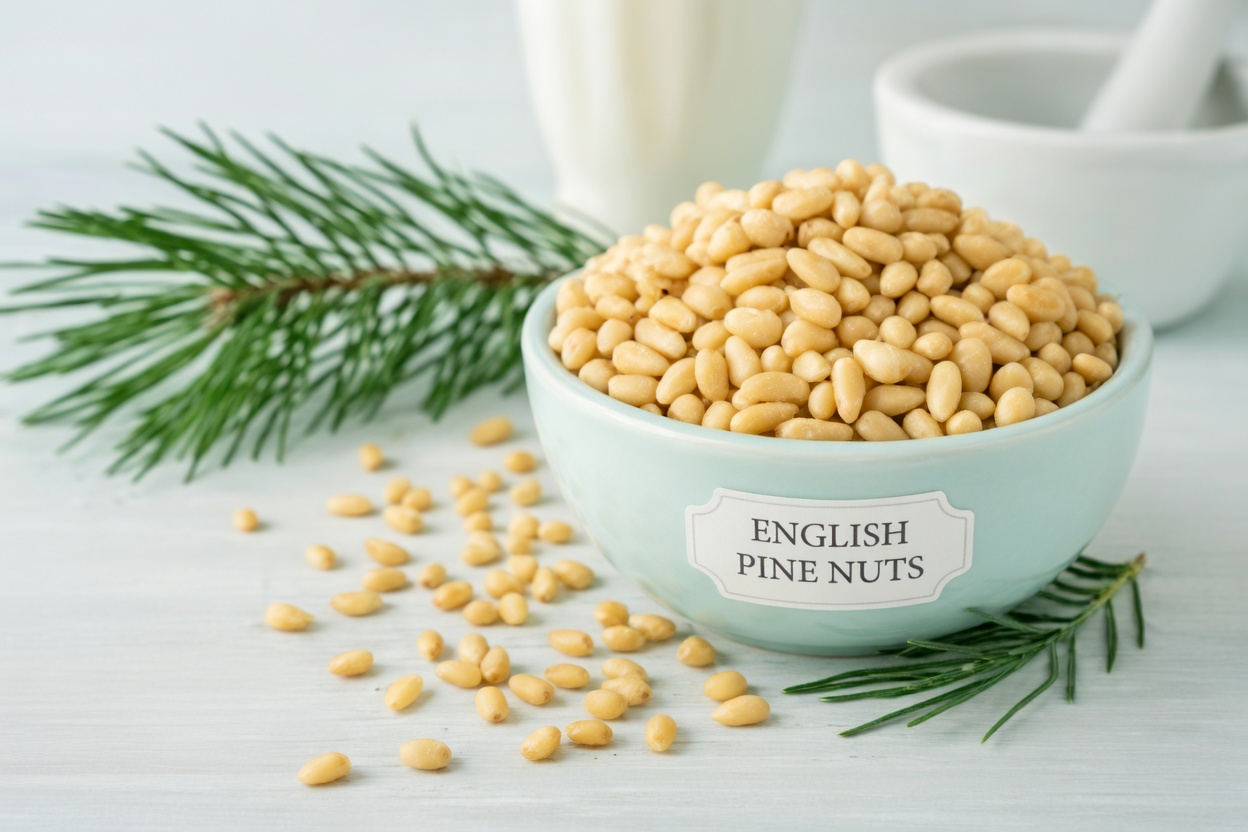
4. Pine Nuts – Prone to Rancidity and “Pine Mouth”
Pine nuts can be delicious, but they come with a few drawbacks. Some varieties are associated with a condition often called pine mouth, which causes a bitter or metallic taste that may last for days or even up to two weeks.
They are also high in delicate fats that oxidize quickly, especially if not stored properly. For some people, medication interactions may be another reason to be cautious.
For pesto or salad toppings, pistachios or pumpkin seeds are often smarter substitutes.
Real Experiences from Adults Over 60
Small changes in food choices can lead to surprisingly noticeable results.
- Robert, 67, Ohio: “I replaced my usual peanut butter toast with 12 soaked almonds and started feeling more even energy and less afternoon brain fog within two weeks.”
- Maria, 64, Florida: “I began eating a few walnuts in the evening, and my sleep improved so much that I stopped needing coffee late in the day.”
These simple stories reflect what many people discover: better nut choices after 60 can quietly improve how you feel every day.
Easy Tips to Start Today
- Pre-portion nuts into small reusable containers to avoid overeating.
- Soak almonds overnight and rinse them before eating for better mineral absorption.
- Keep walnuts and Brazil nuts refrigerated to protect their delicate fats.
- Pair pistachios with fruit for a more balanced snack.
- Track your daily Brazil nut intake so you stay within the safe 1 to 2 nut range.
Final Thoughts
Choosing the best nuts after 60 does not need to be complicated. Almonds, walnuts, pistachios, and Brazil nuts offer meaningful support for bone strength, heart health, brain function, and overall daily vitality. At the same time, it is wise to cut back on peanuts, cashews, macadamias, and pine nuts if you want to reduce inflammation, avoid excess calories, and make every snack count.
With the right portions, proper storage, and a little consistency, these small choices can help you feel stronger, sharper, and more balanced as you age.