
Supporting Muscle Strength After 60 With Everyday Fruits
Entering your 60s often comes with subtle but noticeable changes: getting up from a chair takes more effort, stairs feel steeper, and simple tasks can leave you unusually tired. As muscle strength gradually declines, concerns about balance, stamina, and staying independent naturally grow.
Alongside protein and movement, certain common fruits for muscle support after 60 may help your body cope with these changes. Research suggests that specific plant compounds in fruit can support muscle function, recovery, and overall vitality when used as part of a balanced lifestyle.

Below you’ll discover five accessible, great-tasting fruits that may help you maintain strength and feel more confident in your body after 60.
Why Muscle Concerns After 60 Matter – And How Fruit Can Help
Many adults over 60 notice their clothes fitting looser, legs feeling weaker, or soreness lingering longer after everyday activities like walking, cleaning, or gardening. These shifts are often signs of age-related muscle loss (sarcopenia), which can:
- Increase the risk of falls and fractures
- Make daily tasks more tiring
- Reduce independence and confidence
- Affect overall quality of life
The cornerstone of muscle support after 60 is still:
- Adequate protein intake
- Regular resistance and balance exercises
- Good sleep and recovery
However, fruits for muscle support after 60 can play a complementary role. Certain fruits are rich in bioactive compounds that may:
- Help manage low-grade inflammation
- Support energy production at the cellular (mitochondrial) level
- Aid circulation and nutrient delivery to muscles
- Provide antioxidants that protect muscle tissue from oxidative stress
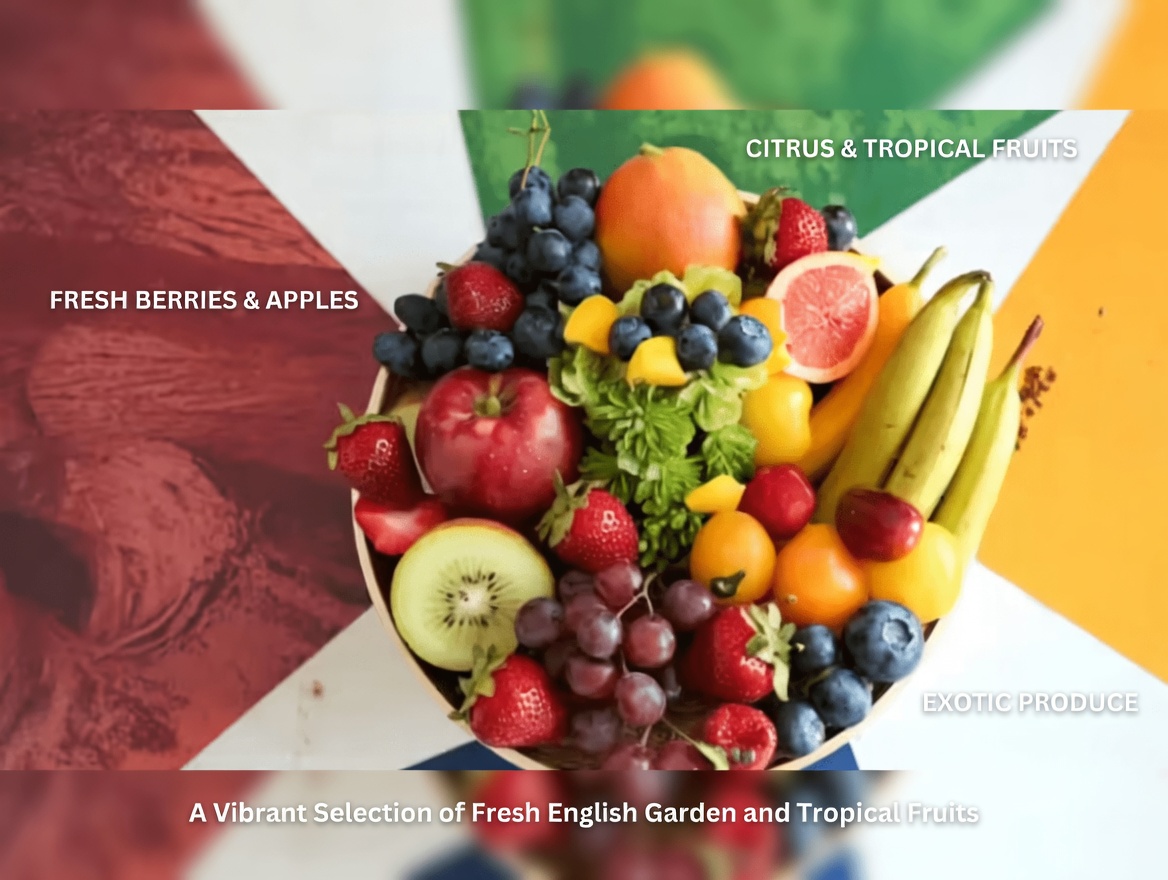
Used consistently, these fruits can become a simple, enjoyable tool in your strength-preserving toolkit.
Fruit 1: Bananas – A Foundation Fruit for Muscle Support After 60
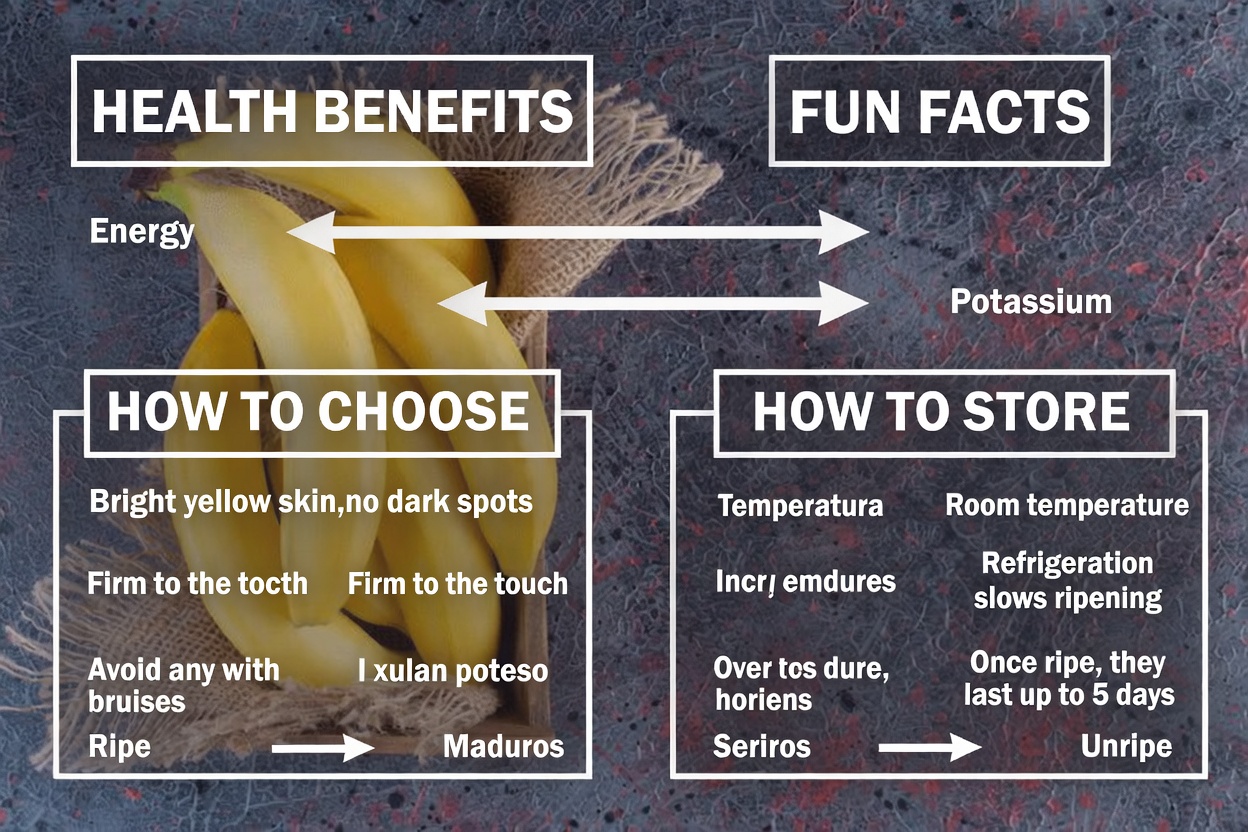
If you experience leg cramps, unsteady balance, or muscle twitching, bananas are a smart fruit to prioritize for muscle support after 60. A medium banana supplies:
- Potassium
- Magnesium
- Vitamin B6
These nutrients are essential for:
- Proper nerve signaling
- Fluid and electrolyte balance
- Normal muscle contraction and relaxation
Studies associate adequate potassium intake with better preservation of muscle mass in older adults. To use bananas as fruits for muscle support after 60:
- Enjoy one banana with a protein source (such as yogurt, eggs, or nuts) after a walk or light workout to support recovery.
- Pair a banana with a spoonful of nut butter in the evening if you struggle with nighttime leg cramps.
Many older adults find that including bananas regularly helps reduce cramping and supports steadier energy during the day.
Fruit 2: Blueberries – Antioxidant Power for Aging Muscles
If your energy fades faster than it used to, blueberries are standout fruits for muscle support after 60. Their deep color comes from anthocyanins, powerful antioxidants that research suggests may:
- Help protect cells from oxidative stress
- Support mitochondrial function (your cells’ energy factories)
- Potentially improve recovery from physical activity
Ways to use blueberries for muscle support after 60:
- Add ½–1 cup of fresh or frozen blueberries to morning oatmeal, yogurt, or smoothies.
- Combine blueberries with a protein source (Greek yogurt, cottage cheese, or a protein shake) for a balanced snack.
The same compounds that have been linked to brain health may also support overall vitality, giving blueberries a dual benefit: helping you think clearly and move more comfortably as you age.
Fruit 3: Tart Cherries – Comfort and Recovery Allies
Persistent fatigue or slow recovery after modest activity can be discouraging in your 60s and beyond. Tart cherries rank among the top fruits for muscle support after 60 because they are rich in polyphenols that may help:
- Reduce markers of inflammation
- Support joint and muscle comfort
- Improve post-exercise recovery
Research indicates that tart cherry juice or dried tart cherries can enhance comfort after activity in older adults. To incorporate tart cherries:
- Drink 8–12 oz (about 240–350 ml) of unsweetened tart cherry juice in the evening to support both recovery and restful sleep, when most repair processes occur.
- Choose a small handful of unsweetened dried tart cherries as an easy snack or dessert alternative.

Used consistently, tart cherries can be a convenient way to help your body bounce back more easily from everyday exertion.
Midway Check-In: How Is Your Strength Confidence?
Pause for a moment and rate your current strength confidence on a scale from 1 to 10.
- How often does muscle weakness affect your daily activities—like standing up, carrying groceries, or climbing stairs?
- Which of these fruits for muscle support after 60 feels easiest for you to start with today?
Small changes, repeated daily, often make the biggest difference over time.
Fruits 4 & 5: Pomegranates and Apples – Support for Circulation and Muscle Signaling
Pomegranates: Circulation and Cellular Support
If you struggle with sustaining energy for walks or household tasks, pomegranates are valuable fruits for muscle support after 60. They contain ellagitannins, which can convert in the body to compounds called urolithins. Early research suggests urolithins may:
- Support healthy blood flow to muscles
- Promote cellular “cleanup” processes (removing damaged components)
- Help maintain muscle function as you age
Practical ways to use pomegranates:
- Drink 4–8 oz (120–240 ml) of unsweetened pomegranate juice before light exercise or a walk.
- Sprinkle pomegranate seeds over salads, yogurt, or grain bowls.
This timing and pattern of intake may enhance the role of pomegranates as fruits for muscle support after 60 by helping your muscles receive nutrients more efficiently during activity.
Apples: Daily Support for Muscle Signaling
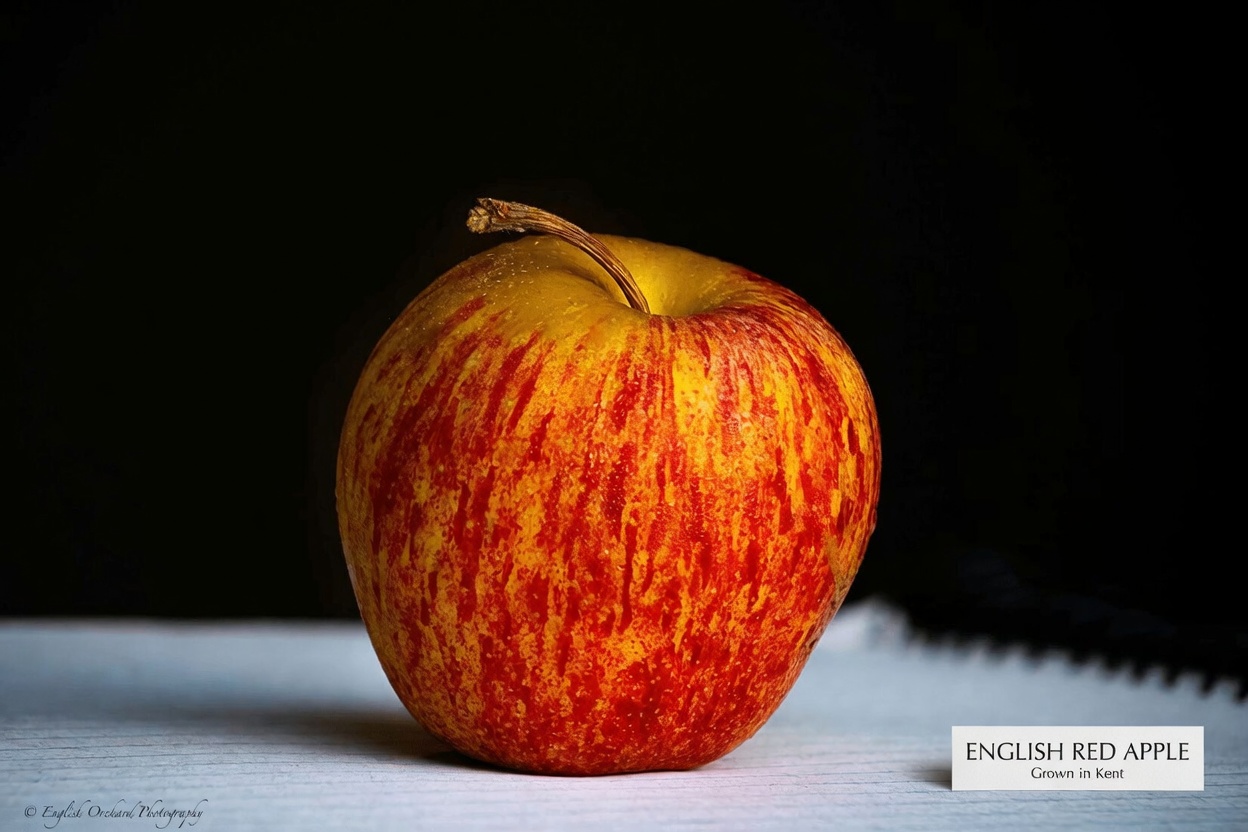
Apples—especially when you eat the skin—provide ursolic acid, a compound studied in preclinical research (including work from the University of Iowa) for its potential to:
- Support muscle signaling pathways
- Help maintain muscle mass and strength when combined with activity
To use apples as fruits for muscle support after 60:
- Eat one medium apple a day, with the peel on, for fiber, antioxidants, and potential muscle benefits.
- Combine an apple with a protein or healthy fat (like nuts or cheese) to keep blood sugar more stable.
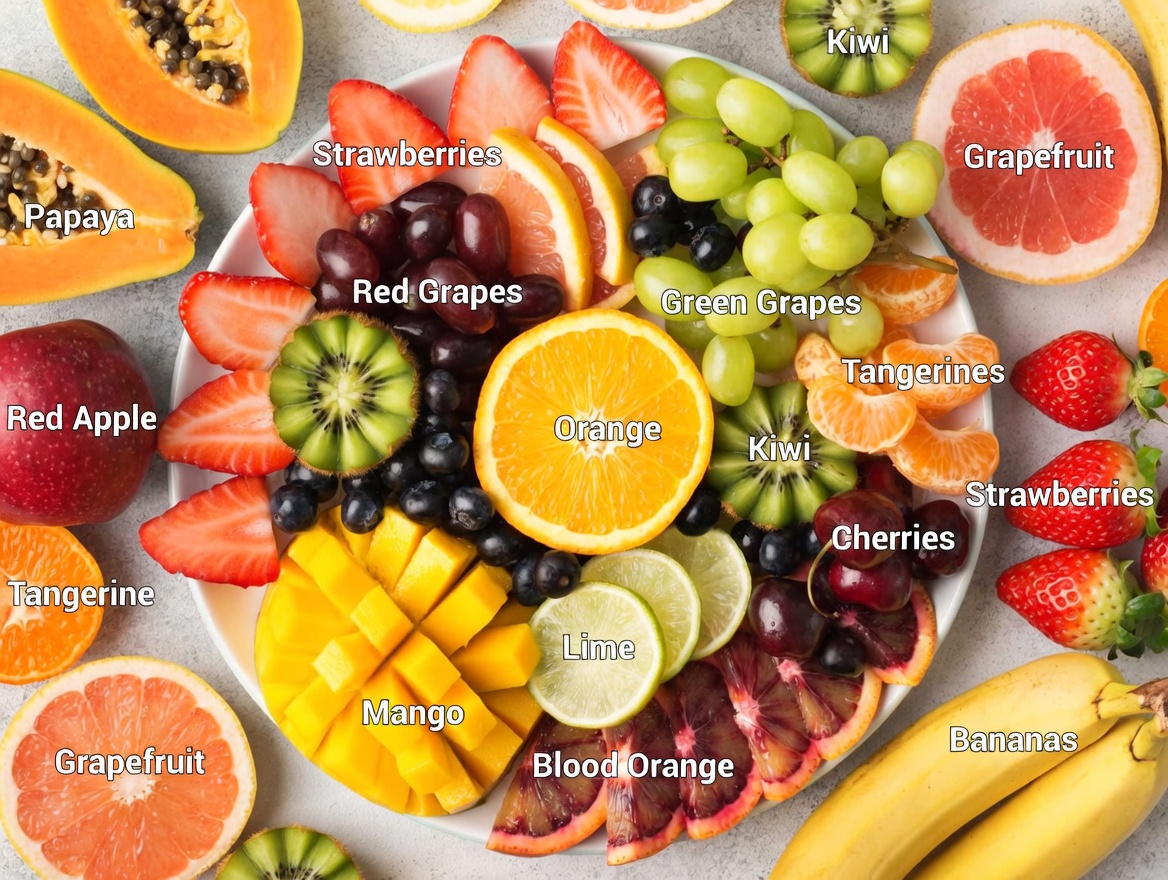
This simple habit can become an easy, daily way to support not only your muscles but also digestion and heart health.
Comparison Table: Top 5 Fruits for Muscle Support After 60
| Fruit | Key Compounds | How It May Help | Best Time to Use | Quick Notes |
|---|---|---|---|---|
| Bananas | Potassium, Mg, B6 | Support nerve signaling & electrolyte balance; aid normal muscle contraction | After activity or walks | 1 medium banana with protein |
| Blueberries | Anthocyanins | Help protect cells; support energy production & recovery | Morning or pre-activity | ½–1 cup fresh or frozen |
| Tart cherries | Polyphenols | Support comfort, recovery, and restful sleep | Evening or post-activity | Unsweetened juice or dried |
| Pomegranates | Ellagitannins → urolithins | Support circulation & cellular cleanup in muscles | Before light exercise | 4–8 oz unsweetened juice or seeds |
| Apples (with skin) | Ursolic acid | Support muscle signaling and maintenance | Any time, daily | 1 medium apple, peel on |
30-Day Starter Plan Using Fruits for Muscle Support After 60
Use this simple month-long outline to gradually build new habits. Adjust portions to your appetite and health needs.
Week 1: Build a Foundation
Focus fruits: Bananas and blueberries
- Have a banana with protein (e.g., yogurt, eggs, nut butter) after a short daily walk.
- Add ½–1 cup of blueberries to breakfast or a snack.
- Aim for at least 10–15 minutes of easy walking most days.
- Notice whether daily fatigue feels slightly reduced by the end of the week.
Week 2: Add Recovery Support
Focus fruits: Tart cherries + Week 1 fruits
- Continue bananas and blueberries.
- Add 8–12 oz of unsweetened tart cherry juice in the evening or a small handful of dried tart cherries.
- Introduce light resistance work 2–3 days (e.g., bodyweight exercises, light resistance bands).
- Pay attention to how quickly your muscles recover after activity.
Weeks 3–4: Expand and Progress
Focus fruits: Pomegranates and apples + previous fruits
- Include unsweetened pomegranate juice (4–8 oz) before light activity several days a week, or add pomegranate seeds to meals.
- Eat one apple daily with the skin on.
- Gradually increase walking time or the number of stairs you climb.
- Track any improvements—such as standing up more easily, handling groceries better, or feeling more stable on your feet.
Pairing Fruits for Muscle Support After 60 With Smart Habits
Fruits alone cannot replace strength training or medical care, but they can significantly enhance your overall strategy. To get the most from fruits for muscle support after 60:
- Combine with resistance training 2–3 times per week (e.g., bands, light weights, or bodyweight exercises).
- Stay consistent. Benefits often build slowly over weeks, not days.
- Track simple metrics, such as:
- How many times you can stand from a chair without using your hands
- How long it takes to walk a familiar route
- How steady you feel on stairs
Equally important is the mental shift from “I’m getting weaker” to “I’m actively supporting my strength.” Viewing these fruits as tools for muscle support after 60 can make it easier to stay motivated.
Your Next Steps With Fruits for Muscle Support After 60
You do not need to overhaul your entire diet overnight. Choose one simple step to start tomorrow, such as:
- Eating a banana with nut butter after your next walk
- Adding blueberries to breakfast
- Swapping dessert for tart cherry juice or an apple with the skin on
Save this guide, share it with a friend or family member over 60, and check in with yourself after a few weeks of consistent effort. Notice changes in your energy, balance, and confidence.
For an extra boost, try this snack idea: one apple with skin plus a small handful of almonds—a combination that supports muscle signaling, blood sugar control, and satisfaction.
FAQ About Fruits for Muscle Support After 60
-
Can I eat these fruits for muscle support after 60 if I have diabetes?
Yes, in many cases, but it is crucial to focus on whole fruits (not sugary juices) and watch portion sizes. Always consult your healthcare provider or dietitian for personalized guidance, especially regarding blood sugar management. -
How soon might I notice changes from adding these fruits?
Many people report subtle improvements in energy, recovery, or comfort within 4–8 weeks when they combine these fruits with regular activity, adequate protein, and good sleep. Results vary by individual. -
Are supplements better than whole fruits for muscle support after 60?
Whole fruits provide fiber, vitamins, minerals, and a variety of beneficial compounds working together. For most people, a food-first approach is recommended. Supplements may be considered in specific situations under professional guidance, but they should not replace a balanced eating pattern.
This information is educational and not a substitute for professional medical advice. Always consult your healthcare provider before making significant changes to your diet or exercise routine, especially if you have existing health conditions or take medications.