Poor Leg Circulation After 60: A Simple 30-Second Home Test and 3 Quick Exercises That May Help
Do your legs feel unusually heavy by evening? Are cold feet interrupting your sleep, or do your shoes feel tighter because of mild swelling? These can be subtle but frustrating signs of poor leg circulation, and they often become more noticeable with age.
Reduced blood flow in the legs can slowly affect comfort, mobility, and confidence. A short walk may start to feel tiring, and everyday movement can seem harder than it used to. For many adults over 60, poor leg circulation can also raise concerns about balance, falls, and long-term health.
The encouraging part is that you do not need complicated equipment or a long workout to start supporting healthier blood flow. A 30-second circulation test at home and three quick leg exercises may help you feel lighter, steadier, and more comfortable. Keep reading, especially for the final exercise, which many people find gives the most noticeable day-to-day relief.
Why Poor Leg Circulation Often Feels Worse After 60
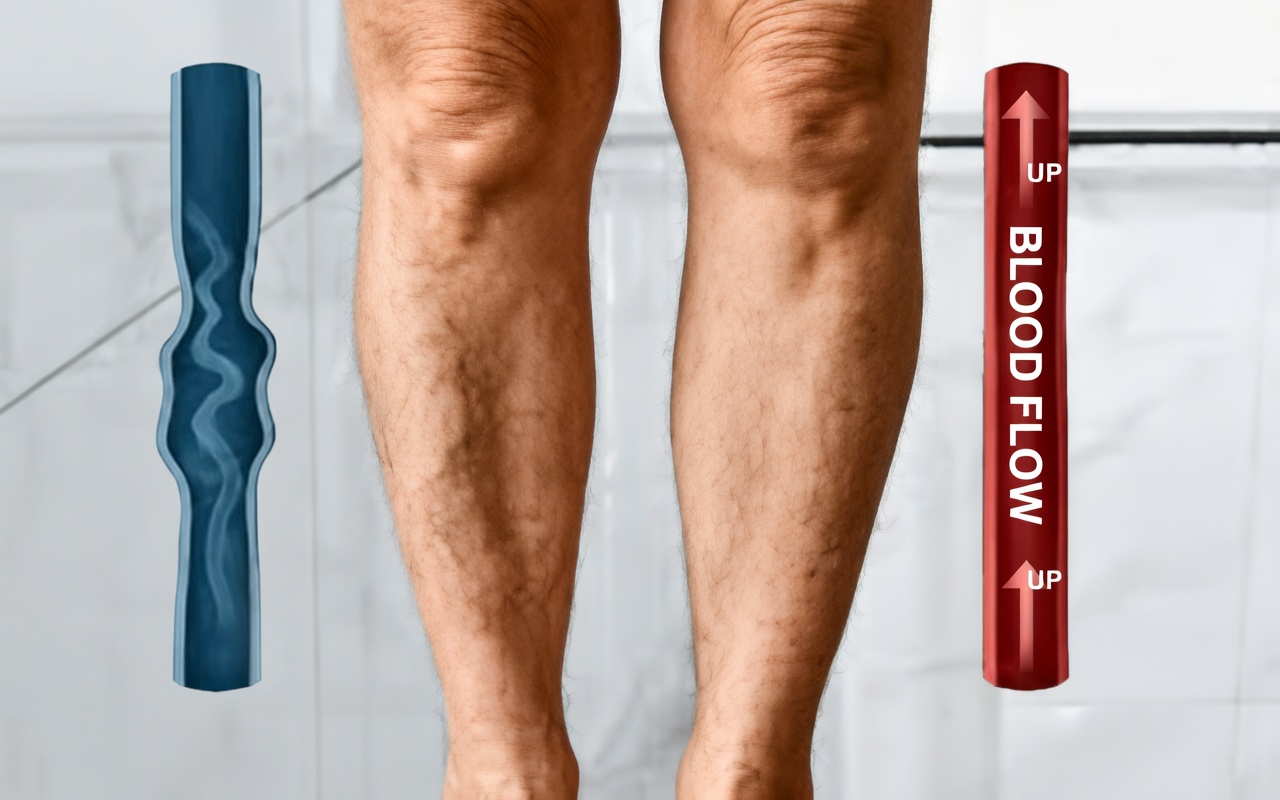
As the body ages, blood vessels naturally become less flexible, and the muscles that help push blood back toward the heart may not work as efficiently as before. This is one reason poor leg circulation after 60 becomes such a common issue.
When circulation slows down, the legs may feel:
- Heavy
- Tired
- Achy
- Swollen
- Cramp-prone
Even routine activities such as shopping, walking to the mailbox, or standing in the kitchen can start to feel more exhausting. At night, discomfort in the legs or feet may make it harder to rest.
Although these changes can feel discouraging, gentle daily movement can make a difference. A quick test and a few simple exercises can help stimulate blood flow and reduce some of the daily discomfort linked to poor leg circulation.
The 30-Second Home Test for Poor Leg Circulation
If you suspect your legs are not getting good circulation, this easy home check can offer a quick clue.
How to do it
- Lie flat on your back on a bed, sofa, or the floor.
- Raise both legs to about a 45-degree angle.
- Hold them there for 30 seconds while keeping your feet relaxed.
- Look at the color of your feet and toes.
- Then sit up and let your legs hang down over the edge.
What to notice
- If your feet become very pale while elevated, it may suggest reduced blood flow.
- If your feet then turn red, blotchy, or unusually flushed when lowered, this may point to slower circulation return.
This is not a diagnosis, but it can help you better understand why your legs may feel heavy, cold, or tired. For many older adults, this simple circulation test becomes a useful reminder to start daily movement habits that support healthier blood flow.
3 Quick Exercises to Support Better Leg Circulation
These easy movements are designed to encourage blood flow through the legs without requiring special gear or a long routine. They are gentle, practical, and easy to fit into your day.
3. Ankle Pumps: The Simplest Exercise for Poor Leg Circulation
When your ankles feel stiff, your feet stay cold, or your lower legs feel sluggish, ankle pumps are one of the easiest ways to get things moving.
How to do ankle pumps
- Sit or lie down in a comfortable position.
- Point your toes away from you, as if pressing down on a gas pedal.
- Then pull your toes back toward your shins.
- Move slowly and smoothly.
- Repeat 20 times.
Why ankle pumps help
This movement activates the calf area, which plays an important role in moving blood upward from the lower legs. Because it is so gentle, ankle pumps are often a good starting point for people who have mild swelling, stiffness, or heavy legs.
Best for
- Cold feet
- Mild swelling
- Stiff ankles
- A quick circulation boost in less than a minute
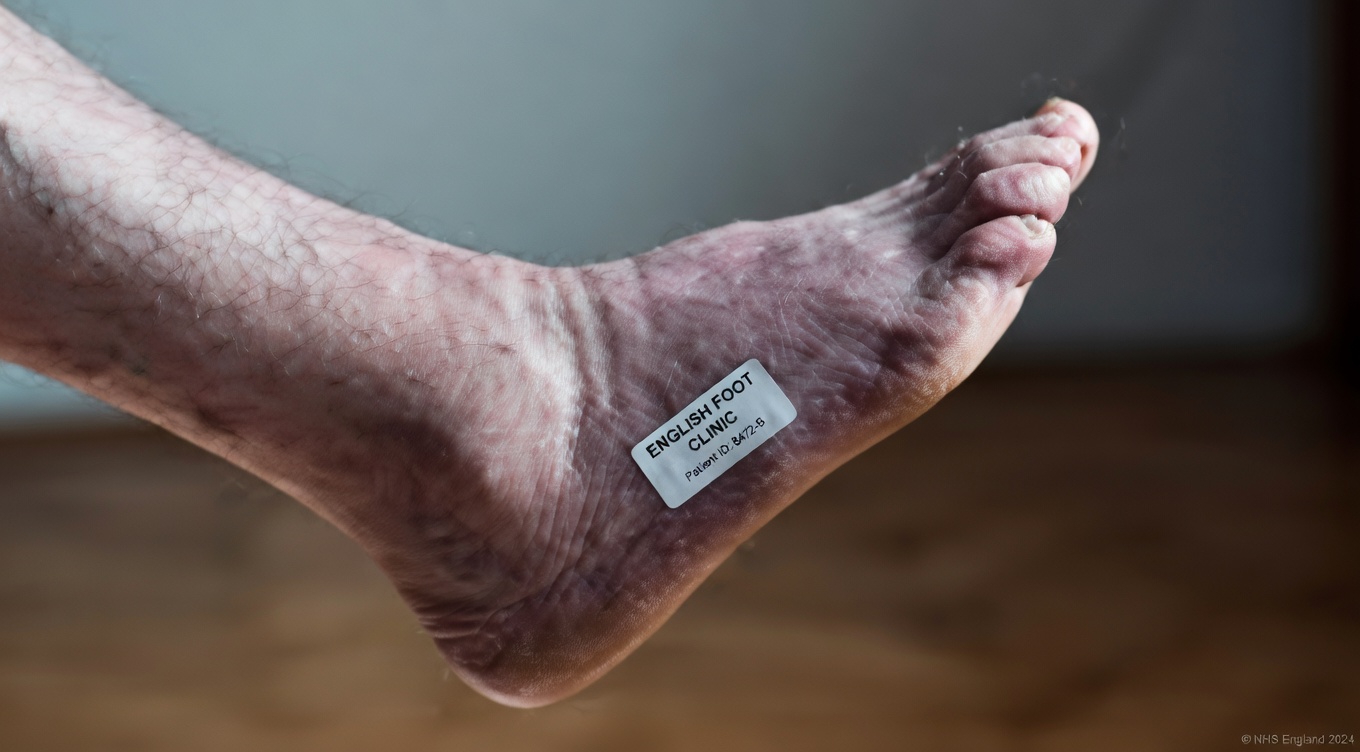
2. Seated Marching: A Chair Exercise for Heavy, Tired Legs
If walking feels difficult on some days, seated marching gives your legs a chance to move without leaving your chair.
How to do seated marching
- Sit upright in a stable chair.
- Lift one knee toward your chest.
- Lower it back down.
- Repeat on the other side.
- Continue alternating in a steady rhythm.
- Do 20 marches per leg.
Why seated marching helps
This exercise engages the hips and thighs, which can help support circulation through the lower body. It is especially useful on days when you feel too tired for a longer walk but still want to keep your legs active.
Best for
- Indoor movement
- Low-energy days
- Reducing that heavy-leg feeling
- Adding activity during TV time or breaks
1. Supported Calf Raises: The Most Effective Quick Exercise for Better Blood Flow
If poor leg circulation leaves you with calf weakness, leg fatigue, or occasional cramping, supported calf raises may be the most helpful exercise in this routine.
How to do supported calf raises
- Stand behind a sturdy chair.
- Lightly hold the back of the chair for balance.
- Slowly rise onto your toes.
- Pause briefly at the top.
- Lower your heels with control.
- Repeat 10 to 15 times.
Why calf raises help
The calf muscles are sometimes called a natural pump for the legs because they help move blood back upward. Strengthening them can support better circulation, reduce heaviness, and improve comfort during walking and standing.
Many people over 60 say this is the exercise that gives them the most noticeable improvement in how their legs feel each day.
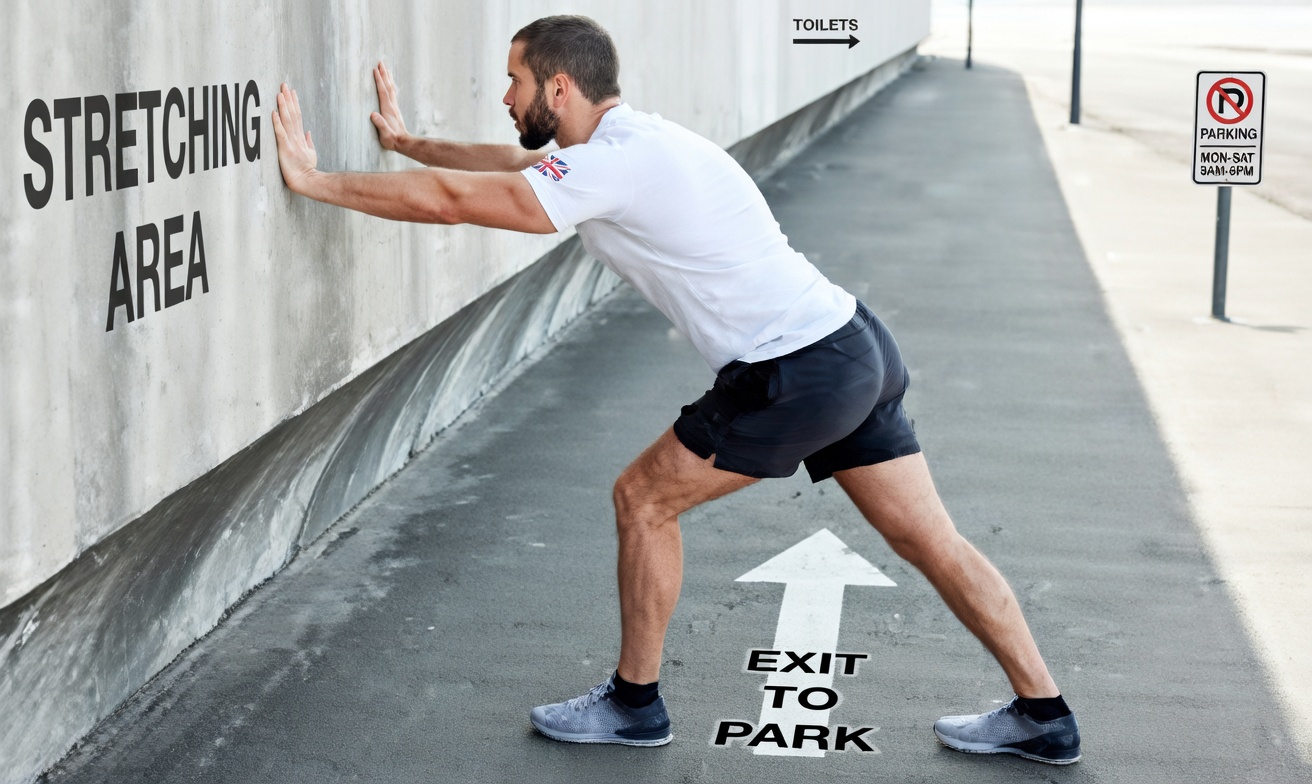
Quick Comparison: Which Exercise Is Best for Poor Leg Circulation?
Here is a simple breakdown of the three exercises:
| Fast Fix Exercise | Time Needed | Best For | Equipment Needed |
|---|---|---|---|
| Ankle Pumps | 30 seconds | Warming cold feet and easing mild swelling | None |
| Seated Marching | 1 minute | Easy indoor movement and reducing heaviness | Chair |
| Supported Calf Raises | 45 seconds | Strengthening calves and improving upward blood flow | Chair |
Each movement supports circulation in a slightly different way, so you can choose one or do all three together for a short daily routine.
A Simple 3-Minute Routine for Poor Leg Circulation
You can combine the test and exercises into one quick session.
Suggested order
- Do the 30-second circulation test while lying down.
- Sit up and perform ankle pumps.
- Stay seated and do seated marching.
- Stand up and finish with supported calf raises.
How often to do it
- Once in the morning
- Once in the evening
This full routine takes less than three minutes and may help support more consistent circulation throughout the day.
Safety reminder
- Breathe normally.
- Move gently.
- Stop right away if you feel sharp pain, dizziness, or unusual discomfort.
Smart Tips for Working on Poor Leg Circulation Safely
If you have been dealing with poor circulation for a while, start slowly and build up over time.
Helpful guidelines
- Begin with 10 repetitions of each exercise if needed.
- Drink enough water during the day.
- Avoid sitting with your legs crossed for long periods.
- Stand up and move regularly if you spend a lot of time in a chair.
These exercises are generally gentle, but if you have a history of blood clots, recent surgery, or other vascular concerns, speak with your doctor before starting a new circulation routine.
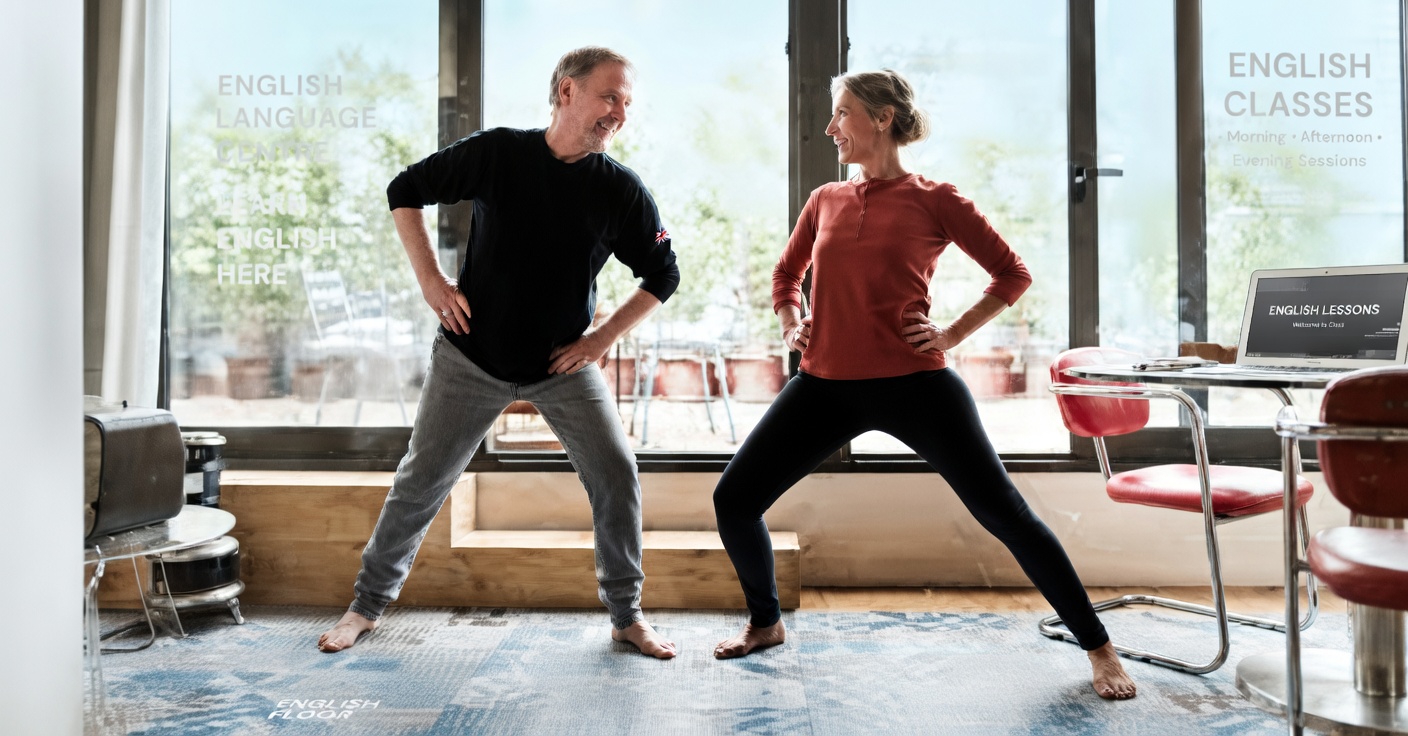
Real-Life Examples of Circulation Improvement
Many adults over 60 who practice these simple movements consistently report feeling more comfortable and stable.
- One woman, age 68, shared that the heavy feeling in her legs improved after two weeks of daily ankle pumps and seated marching.
- A 73-year-old man noticed fewer nighttime calf cramps after adding supported calf raises to his routine.
While results vary from person to person, small daily efforts often lead to noticeable improvements in comfort and mobility.
Try This 14-Day Challenge for Poor Leg Circulation
If you want a simple plan to follow, try this two-week approach.
Days 1 to 7
- Perform the 30-second test each morning.
- Complete all three exercises once a day.
Days 8 to 14
- Continue the test and exercises.
- Add a 5-minute walk after the routine if you are able.
Track your progress
Use a notebook or calendar to record:
- Leg comfort
- Swelling
- Energy level
- Night cramps
- Walking ease
Many people notice steadier legs, less fatigue, and better overall comfort within two weeks of regular practice.
FAQ About Poor Leg Circulation and Quick Leg Exercises
1. How often should I do the 30-second test?
Once each morning is usually enough. It gives you a quick daily snapshot without overchecking.
2. Can these exercises really help poor leg circulation after 60?
For many people with mild to moderate symptoms, consistent movement such as ankle pumps, seated marching, and calf raises can support better daily comfort and blood flow.
3. When should I talk to a doctor?
See a healthcare professional promptly if you notice:
- Significant color changes during the test
- Persistent swelling
- Pain in the legs
- Skin discoloration
- Symptoms that keep getting worse
Final Thoughts
Poor leg circulation can quietly chip away at comfort, energy, and independence, especially after 60. But simple habits can help. A quick home test and a few gentle exercises may be enough to support better blood flow and make everyday movement feel easier.
Sometimes the answer is not a complicated program. It may be a chair, two or three minutes, and the decision to start today.
Medical Disclaimer
This article is for informational purposes only and does not replace medical advice. Always consult your doctor before starting new exercises or home tests for poor leg circulation, especially if you have existing medical conditions or take prescription medications.