Pumpkin Seeds for Energy, Blood Sugar, and Cholesterol Support
If you often hit an afternoon energy crash and find yourself reaching for yet another cup of coffee, it can be discouraging—especially when recent lab results also show blood sugar or cholesterol levels that need attention. In a fast-paced world, staying energized while supporting key health markers is not always easy. Many quick fixes and complex supplements promise a lot, yet fail to provide sustainable results.
That is why more people are rediscovering simple, natural remedies with a long history of use. One of the most practical options may already be familiar to you: pumpkin seeds. These humble seeds have been valued for generations, and today they are gaining attention again for their potential to gently support energy, heart health, and metabolic balance. Even better, there is a modern, easy way to prepare them at home—which you will find later in this article.
Why Pumpkin Seeds Are So Nutrient-Dense
Pumpkin seeds, often called pepitas once shelled, are small but packed with nutrition. A modest handful provides a powerful mix of:
- Magnesium
- Plant-based protein
- Fiber
- Healthy fats
- Zinc
- Antioxidants
This nutrient profile helps explain why pumpkin seeds have remained a trusted food in traditional wellness practices for so long.
Just 1 ounce, or about 28 grams, contains more than 150 mg of magnesium. That matters because magnesium supports hundreds of functions throughout the body. Pumpkin seeds also supply polyunsaturated fats and plant sterols, two compounds that may quietly contribute to better overall health.
How Pumpkin Seeds May Support Healthy Blood Sugar
Unstable blood sugar can leave you tired, irritable, and mentally unfocused. Pumpkin seeds may help support more balanced blood sugar levels, largely because of their magnesium and fiber content.
Magnesium is involved in insulin function, while fiber slows the absorption of carbohydrates into the bloodstream. This can help reduce the sharp spikes and drops that often lead to low energy and cravings later in the day.
Research has suggested promising effects. In one study, adults who consumed around 65 grams of pumpkin seeds with a high-carbohydrate meal had lower post-meal blood sugar levels than those who did not. For people looking for realistic, food-based support, that kind of benefit is especially appealing.
Pumpkin seeds also contain protein and healthy fats, which can help create a steadier response to meals. Rather than acting like a dramatic “cure,” they offer the kind of consistent nutritional support that fits naturally into everyday eating.
Pumpkin Seeds and Natural Cholesterol Support
Managing cholesterol and caring for your heart can feel like an ongoing challenge. Pumpkin seeds may help in this area thanks to their phytosterols—natural plant compounds that can reduce how much cholesterol the body absorbs from food.
Some research on pumpkin seed oil has shown encouraging results. In one study involving postmenopausal women, pumpkin seed oil increased HDL, or “good” cholesterol, by about 16% and also helped lower blood pressure over a 12-week period.
Magnesium plays another role here by helping blood vessels relax, which supports healthy circulation. Combined with the seeds’ healthy fats and antioxidants, this may help reduce oxidative stress, an issue modern science increasingly links to long-term heart health.
It is not surprising that pumpkin seeds have remained a staple in traditional food-based remedies for generations.
A Simple Way to Support Daily Energy
That afternoon slump can affect productivity, mood, and motivation. Pumpkin seeds may help because magnesium is essential for converting food into usable energy. When magnesium intake is too low, even a good diet may not leave you feeling truly energized.
The seeds also provide iron and protein, which can help promote more stable energy throughout the day. Unlike sugary snacks, they do not typically trigger the same rapid rise and fall in blood sugar that often leads to fatigue shortly afterward.
There is another advantage as well. Pumpkin seeds are rich in zinc, which supports immune function and healthy hormone balance. Together, these nutrients may help you feel more steady, focused, and resilient over time.
Traditional Uses of Pumpkin Seeds Through the Years
Pumpkin seeds are not a new wellness trend. They have been used as both food and natural support in many cultures for centuries.
Indigenous communities in Central and South America relied on them long before modern nutrition science existed. Similar traditions developed in parts of Europe and Asia, where people often turned to simple kitchen ingredients to support daily health.
Today, researchers understand far more about the nutritional compounds inside pumpkin seeds. Still, the basic idea remains unchanged: some of the most useful health-supporting foods are often the simplest ones. That is one reason many families still save and prepare fresh pumpkin seeds every season.
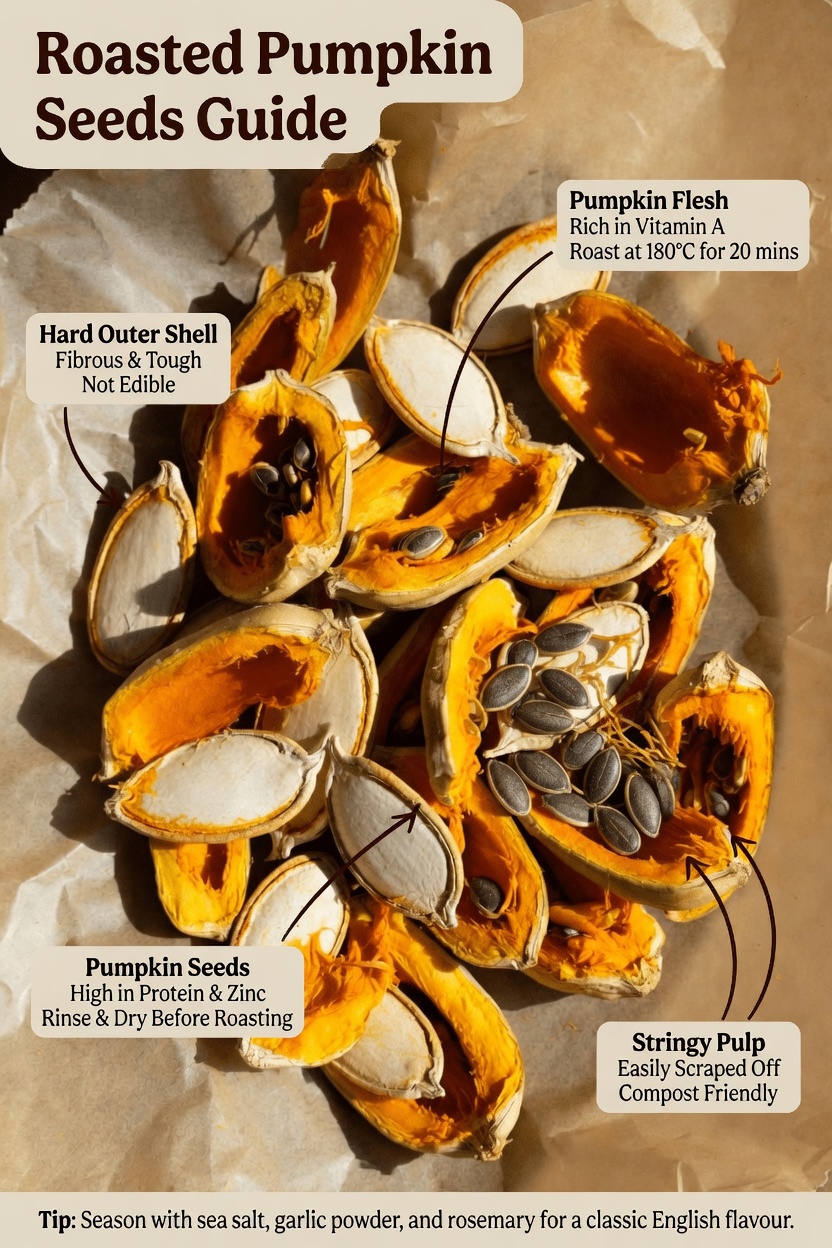
How to Prepare Fresh Pumpkin Seeds at Home
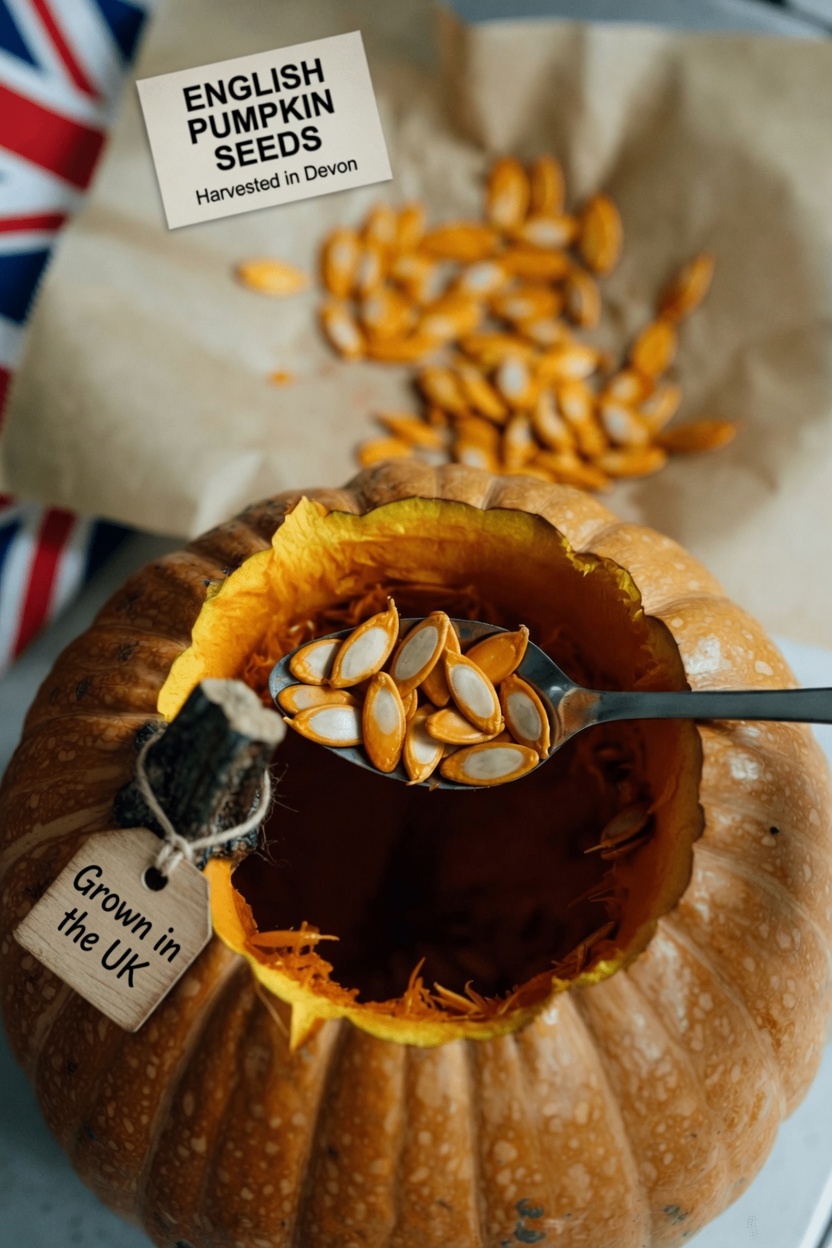
If you want to try this traditional remedy yourself, starting with a fresh pumpkin is an easy and affordable option. Here is the step-by-step method many people use:
- Cut open a fresh pumpkin.
- Scoop out the seeds with a spoon, leaving some pulp attached at first.
- Put the seeds in a bowl of cold water and swirl them around to loosen the stringy bits.
- Remove the floating pulp.
- Rinse the seeds well under running water until they are clean.
- For extra flavor and a crispier texture, simmer the seeds in salted water for 5 to 10 minutes, then drain.
- Spread them on a towel or parchment paper and let them dry fully. Overnight drying works especially well.
- Toss the dried seeds with a little olive oil and your preferred seasoning, such as:
- Sea salt
- Cinnamon
- Chili powder
- Roast them at 300–350°F (150–175°C) for 20 to 40 minutes.
- Stir occasionally and remove them when they are golden and crisp.
The finished seeds are fresh, flavorful, and often much better than store-bought versions.
7 Easy Ways to Eat More Pumpkin Seeds
Adding pumpkin seeds to your diet does not have to be complicated. Here are some simple ways to enjoy them regularly:
- Sprinkle them over yogurt or oatmeal in the morning.
- Add them to salads for crunch and extra nutrition.
- Blend them into smoothies with spinach and banana.
- Mix them into homemade trail mix with dried fruit and nuts.
- Use them as a topping for roasted vegetables or avocado toast.
- Stir them into muffin or bread batter before baking.
- Eat them on their own as a smart afternoon snack.
These small habits can be easy to maintain and may deliver meaningful benefits over time.
What Science and Tradition Both Tell Us
Modern research continues to explore the same benefits that traditional food wisdom recognized long ago. Studies point to magnesium as an important nutrient for supporting healthy blood sugar and blood pressure. At the same time, phytosterols and healthy fats show potential for helping maintain cholesterol balance.
Animal studies and early human research also suggest pumpkin seeds may support energy metabolism and heart-related markers. While they are not a replacement for medical care, they are a simple, accessible food that may complement a balanced lifestyle.
One of the biggest advantages is how easy they are to use. You do not need expensive powders, special tools, or complicated routines. Sometimes one pumpkin and a little kitchen time are enough.
Final Thoughts
Pumpkin seeds offer a practical and enjoyable way to support everyday wellness. Their combination of magnesium, protein, fiber, healthy fats, and antioxidants may help with steady energy, heart health, and blood sugar balance.
The benefits come from a real, whole food that is easy to prepare and easy to enjoy. Start with a small daily serving, stay consistent, and pay attention to how you feel.
The next time you cook or carve a pumpkin, do not throw away the seeds. What looks like kitchen waste may actually be one of nature’s simplest wellness foods—trusted by many households for generations.
FAQ
How many pumpkin seeds should I eat each day?
A small handful, about 1 ounce or 28 grams, is a common daily amount. This provides a solid dose of nutrients without adding too many calories. You can adjust based on your needs and how your body responds.
Are raw or roasted pumpkin seeds better?
Both can be good choices. Roasted pumpkin seeds usually taste better and may be easier for some people to digest. Raw seeds may retain slightly more heat-sensitive nutrients. Many people enjoy using both.
Who should speak with a doctor before eating more pumpkin seeds?
Anyone with an existing medical condition, digestive issues, food sensitivities, or who takes medication should talk with a healthcare professional before making significant dietary changes.