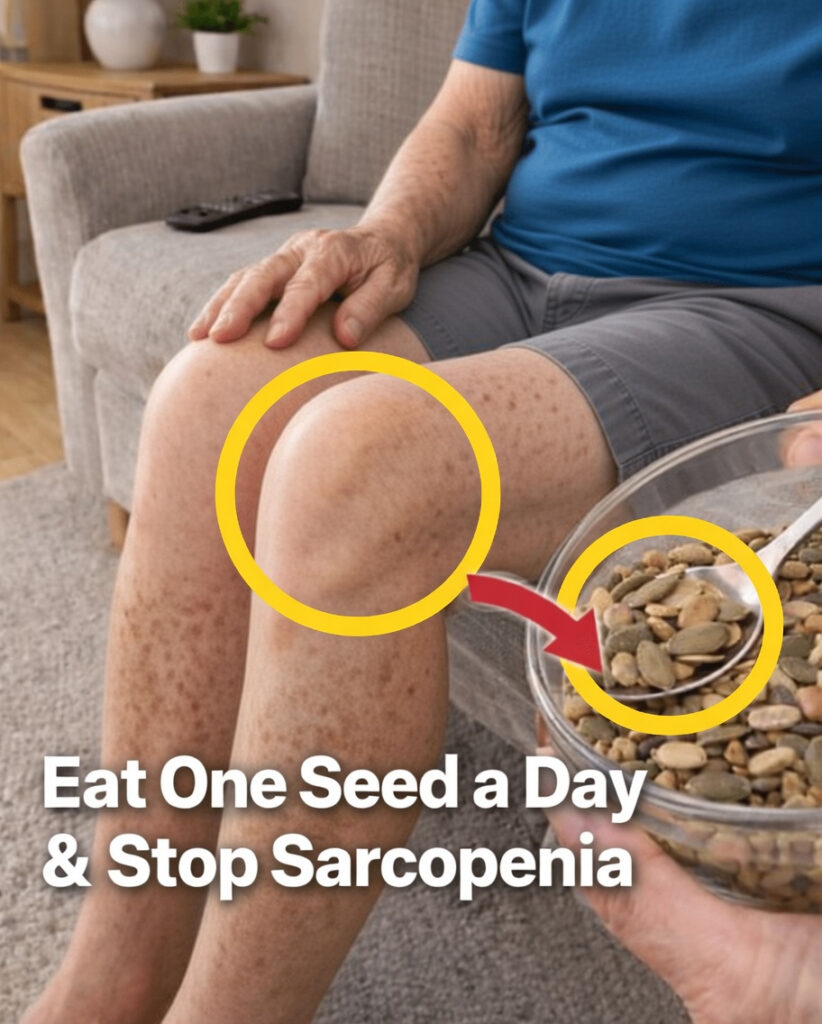
A Simple Daily Food Choice That May Help Support Muscle Strength After 50
As the years go by, many people begin to feel a gradual decline in muscle strength, especially in the legs. Movements that once felt easy, such as climbing stairs or standing up from a chair, may start to feel more demanding. This common part of aging can be discouraging and may slowly affect confidence, mobility, and independence.
The positive news is that everyday nutrition can play a supportive role. Choosing foods rich in important nutrients may help the body maintain healthy muscle function over time. One small seed in particular is getting more attention in discussions about healthy aging, and its benefits may be more impressive than you expect.
Why Muscle Strength Often Changes With Age
After age 50, many adults notice small but meaningful shifts in physical strength. Routine tasks can begin to take more effort than they once did. Several factors contribute to this change, including lower activity levels, age-related muscle loss, and changes in how the body absorbs and uses nutrients.
Even so, this process is not entirely out of our hands. Daily habits, especially diet and movement, can influence how well the body stays strong and active. Research continues to show that certain foods provide nutrients that are valuable for muscle maintenance.
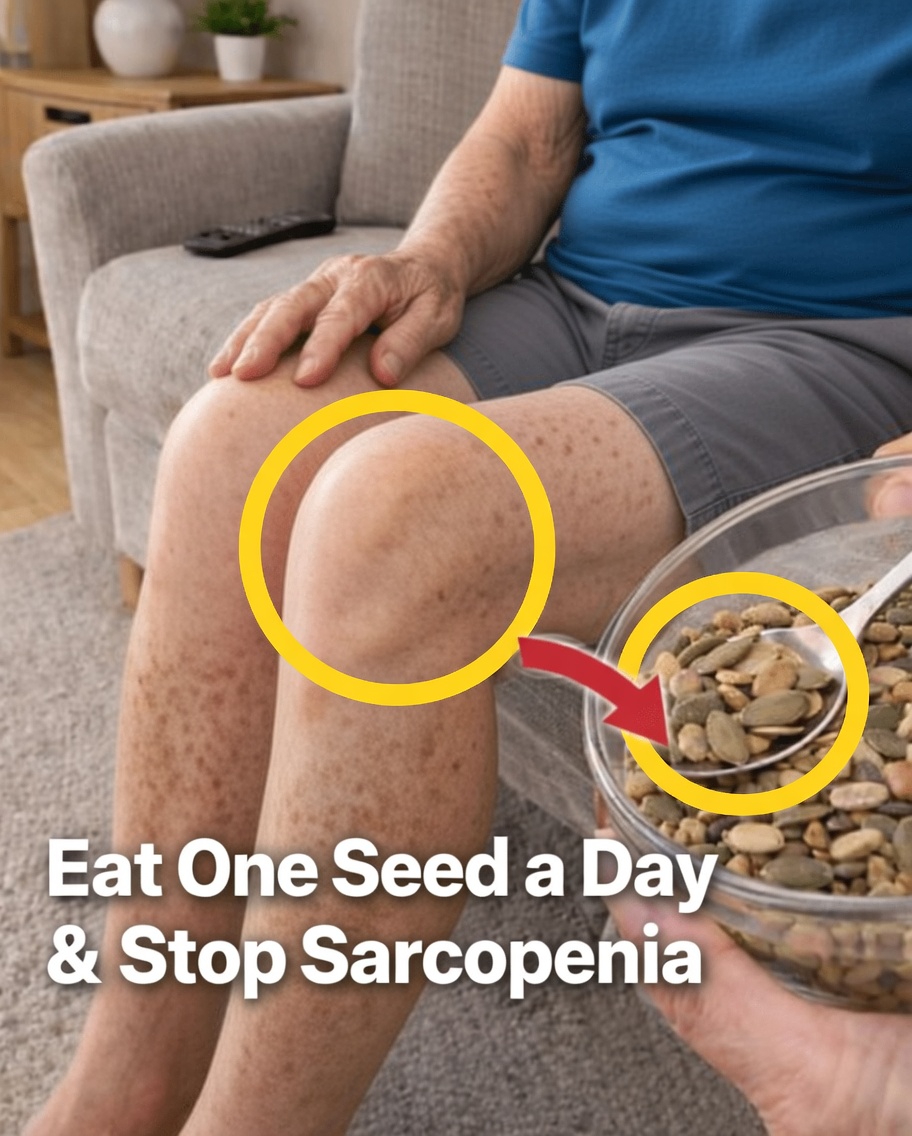
Among these foods, pumpkin seeds stand out as a simple and practical option. They are easy to add to meals, require little preparation, and offer a strong nutritional profile in a very small serving.
Pumpkin Seeds and Their Potential Role in Muscle Support
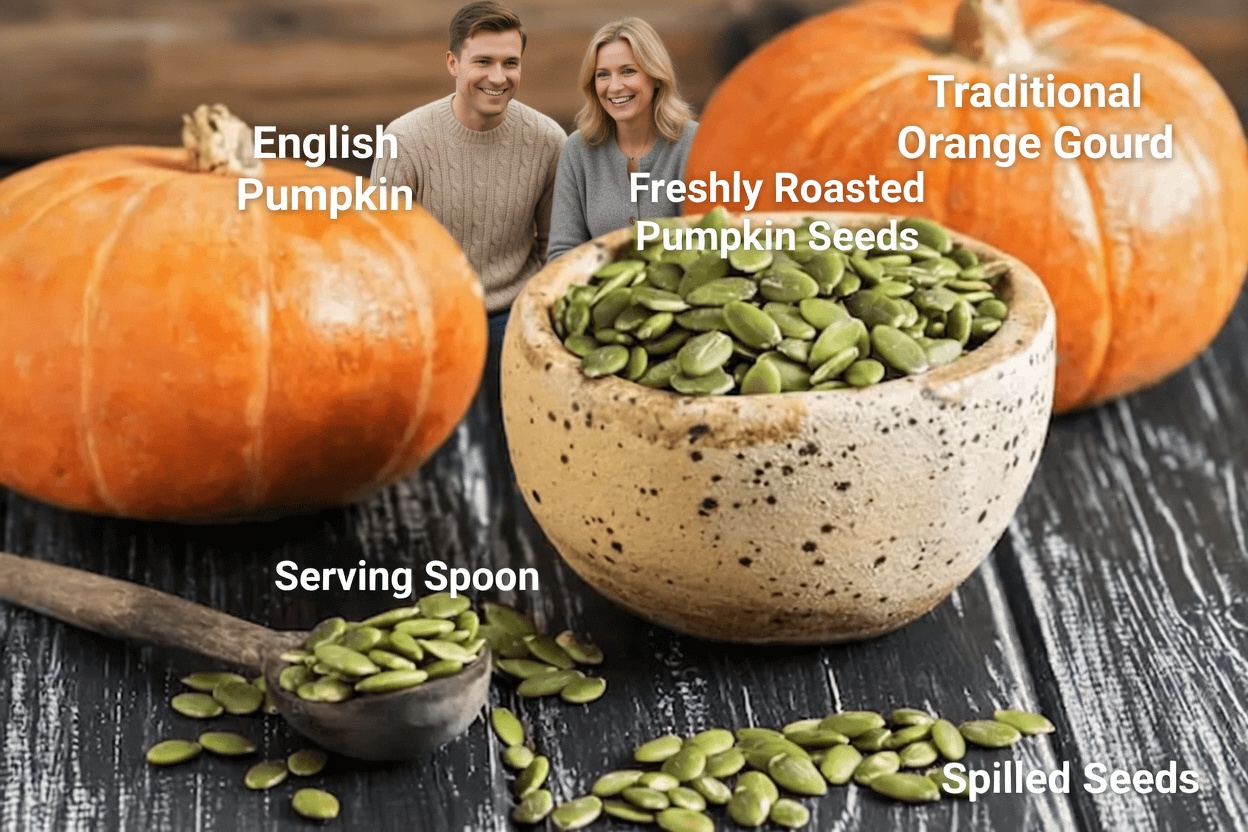
Pumpkin seeds, often called pepitas, may be small, but they are loaded with nutrients linked to overall wellness and physical function. A modest handful contains plant-based protein, beneficial fats, and minerals that the body depends on every day.
They are especially rich in magnesium, zinc, and healthy fats, all of which have been studied for their connection to energy, recovery, and muscle performance in older adults. Studies also suggest that people who regularly eat nuts and seeds often have better muscle-related health markers than those who eat very little of them.
This does not mean pumpkin seeds are a magic solution. Instead, they can be part of a steady, realistic routine that supports healthy aging over time.
The Most Important Nutrients in Pumpkin Seeds
Here is a closer look at what makes pumpkin seeds so valuable for muscle health:
- Magnesium — helps muscles contract and relax properly, and many adults over 50 do not get enough of it
- Zinc — supports protein metabolism and immune health, both of which matter for staying active
- Plant-based protein — a 30-gram serving provides about 9 grams of protein, giving the body useful building material
- Healthy fats and antioxidants — may help support comfort, energy, and overall physical function
One of the biggest advantages is how easy this can be. You do not need specialty products, expensive powders, or complicated meal plans. A simple daily portion can help you work toward better nutrient intake in a natural way.
Easy Ways to Add Pumpkin Seeds to Your Routine
One reason pumpkin seeds are so popular is their versatility. They can be eaten on their own or added to familiar foods without much effort. Whether raw or lightly roasted, they fit easily into many meals and snacks.
Here are a few practical ways to enjoy them every day:
- Sprinkle them over oatmeal or yogurt in the morning
- Add them to salads or soups just before serving
- Blend a small handful into a smoothie
- Combine them with dried fruit and nuts for a quick snack
- Mix them into homemade energy bites or baked treats
- Use them as a topping for avocado toast or cottage cheese
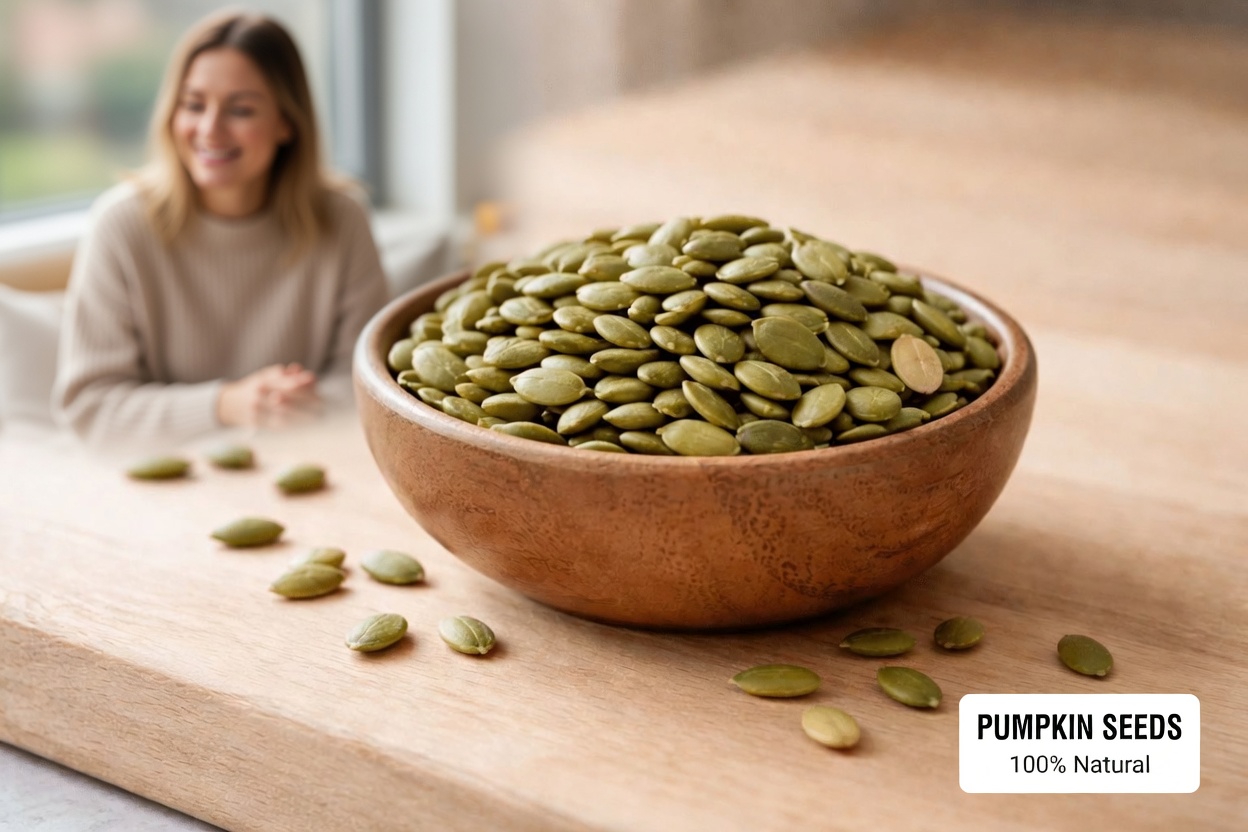
If you are just getting started, keep it simple. Many nutrition professionals suggest about 1 ounce per day, which is roughly a small handful. This amount delivers beneficial nutrients without adding too many calories.
How to Turn It Into a Lasting Habit
Healthy habits are easier to maintain when they are simple and repeatable. If you want to make pumpkin seeds part of your daily routine, try this step-by-step approach:
- Buy a bag of unsalted raw or dry-roasted pumpkin seeds
- Portion out one small handful each morning
- Keep them somewhere visible so you remember to use them
- Pick one meal or snack where you will add them every day for the first week
- Pay attention to how you feel after two weeks of consistency
- Adjust the portion if needed and make sure to drink enough water
This method is manageable, even for busy schedules. And when it comes to long-term wellness, consistency matters much more than perfection.
What Research Suggests About Seeds, Aging, and Physical Function
Nutrition studies involving older adults have found that higher intake of nuts and seeds often corresponds with better physical performance and healthier aging patterns. Some reviews have noted that people with fewer signs associated with sarcopenia, the age-related loss of muscle mass and strength, tend to consume these foods more often.
Magnesium receives special attention in this area because deficiency becomes more common with age. Since magnesium is involved in muscle function, inadequate intake may affect how the body moves and performs.
Of course, results are never exactly the same for everyone. Pumpkin seeds should be viewed as one helpful piece of a bigger strategy that also includes:
- Staying physically active
- Walking regularly
- Doing light resistance or strength exercises
- Eating enough protein from different food sources
- Following a balanced overall diet
Common Questions About Eating Pumpkin Seeds
How much should I eat per day?
For most people, about 28 grams or 1 ounce daily is a reasonable amount. This gives you useful nutrients without excessive calorie intake.
Are there any precautions?
If you have a seed allergy or concerns about food sensitivities, talk to your doctor first. People taking medications that affect mineral levels should also check with a healthcare professional. If your digestion is sensitive, begin with a smaller amount.
Can I eat pumpkin seeds if I already use supplements?
In many cases, yes. However, it is still wise to review your full nutrient intake with a qualified professional, especially if you are taking magnesium, zinc, or other mineral supplements.
Final Thoughts: One Small Step Toward Stronger Aging
Adding pumpkin seeds to your diet is a small change that may offer meaningful support as you get older. Their combination of protein, magnesium, and zinc can help nourish the muscles you rely on every day. When paired with regular movement and balanced meals, this simple habit may help you stay active and capable for longer.
The goal is not instant transformation. It is steady, manageable progress that fits into real life. Many people find that with consistent healthy choices, everyday tasks begin to feel a little easier and energy improves over time. Trying a small handful of pumpkin seeds each day could be a smart place to start.
Disclaimer
This article is for informational purposes only and should not be considered medical advice. Always speak with your healthcare provider before changing your diet, especially if you have existing medical conditions or take prescription medications. Individual results may vary.