Waking Up Weaker? It Might Be Sarcopenia—Not “Just Aging”
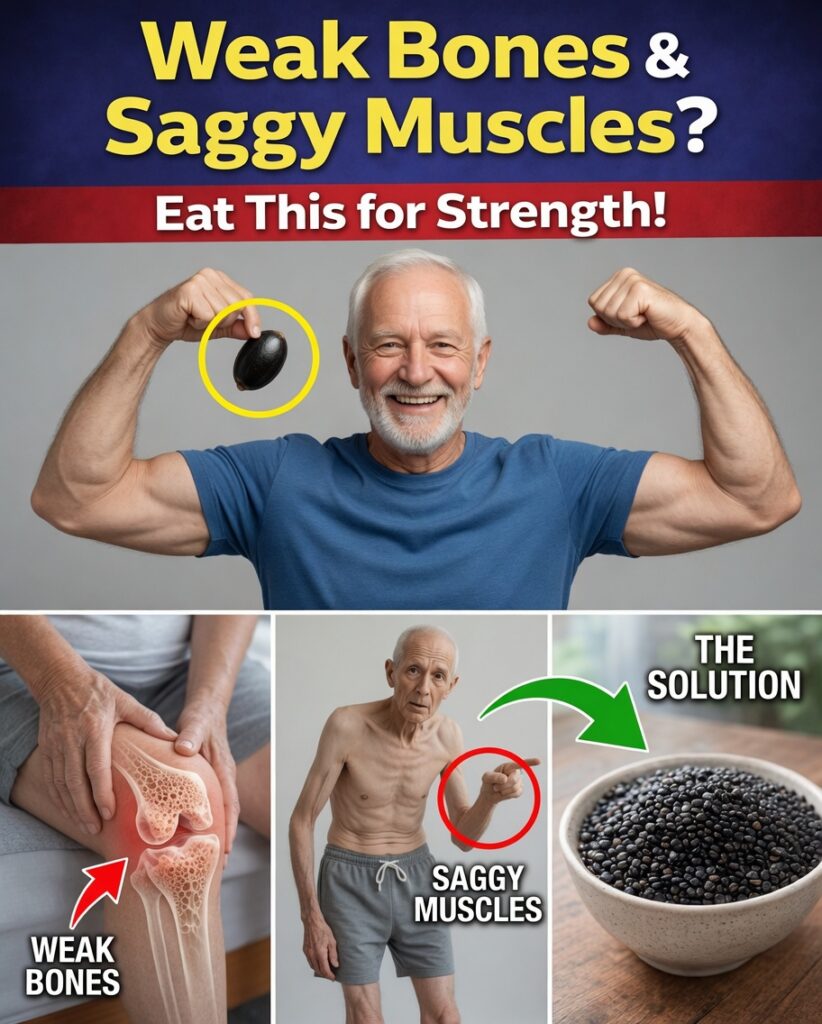
Many adults over 60 recognize the pattern: legs feel stiff when you get out of bed, standing up from a chair takes more effort, stairs seem tougher, and everyday chores leave you unusually tired. While it’s often dismissed as normal aging, these changes are frequently linked to sarcopenia—the gradual loss of muscle mass and strength that affects millions worldwide.
Sarcopenia can quietly reduce independence, raise the risk of falls, and diminish quality of life. The good news is that lifestyle choices matter, and nutrition for muscle health plays a bigger role than many people realize. Surprisingly, something as simple as adding specific nutrient-dense seeds to your meals may help support muscle maintenance—especially when paired with movement and adequate protein.
Sarcopenia: The Quiet Loss of Strength After 50
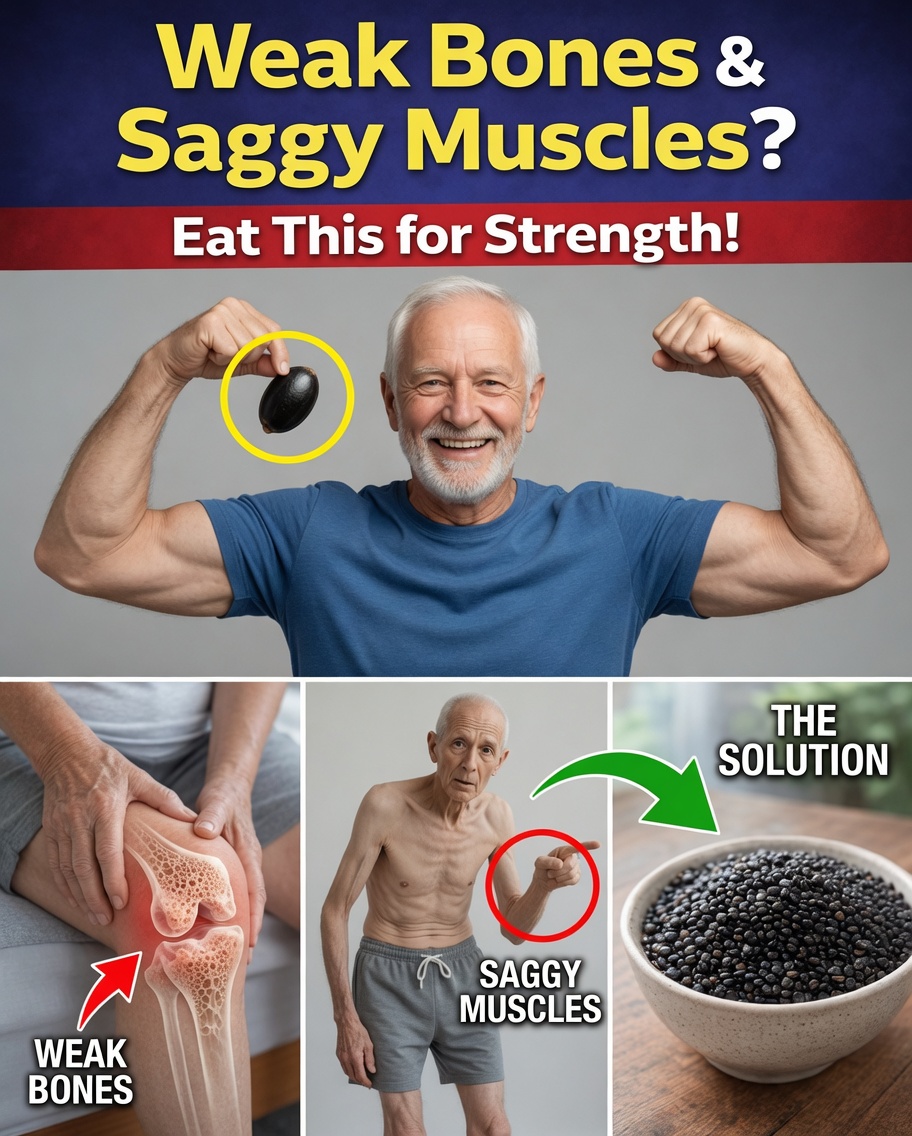
Sarcopenia often begins subtly around age 50 and tends to speed up in the 60s and beyond. Many adults lose roughly 3–8% of muscle mass per decade, contributing to:
- Reduced strength and endurance
- Slower recovery after activity or illness
- Higher risk of frailty and falls
- Declining balance and mobility
Several factors can drive this process, including decreased protein synthesis, chronic inflammation, hormonal shifts, and reduced physical activity.
For many people, the first signs appear in everyday moments: carrying groceries becomes harder, getting up from a seated position feels like a challenge, or you feel less steady on your feet. Beyond the physical impact, the emotional strain can be significant—worry about dependence, frustration, and reduced confidence.
Why Nutrition Matters for Muscle as You Age
Muscle support isn’t only about exercise. The body also needs consistent building blocks and protective nutrients, including:
- High-quality protein and essential amino acids
- Omega-3 fats (anti-inflammatory support)
- Zinc and magnesium (muscle function, hormone and energy support)
- Antioxidants (help reduce oxidative stress)
This is where seeds stand out: they’re compact, affordable, easy to add to meals, and naturally rich in muscle-supporting nutrients.
The Standout Seed: Hemp Seeds for Muscle Support
Among natural health discussions, hemp seeds are often highlighted for sarcopenia support—largely because they provide complete plant protein, meaning they contain all essential amino acids needed for muscle repair and maintenance.
A typical serving (about 3 tablespoons) provides approximately:
- ~10 grams of protein
- A balanced mix of omega-3 and omega-6 fats, which may support a healthier inflammatory response
- Key minerals such as:
- Zinc (linked to testosterone and protein synthesis)
- Magnesium (supports muscle contraction, energy metabolism)
- Iron (helps deliver oxygen to tissues)
Some research suggests that plant-based proteins can still stimulate muscle protein synthesis in older adults, especially when combined with resistance exercise. Practically speaking, hemp seeds are easy to use: mild in flavor, slightly nutty, and simple to sprinkle into everyday foods.
Other Top Seeds That May Support Muscle Health in Seniors
Hemp seeds aren’t the only option. A variety of seeds can contribute valuable nutrients that support strength, recovery, and overall healthy aging.
Flax Seeds
For best nutrient absorption, grind flax seeds before eating. They’re rich in:
- ALA omega-3s, which may help reduce inflammation
- Soluble fiber, supporting gut health and nutrient uptake
Chia Seeds
Chia forms a gel when soaked, which can help with hydration and digestion. They offer:
- Plant protein
- Calcium
- Antioxidants that may help counter oxidative stress
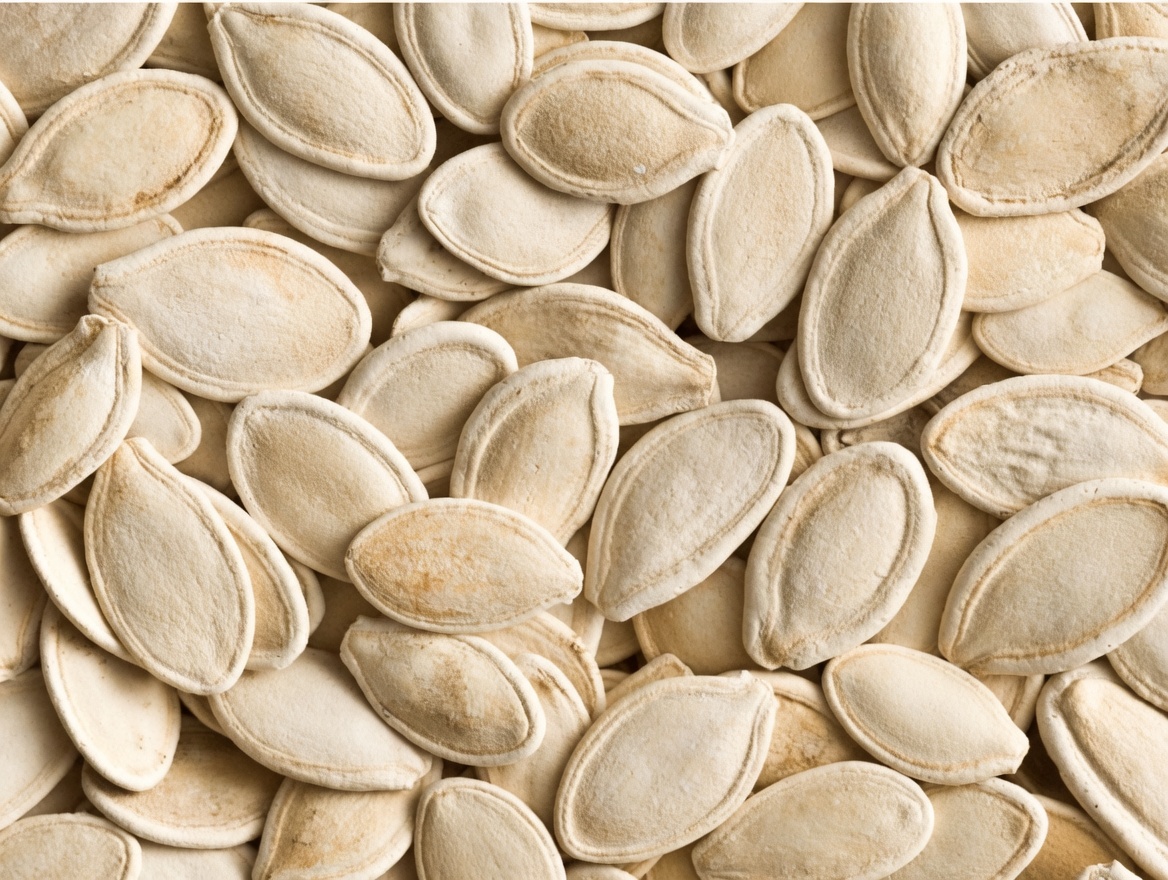
Pumpkin Seeds
Often recommended for older adults because they’re dense in minerals, including:
- Zinc (hormone support, immune and protein-related processes)
- Magnesium (muscle and energy support)
- Iron (oxygen delivery and fatigue support)
Sunflower Seeds
A strong source of:
- Vitamin E, a major antioxidant
- Healthy fats that can help provide steady energy
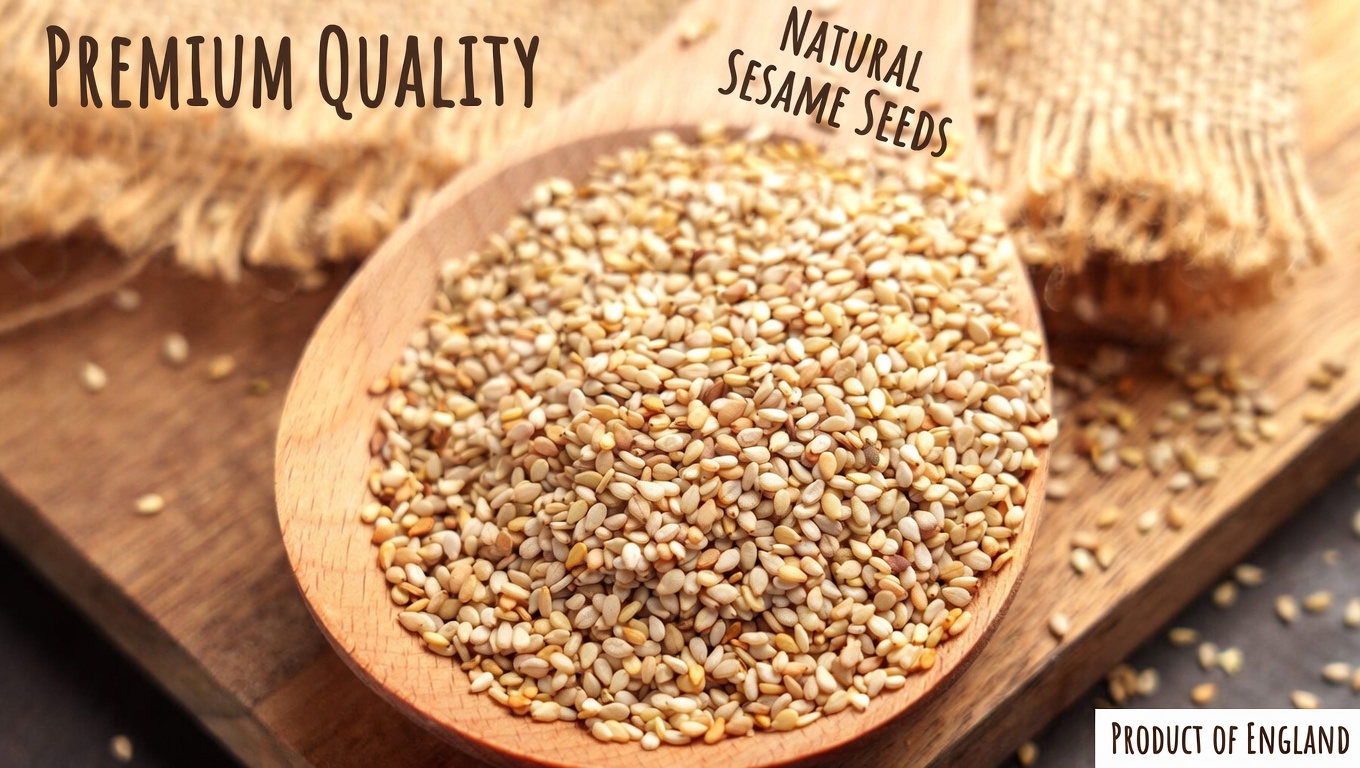
Sesame Seeds
Known for:
- Calcium, supporting the bone–muscle connection
- Natural compounds (like sesamin) associated with anti-inflammatory activity in studies
Quinoa (Technically a Seed)
Quinoa is valued because it contains:
- Complete protein with all nine essential amino acids
- A versatile profile for meals that support muscle building over time
Real-Life Examples: Small Additions, Meaningful Changes
Many people report that consistent, small dietary changes make daily movement feel easier over time—especially when combined with gentle activity and medical guidance.
- A 68-year-old retiree added 2–3 tablespoons of hemp seeds to a morning smoothie and noticed less fatigue and improved ease with lifting after several months, alongside regular walks.
- A 72-year-old gardening enthusiast began using ground flax and chia in oatmeal and described feeling more stable during daily tasks over time.
Seeds aren’t magic, but they can help fill nutritional gaps and support what exercise and healthy routines are already working to improve.
How to Add Seeds to Your Diet (Safely and Consistently)
Start gradually to reduce the chance of digestive discomfort.
Simple ways to eat more seeds
- Sprinkle on oatmeal, yogurt, salads, or soups
- Blend into smoothies for a creamier texture
- Stir into batter, muffins, or homemade energy bites
- Use ground flax (and ground/soaked chia when preferred) for better nutrient availability
- Drink enough water—high-fiber seeds require hydration
Practical starting point
- Begin with 1–2 tablespoons per day, then increase as tolerated.
Quick Comparison: Seed Nutrients and Muscle-Related Benefits
-
Hemp seeds
- Key nutrients: complete protein, omega fats, zinc, magnesium
- Potential benefit: supports protein synthesis and recovery
- Easy use: 3 tbsp in a smoothie or over yogurt
-
Flax seeds
- Key nutrients: omega-3s (ALA), fiber, lignans
- Potential benefit: anti-inflammatory and gut support
- Easy use: ground into oatmeal
-
Chia seeds
- Key nutrients: protein, calcium, antioxidants
- Potential benefit: hydration support and oxidative stress defense
- Easy use: soaked chia pudding
-
Pumpkin seeds
- Key nutrients: zinc, magnesium, iron
- Potential benefit: energy and hormone-related support
- Easy use: roasted snack or salad topping
-
Sunflower seeds
- Key nutrients: vitamin E, healthy fats
- Potential benefit: antioxidant protection for cells
- Easy use: sprinkled on salads
Safety Notes and Realistic Expectations
Seeds are generally safe for most people, but smart use matters:
- Introduce slowly, especially if you’re sensitive to fiber.
- If you take blood thinners, discuss high omega-3 foods (such as flax and chia) with your clinician.
- Allergies are uncommon but possible.
- If you have kidney disease or mineral restrictions, ask your healthcare provider before increasing seeds (some contain notable potassium/phosphorus).
Most importantly: no single food reverses muscle loss overnight. The strongest results usually come from combining:
- Adequate daily protein
- Strength training (even light resistance bands or bodyweight movements)
- Quality sleep
- Routine medical check-ins
A Simple Routine to Get Started
- Pick one seed to begin (daily)
- Hemp or pumpkin seeds are often easiest for protein/mineral support.
- Add variety over time (weekly)
- Rotate 2–3 seed types for a broader nutrient profile.
- Pair seeds with protein at meals
- Add to yogurt, eggs, or smoothies for better muscle support.
- Track how you feel monthly
- Note energy, stability, recovery, and daily strength markers.
Move Toward Stronger, More Confident Days
If sarcopenia is affecting your strength, mobility, or confidence, small daily choices can add up. Hemp seeds, flax, chia, pumpkin, and other nutrient-rich seeds offer protein, minerals, and anti-inflammatory support linked to healthier aging and better muscle function.
Consider trying one simple step today: add a spoonful of hemp seeds to your next meal, and talk with your healthcare provider about personalized strategies for improving muscle health. Consistent habits can help protect what matters most—steady steps, safer movement, and greater independence.
Disclaimer: This article is for informational purposes only and does not replace professional medical advice. Please consult a qualified healthcare provider for guidance tailored to your health needs.