

Kidney-Friendly Protein Choices for Seniors: 4 Gentler Options to Consider
Living with kidney issues later in life can be stressful, especially when food starts to feel like a long list of rules. For many seniors, protein becomes one of the most important parts of the conversation. The kinds of protein you eat can influence how well your body handles waste, supports daily energy, and manages symptoms such as fatigue or swelling.
The encouraging news is that you do not need to give up satisfying meals. With a few smart adjustments, eating can feel easier and more balanced. In fact, many older adults are finding that a handful of gentler protein choices can make everyday meals much more manageable.
Why Protein Matters More as You Age
As the body gets older, kidney function often slows somewhat. Protein is still essential because it helps maintain muscle mass, strength, and overall vitality. However, when your body breaks protein down, it creates waste products that the kidneys must filter out.
According to the National Kidney Foundation, people in the earlier stages of kidney concerns are often advised to keep protein intake around 0.6 to 0.8 grams per kilogram of body weight. This range may reduce strain on the kidneys while still supporting nutrition.
Another important point is that not all proteins affect the body in the same way.
- Animal proteins often produce more acidic waste.
- Many animal-based foods also contain higher amounts of phosphorus and sodium.
- Plant proteins usually create less waste and also provide fiber, which can support digestion and heart health.
The good news is that you do not need to rebuild your diet all at once. Even a few simple swaps can make a meaningful difference over time.
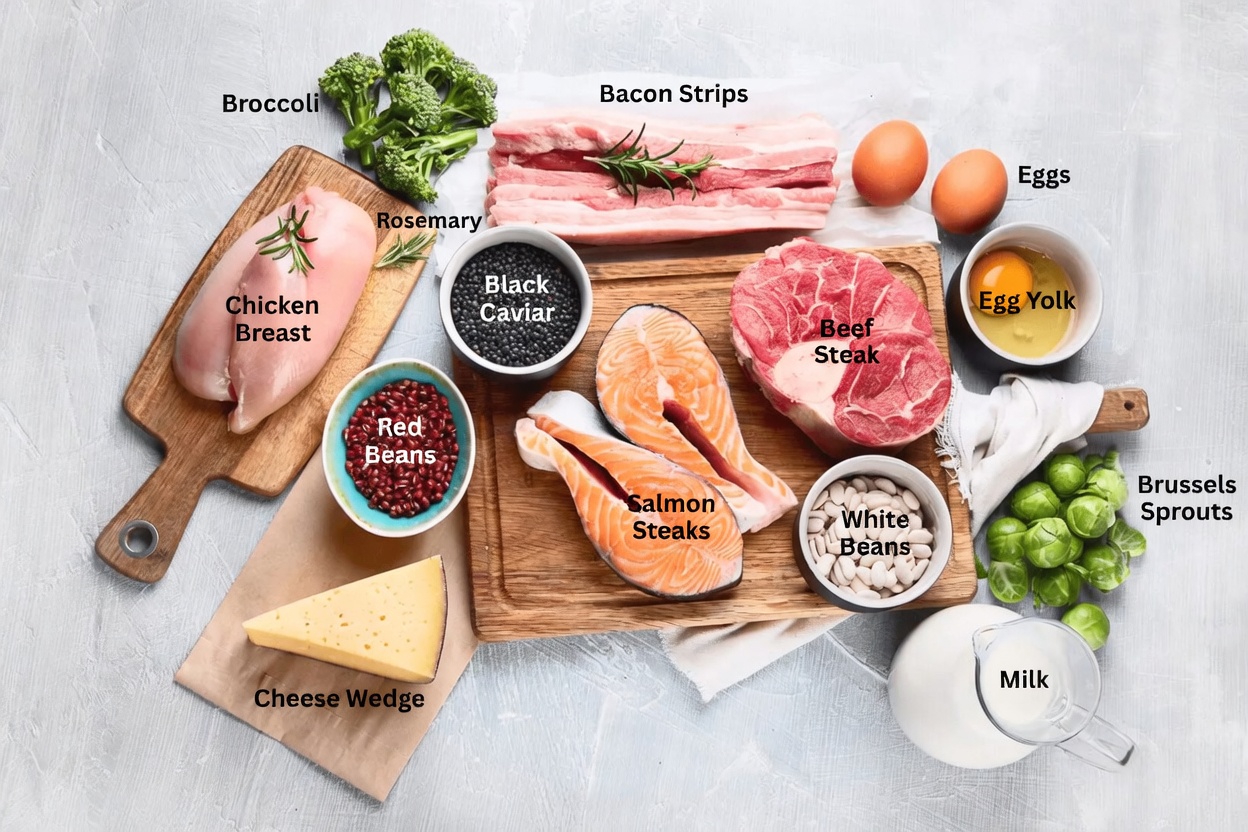
6 Protein Sources Seniors May Want to Limit
When kidney health needs extra attention, some high-protein foods are worth reducing. They are not always completely forbidden, but many experts suggest eating them less often or in smaller portions.
Here are six common protein sources that may deserve a closer look, based on guidance from organizations such as the National Institute of Diabetes and Digestive and Kidney Diseases.
1. Red Meat
Beef, pork, and lamb are rich in protein, but they are also high in phosphorus and saturated fat. Research suggests they can increase the acid load in the body, which may place more pressure on the kidneys over time.
2. Processed Meats
Bacon, sausage, hot dogs, and similar meats are often loaded with sodium, preservatives, and added phosphates. While convenient, they can quickly push you past recommended daily limits for salt and phosphorus.
3. Organ Meats
Liver, kidneys, and similar foods are extremely concentrated in both protein and minerals, especially phosphorus. Even small portions can add up fast in a kidney-conscious meal plan.
4. Deli and Cured Meats
Ham, sliced turkey, salami, and other lunch meats often contain hidden sodium and phosphate additives. These sandwich staples may seem harmless, but they can quietly contribute to excess salt intake.
5. Full-Fat Dairy Proteins
Cheese and whole-milk dairy products do provide protein and calcium, but many are also high in phosphorus that is easily absorbed by the body. That can be difficult for underperforming kidneys to manage.
6. High-Protein Supplements and Processed Protein Foods
Protein powders, bars, and shakes made with whey or soy isolates can deliver very concentrated amounts of protein. Unless your healthcare team specifically recommends them, they may make it easier to consume more protein than your kidneys can comfortably handle.
Why Plant-Based Proteins Often Stand Out
One reason plant proteins are frequently recommended is phosphorus absorption. Renal nutrition experts note that the body generally absorbs only about 40% of the phosphorus in plant foods, compared with roughly 50% to 60% from animal sources.
That difference can matter when you are trying to support kidney health without falling short on nutrition.
Quick Comparison
-
Red meat
- High in phosphorus and acid-producing compounds
- May increase kidney workload
-
Processed meat
- High sodium and chemical additives
- Can raise blood pressure risk
-
Organ meat
- Extremely dense in minerals
- May cause phosphorus levels to rise quickly
-
Deli meat
- Often packed with hidden salt and phosphates
- Can lead to unintentional sodium overload
-
Full-fat dairy
- Contains easily absorbed phosphorus
- Harder for kidneys to clear
-
Protein supplements
- Deliver concentrated protein doses
- Can make total intake harder to control
4 Safer Protein Alternatives for Seniors
Now for the practical part. These protein options are often recommended by renal dietitians because they provide useful nutrition with less metabolic burden. They also fit well into meals that are simple, satisfying, and senior-friendly.
1. Chickpeas
Also known as garbanzo beans, chickpeas are a flexible plant protein that offers about 15 grams of protein per cooked cup. They are lower in phosphorus bioavailability than many animal foods and provide fiber that supports digestion.
To make them even more kidney-friendly:
- Rinse canned chickpeas well
- Choose low-sodium versions when possible
- Soak dry chickpeas before cooking
2. Lentils
Lentils provide around 18 grams of protein per cooked cup and cook relatively quickly. Red, brown, and green varieties all bring different textures and flavors, making them easy to use in soups, salads, and side dishes.
Many people find lentils filling without feeling heavy, which can be especially helpful for seniors trying to maintain steady energy.
3. Tofu or Tempeh
Both are made from soybeans and typically provide 10 to 20 grams of protein per serving, depending on the type and portion size. When prepared simply, they are naturally lower in sodium and work well in stir-fries, bowls, and breakfast scrambles.
They also absorb seasonings easily, making them a practical substitute for heavier meat-based meals.
4. Egg Whites
For seniors who want an animal-based option, egg whites can be a smart choice. They offer high-quality protein with very little fat and minimal phosphorus compared with whole eggs.
Each large egg white contains about 3 to 4 grams of protein, making them an easy addition to:
- Omelets
- Vegetable scrambles
- Baked dishes
- Breakfast wraps

Why These Swaps Can Make a Difference
Replacing even part of your usual protein intake with gentler options may support better balance overall. Long-term studies on plant-forward eating patterns suggest that these choices can help reduce the burden on the kidneys while still supporting strength and daily nutrition.
For many seniors, the result is not dramatic overnight change, but something just as valuable: meals that feel easier to manage and a body that feels more comfortable week by week.
Simple Steps You Can Start Today
Building a kidney-friendly protein routine does not have to be complicated. A few practical habits can go a long way.
Watch Portion Sizes
Try to keep protein servings around 2 to 3 ounces per meal, or about the size of a deck of cards. It also helps to spread protein across the day instead of eating most of it at dinner.
Read Labels Closely
When shopping, look for terms such as:
- Low sodium
- No added phosphate
- Lower phosphorus content when listed
Kidney health apps and nutrition tools from trusted organizations can also make label reading easier.
Prepare Beans the Smart Way
Rinsing canned beans or chickpeas for about 30 seconds under running water can reduce sodium by up to 40%. If you use dry legumes, soaking them overnight may further lower mineral content.
Combine Protein Sources
Instead of building a meal around a large serving of meat, try using:
- A small portion of lean poultry or fish
- A larger amount of lentils or chickpeas
This approach can help you meet protein needs without overloading your kidneys.
Get Professional Guidance
A registered renal dietitian can help determine the right protein target based on:
- Your age
- Body weight
- Activity level
- Lab results
- Kidney function stage
That kind of personalized advice is often the best way to balance safety and nutrition.
What Seniors Notice After Making These Changes
Many older adults managing kidney concerns say these adjustments feel realistic rather than restrictive. One senior shared that replacing red meat with chickpea salads several times a week left him feeling less bloated and more comfortable during daily walks. Another found that vegetable omelets made with egg whites became her preferred breakfast because they kept her full without the afternoon slump.
These are not miracle cures. They are simply small, practical choices that can lead to steadier energy, better appetite control, and less anxiety around meals.
FAQ: Protein and Kidney Health for Seniors
How much protein do seniors with kidney concerns usually need each day?
It depends on body weight and the stage of kidney function, but many guidelines suggest 0.6 to 0.8 grams per kilogram of body weight. For someone who weighs 150 pounds, that may equal roughly 40 to 55 grams per day, divided across meals. Your doctor or dietitian should adjust that number based on your health needs and recent lab work.
Can I still have foods like burgers or cheese occasionally?
Yes, in moderation. The key is portion control and how often you eat them. An occasional treat can still fit into a kidney-conscious plan, especially if the rest of your meals are balanced and lower in sodium and phosphorus.
Are plant proteins always better than animal proteins?
Not always in every situation, but plant proteins are often easier on the kidneys because they typically create less waste and contain phosphorus that is less readily absorbed. Still, the best choice depends on your overall diet, lab values, and medical advice.
Is it safe to use protein shakes?
Not automatically. Many protein shakes and powders are highly concentrated and may contain added phosphorus or sodium. It is best to use them only if your healthcare provider or renal dietitian recommends a specific product.
A More Manageable Way to Eat Well
Managing kidney health as a senior does not mean your meals have to become joyless or confusing. The protein choices you make can affect how your body feels each day, and even small changes can lighten the load on your kidneys.
By limiting heavier protein sources like red meat, processed meats, organ meats, deli meats, full-fat dairy, and concentrated supplements, and by choosing gentler options such as chickpeas, lentils, tofu, tempeh, and egg whites, you can create a more supportive and sustainable way of eating.
The goal is not perfection. It is progress, one meal at a time.