
Foods That May Help Reduce Leg Cramps in Seniors
Waking up in the middle of the night with a sharp, gripping pain in your calf or thigh is a common and distressing experience for many older adults. These sudden leg cramps not only disturb sleep but can also create ongoing worry about walking, exercising, or even standing for long periods. The fear of another cramp can make everyday movement feel tense and tiring.
Certain everyday foods rich in key minerals and vitamins may help support natural muscle relaxation and overall leg comfort over time. Among them, three simple options—eggs, bananas, and nuts and seeds—stand out for seniors dealing with recurring leg cramps. One of these may offer more complete support than you might expect.

Eggs: A Nutrient-Rich Ally for Muscle Health in Older Adults
As we age, muscle strength often declines and nutrient absorption becomes less efficient. Both of these changes can contribute to more frequent leg cramps in seniors. This is where eggs, often referred to as “nature’s multivitamin,” can play a valuable role in supporting muscle health.
Why Eggs Matter for Leg Cramps in Seniors
Eggs are an excellent source of high-quality protein, which is crucial for maintaining muscle mass. Loss of muscle can increase feelings of weakness and discomfort, potentially making cramps feel more intense. One large egg provides about 6 grams of complete protein, including all the essential amino acids your muscles need.

Eggs also supply vitamin D, a nutrient many seniors do not get enough of. Adequate vitamin D supports normal muscle function and may contribute to more comfortable movement and fewer painful episodes. Most of the vitamin D is found in the yolk, so eating the whole egg is important.
Another key nutrient in eggs is vitamin B12. This vitamin supports healthy nerve signaling, which helps muscles contract and relax smoothly. Because many older adults absorb B12 less efficiently, food sources like eggs can be especially helpful for maintaining nerve and muscle comfort.
How Seniors Can Safely Enjoy Eggs
To include eggs regularly as part of a leg-cramp-friendly diet:
- Eat 1–2 boiled, poached, or scrambled eggs several times per week
- Combine eggs with vegetables like spinach or tomatoes for extra nutrients
- Choose pasture-raised eggs when available for potentially higher nutrient content
Most healthy seniors can typically enjoy up to 6–7 eggs per week. If you have high cholesterol, heart disease, or other specific medical concerns, speak with your doctor before increasing your intake.
Bananas: A Simple Way to Support Electrolyte Balance
For many seniors frustrated by sudden nighttime leg cramps, bananas offer an easy, affordable food that may help support muscle function through essential minerals.
How Bananas Help With Leg Cramps in Seniors
Bananas are well known for their potassium content. Potassium is an important electrolyte that helps regulate normal muscle contraction and relaxation. A medium banana contains roughly 420 mg of potassium—significant support for muscles that are prone to cramping.

In addition to potassium, bananas also provide magnesium, another mineral closely linked with muscle comfort and relaxation. Together, potassium and magnesium help maintain fluid balance and support proper communication between nerves and muscles.
Bananas also contain vitamin B6, which supports a healthy nervous system. This combination of nutrients makes bananas a gentle, everyday choice for seniors looking to support overall leg comfort and reduce the frequency of leg cramps.
Easy Ways for Seniors to Add Bananas
You can incorporate bananas into your daily routine by:
- Eating one medium banana as a mid-morning or afternoon snack
- Slicing banana into oatmeal, cereal, or yogurt
- Freezing banana pieces and blending them into a creamy “ice cream” alternative
One banana a day is generally well tolerated for most people. Seniors with diabetes should monitor portion sizes and consider pairing bananas with a source of protein or healthy fat (such as nuts or yogurt) to help balance blood sugar.
Nuts and Seeds: Concentrated Mineral Support for Cramping Legs
Recurring leg cramps can be discouraging, especially when they interfere with activities you enjoy. Nuts and seeds offer a compact source of minerals and healthy fats that may help support more relaxed, comfortable muscles in seniors.
Why Nuts and Seeds Are Helpful for Seniors With Leg Cramps
Magnesium is one of the key minerals involved in muscle relaxation, and many nuts and seeds are rich in it. Pumpkin seeds, in particular, are an excellent source of magnesium in just a small serving. Almonds and other nuts also contribute good amounts of this important mineral, which many older adults lack.
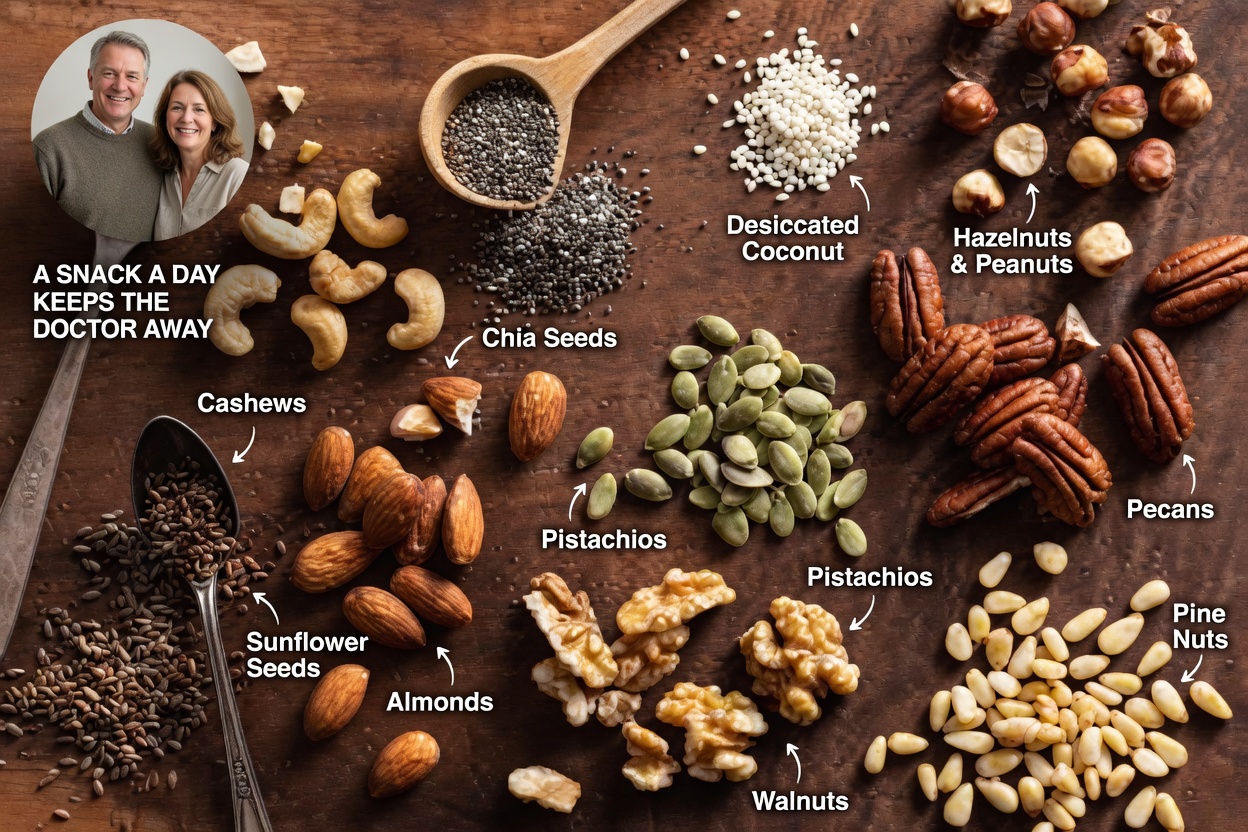
Beyond magnesium, nuts and seeds also supply potassium and healthy fats that support circulation and overall leg comfort. Walnuts add the extra benefit of omega-3 fatty acids, which may help support a healthy inflammatory response in the body.
Top Nuts and Seeds for Seniors Dealing With Leg Cramps
Some of the best options to include in your diet are:
- Pumpkin seeds (especially high in magnesium)
- Almonds (good source of both magnesium and potassium)
- Walnuts (rich in omega-3 fatty acids)
- Chia or flax seeds (easy to mix into yogurt, smoothies, or oatmeal)
A small handful—about 1 ounce—of nuts or seeds per day is usually ideal. Because they are calorie-dense, watching portion sizes can help you maintain a healthy weight while still gaining the muscle-supporting benefits.
A Simple Daily Eating Routine to Support Leg Comfort
Combining eggs, bananas, and nuts or seeds can create a powerful, food-based strategy for seniors who experience recurring leg cramps. Here is one simple sample routine:
- Morning: Scrambled eggs with spinach or tomatoes
- Midday: One banana plus a few almonds or walnuts
- Evening: A salad or yogurt topped with pumpkin seeds, chia, or flax

In addition to these foods, staying well hydrated throughout the day and practicing gentle stretching—especially before bed—can further support more relaxed leg muscles and fewer night-time cramps.
Extra Lifestyle Tips to Pair With These Foods
To get the most benefit from a leg-cramp-friendly eating plan, consider these additional habits:
- Choose fresh, whole foods whenever you can
- Eat regular meals instead of very large portions at one time
- Pay attention to how your body feels and adjust portion sizes based on your energy, sleep, and comfort
- Limit excessive caffeine and alcohol, which may affect hydration and muscle function
Many seniors find that small, steady changes in diet and lifestyle gradually lead to more comfortable legs and better sleep.
Frequently Asked Questions About Leg Cramps in Seniors
How soon might I notice a difference after adding these foods?
Results can vary widely. Some older adults notice fewer or milder leg cramps within a few weeks of consistently eating these foods, while for others, it may take longer. The key is steady, daily intake rather than quick fixes. Give your body time to respond.
Are these foods safe if I have other health conditions?
In general, eggs, bananas, and nuts and seeds are safe for most seniors. However, you should always consult your healthcare provider first if you have conditions such as diabetes, kidney disease, heart disease, or if you take medications that affect mineral levels (like diuretics). Your doctor can help you adjust portions to fit your situation.
Can I eat all three foods together in one meal?
Yes. Combining eggs, bananas, and nuts or seeds can create a balanced, nutrient-dense meal or snack. For example, you might enjoy an egg-and-vegetable omelet with a side of sliced banana and a sprinkle of nuts or seeds on top of yogurt. This combination supports protein, electrolyte balance, and healthy fats all at once.
Final Thoughts
Incorporating eggs, bananas, and a variety of nuts and seeds into your regular diet offers a natural, enjoyable way to support leg muscle comfort as you age. These everyday foods provide protein, electrolytes, vitamins, and healthy fats that work together to promote better mobility, more restful sleep, and fewer disruptive leg cramps in seniors.
Often, the most meaningful improvements come from small changes repeated consistently. Try adding just one or two of these foods into your routine this week, notice how your body responds, and build from there. Over time, these simple steps may help your legs feel more relaxed, steady, and comfortable.