
Protein Choices for Seniors With Kidney Issues: 6 to Limit and 4 Better Options
Have you ever felt that familiar lower back discomfort after a big meal, or noticed ankle swelling that makes tomorrow’s walk feel less certain? For adults over 65, seeing a high creatinine number on lab work can make even ordinary family meals feel more complicated.
For seniors living with kidney concerns, protein choices matter. Some foods can quietly place more pressure on the kidneys, while better options may help reduce that burden without leaving you undernourished. Knowing which proteins to cut back on—and which ones are easier on the body—can make everyday life feel more comfortable.
In this guide, you’ll learn about six proteins to limit thoughtfully and four kidney-friendlier alternatives that many older adults find easier to manage.

Why Protein Matters So Much for Seniors With Kidney Problems
Your kidneys filter waste products every day. As we age, and especially when kidney function is reduced, handling protein becomes more of a balancing act.
Too much protein can increase waste buildup in the body, which may contribute to:
- Fatigue
- Brain fog
- Bloating
- General discomfort
On the other hand, too little protein can lead to:
- Muscle loss
- Weakness
- Reduced mobility
- More difficulty with daily tasks
That’s why moderation is so important. Many people with chronic kidney disease do better when protein intake is controlled rather than excessive. Still, the type of protein matters just as much as the amount. Some protein-rich foods also contain high levels of:
- Phosphorus
- Potassium
- Sodium
- Saturated fat
These can be harder for weakened kidneys to process, turning meals into a hidden source of stress.
6 Proteins Seniors With Kidney Issues Should Limit
When planning protein for kidney health, some familiar favorites may need smaller portions or better substitutes.
1. Red Meat, Including Beef and Pork
Think of a Sunday roast that tastes wonderful but leaves you feeling heavy, bloated, and unusually tired afterward. Red meat is rich in protein, but it also tends to be high in phosphorus and saturated fat.
For some seniors, eating beef or pork too often may add to the workload on the kidneys. Keeping portions small and enjoying red meat only occasionally may help support better comfort and energy.
2. Full-Fat Dairy Products
Milk, cheese, and other full-fat dairy foods are common protein sources, but they also contain significant amounts of natural phosphorus. In excess, this can be difficult for compromised kidneys to manage and may also affect bone health.
Many older adults do better by:
- Choosing smaller servings
- Switching to low-fat versions
- Using kidney-friendly dairy alternatives when appropriate
3. Processed Meats Like Bacon, Sausage, and Deli Slices
Processed meats are especially challenging because they combine protein with very high sodium levels. Bacon, ham, sausage, and deli meats can contribute to:
- Swelling
- Higher blood pressure
- Greater kidney strain
Replacing these foods with fresh, minimally processed proteins can help many seniors feel lighter and more comfortable.
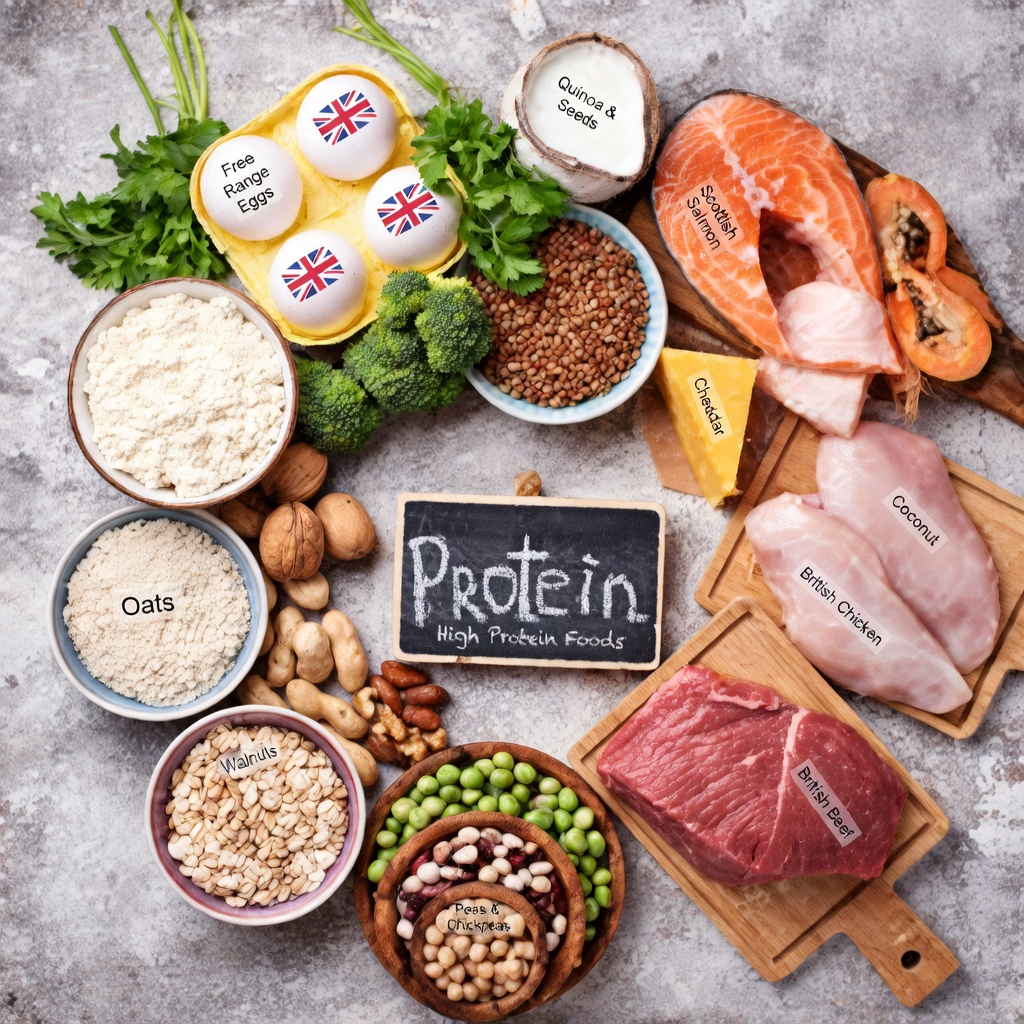
4. High-Potassium Beans Such as Kidney Beans and Lima Beans
Beans can be nutritious, but not all varieties are ideal for people with kidney concerns. Some types, especially kidney beans and lima beans, are higher in potassium. If the kidneys cannot remove potassium effectively, levels may rise too much.
That can increase the risk of imbalance and may leave you feeling tired or unwell. If beans are included, it often helps to:
- Use smaller portions
- Rinse canned beans well
- Choose lower-potassium options when possible
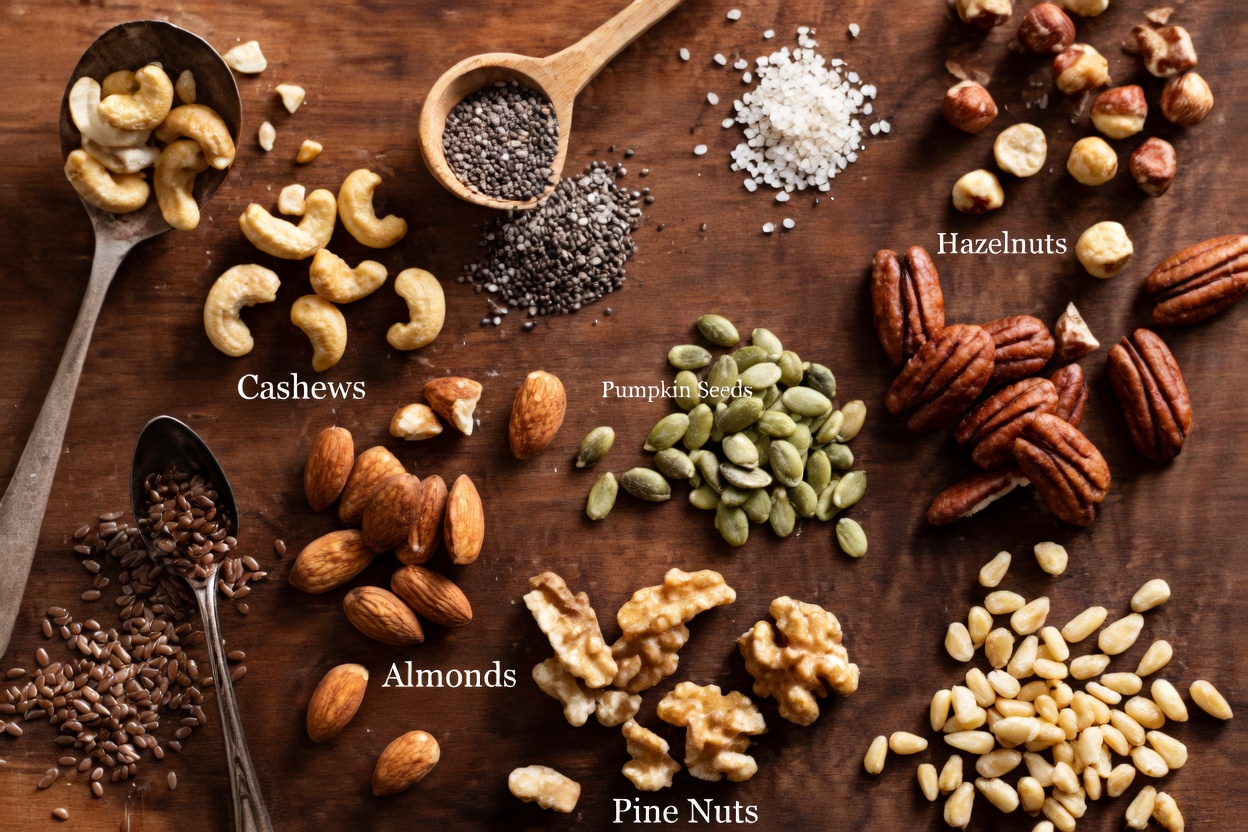
5. Nuts and Seeds, Especially Almonds
Nuts and seeds are often considered healthy snacks, but for seniors with kidney issues, they can be tricky. Almonds and similar foods are dense in phosphorus and potassium along with protein.
A small amount once in a while may be manageable for some people, but frequent large portions may not be the best fit. In many cases, limiting intake or using smaller garnishes works better.
6. Whole Eggs With the Yolk
Eggs are a valuable protein source, but the yolk contains more phosphorus. For seniors managing kidney disease, eating whole eggs too often may not be ideal.
Many people find that using mostly egg whites gives them the benefit of high-quality protein with less mineral burden. This can be a simple and practical swap.
Quick Protein Guide for Seniors With Kidney Issues
| Protein Type | Main Concern | Portion Tip | Better Swap |
|---|---|---|---|
| Red meat (beef, pork) | High phosphorus and saturated fat | Limit to small 2–3 oz portions occasionally | Lean poultry |
| Full-fat dairy | Phosphorus load | Keep servings small | Low-fat or kidney-friendly alternatives |
| Processed meats | High sodium | Avoid regular use | Fresh turkey or chicken |
| High-potassium beans | Potassium imbalance | Rinse and serve in modest amounts | Lentils in controlled portions |
| Nuts and seeds | Concentrated phosphorus and potassium | Use sparingly | Small amounts of lower-mineral toppings |
| Whole eggs | Phosphorus in yolk | Use more whites than yolks | Egg white dishes |
4 Better Protein Options for Seniors With Kidney Issues
The good news is that not all protein sources are hard on the kidneys. Some provide excellent nutrition with less strain.
1. Egg Whites
Egg whites are one of the best protein choices for many people with kidney concerns. They offer high-quality protein without the extra phosphorus found in the yolk.
They work well in:
- Scrambles
- Omelets
- Frittatas
- Sandwich fillings
2. Fresh Fish Such as Salmon or White Fish
Fresh fish can be a smart protein choice because it is generally lean and easier to fit into a kidney-conscious eating plan. Salmon and white fish also provide heart-friendly fats, which is especially helpful for older adults.
Grilled, baked, or lightly poached fish is often a better option than fried versions.
3. Skinless Chicken or Turkey
Skinless poultry delivers solid nutrition without the heavier fat content found in many red meats. Chicken breast and turkey are often well tolerated when prepared simply.
Good preparation methods include:
- Baking
- Roasting
- Grilling
- Poaching
4. Lower-Potassium Plant Proteins Like Lentils and Tofu
Plant proteins can be useful for kidney-friendly meals, especially when portions are watched carefully. Lentils and tofu may be gentler choices than higher-potassium beans, while also adding fiber and variety.
These foods can help create balanced meals without relying entirely on animal protein.

Practical Tips for Managing Protein Intake
If you’re wondering how to apply this in daily life, these simple habits can help.
- Know your target amount. Many seniors with kidney issues are advised to stay around 0.6 to 0.8 grams of protein per kilogram of body weight, though needs vary by condition and stage.
- Prioritize high-quality protein. Make a good share of your intake come from options like egg whites, fish, or skinless poultry.
- Watch portion sizes carefully. Even healthy protein can become too much if servings are too large.
- Pair proteins with lower-potassium plant foods. Small amounts of lentils or tofu may work well in a balanced meal plan.
- Use herbs, garlic, and lemon instead of salt. This keeps meals flavorful without adding sodium.
- Review your diet with a professional. A renal dietitian can help tailor protein choices based on your lab results and kidney function.
Easy Meal Ideas for Seniors With Kidney Issues
Kidney-friendly eating does not have to feel bland or restrictive. A few smart recipe ideas can keep meals enjoyable.
Try options like:
- Herb egg-white frittata for a light breakfast
- Turkey and lentil tacos for a flavorful lunch or dinner
- Ginger fish and tofu stir-fry for a satisfying, lower-burden evening meal
- Lemon-roasted chicken with simple vegetables
- Soft scrambled egg whites with fresh herbs and toast
Small changes can make a big difference while still keeping food appealing.
Frequently Asked Questions
How much protein is safe each day for seniors with kidney issues?
It depends on the stage of kidney disease, body size, and overall health. For many adults with chronic kidney concerns, 0.6 to 0.8 grams per kilogram of body weight is a common guideline, but your doctor or dietitian should confirm the right amount for you.
Are plant proteins better for kidney health?
In some cases, yes. Plant proteins often contain phosphorus that is less easily absorbed by the body than phosphorus from animal foods. However, not all plant proteins are equal, especially if potassium is a concern. The best plan usually includes a personalized balance.
Can seniors with kidney issues still enjoy meals?
Absolutely. With smarter portions, better protein choices, and flavorful seasonings like herbs, garlic, and lemon, many seniors are able to eat well without feeling deprived.
Final Thoughts
Managing protein for seniors with kidney issues does not mean giving up satisfying meals. It means choosing wisely, controlling portions, and focusing on foods that nourish the body without placing extra stress on the kidneys.
By limiting red meat, processed meats, full-fat dairy, high-potassium beans, nuts, seeds, and too many yolks—and by choosing options like egg whites, fish, skinless poultry, lentils, and tofu—you can build meals that support both comfort and nutrition.
With the right approach, it is possible to protect kidney health while still enjoying food and maintaining strength.