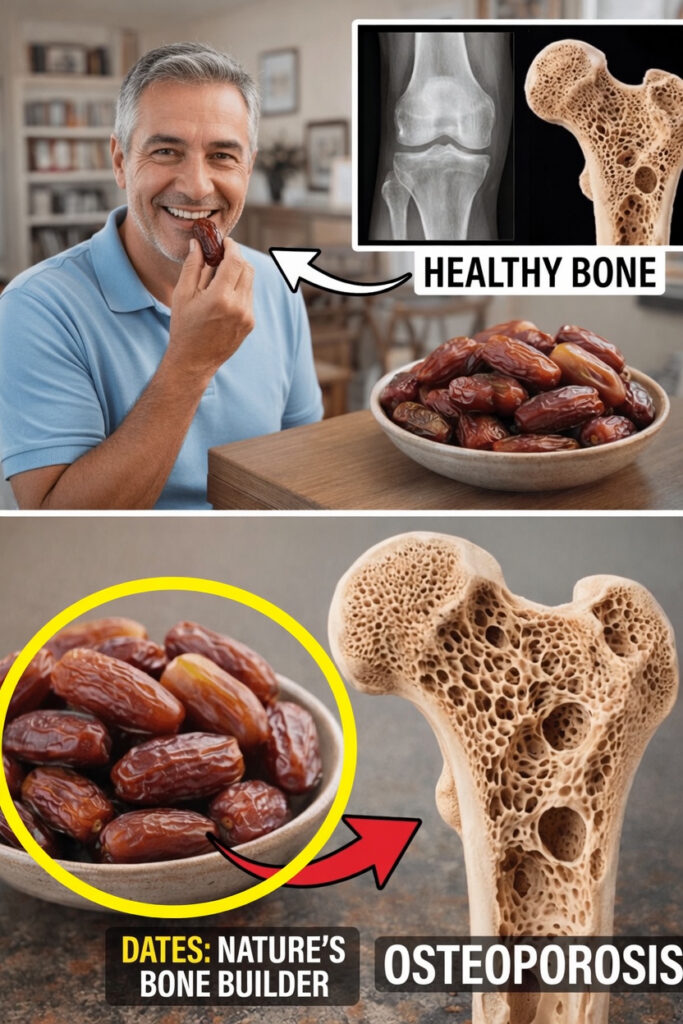
Feeling Stiff in the Morning? Dates May Support Bone Health After 50
Have you ever gotten out of bed and felt your body protest before your brain fully caught up—tight hips, a stiff lower back when you lean over, or that brief moment of caution before stepping off a curb? It can feel as if your bones and joints are quietly asking for extra care.
Now picture doing something simple: reaching for a soft, chewy date. Its caramel-like sweetness, with a touch of honey and earthiness, feels satisfying while also offering real nutritional value. It’s a small habit, but one that may help support your long-term wellness.
Before reading further, rate your joint stiffness or morning achiness from 1 to 10 during the first 30 minutes after waking. Keep that number in mind. Small improvements often begin so subtly that they’re easy to miss at first.
Bone loss rarely makes noise. It usually develops in the background until it shows up as a fracture, a fall, or a sudden loss of confidence and independence. That’s why everyday habits matter. Dates are not a treatment for osteoporosis, but they can play a helpful role in a broader bone-support plan because they provide useful minerals in a food people actually enjoy eating.
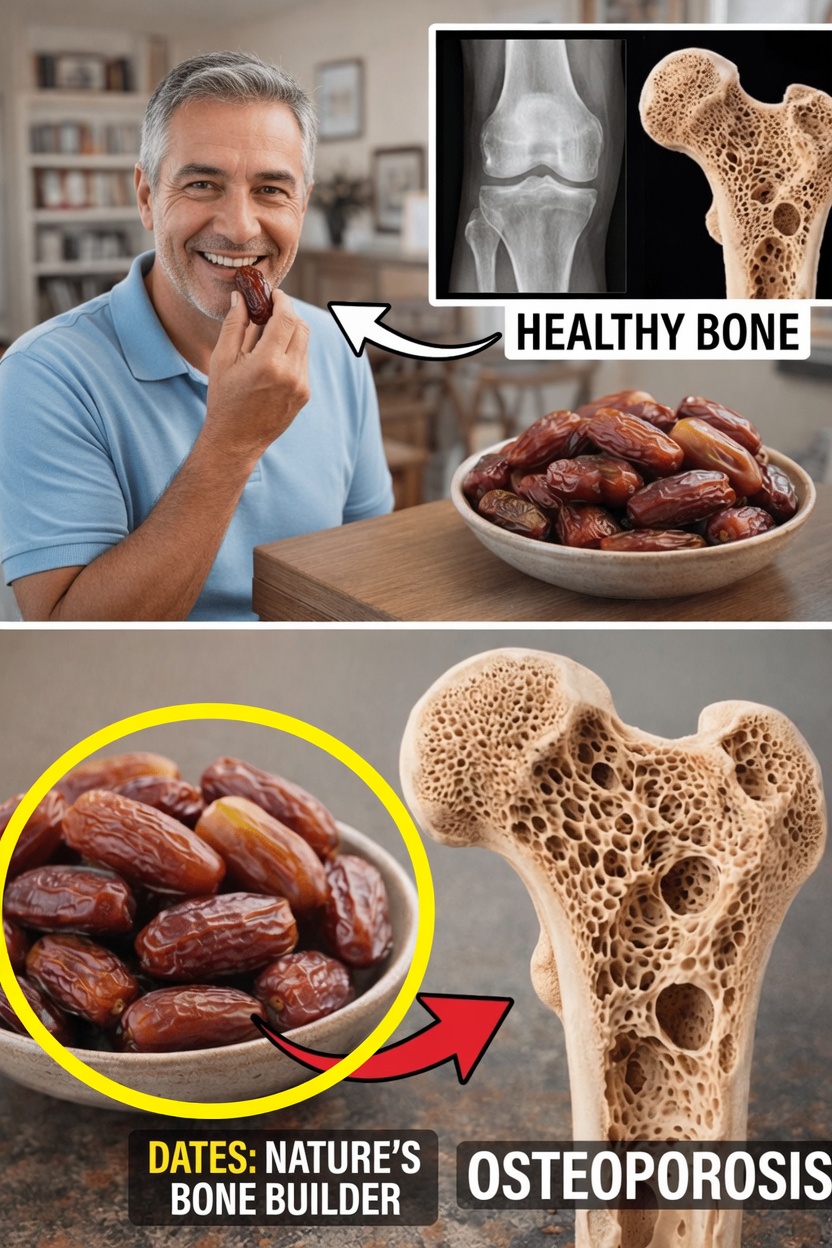
Why Bone Loss Often Becomes More Common After 50
Bone is living tissue. Your body is always breaking down old bone and building new bone in its place. In younger years, rebuilding tends to outpace breakdown. After age 50, that balance often changes.
Several factors can raise the risk of bone loss, including:
- Low calcium intake
- Inadequate vitamin D
- Less weight-bearing exercise
- Hormonal shifts, especially after menopause
- Low protein intake
- Certain medications
- Ongoing health conditions
Many people focus only on calcium, but bone health depends on more than one nutrient. Calcium is essential, yet it works alongside other minerals.
Your body also needs:
- Magnesium to help regulate calcium and support vitamin D function
- Potassium to help maintain acid-base balance
- Phosphorus to contribute to the mineral structure of bone
This is where dates become worth discussing. They are not a bone supplement, but they can serve as a convenient daily source of supportive nutrients—especially when combined with other smart habits.
Why Dates Belong in the Bone Health Discussion
Dates are often dismissed as nothing more than sugar. That’s not the full picture.
Yes, they are naturally sweet. But they also contain fiber, minerals, and plant compounds that may support healthy aging. They can also help replace ultra-processed snacks that offer very little nutritional value.
Think of dates as a practical nutritional tool:
- They make minerals easier to include regularly
- They can provide quick energy for physical activity
- They are easy to pair with calcium- and protein-rich foods
- They can help shift snacking habits in a healthier direction
The key is how you use them. Eaten mindlessly, they simply add extra sugar. Used intentionally, they can become part of a bone-friendly routine.
9 Smart Ways Dates May Support Bone Health
9. They’re Easy to Turn Into a Daily Habit
The biggest advantage of dates may be their simplicity. A healthy routine only works if you can repeat it.
Maria, 62, worked long nursing shifts and needed something easy, not complicated. She started eating three dates in the afternoon instead of grabbing cookies from the staff room. The first change she noticed was not in her bones. It was in her consistency. She stopped skipping snacks, felt fewer afternoon crashes, and had more energy to walk after work.
Bone health is built through repeated behaviors. Dates are simple enough to become one of those repeatable habits.
8. They Contribute Magnesium for Bone Remodeling
Magnesium plays an important behind-the-scenes role in bone metabolism. It supports vitamin D activation and helps the body manage calcium properly.
Many adults fall short on magnesium over time. Dates do not contain huge amounts, but eating them regularly can help contribute to daily intake.
John, 65, began adding dates to his breakfast with yogurt and found that his sluggish, heavy feeling in the morning gradually improved. That shift could come from many factors, but magnesium intake is one part of the equation that often gets overlooked.
Calcium alone is not enough. Bone-supporting nutrients work together.
7. Their Potassium Helps Support Mineral Balance
Potassium is often linked to blood pressure, but it may also play a role in maintaining a healthier internal balance.
Some nutrition theories suggest that diets low in fruits and vegetables may create a higher acid load, which the body may buffer with stored minerals over time. That process could potentially affect bone health. Dates are not the richest potassium food available, but they do add to your intake.
If dates replace a salty processed snack, the benefit may be even greater.
6. They Provide Phosphorus, a Structural Bone Mineral
Bone strength depends on a mineral framework, and phosphorus is one of its central building blocks alongside calcium.
Dates contain moderate amounts of phosphorus, which means they can contribute to the structural side of bone nutrition. Sarah, 59, started eating dates with almonds after her walks. She did not expect a dramatic transformation, but she found the habit satisfying and easy to maintain.
A stable routine often leads to more consistent movement, and movement is one of the strongest signals your bones receive.
5. They Can Give You Energy to Stay Active
Bones respond to physical load. Walking, climbing stairs, strength training, and resistance exercises all send the message that your skeleton is needed and should be maintained.
Mike, 67, became less active after a minor fall left him nervous about moving. He started with short daily walks, using a few dates as a pre-walk snack. The natural sweetness gave him a bit of quick energy, and the routine helped him stick with the habit.
Dates do not strengthen bones on their own. Their real value appears when they support behaviors that do—especially regular movement.
4. They Contain Antioxidant Plant Compounds
Aging is associated with higher oxidative stress. While the relationship between antioxidants and bone density is complex, diets rich in plant compounds are generally linked with healthier aging.
Dates contain polyphenols and other naturally occurring plant compounds that may provide antioxidant support. Lisa, 64, switched from packaged candy to dates and said she felt less “inflamed” and more balanced throughout the day.
That improvement may not be due to dates alone. But replacing ultra-processed sweets with a whole-food option is a meaningful change, and meaningful changes tend to build on each other.
3. Their Fiber Can Improve Overall Diet Quality
Dates provide fiber, and fiber supports digestive health, appetite regulation, and better eating patterns overall.
For many people, bone issues do not come from a single missing nutrient. The bigger problem is often a pattern that includes:
- Too little protein
- Too few minerals
- Too little fiber
- Too many processed calories
Dates can help shift that pattern in a better direction, especially when paired with protein-rich foods. Elena, 61, started blending dates into a smoothie with Greek yogurt and cinnamon. It made her breakfast more enjoyable and helped her eat protein more consistently.
That matters because protein supports muscle, and muscle supports balance. Better balance means a lower risk of falls, and reducing falls is one of the most important ways to protect bones.
2. They Work Well as a Companion to Calcium-Rich Foods
Dates are not a high-calcium food by themselves. But they pair extremely well with foods that are.
Good pairings include:
- Yogurt
- Kefir
- Fortified plant milks
- Cheese
- Chia pudding made with fortified milk
This is where snack structure becomes important. A date eaten alone is not the same as a date paired with yogurt. Add nuts, and you also bring in magnesium, healthy fats, and a slower rise in blood sugar.
When you build snacks this way, dates become more than something sweet. They become part of a smarter nutritional pattern.
1. They Can Help Replace Low-Value Snacks With More Supportive Choices
Perhaps the most practical benefit of dates is this: they can help crowd out foods that do little for healthy aging.
If dates replace:
- Cookies
- Candy
- Pastries
- Sugary snack bars
- Highly processed afternoon snacks
then the impact goes beyond one fruit. You are improving the quality of your daily routine.
That shift can support:
- More stable energy
- Better nutrient intake
- Easier movement
- More consistent eating habits
- Less reliance on ultra-processed foods
For bone health, those daily patterns matter more than searching for one perfect superfood.
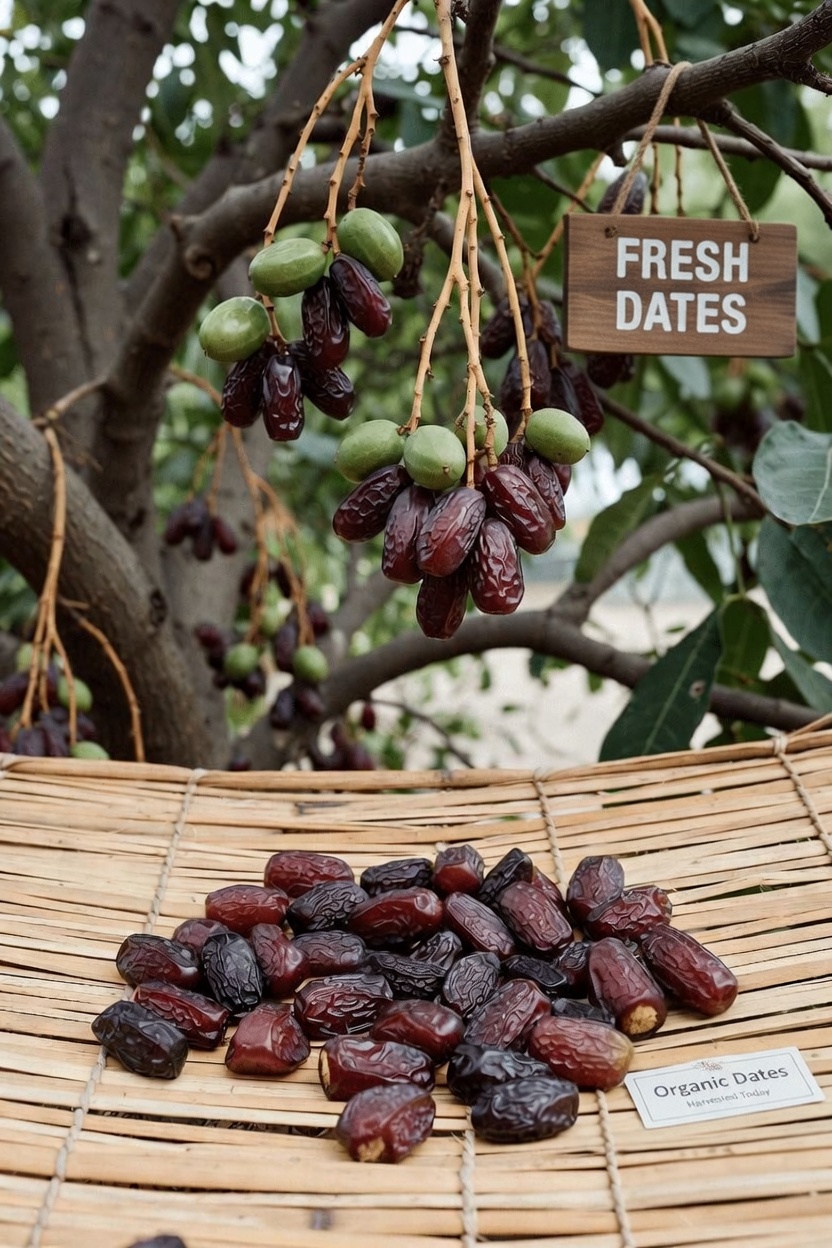
How to Use Dates in a Bone-Support Plan
Dates work best as part of a bigger strategy, not as a stand-alone fix.
Try these simple ideas:
-
Pair dates with calcium-rich foods
- Dates with Greek yogurt
- Dates stuffed with a little cheese
- Dates blended into a kefir smoothie
-
Use them before activity
- Eat 2 to 3 dates before a walk or workout for quick energy
-
Combine them with nuts or seeds
- This adds magnesium, healthy fats, and better staying power
-
Swap them for processed sweets
- Replace cookies or candy with dates a few times a week
-
Keep portions sensible
- Dates are nutrient-rich, but they are also naturally high in sugar, so intentional portions matter
A Simple Reminder About Bone Health
Dates will not cure osteoporosis, rebuild severe bone loss overnight, or replace medical treatment. But they may help support bone wellness in a realistic and sustainable way.
That is often what matters most: not perfection, but repeatable habits.
If you rated your morning stiffness earlier, keep paying attention to it over the next few weeks. Small shifts in food choices, movement, and consistency can add up over time. And sometimes, one of the easiest places to start is with a food as simple as a date.