10 Everyday Foods Tied to Higher Cancer Risk (and What to Choose Instead)
Cancer touches millions of households globally, and many people naturally look to everyday habits—especially food—for ways to protect their health. It’s easy to underestimate how convenient, ultra-processed options can slowly increase cancer risk by driving chronic inflammation, weight gain, and other changes that scientists associate with abnormal cell growth over time.
Looking more closely at your diet doesn’t have to be scary or restrictive. When you focus on gradual, realistic changes, it can feel empowering. The real wake‑up call comes when you see which familiar foods are most strongly linked to cancer risk, what you can swap them with, and one surprising lifestyle habit that can amplify all your efforts—more on that at the end.
Why Your Diet Matters More Than You Might Expect
Guidelines from the American Cancer Society emphasize that the foods you eat regularly can influence your cancer risk through several pathways, including:
- Excess body weight
- Chronic, low-grade inflammation
- Hormonal and metabolic changes
- Impacts on gut health
Large organizations such as the World Health Organization (WHO) and other international research bodies have studied these links for decades. They don’t blame a single food for causing cancer. Instead, they highlight patterns: diets rich in certain items are consistently associated with higher rates of particular cancers.
Understanding that bigger picture equips you to make smarter, evidence‑based choices. That’s where things get practical.
10 Foods Research Associates With Higher Cancer Risk
Many studies repeatedly point to the following foods and drinks as wise to limit if you want long‑term health support. Moderation is key—occasional use is different from daily reliance—and pairing reductions with more plant-based, whole foods can make a noticeable difference.
- Processed meats such as bacon, sausages, hot dogs, and deli meats
- Red meat like beef, pork, and lamb
- Sugary drinks including soda and sweetened fruit beverages
- Alcohol in the form of beer, wine, or spirits
- Refined grains such as white bread, regular pasta, and white rice
- French fries and potato chips
- Ultra-processed snacks including packaged cookies and cakes
- Charred or heavily grilled meats cooked at very high temperatures
- High-salt pickled and cured foods
- Foods loaded with added sugars like candy and many desserts
Now let’s unpack why experts flag each category—and what you can do differently starting today.
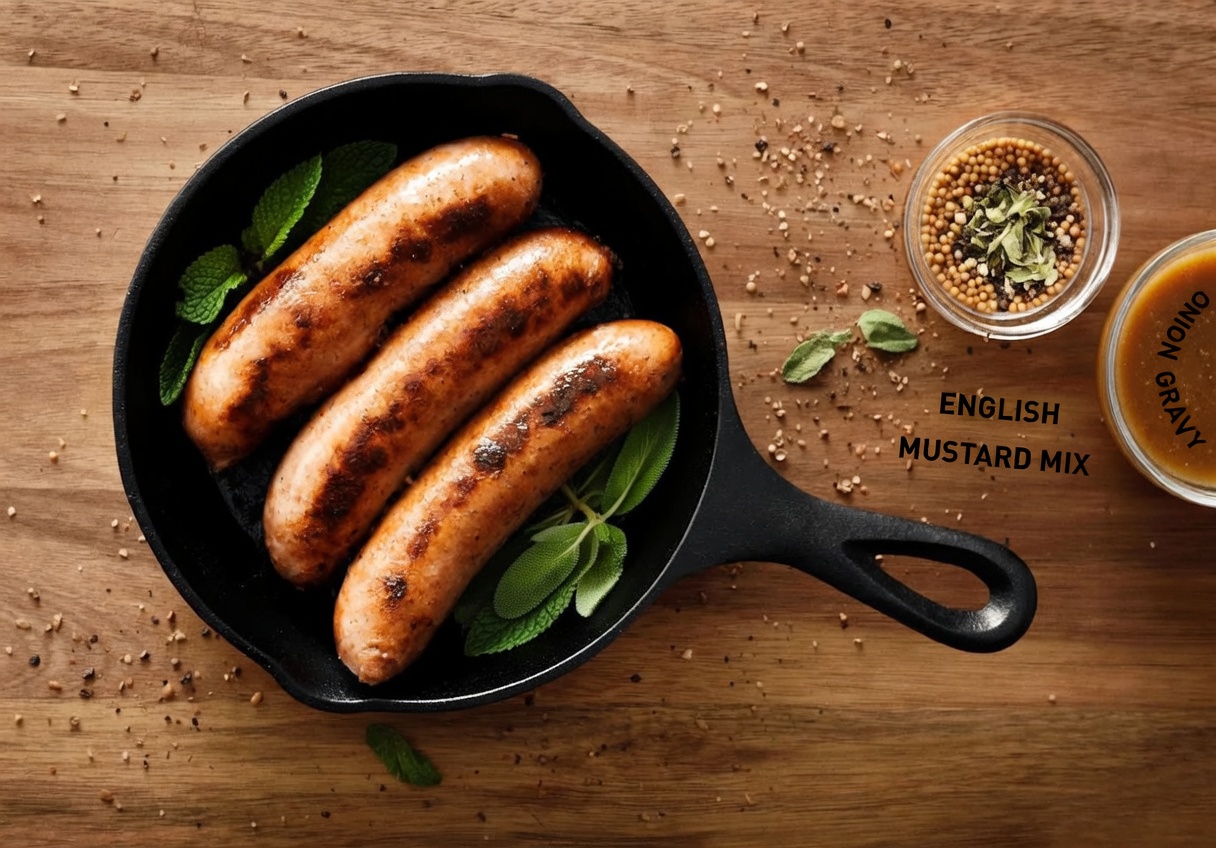
1. Processed Meats: Bacon, Sausages, Hot Dogs, Deli Slices
The World Health Organization classifies processed meats as Group 1 carcinogens, meaning there is strong evidence they can cause cancer in humans, especially colorectal cancer. Preservatives such as nitrates and nitrites can transform into potentially harmful compounds in the body, particularly when eaten regularly.
Some estimates from cancer organizations suggest that habitual processed meat intake may contribute to roughly one in eight colorectal cancer cases.
You don’t necessarily have to ban them forever, but risk increases with frequent consumption.
Healthier ideas:
- Save processed meats for rare occasions rather than daily use
- Use fresh chicken, turkey, or fish instead of deli meats in sandwiches
- Try plant‑based fillings like hummus, beans, lentils, or tofu for wraps and salads
2. Red Meat: Beef, Pork, and Lamb
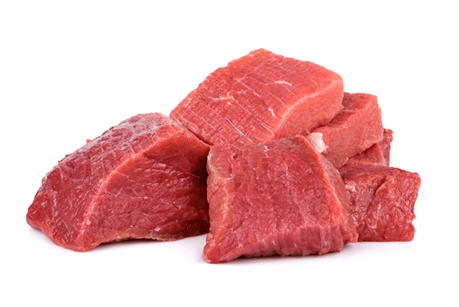
International health agencies classify red meat as “probably carcinogenic” to humans, with strong associations to colorectal cancer and potential links to other cancers. The heme iron in red meat and certain digestion byproducts are thought to contribute to these effects.
Regular large portions also appear connected to inflammation and weight gain in many long‑term studies.
Healthier ideas:
- Limit red meat to a few small portions per week
- Choose lean cuts and trim visible fat
- Make vegetables, beans, or whole grains the star of your plate and use meat as a side, not the main focus
3. Sugary Drinks: Sodas and Sweetened Juices
Sugary beverages deliver a large amount of calories with almost no nutrients. They are strongly linked to rapid weight gain and obesity—both key drivers of increased cancer risk across many cancer types, according to the American Cancer Society and other major health organizations.
Spikes in blood sugar and insulin from these drinks can also create a hormonal environment less supportive of normal cell function.
Healthier ideas:
- Choose plain water—add lemon, lime, cucumber, or berries for flavor
- Enjoy unsweetened herbal or green tea, hot or iced
- If you drink juice, pick 100% fruit juice and keep portions small, treating it like an occasional treat
4. Alcohol: Beer, Wine, and Spirits
Alcohol is also classified by the WHO as a Group 1 carcinogen. Even moderate consumption is associated with a higher risk of several cancers, including breast, liver, mouth, throat, and colorectal cancers. Alcohol can directly damage DNA, affect hormone levels (including estrogen), and increase oxidative stress.
Any reduction in alcohol intake is considered beneficial.
Healthier ideas:
- Set alcohol‑free days each week and stick to them
- Swap some drinks for sparkling water with citrus or herbs
- Try alcohol‑free wines, beers, or mocktails made with seltzer and fresh fruit
5. Refined Grains: White Bread, Pasta, and White Rice
Refined grains have had most of their fiber and many nutrients removed. As a result, they digest quickly, causing rapid blood sugar spikes and crashes. Over time, high intake is associated with weight gain and metabolic issues that can raise cancer risk.
Fiber, which is largely stripped away in refined products, is crucial for gut health and is linked to a lower risk of colorectal cancer.
Healthier ideas:
- Replace white bread with whole‑grain or sprouted grain bread
- Choose brown rice, quinoa, or whole‑wheat pasta instead of white varieties
- Start with swapping just one staple (like rice or bread) and build from there
6. French Fries and Potato Chips
Frying potatoes at high temperatures can produce acrylamide, a chemical that health authorities study for its potential cancer‑causing properties. Fries and chips are also calorie‑dense and easy to overeat, contributing to weight gain.
Healthier ideas:
- Bake potato wedges or sweet potato fries with a small amount of olive oil and spices
- Try air‑frying instead of deep‑frying
- Snack on crunchy alternatives like carrots, cucumbers, or roasted chickpeas
7. Ultra‑Processed Snacks: Packaged Cookies, Cakes, and More
Ultra‑processed foods are typically high in added sugars, unhealthy fats, refined starches, and additives, while being low in fiber and nutrients. Large population studies have linked high intake of ultra‑processed foods to increased overall cancer risk, likely through obesity, inflammation, and poor metabolic health.
Healthier ideas:
- Bake simple snacks at home using oats, nuts, seeds, and fruit
- Choose minimally processed options like plain yogurt with fruit or a handful of nuts
- Read labels and avoid snacks with long ingredient lists and artificial additives
8. Charred or Heavily Grilled Meats
Cooking meats at very high temperatures—especially grilling or barbecuing until charred—can form chemicals such as heterocyclic amines (HCAs) and polycyclic aromatic hydrocarbons (PAHs). Lab studies link these compounds to DNA damage and increased cancer risk.
Red and processed meats are affected the most, but poultry and fish can also form these compounds when burnt.
Healthier ideas:
- Cook meat at lower temperatures and avoid charring or burning
- Marinate meats before grilling; some marinades may reduce HCA formation
- Use foil packets or indirect heat, and fill half your grill with vegetables instead of just meat
9. High‑Salt Pickled and Cured Foods
Diets high in salt-preserved and heavily pickled foods have been associated with an elevated risk of stomach cancer in several population studies, particularly in regions where they are eaten daily. Excess salt may irritate the stomach lining and contribute to inflammation over many years.
Healthier ideas:
- Choose fresh or lightly pickled vegetables with less added salt
- If you make pickles at home, use reduced-sodium recipes
- Rely more on fresh herbs, citrus, garlic, and spices for flavor instead of salt
10. Foods High in Added Sugars: Candy and Desserts
Frequent intake of sweets and desserts packed with added sugars encourages weight gain, insulin resistance, and chronic inflammation—factors strongly tied to cancer development in research reviews. These foods often displace more nutrient-dense choices in the diet.
Healthier ideas:
- Enjoy fresh fruit as your primary sweet option
- Choose dark chocolate with minimal added sugar when you want a treat
- Reduce portion sizes of desserts and save them for special occasions rather than daily habits
5 Simple, Actionable Tips to Start Eating Smarter Today
Healthy change does not have to be extreme to be effective. Small, consistent shifts can add up quickly.
- Swap one processed item per week for a fresh protein like chicken, fish, tofu, or beans
- Replace sugary drinks with water, sparkling water, or unsweetened tea at most meals
- Choose whole grains (brown rice, whole‑wheat bread, oats) for at least half of your grain servings
- Bake, steam, or grill gently instead of deep‑frying, and avoid charring meat or fish
- Check ingredient lists and aim for products with five ingredients or fewer, using mostly recognizable, whole‑food components
These small steps support healthier weight, steadier energy, and reduced inflammation—key pillars of cancer‑conscious eating.
What to Eat More Of for Everyday Support
Rather than only focusing on what to cut back, it helps to emphasize what to add. Diets built around whole, minimally processed foods offer protective benefits.
Prioritize:
- A rainbow of fruits and vegetables
- Whole grains like oats, quinoa, brown rice, and whole‑grain breads
- Lean proteins such as fish, poultry, eggs, beans, lentils, and tofu
- Healthy fats from nuts, seeds, avocados, and olive oil
- Herbs and spices like turmeric, garlic, ginger, and rosemary for flavor and potential anti‑inflammatory effects
Patterns like the Mediterranean diet, which emphasize these foods, are consistently associated with lower rates of several chronic diseases, including some cancers, in large observational studies.
One Surprising Habit That Amplifies Your Efforts: Prioritizing Sleep
Limiting the 10 high‑risk foods is a powerful step, but there’s an often-overlooked habit that can significantly strengthen your results: getting enough quality sleep.
Research suggests that poor or short sleep can:
- Disrupt hormones that control hunger and fullness, increasing cravings for sugary and high‑fat foods
- Promote weight gain and insulin resistance
- Increase inflammation and stress hormones, which may influence cancer risk over time
By aiming for 7–9 hours of consistent, restorative sleep each night, you make it easier to choose healthier foods, maintain a stable weight, and support your body’s natural repair processes.
To support better sleep:
- Keep a regular sleep schedule, even on weekends
- Limit caffeine and heavy meals close to bedtime
- Create a relaxing, screen‑free wind‑down routine
The Bottom Line
No single food determines whether you will or won’t develop cancer. But your overall pattern—what you eat most days, how much you move, how well you sleep—can shift your risk in meaningful ways.
By cutting back on these 10 commonly eaten foods, adding more whole, plant‑rich options, and supporting your body with good sleep, you build a lifestyle that not only supports lower cancer risk but also boosts your energy, weight management, and overall well‑being for years to come.