
Proteinuria and Diet: 6 Common Foods That May Make Symptoms Worse
Foamy urine, swollen ankles at the end of the day, and a deep, lingering fatigue can make proteinuria hard to ignore. When protein leaks into the urine, it may affect comfort, energy, and peace of mind, turning ordinary routines into daily reminders to pay closer attention to kidney health.
The good news is that small food choices can matter. Some everyday items may place extra stress on the kidneys and potentially make proteinuria symptoms feel more noticeable. By recognizing these foods and choosing gentler alternatives, you may feel more comfortable and more in control of your day-to-day health.

How Daily Food Choices Can Influence Proteinuria
Proteinuria often comes with concerns such as leg swelling, low energy, or unexplained exhaustion. Many people notice that symptoms seem to change from day to day without realizing that diet may be part of the reason.
Research suggests that too much phosphorus, sodium, potassium, or concentrated protein can increase the workload on kidneys that are already under strain. That does not mean you need a drastic diet overhaul. In many cases, simple, informed swaps can support better balance and reduce unnecessary pressure on kidney function.
6 Everyday Foods That May Contribute to Proteinuria
When you are managing proteinuria, what you eat can make a real difference. Some common foods may quietly increase fluid retention, mineral overload, or filtration demands. Below are six foods worth watching, along with easier alternatives that may better support kidney health.

#6: Fizzy Sodas and Colas
Colas and other fizzy soft drinks may seem harmless, but many contain phosphoric acid. High phosphorus intake can place more stress on the kidneys during filtration, which may be unhelpful for people already dealing with proteinuria.
If you regularly experience swelling or heaviness in your legs, your daily soda habit may be adding to that burden. A better option is sparkling water with lemon, which gives you the same refreshing sensation without the same phosphorus load.
#5: Processed Meats Such as Deli Slices and Sausages
Processed meats are convenient, but they are often packed with sodium. Too much sodium can encourage fluid retention and may worsen puffiness, swelling, and fatigue associated with proteinuria.
It can also contribute to blood pressure concerns, which may further affect kidney health. A simple swap is fresh turkey, grilled chicken, or herb-seasoned lean protein with little or no added salt.
#4: Dairy Products Like Cheese, Milk, and Yogurt
Cheese, milk, and yogurt are common staples, but they can also be significant sources of phosphorus. For people with proteinuria, excess phosphorus may create additional strain on kidneys trying to maintain mineral balance.
If you are already feeling drained or uncomfortable, dairy-heavy meals may make symptoms harder to manage. Plant-based options such as almond milk can offer a similar creamy texture with a lighter mineral load.

#3: High-Protein Powders and Supplements
Protein shakes and powders are popular for workouts and recovery, but concentrated protein can be too much for some people with kidney concerns. Excess protein increases nitrogen waste, which may raise the demand on kidney filtration.
If proteinuria already leaves you tired, overdoing supplements may not help you feel better. Instead of automatically adding powders, it may be wiser to focus on balanced meals and discuss protein needs with a healthcare professional.
#2: Bananas and Dried Fruits
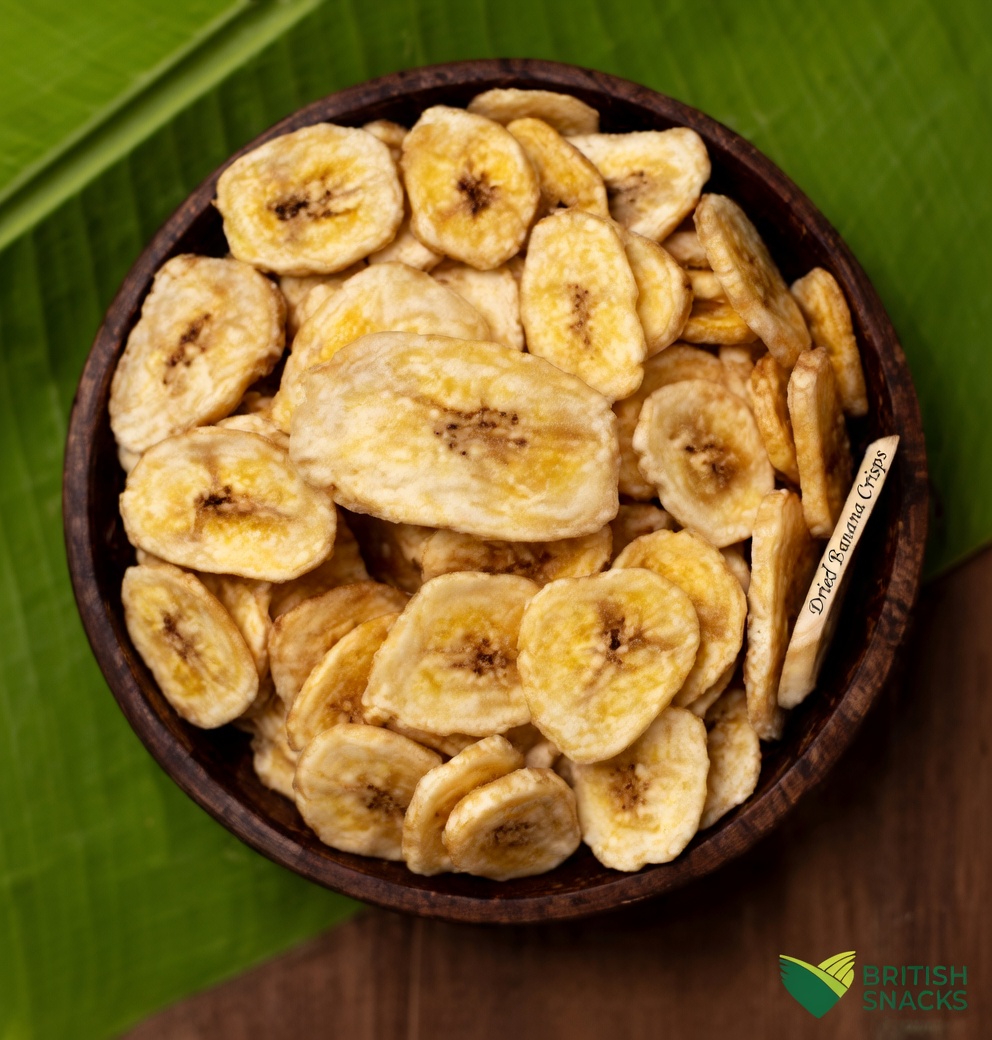
Bananas and dried fruits are often seen as healthy snacks, but they can be high in potassium. For people with reduced kidney filtration or proteinuria, too much potassium may create additional challenges.
That “healthy” snack may contribute to bloating, cramps, or discomfort in some cases. Lower-potassium fruits like berries or apples can satisfy sweet cravings while being easier on the body.
#1: Whole Grains Such as Brown Rice and Oats
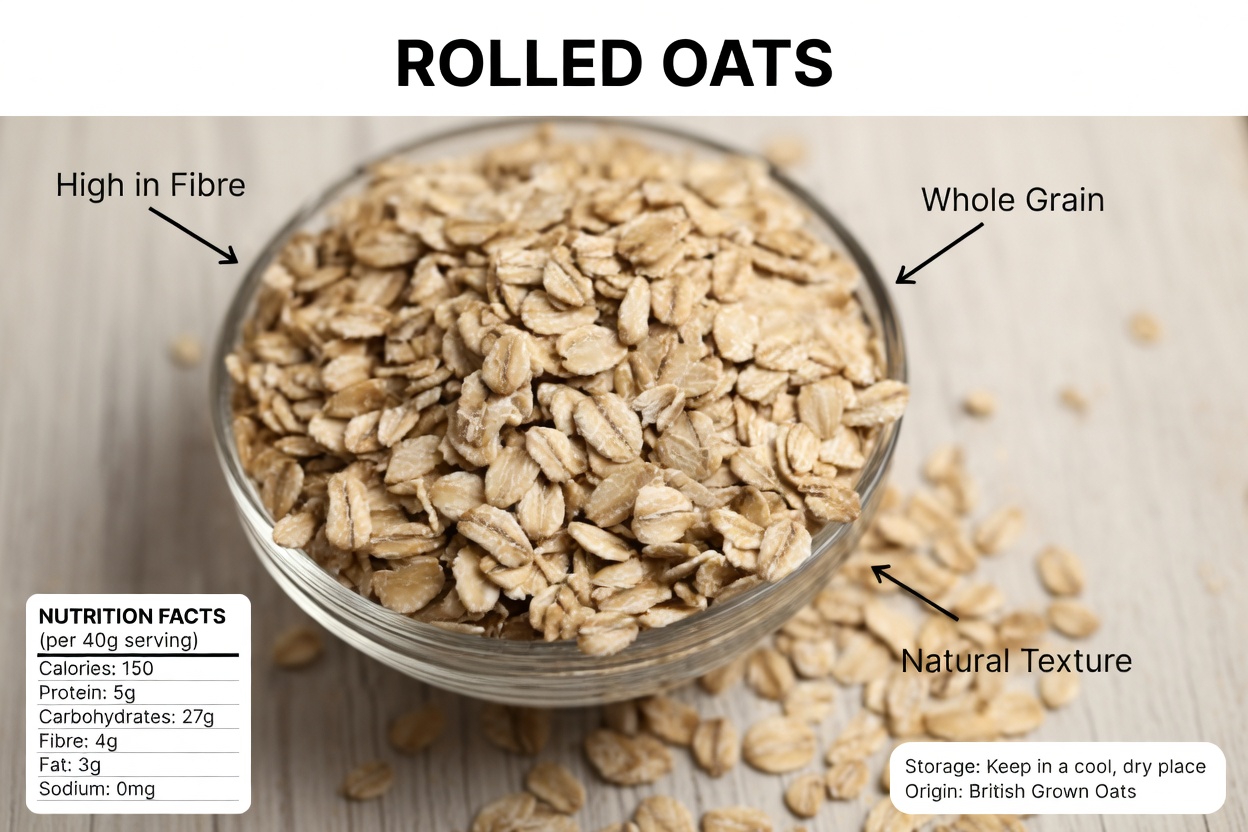
Whole grains are nutritious for many people, but foods like brown rice and oats also contain natural phosphorus and other minerals. For someone with proteinuria, that extra mineral load may increase the kidneys’ workload.
If you are dealing with fatigue or foamy urine, choosing a lower-burden option may help. White rice or moderate portions of quinoa can be useful alternatives, depending on your overall nutrition plan.
Quick Reference: Foods to Limit and Smarter Swaps
| Food to Watch | Main Concern | How It May Affect Proteinuria | Simpler Swap |
|---|---|---|---|
| Fizzy sodas and colas | Phosphoric acid | Adds filtration stress | Lemon sparkling water |
| Processed meats | High sodium | Increases fluid retention | Fresh herb-seasoned turkey or chicken |
| Dairy products | High phosphorus | Challenges mineral balance | Almond milk or rice-based alternatives |
| Protein powders | Excess protein/nitrogen | Raises filtration demand | Whole-food protein sources |
| Bananas and dried fruits | High potassium | May worsen imbalance | Berries or apples |
| Whole grains like brown rice | Higher mineral content | Adds to kidney workload | White rice or quinoa in moderation |
Why These Foods May Increase Kidney Strain
The issue is not just the food itself, but what it asks the kidneys to process. Too much sodium can increase fluid retention. Too much phosphorus may disturb mineral balance. Large amounts of potassium or concentrated protein can also make filtration harder.
For people with proteinuria, these added demands may make symptoms like fatigue, swelling, or discomfort more noticeable. Many people find that thoughtful dietary adjustments help them feel steadier without requiring extreme restrictions.
Easy Food Swaps That May Help
You do not need to give up enjoyable meals to make supportive changes. Small substitutions can reduce stress on the kidneys while keeping your food satisfying.
Try these practical swaps:
- Replace colas with herbal tea, sparkling water, or lemon-infused water.
- Swap processed meats for grilled chicken, fresh turkey, or vegetable wraps with herbs and garlic.
- Choose plant-based milks instead of regular dairy when possible.
- Cut back on protein powders and focus on balanced meals, especially if your care team recommends moderation.
- Pick berries, apples, or other lower-potassium fruits instead of bananas or dried fruit.
- Use white rice in place of brown rice when trying to lower mineral intake.
5 Everyday Habits to Support Kidney Health While Managing Proteinuria
Food choices matter, but daily habits can also support comfort and energy. These simple routines may help alongside a kidney-conscious eating pattern:
-
Stay hydrated wisely
- Aim for around 6 to 8 glasses of water daily, unless your healthcare provider has given different guidance.
-
Use herbs instead of excess salt
- Flavor meals with garlic, parsley, basil, lemon, or pepper to reduce sodium without losing taste.
-
Monitor packaged foods
- Read labels and watch for hidden sodium, phosphorus additives, and excess protein.
-
Keep meals balanced
- Focus on moderation rather than extremes, and choose whole, simple foods whenever possible.
-
Check in with your care team
- If you have proteinuria, personalized advice from a doctor or renal dietitian can help you make safer choices.
Final Thoughts
Proteinuria can be stressful, especially when symptoms such as fatigue, swelling, and foamy urine begin affecting everyday life. But diet is one area where small adjustments may offer meaningful support.
By cutting back on high-sodium processed meats, phosphorus-heavy sodas and dairy, concentrated protein powders, potassium-rich snacks like bananas and dried fruits, and mineral-dense whole grains, you may reduce some of the strain on your kidneys. With simple swaps and steady habits, managing proteinuria can feel less overwhelming and more achievable.