
Sudden Confusion or Trouble Speaking: A Key Stroke Warning You Should Never Ignore
A sudden wave of mental fog, difficulty following a conversation, or the inability to get words out clearly may seem like simple exhaustion after a stressful day or a poor night of sleep. But when these changes appear out of nowhere, they can point to something much more dangerous.
One of the most important early stroke symptoms is sudden confusion or difficulty speaking. Because a stroke can develop without warning, recognizing these signs quickly can make a life-changing difference. This guide explains what to look for, why these symptoms matter, and what to do immediately to protect yourself or someone you love.

Why Stroke Symptoms Happen So Fast
A stroke occurs when blood flow to part of the brain is blocked or interrupted. This may happen because of a clot, narrowed blood vessels, or uncontrolled high blood pressure. Once the brain is deprived of oxygen, symptoms can begin within minutes.
When sudden confusion or difficulty speaking appears, it often means the stroke is affecting the part of the brain responsible for language, memory, or clear thinking. A person may suddenly struggle to answer basic questions, mix up words, or sound as if their speech is slurred or unusual.
These stroke symptoms are often mistaken for fatigue, stress, or distraction. That delay can be dangerous. Major medical organizations consistently emphasize that early recognition of symptoms such as sudden confusion or difficulty speaking greatly improves the chance of recovery.
The FAST Test: A Quick Way to Check for Stroke Symptoms
Doctors and emergency professionals often use the FAST test because it helps identify stroke signs in just a few seconds.
- Face: Ask the person to smile. Does one side of the face droop?
- Arms: Ask them to raise both arms. Does one arm fall or drift downward?
- Speech: Ask them to repeat a simple sentence. Is the speech slurred, strange, or hard to understand?
- Time: If any of these signs appear, call emergency services right away.
This simple method can help detect stroke symptoms, especially sudden confusion or trouble speaking, before more damage occurs.

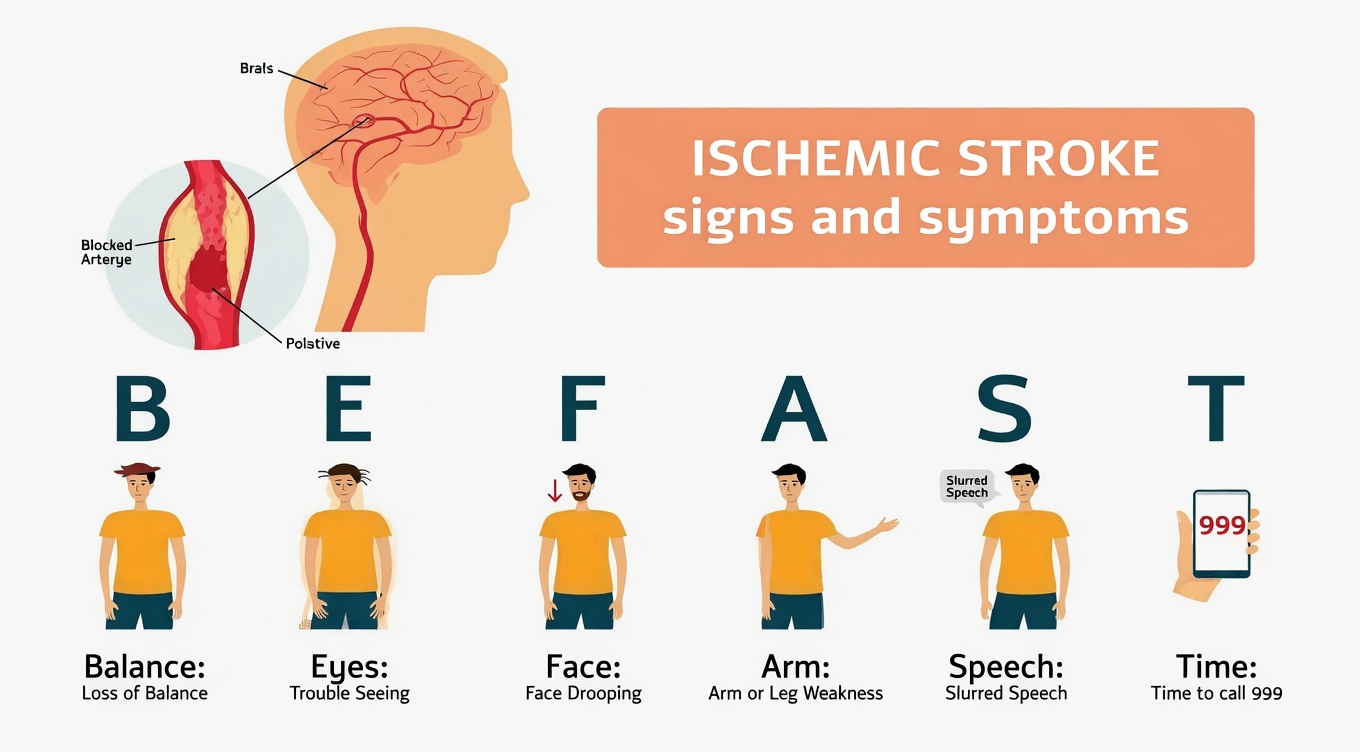
BE FAST: A More Complete Stroke Symptom Checklist
While FAST is highly effective, many experts now recommend the expanded BE FAST approach. It includes additional warning signs that may appear before or along with speech problems.
If someone develops sudden confusion or difficulty speaking, BE FAST can help you look for the full picture.
BE FAST Stroke Checklist
- Balance: Sudden dizziness, instability, or loss of coordination
- Eyes: Blurred vision, double vision, or sudden trouble seeing
- Face: One side of the face droops during a smile
- Arm: One arm feels weak or drifts downward
- Speech: Sudden confusion, slurred speech, or trouble finding words
- Time: Call for emergency help immediately
Using BE FAST makes it easier to identify multiple stroke symptoms at once and respond without hesitation.
What Sudden Confusion or Difficulty Speaking Can Feel Like
For many people, this symptom is frightening because it disrupts something as basic as communication. A person may know what they want to say but cannot form the words. Others may speak in mixed-up sentences, forget familiar names, or seem unable to understand what is being said to them.
This happens because the brain’s communication centers are not getting enough oxygen. In many stroke cases, sudden confusion or difficulty speaking may also occur with weakness, numbness, or drooping on one side of the body.
Do not wait to see whether it improves on its own. Even a short episode can be a serious medical emergency.
Other Stroke Symptoms That May Appear at the Same Time
Speech changes are a major warning sign, but they are often accompanied by other symptoms. Watch closely for:
- Sudden numbness or weakness, especially on one side of the body
- Vision problems in one or both eyes
- Difficulty walking or a sudden loss of balance
- A severe headache with no obvious cause
When sudden confusion or difficulty speaking appears together with any of these signs, the likelihood of a stroke becomes even more urgent.
Why Immediate Action Matters
In a stroke, every minute counts. Brain cells begin to die quickly when blood flow is interrupted, which is why medical experts often say, “time is brain.”
If confusion or speech trouble lasts even a short time, it may still signal a major problem. In some cases, the event may be a transient ischemic attack (TIA), often called a mini-stroke. A TIA can cause the same stroke symptoms, including sudden confusion or difficulty speaking, but the symptoms may disappear within minutes or hours.
That does not mean the danger has passed. A TIA is a major warning sign that a more serious stroke may follow.
Understanding TIA: A Temporary Warning With Serious Risk
A TIA happens when blood flow to the brain is briefly blocked. Even though the blockage is temporary, it can produce the same alarming symptoms as a stroke.
These may include:
- Sudden confusion
- Trouble speaking or understanding speech
- Temporary weakness
- Vision changes
- Loss of balance
A significant number of people who experience a TIA later go on to have a full stroke. That is why every episode of sudden confusion or difficulty speaking should be treated as a medical emergency, even if it seems to improve quickly.
What To Do Right Away if Stroke Symptoms Appear
If you notice sudden confusion or difficulty speaking, or any other possible stroke symptom, take these steps immediately:
- Use BE FAST to check for additional signs
- Call emergency services at once
- Do not drive yourself or the person to the hospital
- Write down the exact time the symptoms started
- Keep the person calm, seated, and safe until help arrives
Having a clear action plan can turn panic into fast, effective response.
Stroke Symptoms You Should Never Ignore
| Stroke Symptom | What It May Look Like | Why It Matters |
|---|---|---|
| Sudden confusion or difficulty speaking | Slurred words, jumbled sentences, trouble understanding | Often points to damage in the brain’s language center |
| Face drooping | One side of the smile appears uneven | Commonly appears with speech-related symptoms |
| Arm weakness | One arm cannot stay raised or drifts downward | May reflect the same brain involvement causing language problems |
| Vision changes | Blurred or double vision, sudden loss of sight | Can occur alongside confusion or speech trouble |
| Balance problems | Sudden dizziness, stumbling, poor coordination | May signal a serious and active stroke event |

The Bottom Line
Sudden confusion or difficulty speaking is not something to brush off when it starts suddenly. It may be one of the clearest and most urgent stroke symptoms.
By learning the warning signs and using tools like FAST and BE FAST, you can respond quickly and improve the chance of faster treatment and better recovery. Sharing this information with family and friends can help everyone stay prepared for a medical emergency that often gives very little warning.
Frequently Asked Questions About Stroke Symptoms
Can sudden confusion or difficulty speaking happen for reasons other than a stroke?
Yes, other medical issues can cause similar symptoms. However, if the change begins suddenly, especially with weakness, facial drooping, vision trouble, or balance problems, treat it as a possible stroke until a medical professional says otherwise.
What if the symptoms go away quickly?
You should still seek emergency care immediately. Temporary symptoms may be caused by a TIA, which can be an early warning of a larger stroke.
How can I lower my stroke risk?
You can reduce your risk by:
- Keeping blood pressure under control
- Eating a balanced diet
- Staying physically active
- Avoiding smoking
- Managing conditions such as diabetes and high cholesterol
- Learning the warning signs of stroke
Knowing how to recognize sudden confusion or difficulty speaking could help save a life.