Waking Up With Numbness on the Left Side of Your Body: What It Could Mean
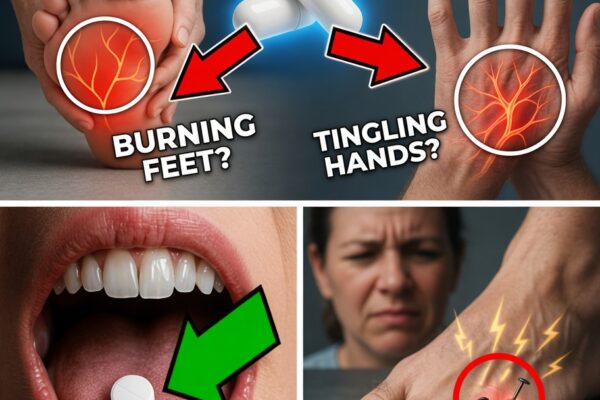
Waking up with an odd tingling or numb sensation along the left side of your body can be unsettling. It may feel different from the usual pins-and-needles that happen after sleeping awkwardly. Instead of fading quickly, the sensation may linger long enough to make everyday movements — like gripping a coffee cup or walking across the room — feel unusual.
That sense of concern is understandable. Your body may be signaling that something is off, even if the reason is not immediately clear. The reassuring part is that both common daily habits and more serious health issues can contribute to one-sided numbness. Understanding these possibilities can help you respond calmly and appropriately.
What One-Sided Numbness Can Feel Like
People often describe left-side numbness as a heavy or “asleep” feeling in the arm, leg, or sometimes the entire side of the body. It may also come with:
- Tingling
- Weakness
- Prickling sensations
- Reduced sensitivity
- A feeling that the limb is harder to control
According to major medical sources such as the Mayo Clinic, numbness often happens when nerve signals are disrupted before they reach the brain properly. When those signals are altered on just one side, your body notices quickly. Still, not every case has the same cause, which is why symptoms should be viewed in context.

Everyday Habits That May Cause Left-Side Numbness
Some of the most common causes are also the easiest to correct. Sitting for long periods, poor posture, or consistently sleeping in the same position can put pressure on nerves and reduce circulation. If you have ever finished a long movie or work session with a heavy, tingling arm, you have already experienced how this works.
Research highlighted by healthcare providers such as the Cleveland Clinic points out that limited movement on one side of the body can trigger these exact symptoms.
Simple Daily Habits That Support Nerve and Circulation Health
- Get up and move every 30 minutes if you sit for long stretches
- Change your sleeping position during the night when possible
- Gently stretch your neck, shoulders, and hips before bed
- Drink enough water, since dehydration can make tingling feel worse
- Include light activity such as walking or yoga in your day
If the numbness improves once you move, posture or temporary nerve compression may be the reason. But if it keeps happening, it may be worth looking deeper.
Temporary Blood Flow Changes Can Also Matter
A short-lived decrease in blood flow can sometimes affect one side of the body. Medical professionals refer to some of these events as transient episodes, and they may happen during sleep. In some cases, a person wakes up with numbness on the left side that gradually improves.
The important detail is timing. If the sensation lasts only briefly and disappears, that still matters. If it is accompanied by additional symptoms or returns repeatedly, it deserves closer attention.
When the Brain May Be Involved
Changes affecting the brain can sometimes alter sensation on just one side of the body. Pressure or other gradual internal changes may interfere with how nerves communicate, leading to symptoms that develop over time rather than all at once.
This is why noticing patterns matters. If numbness becomes more frequent, more intense, or begins happening with other unusual symptoms, it should not be ignored.

Migraines and Seizures: An Overlooked Connection
Some people experience numbness on one side after a severe headache or following a sudden neurological episode. Certain migraines, especially those involving aura, can trigger temporary one-sided tingling or numbness. Seizure activity may also cause similar sensations before or after an episode.
Research suggests these effects often appear within about an hour and may resolve on their own. Even so, they are still meaningful signals from the body. Many people do not realize that numbness can be linked to migraines or seizures until after it happens.
Blood Sugar Levels and Nerve Function
Blood sugar balance can also affect how nerves work. Repeated highs and lows over time may irritate nerves and lead to tingling or numbness. In some cases, the sensation may first be noticed more strongly on one side.
Organizations such as the American Diabetes Association emphasize the value of steady routines around food, movement, and blood sugar management.
Helpful Habits for Blood Sugar and Nerve Comfort
- Choose more whole foods instead of heavily processed meals
- Avoid long gaps between meals if advised by your doctor
- Add a short walk after dinner
- Stay active throughout the week
- Follow any treatment plan recommended for blood sugar control
These changes can improve how you feel not just occasionally, but day to day.
Conditions That Affect the Nerves’ Protective Covering
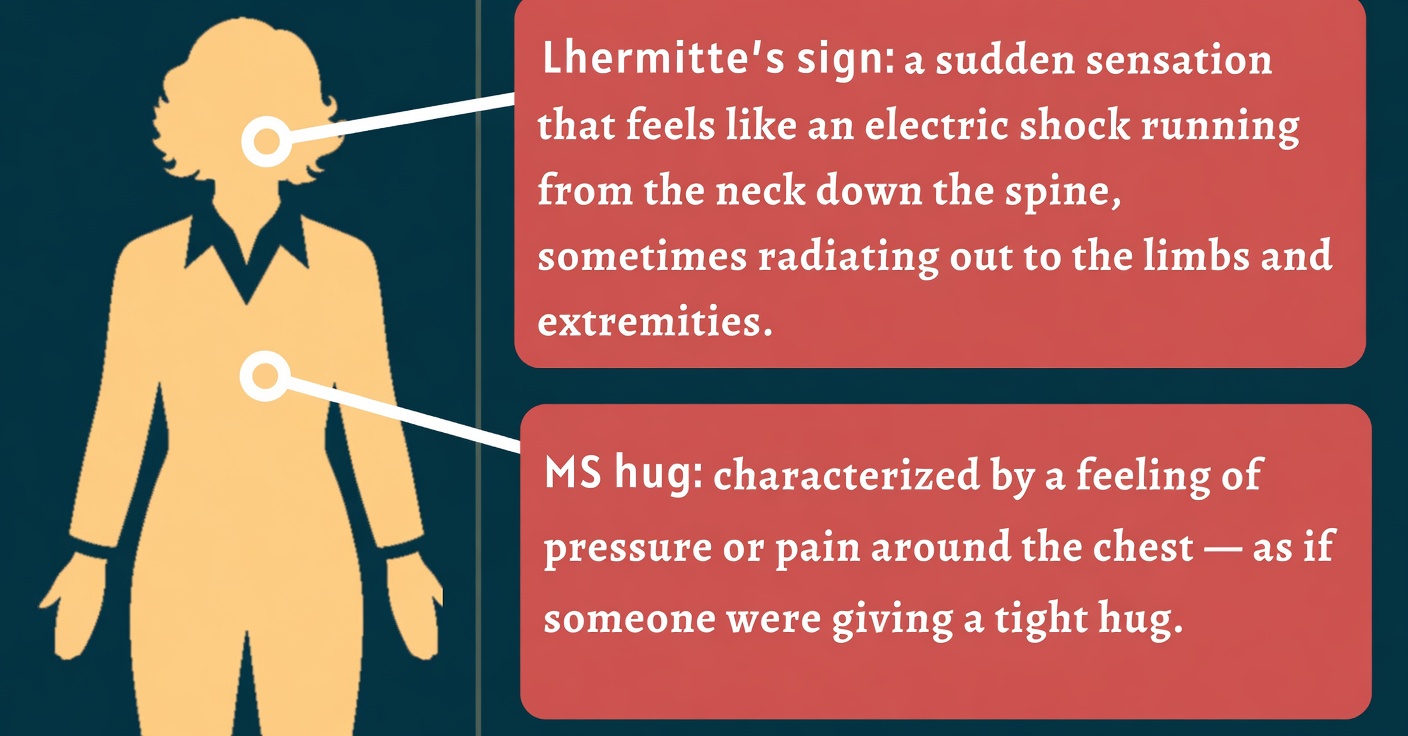
Some health conditions can affect the protective layer around nerves. When that insulation is damaged or inflamed, messages between the brain and body may become disrupted. This can lead to numbness that appears, disappears, or changes over time.
Neurology research shows that these conditions do not look the same in every person. For that reason, early attention to recurring symptoms can make medical conversations more productive and lead to faster evaluation.
Warning Signs You Should Take Seriously
Left-side numbness should never be dismissed if it appears together with other sudden symptoms. Groups such as the American Heart Association advise immediate attention if you notice any of the following:
- Weakness in the face, arm, or leg on one side
- Sudden dizziness
- Trouble with balance or coordination
- Difficulty speaking or finding words
- A severe headache that feels unusual
- Blurred vision or double vision
- Intense fatigue
- Confusion
If these symptoms start suddenly, seek medical care right away.
Practical Steps You Can Try Today
You can start supporting healthy circulation and nerve function with a simple routine. Experts often recommend light movement and stretching to reduce stiffness and encourage better blood flow.
5-Minute Routine for Nerve and Circulation Support
- Sit upright and roll your shoulders backward 10 times
- Tilt your head gently from side to side, holding each stretch for 15 seconds
- Stand up and march in place while swinging your arms
- Shake out your hands and feet for 30 seconds
- Take five slow, deep breaths and focus on relaxing the left side of your body
Try doing this twice daily and pay attention to whether your body feels looser and more comfortable. Still, self-care works best when combined with proper medical advice if symptoms persist.
Final Thoughts
Sudden numbness on the left side of the body can be alarming, but understanding the possible causes can make the situation less overwhelming. Sometimes the issue is as simple as posture, inactivity, or sleeping position. In other cases, it may relate to circulation, migraines, blood sugar changes, or neurological conditions.
The key takeaway is simple: listen to your body. Small daily adjustments may help, but recurring or sudden symptoms deserve professional evaluation. For many people, a few lifestyle improvements along with a timely medical check-up can provide both answers and peace of mind.
Frequently Asked Questions
How long should I wait before seeing a doctor for left-side numbness?
If the numbness lasts more than a few minutes, appears suddenly, or keeps returning, it is best to seek medical advice the same day. Sudden symptoms should be evaluated promptly.
Can stress or anxiety cause numbness on only one side?
Yes, stress and anxiety can intensify physical sensations, including tingling and numbness. However, numbness that affects only one side should still be assessed by a healthcare professional to rule out more serious causes.
Can exercise help reduce future episodes?
In many cases, yes. Regular movement supports circulation and healthy nerve function. Even walking for 20 to 30 minutes most days can make a noticeable difference.
Important Disclaimer
This article is for informational purposes only and does not replace medical advice, diagnosis, or treatment. Always speak with a qualified healthcare professional if you are concerned about numbness or any other symptom. Only your doctor can properly assess your personal health situation and recommend the right next steps.