A Simple Pantry Food That Can Help Support Muscle Strength After 65
As people move into their mid-60s and beyond, it is common to notice that muscles do not feel as strong or toned as they once did. Everyday activities such as lifting grocery bags, standing up from a chair, or climbing stairs may begin to require more effort. Over time, these changes can affect both confidence and independence.
The encouraging news is that small food choices can meaningfully support muscle health. In fact, one affordable and highly versatile staple already found in many kitchens may help more than most people realize. Even better, adding it to your meals can be easier than expected.
Why Muscle Loss Becomes More Noticeable After 65
A gradual decline in muscle mass is a normal part of aging. This process can influence strength, stability, and overall physical function from day to day. Studies suggest that after age 65, the body becomes less efficient at building and preserving muscle tissue, especially when protein intake is too low or physical activity decreases.
This change usually happens slowly rather than all at once, but its effects can build over time. Balance may feel less steady, energy levels may dip, and even the way clothing fits can shift. The positive takeaway is that consistent habits, especially better protein choices, can help the body maintain muscle more effectively.
Why Protein Is Especially Important for Older Adults
Protein plays a central role in repairing and preserving muscle. For adults over 65, many experts recommend around 1 to 1.2 grams of protein per kilogram of body weight per day. For many people, that equals about 70 to 80 grams daily or more.
Still, total protein is only part of the picture. The type of protein and how it is distributed throughout the day also matter. Eating protein at several meals gives the body a regular supply of amino acids, which are essential for muscle maintenance.
That is where one food stands out. It offers complete protein, is easy to digest, and can fit naturally into breakfast, lunch, or dinner.
The Food Worth Adding to Your Plate More Often
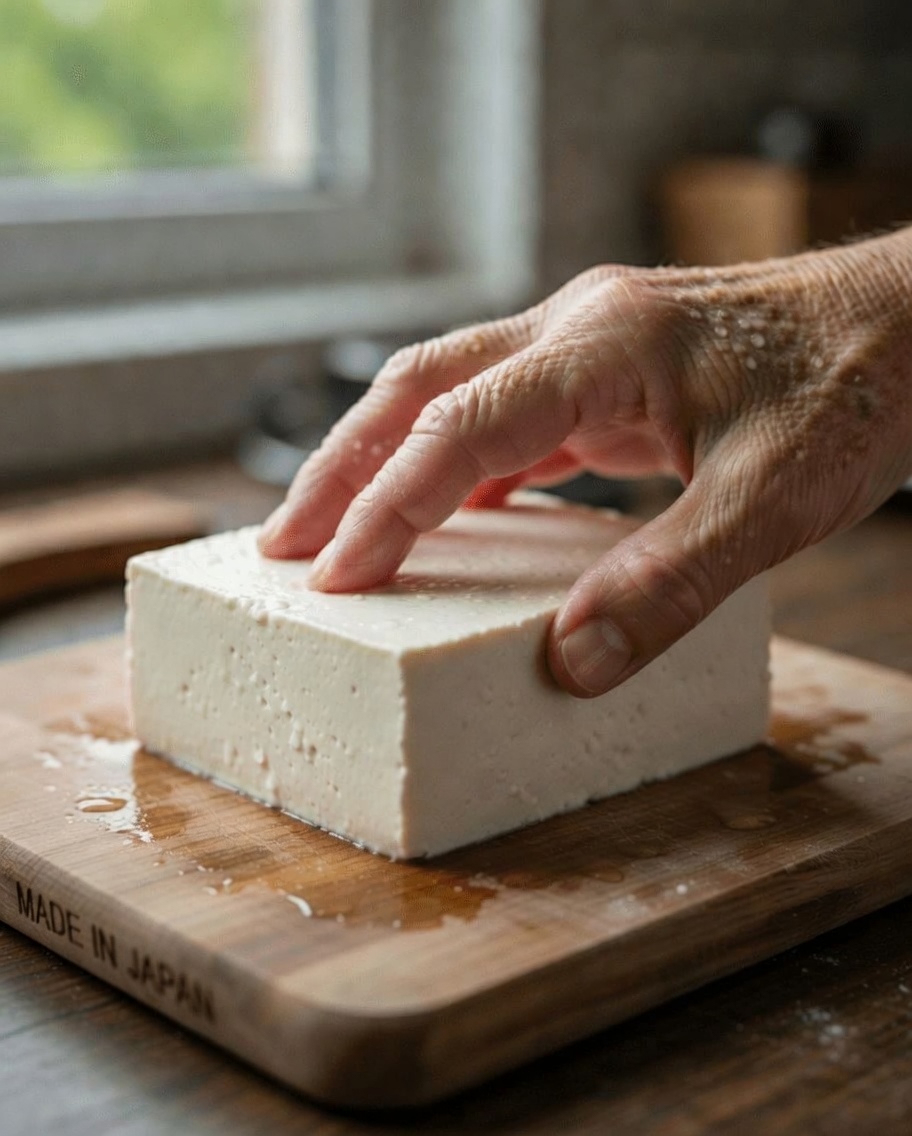
That food is tofu.
Often associated with stir-fries and salads, tofu is made from soybeans and has gained attention for its benefits in older adults. A 2024 randomized clinical trial found that meal plans rich in soy protein helped older adults in long-term care increase lean muscle mass and improve walking ability over a 12-week period. Another study from 2026 connected soy protein intake with beneficial changes in the gut microbiome, supporting the growing understanding of the gut-muscle connection.
These findings are consistent with earlier research showing that soy protein can support muscle mass and physical performance as effectively as other high-quality protein sources.
What Makes Tofu So Effective?
Tofu offers several advantages for seniors:
- Complete protein: It contains all nine essential amino acids the body cannot produce on its own.
- Good protein content: A half-cup serving typically provides about 10 to 17 grams of protein, depending on the variety.
- Helpful nutrients: Tofu also supplies calcium, magnesium, and isoflavones, plant compounds that may support bone and muscle health.
- Budget-friendly: It is often less expensive than many animal-based proteins.
- Low in saturated fat: This makes it a heart-conscious option for many people.
- Easy to prepare and chew: It works well for those who want simple meals or have difficulty with tougher foods.
Practical Ways Tofu Can Support Muscle Health
Unlike heavier protein foods that may feel difficult to digest, tofu is light, flexible, and easy to include in many dishes. It can be:
- Blended into smoothies
- Crumbled into breakfast scrambles
- Added to soups
- Baked until crisp for snacks
- Mixed into salads or grain bowls
For the best results, pair protein intake with regular movement. Light resistance training, body-weight exercises, or resistance bands help signal muscles to stay active and strong. Research continues to show that combining enough protein with strength-focused exercise is one of the most effective ways to support mobility and independence later in life.
Easy Ways to Start Using Tofu Today
If you want to make tofu a regular part of your routine, begin with simple steps:
-
Target 20 to 30 grams of protein per meal.
Adding half a cup of firm tofu to lunch or dinner can help you reach that goal more easily. -
Pick the right texture for the dish.
- Silken tofu works well in soups, smoothies, and puddings.
- Firm or extra-firm tofu is better for stir-fries, baking, grilling, or pan-cooking.
-
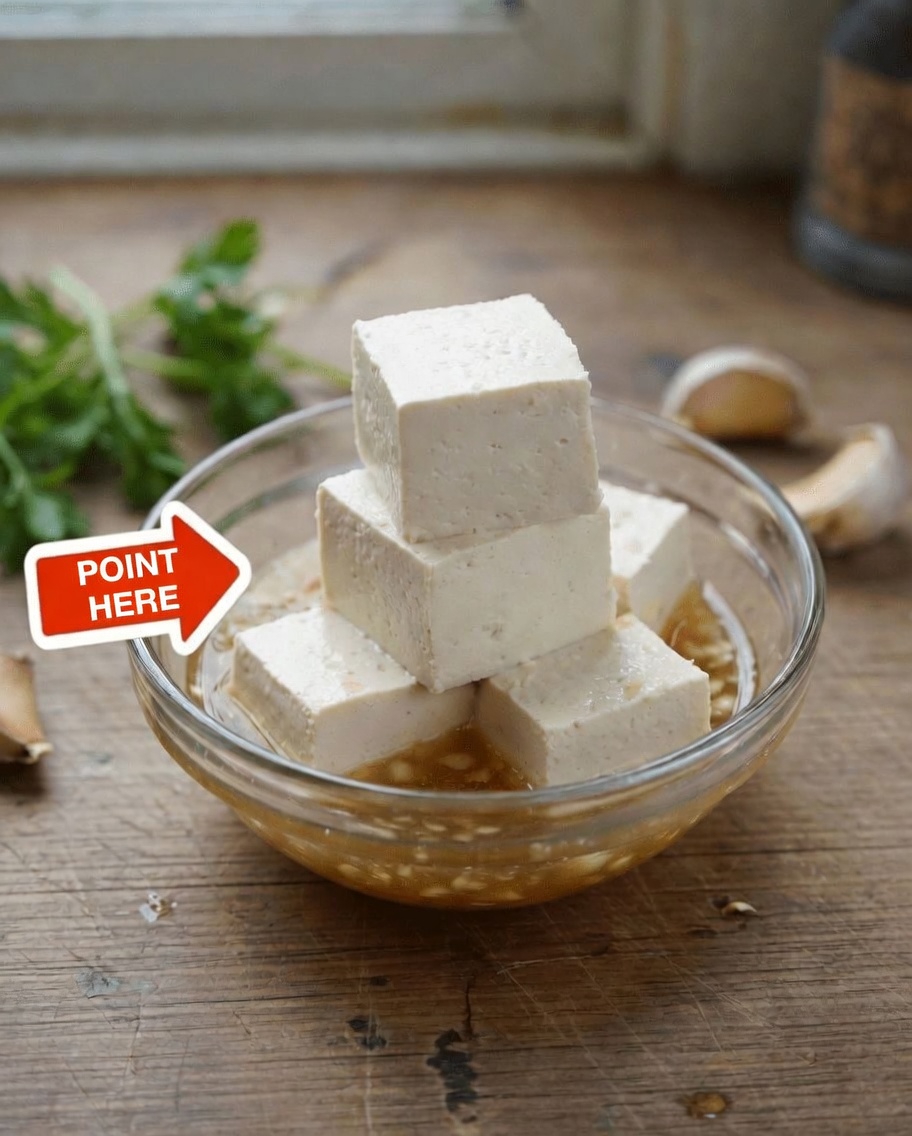
Use a quick marinade for better flavor.
Try soy sauce, garlic, and a small amount of sesame oil. Let cubed tofu sit for about 10 minutes before cooking. -
Add it to familiar meals.
Mix it into scrambled eggs, blend it into tuna salad, or layer it into lasagna in place of some meat.
Quick Comparison: How Tofu Stacks Up
| Food Option | Protein per 1/2 Cup | Prep Time | Cost per Serving | Senior-Friendly Notes |
|---|---|---|---|---|
| Tofu (firm) | 10-17g | 5-10 min | Low | Soft when cooked and easy to chew |
| Chicken breast | 25g | 15-20 min | Medium | Requires more cooking and can be tougher |
| Greek yogurt | 10-12g | None | Medium | Convenient dairy-based snack |
| Eggs (2 large) | 12g | 5 min | Low | Fast and simple, but variety helps |
Creative Tofu Ideas for the Week
Keeping meals interesting makes healthy eating easier. Here are a few simple ways to enjoy tofu regularly:
- Breakfast: Make a savory tofu scramble with spinach and turmeric.
- Lunch: Add cubed firm tofu to a vegetable salad with a light dressing for a no-cook meal.
- Dinner: Bake marinated tofu slices with roasted vegetables on one sheet pan.
- Snack or dessert: Blend tofu with banana and cocoa powder for a smooth chocolate pudding.
These ideas can help turn tofu into something you genuinely enjoy rather than just another healthy suggestion.
Habits That Make Tofu Even More Effective
Nutrition matters, but it works best when combined with other healthy routines. To better support muscle strength:
- Try gentle strength training two or three times per week
- Use resistance bands, light weights, or water-based exercise if joints are sensitive
- Stay well hydrated throughout the day
- Prioritize good sleep so the body can recover and rebuild
Small lifestyle changes often create noticeable results faster than expected, especially when practiced consistently.
New to Tofu? Here’s What to Expect
If you have never tried tofu before, there is no need to feel hesitant. On its own, tofu has a very mild taste, which means it easily takes on the flavor of seasonings, sauces, and ingredients around it.
A simple way to begin is to add a small amount to a dish you already like. Many people find that once they experiment with it a few times, tofu becomes a practical and reliable staple.
Common Questions About Tofu and Muscle Health After 65
1. Is tofu safe for all adults over 65?
Most older adults can eat tofu regularly without any problem. However, anyone with a soy allergy or certain thyroid-related concerns should speak with a healthcare professional first. For most people, though, tofu is a nutritious and safe option.
2. How much tofu should I eat each day for muscle support?
A practical goal is one to two servings per day, or about 1/2 to 1 cup total. It is also helpful to combine tofu with other protein sources so you can meet your daily needs without feeling like you have to rely on one food alone.
3. Can tofu fit into my diet if I still prefer animal protein?
Yes. Tofu does not need to replace chicken, fish, eggs, or dairy completely. It works very well alongside animal proteins and can add variety, convenience, and extra plant-based nutrients to your meals.
Final Thoughts: Small Food Changes Can Protect Strength and Independence
Maintaining muscle health after 65 does not require expensive supplements or a complicated eating plan. Adding tofu to your routine is a simple, affordable, and research-supported way to give your body high-quality protein and useful nutrients.
Start with just one tofu-based meal this week and build from there. Small choices made consistently can help you stay stronger, more active, and more independent over time.
Disclaimer
This article is for informational purposes only and is not intended to diagnose, treat, or cure any medical condition. Always consult your healthcare provider before making major changes to your diet or exercise habits, especially if you have existing health concerns.