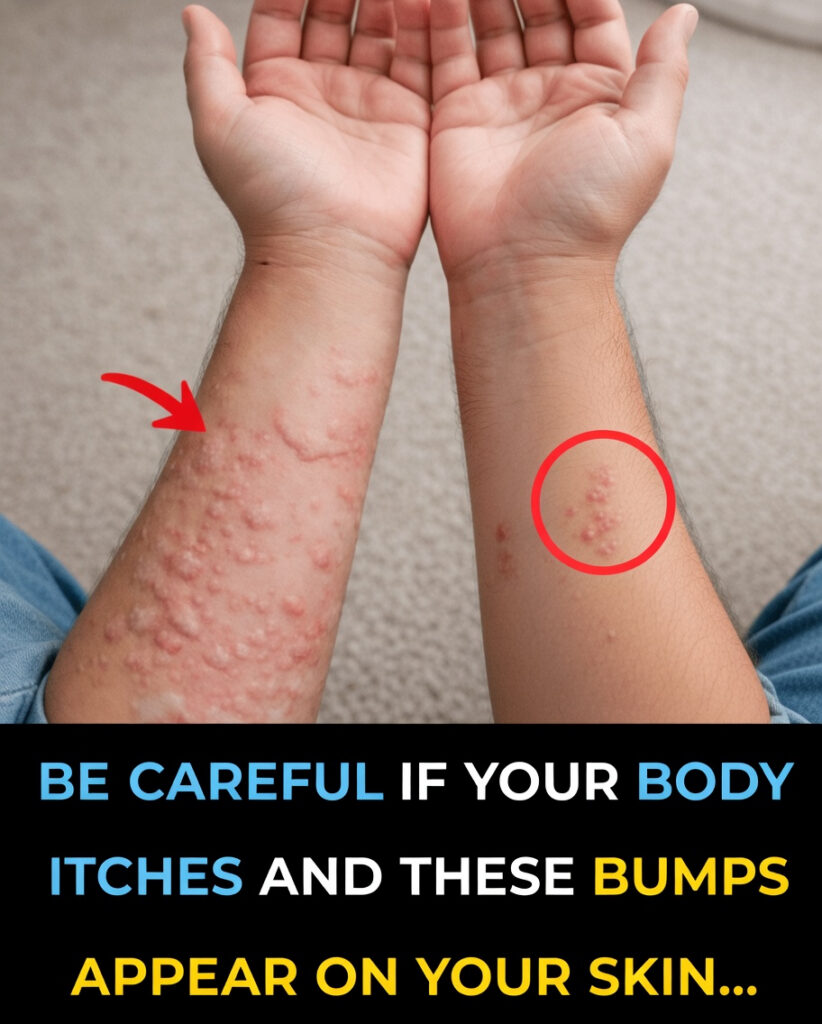
Why Red, Itchy Bumps Suddenly Appear on Your Skin
Picture waking up and noticing your arms and legs covered with red, swollen bumps that itch so badly you can barely think about anything else. The irritation follows you all day, turns basic activities into a struggle, and makes it hard to relax or sleep. What seems like a small skin issue at first can quickly affect your comfort, confidence, and routine, leaving you asking what triggered it so suddenly.
The surprising part is that many of the most common causes are easy to miss. Some are obvious, but others are hidden in everyday habits, environments, and even emotional stress. One of the biggest reasons people stay confused is that the trigger is often something they never thought to suspect.
Your skin may be sending important signals through these itchy welts. Learning what those signals might mean can help you feel more in control. This kind of reaction is common, and understanding the possible causes is often the first step toward identifying your own pattern.
What These Itchy Welts Usually Mean
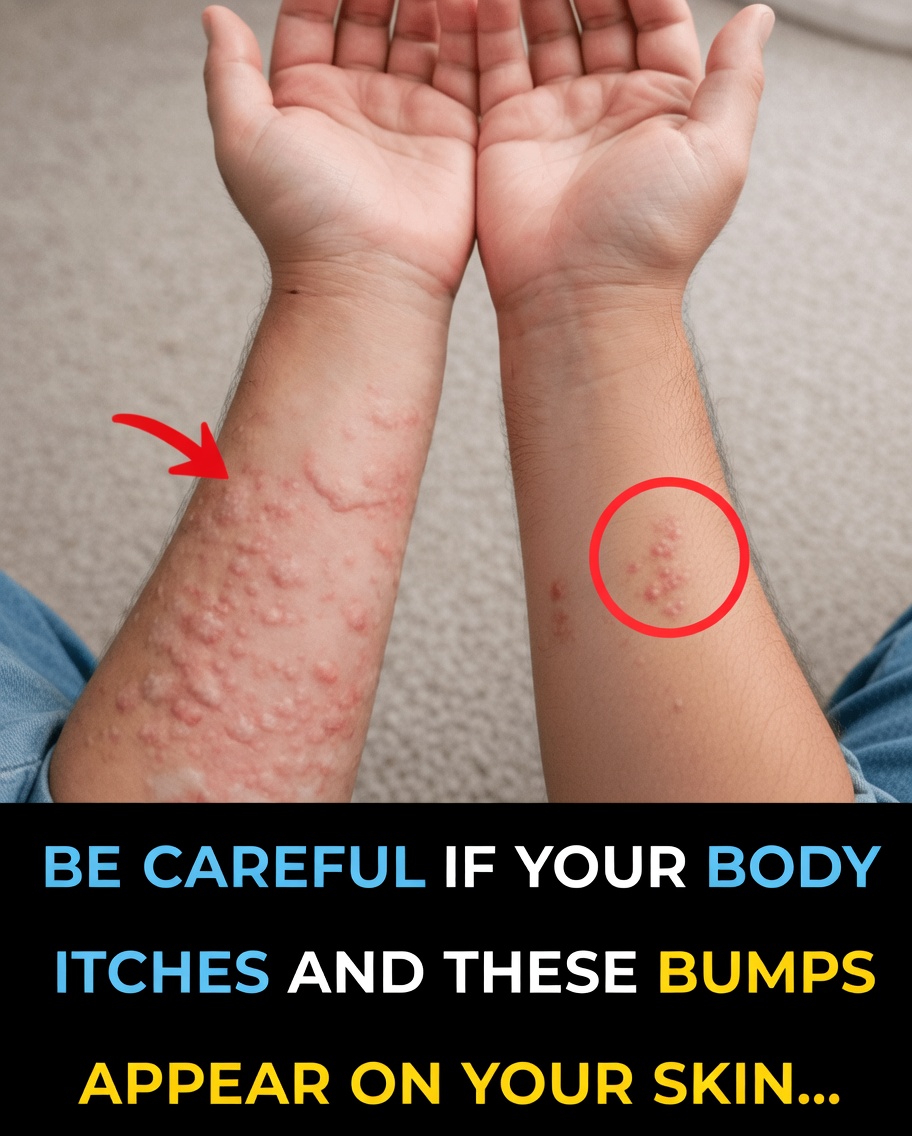
These raised, itchy patches are commonly known as hives. They develop when the body releases histamine, a natural chemical that causes tiny blood vessels in the skin to leak fluid. That leakage creates the swollen, red bumps you can see and feel.
Hives may appear anywhere on the body. They can change shape, move around, disappear within a few hours, and then reappear later in a different spot.
One reason they can be frustrating is that they do not always come from a single, easy-to-identify source. Information from the Cleveland Clinic explains that hives may be acute, lasting less than six weeks, or chronic, continuing longer. Instead of assuming there is one clear explanation, it often helps more to look for recurring patterns.
Common Triggers Many People Already Know About
For many individuals, allergic reactions are the first possibility that comes to mind. Certain foods are especially well known for triggering hives in sensitive people. These may include peanuts, tree nuts, shellfish, eggs, and milk. In some cases, symptoms appear within minutes, while in others they show up after a few hours.
Medicines are another frequent cause. Allergy specialists have linked reactions like these to antibiotics such as penicillin, pain relievers including aspirin and ibuprofen, and some blood pressure medications. Bites and stings from insects may also lead to itchy welts, as can exposure to latex or pet dander.
Frequently Reported Triggers
- Foods: peanuts, shellfish, eggs, tree nuts, certain berries
- Medications: penicillin, sulfa drugs, aspirin, ibuprofen
- Environmental or contact triggers: pollen, pet dander, latex gloves
The American College of Allergy, Asthma & Immunology notes that these triggers often lead to fast-onset reactions. Paying attention to what you ate, touched, or took shortly before the bumps appeared can reveal useful clues.
Less Obvious Causes That Are Often Missed
This is where things become more interesting. Not every case is caused by a classic allergy. Physical factors can produce the same type of itchy welts even when no food or medication is involved.
Heat from a hot shower, cold air, direct sunlight, or pressure from tight clothing can all trigger hives in some people. Even something as ordinary as a backpack strap or snug watch band may be enough to irritate the skin and start the reaction.
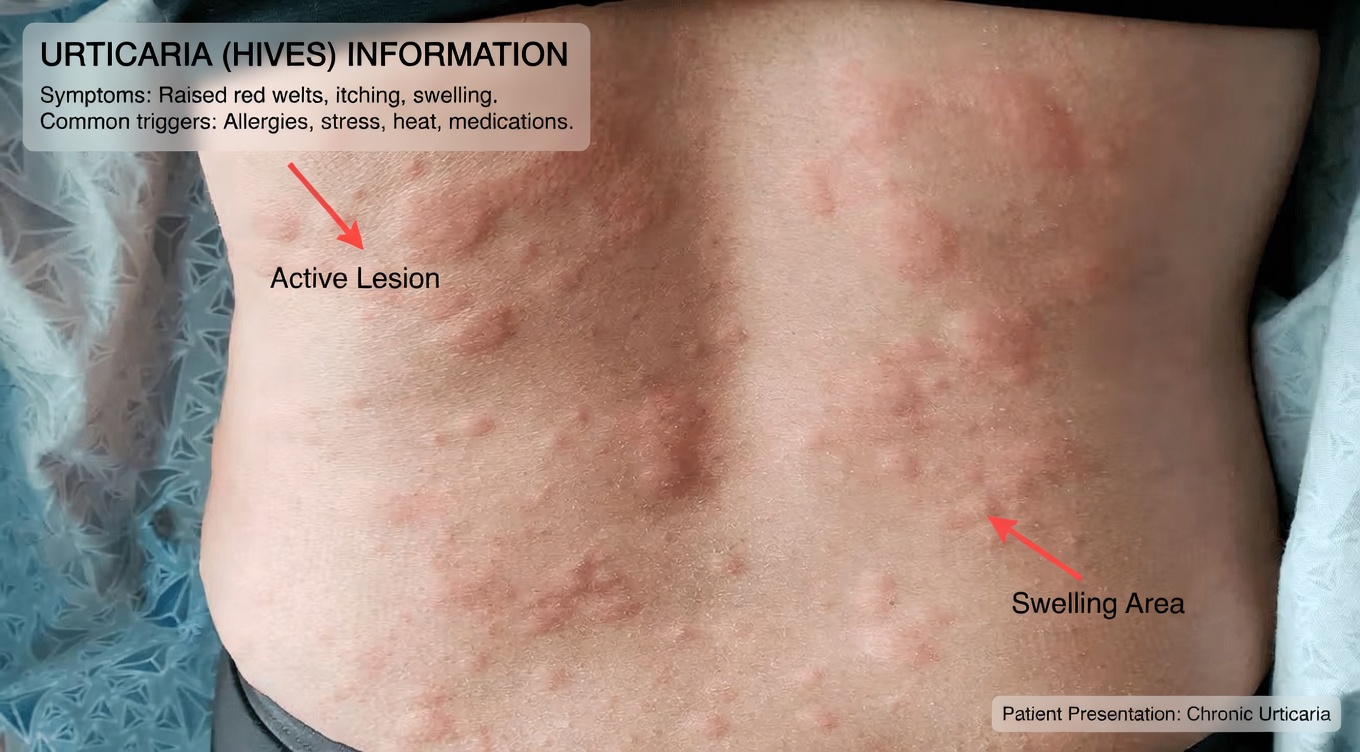
Other overlooked triggers include:
- Exercise that raises body temperature
- Vibration from running or using certain tools
- Emotional stress
- Infections such as a cold, strep throat, or a urinary tract infection
According to Mayo Clinic resources, infections can sometimes be the hidden reason behind repeated outbreaks. In some situations, deeper health issues such as thyroid-related changes may also play a role, although those possibilities are best discussed with a healthcare professional.
It is also important to know that many long-lasting cases never reveal one definite cause. Experts often refer to these as idiopathic hives, meaning there is no single clearly identified trigger.
Consider a simple real-life example. One person notices bumps only where a tight watch presses against the wrist. Another breaks out after a tense day at work despite eating the same meals as usual. Because these triggers feel so normal, they are easy to overlook.
Can Stress and Daily Habits Trigger Skin Reactions?
Yes, and this is one of the most underestimated reasons. Stress can influence the body in powerful ways, including the release of histamine. That means emotional strain may show up physically on the skin.
Daily habits can matter more than people realize. Tight clothing, harsh soaps, sudden weather changes, hot temperatures, cold exposure, and even spicy foods that increase body heat may all contribute. The Mayo Clinic includes heat, cold, sunlight, pressure, and vibration among the physical triggers that many people fail to connect with hives.
For many readers, this is the most eye-opening part: your routine may contain the answer. The good news is that these patterns are often easier to spot than expected once you begin paying closer attention.
Simple Ways to Identify Your Personal Triggers
You do not need complicated tools to start figuring things out. A basic daily record can make a big difference. The goal is to look for repetition, not perfection.
Steps You Can Start Today
- Write down the exact time the bumps appear
- Record what you did in the previous two hours
- List everything you ate that day
- Note any medications or supplements you took
- Track weather changes, exercise, or heat exposure
- Rate your stress level from 1 to 10
- Mention tight clothing, straps, or pressure points
- Take daily photos to compare the location and severity
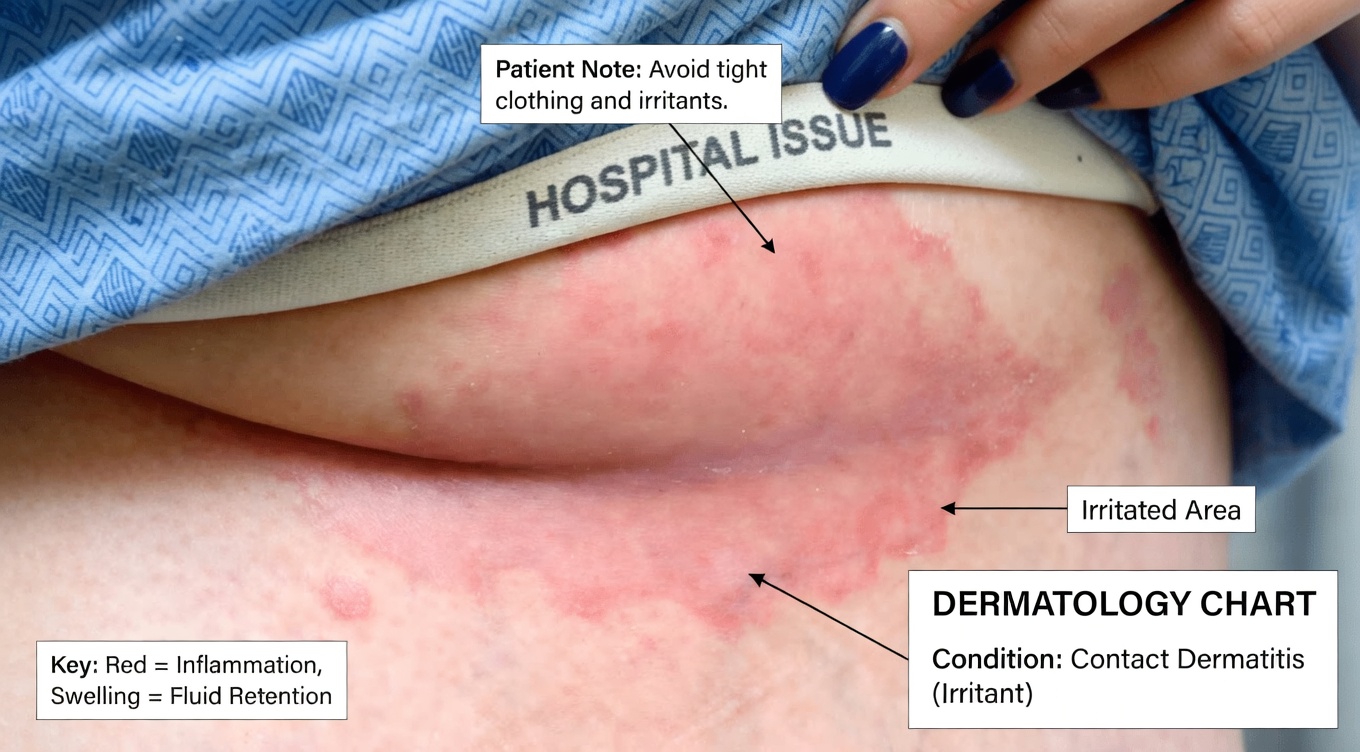
Experts from the ACAAI often recommend keeping a food and activity diary because it turns vague guesses into useful information. Many people are surprised to discover that a recurring flare is tied to a hot bath, a stressful meeting, or a tight waistband rather than a major allergy.
It may also help to wear loose, breathable clothing and avoid extreme temperature changes when possible. Small adjustments like these can support comfort while you continue observing patterns.
When Reactions Deserve Closer Attention
If the bumps return again and again or continue for several weeks, your notes may become even more valuable. Repeated reactions are sometimes linked to physical triggers you encounter regularly, such as pressure, heat, or cold.
Listening to your body is important. If the itching disrupts sleep, affects everyday comfort, or keeps coming back without a clear explanation, reviewing your observations with a healthcare professional can be a helpful next step. Many people gain the clearest answers when they combine personal tracking with expert guidance.
Final Thoughts: Understanding Your Skin Gives You an Advantage
Red, itchy bumps do not have to stay a mystery. When you understand both the obvious and surprising causes of hives, you are in a better position to recognize what may be happening in your own life. Foods, medications, infections, pressure, heat, and stress can all contribute.
The most important approach is not rushing to conclusions, but paying attention with patience. One especially overlooked combination is everyday stress paired with tight clothing or temperature shifts. It may sound simple, but for many people that combination is exactly what finally explains the pattern.
Stay observant. Even small insights about your daily routine can make a meaningful difference in how your skin feels and how confidently you manage these reactions.
Frequently Asked Questions
How long do itchy bumps like hives usually last?
A single welt often disappears within 24 hours, but new ones may continue appearing for days or weeks depending on the cause. In some people, the pattern can last for months, which is why tracking symptoms is so useful.
Can food or normal daily activities really cause repeated skin flare-ups?
Yes. Many people identify strong patterns once they begin recording symptoms. Foods such as nuts or shellfish are common triggers, and physical factors like heat, pressure, or exercise can also lead to recurring outbreaks.
What if the bumps keep coming back even after avoiding obvious triggers?
That can happen. Some recurring cases do not have one clear cause, and others are linked to less obvious factors like stress, infection, temperature changes, or pressure on the skin. If symptoms continue, keeping a symptom log and discussing it with a healthcare professional can help narrow down the cause.