
Taro for Better Digestion, Steady Energy, and Everyday Wellness
If you often feel bloated after eating or hit a frustrating afternoon energy slump, you are not alone. Many modern eating habits rely heavily on refined carbohydrates, which can leave digestion feeling off and energy levels unstable. Over time, this combination can affect mood, concentration, and overall well-being.
The good news is that simple, whole-food choices can make a difference. Taro, a modest root vegetable used in traditional cuisines for generations, may offer gentle support for digestive comfort, more consistent energy, and better daily wellness. With a few easy additions to your meals, taro can become a practical part of a healthier routine.

Why Taro May Help Busy Adults Feel Better
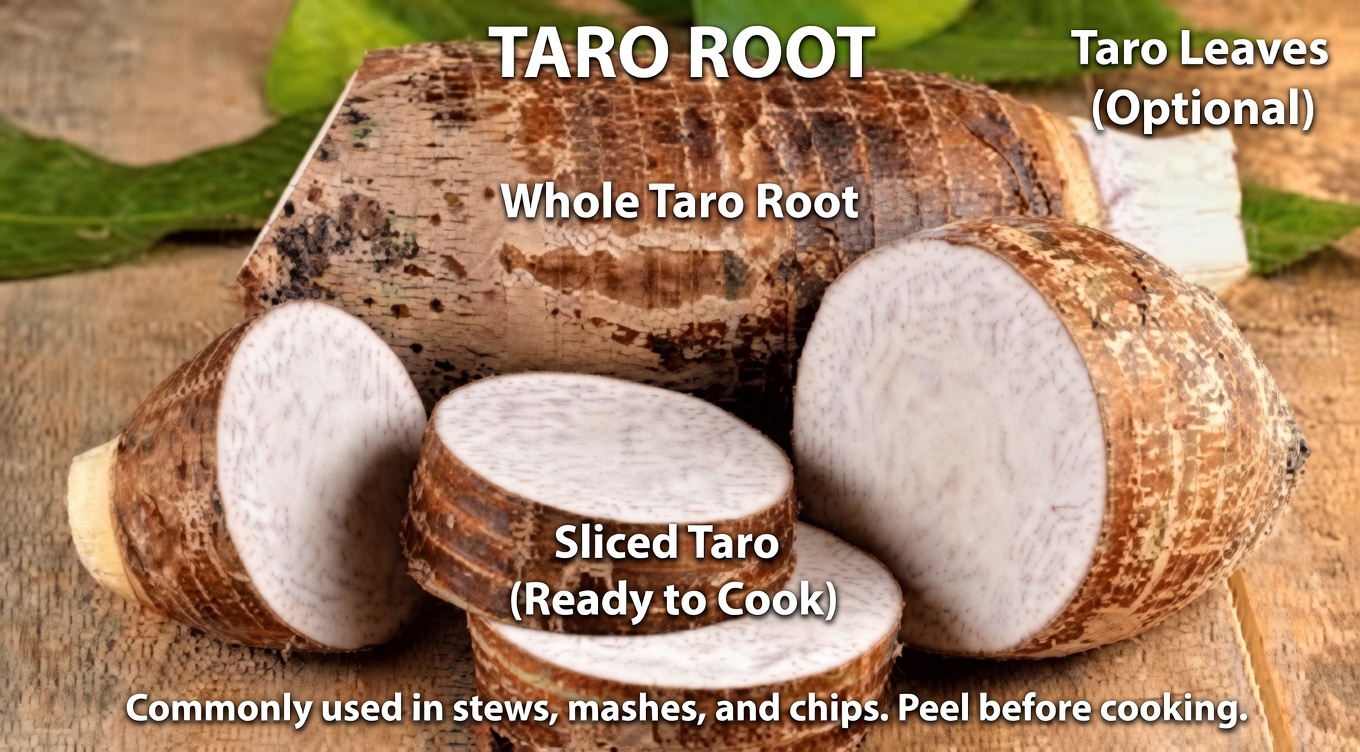
When cooked, taro has a soft, creamy texture and provides a nourishing source of starch. What makes it especially interesting is its combination of fiber and resistant starch, which may help slow digestion and support a calmer gut. This can be helpful for people who regularly experience heaviness or discomfort after meals.
Unlike refined carbs that may lead to quick spikes and crashes, taro may provide longer-lasting fuel. Many adults find that replacing processed sides with taro helps them feel less sluggish and more balanced throughout the day. Research on resistant starch also suggests that taro may help nourish beneficial gut bacteria, which can contribute to smoother digestion and more reliable energy.
How Taro May Support Steadier Energy
Taro contains complex carbohydrates that are digested more gradually, helping the body release glucose at a slower pace. This may reduce the sharp highs and lows in energy that often show up by mid-afternoon.
Its potassium content may also support nerve and muscle function, which can help daily activities feel less draining. People who swap refined starches for taro often say they feel more stable after meals and less dependent on extra coffee or frequent snacking to get through the day.
Because taro may help support balanced blood sugar responses, it can be a smart option for those who want energy that feels more even rather than short-lived.

Taro and Digestive Comfort: A Gentle Way to Reduce Bloating
For people dealing with bloating or irregular digestion, taro may be a useful addition to the menu. Its soluble fiber and resistant starch can act like prebiotics, feeding helpful gut bacteria and supporting a healthier digestive environment.
Taro moves through the digestive system more gradually, which may help reduce the uncomfortable, heavy feeling some people notice after meals. Busy professionals and older adults who include taro in soups, mashes, or simple home-cooked dishes often report feeling lighter and more comfortable afterward.
Studies also suggest that the fiber found in taro may support colon health, helping digestion stay more regular over time. As part of a balanced diet, taro may gently ease bloating and make digestion feel more predictable.
Heart Health and Whole-Body Support
Taro may do more than help with digestion and energy. It also contains important minerals such as potassium and magnesium, which play roles in fluid balance, muscle function, and blood pressure support.
Because taro is naturally low in sodium, it can fit well into meals designed to support cardiovascular health. It also provides antioxidants, including vitamins C and E, which may help protect cells from everyday oxidative stress.
Many people who eat taro regularly say they simply feel more balanced overall. With its mix of minerals, fiber, and antioxidants, taro can be a quiet but valuable addition to a wellness-focused lifestyle.
Quick Comparison: What Makes Taro Stand Out
| Aspect | How Taro May Help | Common Issue It May Address | Easy Way to Eat It |
|---|---|---|---|
| Energy release | Slow-digesting complex carbs | Afternoon fatigue and energy crashes | Boiled or mashed as a side |
| Digestion | Fiber and resistant starch | Bloating and irregularity | Added to soups or salads |
| Mineral support | Potassium and magnesium | Low energy and fluid imbalance | Roasted with herbs |
| Antioxidants | Vitamins C and E | Oxidative stress and sluggishness | Steamed and pureed |
This simple overview shows why taro can support several everyday concerns at the same time.
A Gentle 30-Day Taro Plan
Adding taro to your diet does not need to feel complicated. A simple step-by-step approach can make it easier to stay consistent and notice how your body responds. Many people begin to feel improvements in digestion and energy within the first couple of weeks.
- Week 1: Add boiled taro to one lunch or dinner as a mashed side dish to introduce it gently.
- Week 2: Enjoy roasted taro in two meals, seasoned with herbs, to support more stable daily energy.
- Week 3: Add taro to soups or salads more often and pay attention to how bloating feels after eating.
- Week 4: Use taro in a wider variety of meals each day and observe changes in comfort, energy, and overall balance.
This kind of routine keeps taro easy, realistic, and sustainable without making your meal planning feel overwhelming.
The Bottom Line
Taro may be an underrated root vegetable, but it offers several potential benefits when included regularly in everyday meals. Its fiber, resistant starch, minerals, and antioxidants may support smoother digestion, more stable energy, and broader wellness.
Many adults who add taro to their routine say they feel less frustrated by bloating, fatigue, and post-meal sluggishness. Starting small with one simple taro recipe this week could be the first step toward feeling more comfortable and energized day to day.
Frequently Asked Questions About Taro
How quickly might taro improve digestion?
Some people notice less bloating within one to three weeks of eating taro regularly. Results vary, but consistency seems to matter.
Can taro help reduce daytime energy crashes?
Taro may support steadier energy because it contains complex carbohydrates and resistant starch, which are digested more slowly than refined carbs.
Is taro safe for most people?
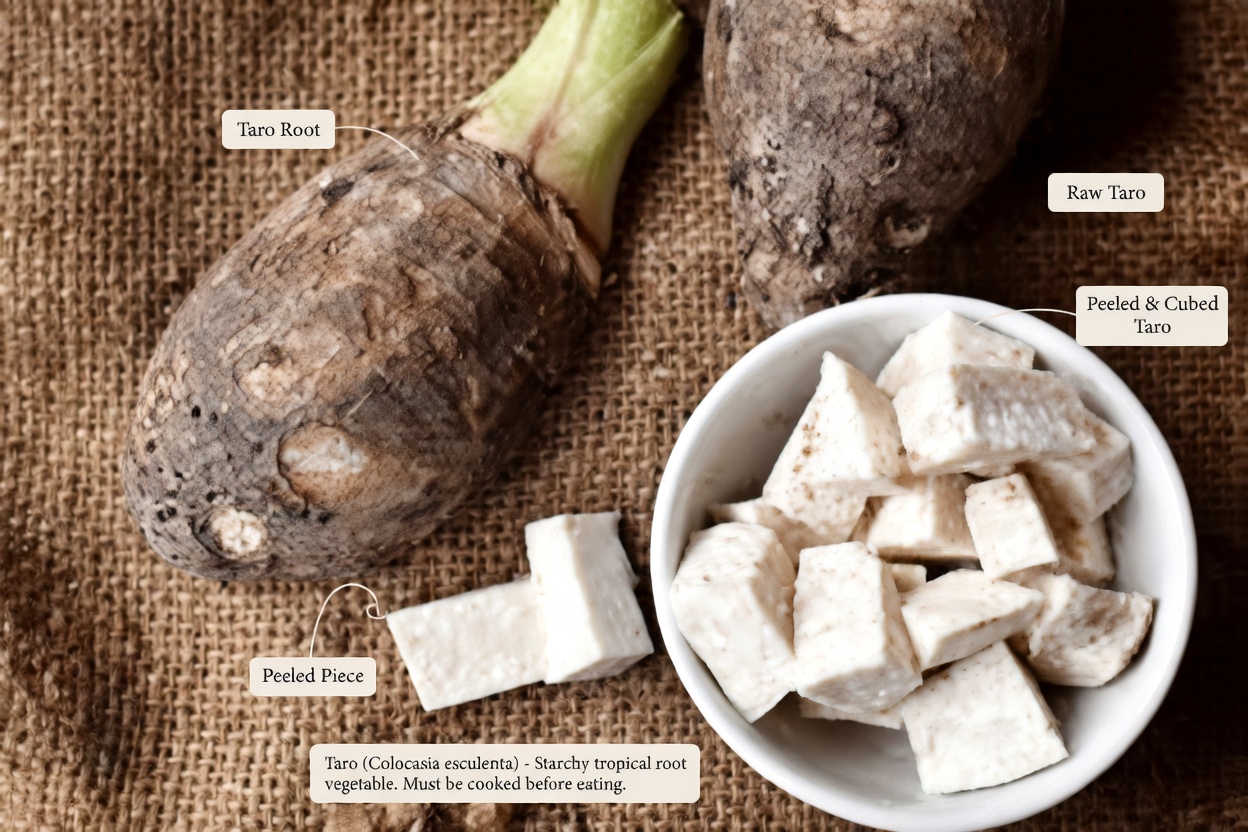
Taro is generally well tolerated when properly cooked. If you have specific health conditions or dietary concerns, it is best to speak with your doctor before making major changes to your meals.