Why Frozen Bread Sometimes Tastes “Off” After Thawing
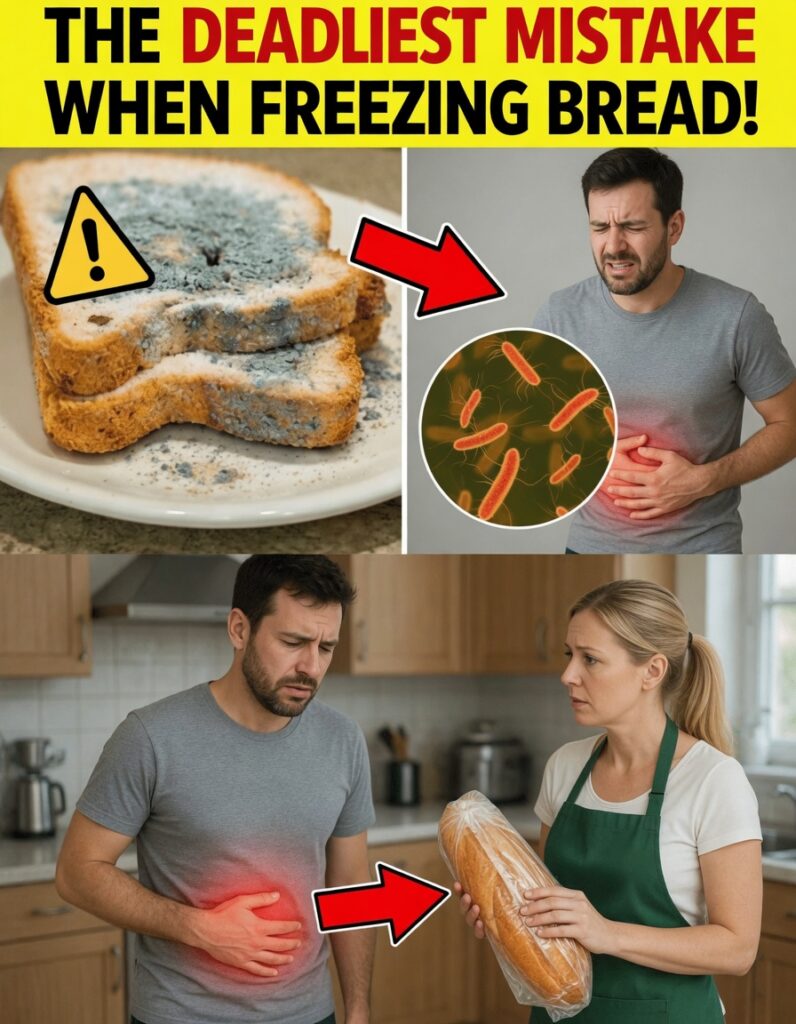
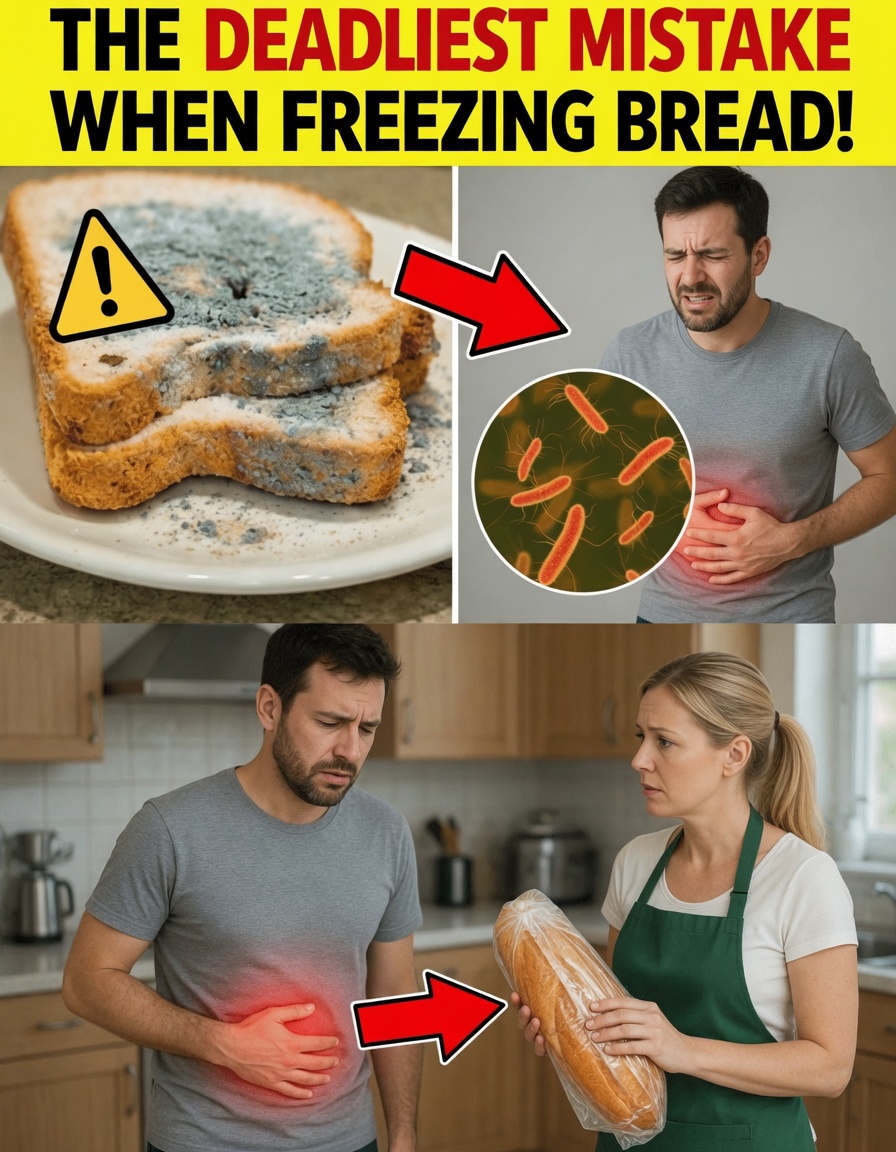
Freezing bread is a smart way to extend freshness and reduce food waste—until you defrost a loaf and notice strange flavors, a dry texture, or even suspicious spots that make you hesitate. In many cases, these problems come from one overlooked detail: how the bread is wrapped. Poor freezer storage can encourage mold growth after thawing, create unpleasant odors, and—especially for more sensitive family members—lead to stomach discomfort.
The reassuring part is that a small change in your routine can keep frozen bread safe, tasty, and far closer to “fresh-baked” quality.
The Hidden Risks of Freezing Bread the Wrong Way
Bread storage in the freezer seems simple, yet improper protection can turn a helpful habit into a food safety concern. When bread isn’t sealed well, it can pull in moisture and contaminants from the freezer environment—issues that often appear only after thawing.
Food safety guidance (including recommendations commonly cited by the USDA) emphasizes an important point: freezing does not kill microbes. It slows them down. Once the bread warms up during thawing, dormant spores can become active again—especially if the bread was exposed to air or moisture due to loose packaging.
Mold is a key example. Mold spores may already be present on bread before you freeze it. The freezer doesn’t eliminate them; it simply delays their growth. When thawed under the wrong conditions, they can multiply and may produce compounds that cause unpleasant reactions in some people.
The #1 Mistake: Not Using Airtight Wrapping
If you’ve ever opened a frozen loaf and noticed a weird smell, freezer flavors, or a rough, dried-out crust, the cause is often the same: inadequate wrapping. Bread that’s loosely covered can:
- Absorb odors from nearby foods
- Develop ice crystals that damage the crumb structure
- Dry out (classic freezer burn), leading to tough, stale-like texture
The bigger concern is what happens during thawing. Without airtight protection, moisture can collect on the bread’s surface, creating conditions that help mold and bacteria grow faster. Food safety organizations (including the FDA in broader mold guidance) note that certain molds can produce mycotoxins—natural substances that may trigger nausea or allergic-like symptoms in some cases.
For higher-risk groups—such as young children, older adults, or people with weakened immune systems—minor exposure may be felt more strongly. Many anecdotal reports in food safety communities describe digestive upset after eating bread that had been frozen and thawed improperly.
What Freezing Really Does (and Doesn’t Do) for Food Safety
Fresh bread may look clean, but it’s exposed to air, hands, packaging, and surfaces—so invisible spores can still be present. According to widely accepted food science principles (including those discussed by the Institute of Food Technologists), freezing around 0°F (-18°C) pushes microbes into a dormant state.
Once thawing begins, those microbes can “wake up.” And if the bread wasn’t sealed well, it may have picked up freezer moisture that speeds spoilage.
Also remember: a freezer isn’t a sterile container. Each door opening causes small temperature shifts. Without proper barriers, bread can collect moisture, odors, and potential cross-contamination from nearby foods.
How This Impacts Your Health—and Your Everyday Routine
Skipping proper wrapping often leads to practical frustrations first: ruined toast, sandwiches that taste like the freezer, or bread that falls apart. But in some cases, it can go further—causing mild stomach discomfort after eating bread that developed spoilage or off-compounds during thawing.
For people who are pregnant or managing chronic conditions, general medical guidance (such as resources commonly referenced by Mayo Clinic) tends to recommend extra caution with foods that may carry higher spoilage risk.
Stories shared online often point to the same pattern: bread frozen “quickly” in a loose bag, thawed later, then followed by unexpected digestive issues—especially when multiple people ate it. The takeaway is simple: small storage shortcuts can have outsized effects.
Best Practices for Freezing Bread Safely (and Keeping It Tasty)
Use these bread-freezing tips to protect flavor, texture, and safety:
-
Start with good-quality bread
- Don’t freeze bread that already smells odd or shows any sign of mold.
- Freezing won’t improve stale bread—it only preserves what’s already there.
-
Cool homemade bread completely
- Let it cool on a rack to prevent condensation, which can become ice inside the packaging.
-
Slice before freezing
- Pre-slicing lets you take only what you need, reducing repeated exposure.
-
Use double-layer, airtight protection (the key fix)
- Wrap tightly with plastic wrap to remove as much air as possible.
- Then place it into a heavy-duty freezer bag or wrap again with foil for extra protection.
-
Label and date it
- For best quality, aim to use within 3 months (quality declines over time even if it remains frozen).
-
Freeze flat first
- Lay packages flat until solid so slices don’t stick together; stack later to save space.
Avoid These Common Freezing Pitfalls
Keep these bread storage habits in mind for better results:
- Push out as much air as possible from freezer bags to reduce ice crystals and texture damage.
- Don’t thaw and refreeze repeatedly, which degrades both quality and safety.
- If you see mold after thawing, discard the entire portion
- Mold can spread invisibly beyond the spots you see.
- Thaw safely
- Defrost in the refrigerator for better temperature control, or toast directly from frozen for quick use.
- Freeze in portions
- Individual slices or small bundles are ideal for daily meals.
These steps align with common freezer food safety recommendations, including those frequently emphasized by the USDA.
Which Freezing Method Works Best? (Quick Comparison)
Here’s how common options typically perform:
| Freezing Method | Protection Level | Spoilage Risk | Quality After Thaw |
|---|---|---|---|
| Original bag only | Low | High | Poor (odor pickup, freezer burn) |
| Plastic wrap only | Medium | Moderate | Good, but not ideal long-term |
| Double wrap + freezer bag | High | Low | Excellent |
| Airtight container + wrap | Very High | Very Low | Near-fresh |
If you want the best balance of convenience and results, double wrapping with a freezer bag is one of the most reliable choices.
The Most Reliable Step-by-Step Method
Follow this routine for consistently better frozen bread:
- Cool fully (especially homemade bread).
- Slice into portions you’ll realistically use.
- Wrap tightly in plastic wrap, pressing out air.
- Seal in a heavy-duty freezer bag (double-bag if you want extra protection).
- Freeze flat, then stack once solid.
- Thaw in the fridge or toast from frozen.
Many people find this method preserves taste and texture for months with minimal spoilage concerns.
Key Takeaway: Make Freezing Bread Work for You
The biggest mistake when freezing bread is skipping airtight wrapping. That single oversight can lead to freezer burn, odd flavors, and a higher chance of mold issues once the bread is thawed. With better sealing and smarter portioning, frozen bread can stay enjoyable, safe, and convenient—while helping you cut down on waste.
Try it next time: slice a loaf, wrap it tightly, and freeze it properly. The difference is easy to notice.
Frequently Asked Questions (FAQ)
How do I thaw frozen bread safely?
Thaw bread overnight in the refrigerator to keep temperatures controlled, or toast slices directly from frozen for fast, safe use.
How long does bread last in the freezer?
For best flavor and texture, use within 3 months. According to USDA-style guidance, food kept consistently frozen at 0°F (-18°C) remains safe for longer, though quality can decline.
Can I freeze bread that’s already going stale?
Freezing won’t reverse staleness, but it can still be useful if you plan to turn it into breadcrumbs, croutons, stuffing, or bread pudding.
Disclaimer
This article is for informational purposes only and is not a substitute for professional medical advice. Consult a qualified healthcare provider for personalized guidance.