
Top 10 Metoprolol Side Effects That May Catch You Off Guard
Taking Metoprolol every day can be an essential part of managing high blood pressure or heart conditions. Yet over time, you might begin to notice unexpected tiredness, unsteadiness, or other changes that slowly make normal routines feel harder. Tasks that once felt effortless may leave you drained or frustrated, especially when these shifts seem to appear out of nowhere during an otherwise routine day.
When these possible Metoprolol side effects show up without warning, it can create confusion and emotional stress, leaving you questioning whether it’s your health, your lifestyle, or your medication. Becoming familiar with these potential effects—especially the subtle ones that often go unnoticed—can help you feel more informed, more in control, and better prepared to talk with your healthcare provider.
The side effect that surprises many people the most is actually waiting for you at the end of this list.

🥱 Side Effect #10: Unusual Fatigue
One of the most commonly reported Metoprolol side effects is unusual fatigue that hits much earlier in the day than expected. You might find yourself running out of energy by midday, with light activities—like a short walk, household chores, or a few hours of work—feeling far more draining than they used to.
This overwhelming tiredness can lead to self-doubt about your stamina and overall well-being. According to resources such as the Mayo Clinic, Metoprolol can slow the heart rate, which may reduce how efficiently oxygen-rich blood circulates through the body. For some people, that translates into persistent, unexplained fatigue.
It’s easy to blame tiredness on poor sleep or a busy schedule, but if this kind of fatigue appears after starting Metoprolol or increasing your dose, it’s worth mentioning to your doctor.
🌀 Side Effect #9: Dizziness or Lightheadedness
Feeling suddenly dizzy when standing up is another frequently noted Metoprolol side effect. You may experience the room spinning, a brief blackout feeling, or a wave of lightheadedness when you get out of bed, rise from a chair, or bend down and stand quickly.
These dizzy spells can interrupt your day, making routine tasks at home or at work feel risky and increasing your concern about falls or accidents. NHS guidance notes that Metoprolol can sometimes lower blood pressure more when you change positions, causing what’s known as orthostatic hypotension in some individuals.
Being aware of this effect can help you move more carefully and discuss strategies with your healthcare provider—such as rising slowly or adjusting your dosage—if dizziness becomes frequent or severe.
❄️ Side Effect #8: Cold Hands and Feet
Many people taking Metoprolol report persistent cold hands and feet. This side effect can make you feel chilly even in a warm room and may turn relaxing evenings into uncomfortable experiences as you struggle to warm up your extremities.
Cleveland Clinic sources indicate that beta-blockers like Metoprolol can narrow (constrict) small blood vessels in the arms and legs, reducing circulation to the skin and contributing to that constant cold feeling.
You might have brushed this off as simply being “cold-natured,” but if it started or worsened after beginning Metoprolol, it’s a useful detail to share at your next medical visit.

💓 Side Effect #7: Slow Heartbeat (Bradycardia)
A noticeably slower pulse is directly related to how Metoprolol works. As a beta-blocker, it’s designed to reduce the workload on the heart by lowering heart rate. However, in some people, this side effect can become more pronounced than expected.
You may feel your heartbeat is unusually slow during quiet moments, or notice it when checking your pulse. This can be unsettling and may raise concerns about heart health. MedlinePlus notes that bradycardia—an abnormally slow heart rate—occurs in a notable portion of Metoprolol users, with some studies suggesting up to about 10% are affected.
Regularly monitoring your pulse and reporting significant changes to your healthcare provider can help ensure your dosage remains safe and appropriate.
😔 Side Effect #6: Mood Changes or Feeling Down
For some individuals, Metoprolol side effects extend beyond the physical and begin to affect mood and emotional balance. You might notice feeling more down, less motivated, or less able to enjoy activities and time with loved ones that you previously looked forward to.
These shifts can gradually transform family gatherings, hobbies, or social events into routines you simply “get through,” adding stress and worry about your mental health. Research referenced by GoodRx and NCBI suggests that, in sensitive individuals, beta-blockers like Metoprolol may influence certain brain chemicals and mood regulation.
Because these feelings can be easily mistaken for normal life stress, it’s important not to dismiss them automatically. Discussing mood changes with your provider can open the door to adjustments or supportive strategies that help you feel more like yourself again.
😤 Side Effect #5: Shortness of Breath
Shortness of breath is another possible Metoprolol side effect that can be particularly alarming. You might notice that climbing stairs, walking briskly, or doing light exercise leaves you unusually winded—or that you’re catching your breath more often during everyday activities.
This can turn formerly enjoyable walks or workouts into daunting tasks, triggering anxiety about your heart, lungs, or fitness level. Safety information for TOPROL-XL (a brand of Metoprolol) and Mayo Clinic data both list shortness of breath as a potential side effect, especially in people with underlying respiratory conditions or sensitivities.
If you notice new or worsening breathlessness after starting Metoprolol, it’s essential to contact your healthcare professional promptly to rule out more serious problems and review your medication plan.

🤢 Side Effect #4: Gastrointestinal Upsets
Stomach-related issues are another group of Metoprolol side effects that can interfere with your daily life. Cramping, diarrhea, or general digestive discomfort may appear unexpectedly, disrupting meals, meetings, or social events.
These symptoms can make eating less enjoyable and may cause you to worry about being close to a restroom throughout the day. Reports from the NHS and Cleveland Clinic suggest such gastrointestinal changes may be linked to how Metoprolol affects digestion and gut motility.
It’s common to blame stomach upset on something you ate, but if these problems are recurring and coincide with Metoprolol use, it’s worth raising with your doctor so they can evaluate whether your medication is a contributing factor.
🤕 Side Effect #3: Persistent Headaches
Headaches that linger or return frequently can also occur among Metoprolol users. You might experience a dull, throbbing ache that makes it difficult to concentrate on reading, working, or relaxing at the end of the day.
Over time, these headaches can erode your productivity and increase stress levels. Clinical explanations often connect such headaches to the way Metoprolol influences blood vessels and blood flow in the brain and body.
Because headaches are easy to attribute to tension, eye strain, or dehydration, many people overlook the possible link to medication. Tracking when they occur and discussing the pattern with your healthcare provider can help determine whether Metoprolol plays a role.

🤮 Side Effect #2: Nausea
Another Metoprolol side effect that can catch you off guard is nausea. You may experience sudden waves of queasiness, a sour stomach, or a general feeling of being “off” around mealtimes—or even when you haven’t eaten.
This can make favorite foods less appealing and turn eating into something you dread, adding inconvenience and discomfort to your routine. MedlinePlus and GoodRx list nausea as a relatively common side effect of Metoprolol, possibly related to the drug’s impact on the nervous system and digestive tract.
Since nausea is often dismissed as simple indigestion or “something I ate,” recognizing that your medication might be involved is important for getting the right support and adjustments.
⚖️ Side Effect #1: Weight Gain
The Metoprolol side effect that often surprises people most is gradual weight gain. You may start noticing that clothes feel tighter, the scale creeps upward, or your body shape changes—even if your diet and exercise habits haven’t significantly shifted.
This slow change can lead to confusion, reduced confidence, and frustration about your health progress, especially if you’re working hard to manage your weight. Clinical observations suggest that Metoprolol may contribute to weight gain in some individuals through mechanisms such as a slightly slower metabolism, reduced exercise tolerance, or mild fluid retention.
It’s easy to blame weight changes solely on aging or lifestyle, but acknowledging the potential influence of Metoprolol allows you and your provider to explore tailored strategies—from dietary adjustments to alternative medications—so your treatment supports both your heart and your overall well-being.
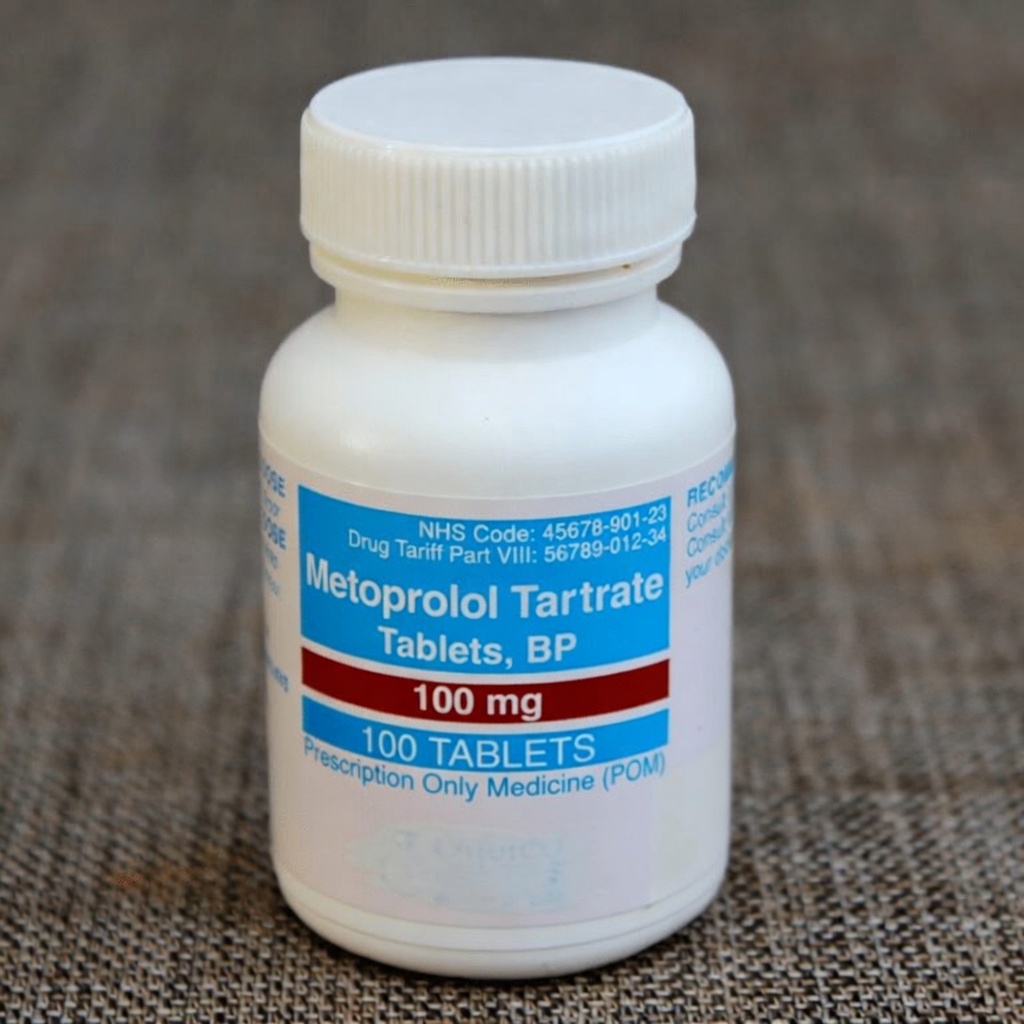
Common vs. Less Common Metoprolol Side Effects
To help you quickly recognize patterns, here is a simplified overview of Metoprolol side effects often reported in clinical resources such as the Mayo Clinic:
Common Metoprolol Side Effects
- Fatigue
- Dizziness or lightheadedness
- Cold hands and feet
- Nausea
Less Common Metoprolol Side Effects
- Mood changes (feeling low or less joyful)
- Shortness of breath
- Slow heartbeat (bradycardia)
- Weight gain
This comparison highlights both the more frequent and the less common, but still important, Metoprolol side effects. Recognizing them early and discussing any concerns with your healthcare provider can help you stay safer, feel better, and make more informed decisions about your treatment plan.