14 Common Skin and Body Changes Worth Watching
Seeing a strange mark on your skin or finding a bruise you cannot explain can be unsettling. Changes like these often raise immediate questions: is this harmless, or is it something that needs medical attention? The reassuring part is that understanding common warning signs can help you stay informed and respond calmly.
There is also one simple habit many people forget to do, yet it can make a real difference in noticing changes early. Keep reading to the end to learn what it is.
Why It’s Important to Notice Changes in Your Skin and Body
Your body gives off signals all the time, and in many cases, they are completely normal. Still, when certain changes linger or keep returning, they may be worth discussing with a healthcare professional. The American Cancer Society emphasizes that being aware of physical changes can help support earlier conversations about health concerns. The Mayo Clinic likewise notes that recognizing patterns sooner can encourage proactive care without creating unnecessary fear.
In many situations, these changes are caused by common factors such as aging, sun exposure, or minor bumps and injuries. Even so, knowing what is normal for your body can reduce anxiety and help you feel more in control of your health.
Skin Changes That Often Stand Out First
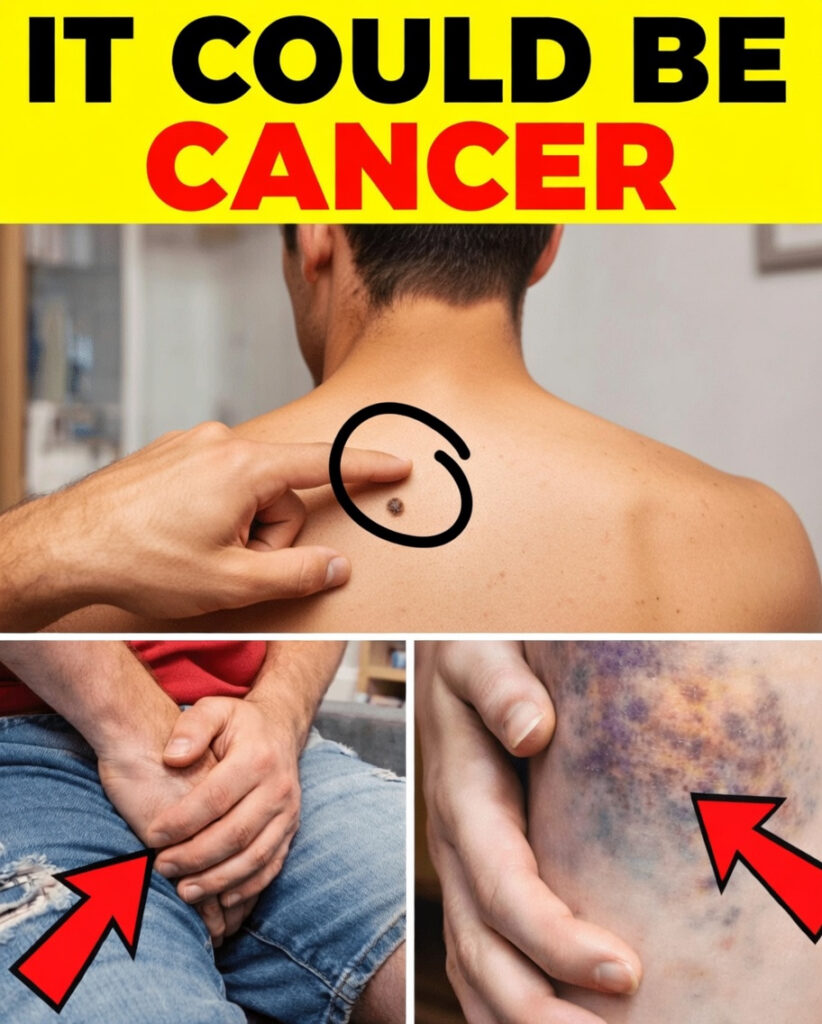
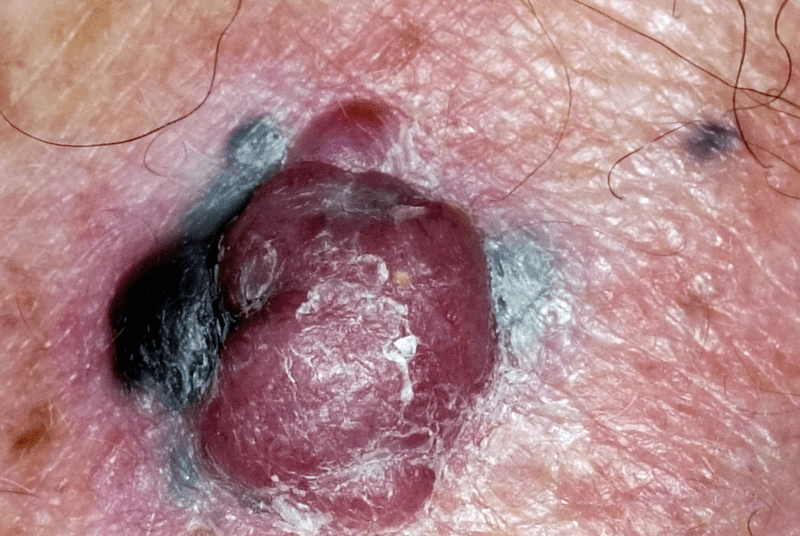
Because the skin is the body’s largest organ, it is often where visible differences appear first. A mole that suddenly looks unusual or a large patch of discoloration on the body can quickly draw attention and cause concern.
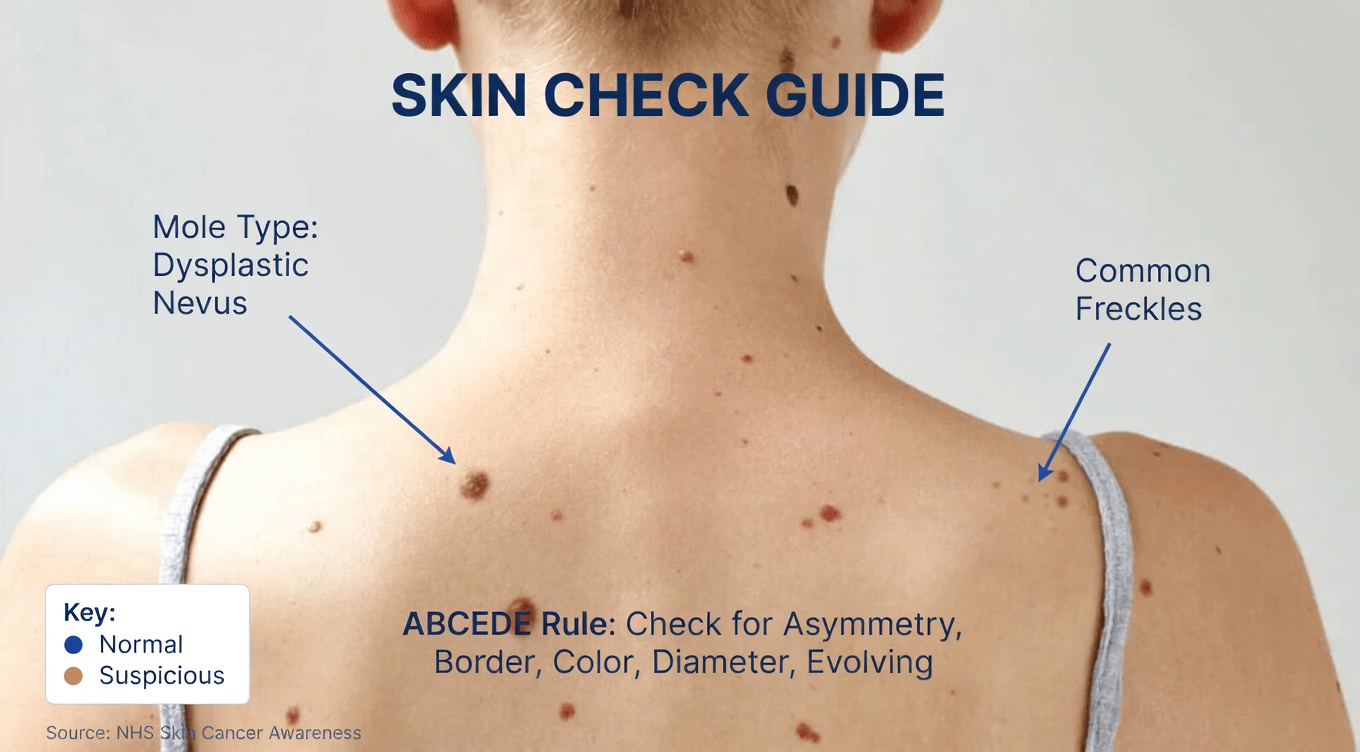
Dermatologists often recommend the ABCDE rule as an easy way to evaluate spots during a skin self-check:
- A – Asymmetry: One side of the spot does not resemble the other.
- B – Border: The edges appear uneven, blurred, or oddly shaped.
- C – Color: The spot contains multiple shades such as brown, black, red, white, tan, or blue.
- D – Diameter: It is larger than a pencil eraser, although smaller marks can still matter.
- E – Evolving: It changes in size, shape, color, or begins to itch or bleed.
In addition to moles, sores that do not heal within a few weeks or rough areas of skin that keep coming back should also be monitored closely.
Unexplained Bruising, Discoloration, and Other Visible Clues
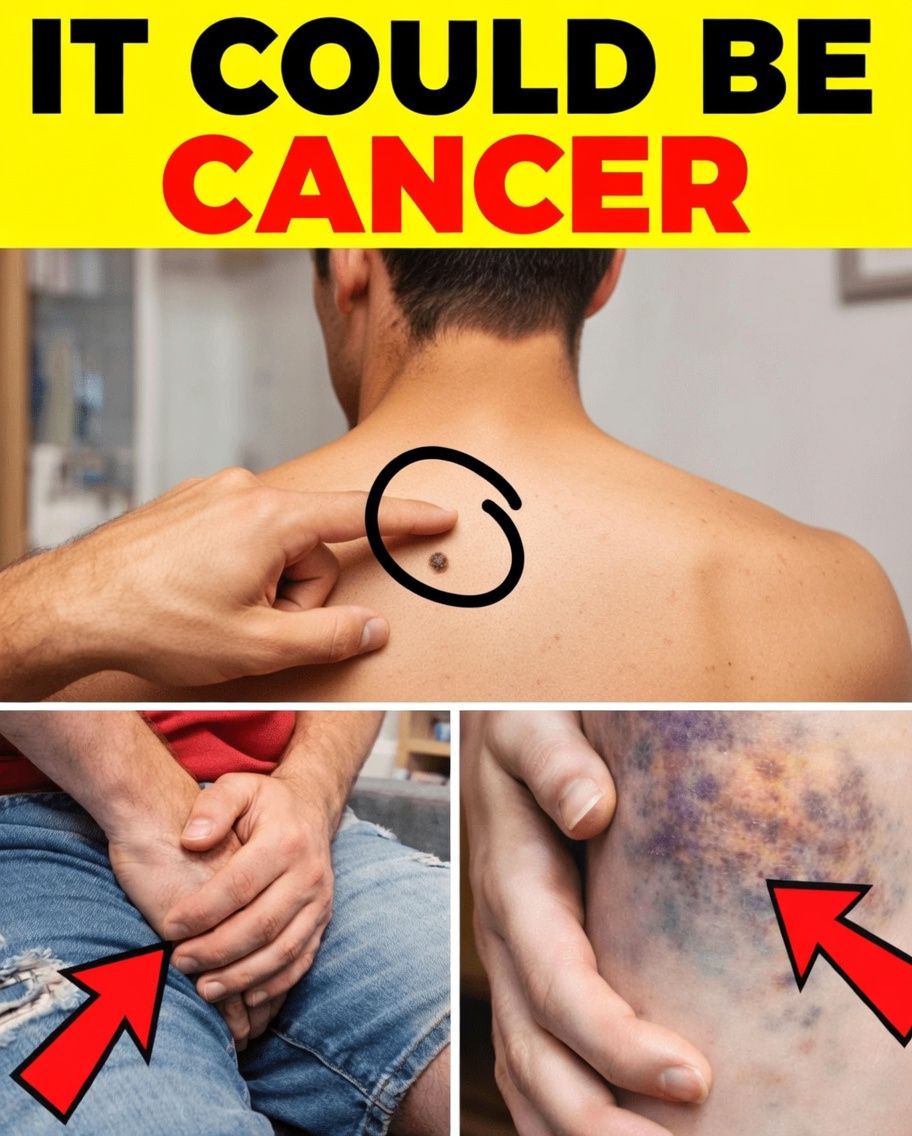
A bruise that appears without a clear injury, especially on the torso, can feel alarming. The same goes for discomfort in the hands or wrists that makes you stop and pay attention. Some people also notice tiny red or purple dots, or broader areas of dark discoloration, with no obvious explanation.
The reality is that easy bruising and changes in skin color can happen for many everyday reasons. Health experts note that, in some cases, they may be related to how blood components are working. When these marks keep appearing, it helps to record when they happen and where they show up so you can share that information with your doctor.
14 Common Changes to Monitor If They Continue
According to widely recognized guidance from the Mayo Clinic and the American Cancer Society, the following body changes are worth tracking if they persist:
- Changes in existing moles or the appearance of new dark or pigmented spots
- Sores or wounds that do not heal after several weeks
- Easy bruising or unexplained skin discoloration
- Ongoing fatigue that does not improve with rest
- Unintentional weight gain or weight loss of 10 pounds or more
- New lumps, swelling, or thickened areas beneath the skin
- Lasting changes in bowel or bladder habits
- A persistent cough or hoarseness
- Trouble swallowing or frequent indigestion after meals
- Unusual bleeding or discharge
- Constant muscle or joint pain without a clear cause
- Repeated fevers or heavy night sweats
- Yellowing of the skin or eyes
- Shortness of breath or unexplained breathing difficulty
Being aware of these signs does not mean something serious is always wrong. It simply means that persistent symptoms deserve attention and, when necessary, a timely medical check-in.
Simple Steps You Can Start Today
You do not need any special tools to become more aware of your skin and body. A monthly self-exam only takes a few minutes and helps you learn what is normal for you.
Try this routine:
- Stand in a well-lit room in front of a full-length mirror.
- Look closely at your face, neck, ears, and scalp. A hand mirror or blow-dryer can help with the scalp.
- Check your arms, hands, nails, and the areas between your fingers and toes.
- Use a handheld mirror to inspect your back, buttocks, and the backs of your legs.
- Gently feel your neck, underarms, and groin for any swelling, lumps, or thickened spots.
Here is the easy habit many people miss: take quick photos with your phone once a month. These pictures create a visual timeline, making it much easier to notice subtle changes that develop gradually.
Daily Habits That Improve Health Awareness
Healthy routines can also help you stay more in tune with your body. Practical habits include:
- Drinking enough water
- Eating a balanced diet with plenty of fruits and vegetables
- Protecting your skin from sun exposure with sunscreen and protective clothing
- Staying physically active
- Getting quality sleep
These habits are not a substitute for medical care, but they can help you notice genuine changes more clearly when they happen.
When You Should Contact a Doctor
If any of the signs listed above last longer than a couple of weeks or begin to affect your everyday life, it is a good idea to schedule a medical appointment. When you go, bring useful details such as:
- When you first noticed the change
- Whether it has gotten worse over time
- How often it happens
- Any other symptoms you have experienced
This information can help your healthcare provider better understand the situation and recommend the next steps.
Final Thoughts
Knowing about these 14 common skin and body changes can help you take a more confident approach to your health. In many cases, the cause is minor. But being aware of what to watch for can lower stress, support early conversations with your doctor, and help you make smart decisions.
Start a monthly self-check today. It may become one of the simplest and most effective habits for long-term peace of mind.
FAQ
How often should I examine my skin and body for changes?
For most adults, once a month is a practical routine. Picking the same date each month can make it easier to remember. Some people may want to check more often, especially if they have risk factors such as fair skin or a history of heavy sun exposure.
Can normal everyday issues cause symptoms like these?
Yes. Stress, diet changes, small injuries, aging, and sun exposure can all lead to symptoms such as fatigue, bruises, or skin spots. That is why a doctor’s evaluation is the best way to understand what is causing a specific symptom.
What if I notice one of these changes but otherwise feel fine?
It is still a good idea to mention it at your next check-up, or sooner if the issue continues. Early discussion gives your doctor a clearer picture and can help rule out problems quickly.
Disclaimer
This article is for informational purposes only and does not replace professional medical advice, diagnosis, or treatment. Always speak with a qualified healthcare provider about any symptoms or health concerns you may have.