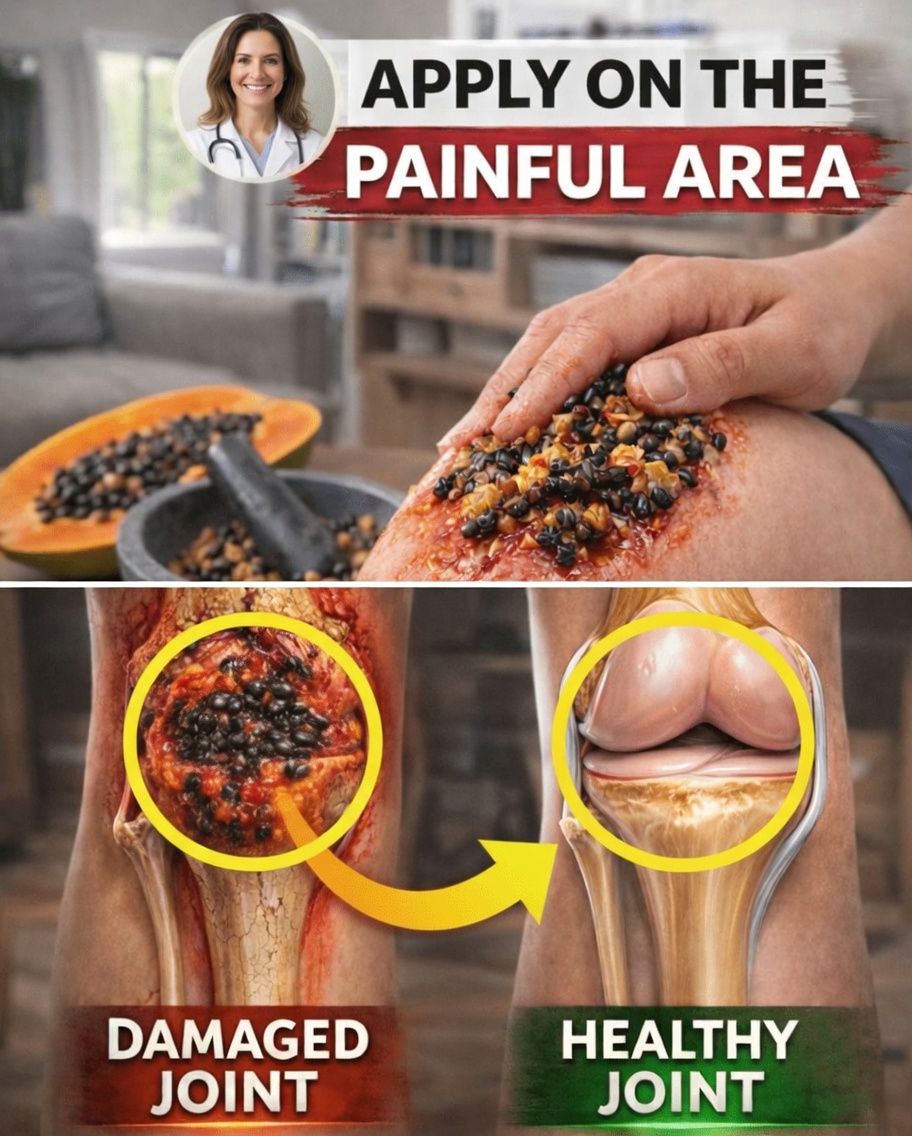

Why Morning Stiffness and Heavy Legs Should Not Be Ignored
Waking up with stiff joints and legs that feel unusually heavy can slowly wear down your quality of life. Simple tasks like getting out of bed, walking outside, or staying active with family may begin to feel more difficult. As this continues, it can affect mobility, reduce confidence in movement, and make everyday independence feel harder to maintain.
The encouraging news is that nutrition can help support the body’s natural systems involved in joint comfort and muscle function. Even more surprising, three important vitamins play a major role in this process, and many older adults may not be getting enough of them.
Why Joint Health and Leg Strength Matter More as You Age
Aging naturally brings physical changes that can influence how well you move and how comfortable your joints feel. The cartilage that cushions the joints may gradually wear down, muscles can lose strength, and bones may become less dense over time. These shifts can affect the knees, hips, ankles, and legs overall.
Adequate nutrition becomes especially important during this stage of life. Certain vitamins help support bone strength, muscle performance, and the tissues that protect your joints.
In addition, everyday habits can make deficiencies more likely. Spending less time outdoors, changing eating patterns, and reduced nutrient absorption in the digestive tract can all lower vitamin levels with age.
Vitamin D: Essential for Bones, Muscles, and Balance
Vitamin D is commonly known as the sunshine vitamin because the body can produce it through sun exposure. However, many seniors have low levels, especially if they stay indoors often or live in areas with limited sunlight.
This vitamin is vital because it helps the body absorb calcium, a key mineral for maintaining strong bones. It also contributes to healthy muscle function, which supports leg strength, coordination, and balance. When vitamin D is too low, muscle weakness and joint discomfort may become more noticeable.
Good food sources of Vitamin D
- Fatty fish such as salmon and mackerel
- Fortified milk
- Fortified orange juice
- Egg yolks
- Sunlight-exposed mushrooms
Practical tip
- Try to get 10 to 15 minutes of safe sun exposure on your arms and legs each day when possible.
- Ask your doctor whether a blood test or vitamin D supplement may be appropriate for you.
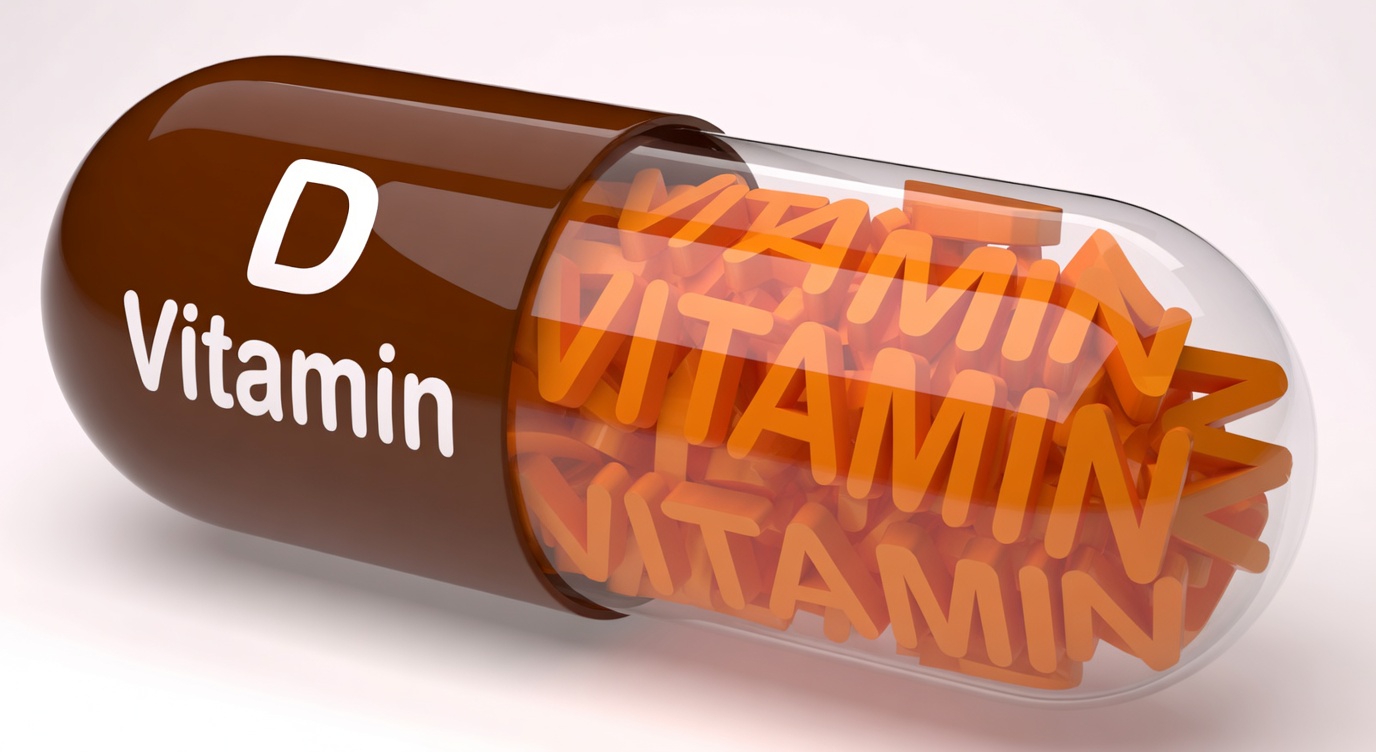
Vitamin C: Important for Collagen and Joint Support
Vitamin C is widely recognized for immune support, but it also has a crucial role in collagen production. Collagen is the structural protein that helps maintain cartilage and connective tissues, both of which are essential for healthy joints.
As an antioxidant, vitamin C also helps the body manage oxidative stress, a factor that can contribute to age-related wear and tear. By supporting collagen synthesis, this nutrient may help joints stay more flexible and comfortable.
Good food sources of Vitamin C
- Oranges and grapefruits
- Strawberries
- Kiwi
- Bell peppers
- Broccoli
- Tomatoes
Practical tip
- Add berries to breakfast or include brightly colored vegetables with every meal.
- Because vitamin C is water-soluble, regular daily intake from fresh foods is often the best approach.
Vitamin K2: Helping Calcium Go to the Right Place
Vitamin K2 does not get as much attention, but it works especially well alongside vitamin D. Its role is to help direct calcium into bones and teeth instead of allowing it to build up in soft tissues or around joints.
Some studies suggest that sufficient vitamin K2 may support bone density and overall skeletal wellness. Stronger bones can indirectly improve leg stability and joint function.
Good food sources of Vitamin K2
- Fermented foods like natto and sauerkraut
- Grass-fed dairy products, including cheese and butter
- Egg yolks from pasture-raised hens
- Organ meats
Practical tip
- If you already take vitamin D, consider discussing a combination with K2 with your healthcare provider for added support.
Simple Daily Habits to Boost These Vitamins
Including these nutrients in your routine does not have to be complicated. A few small habits can make a meaningful difference over time.
Easy ways to get started
- Begin the day with a nutrient-dense smoothie made with fruit and fortified yogurt.
- Take a short walk outdoors during daylight hours to encourage natural vitamin D production.
- Build colorful meals to increase your intake of vitamins and antioxidants.
What makes this even more effective is pairing good nutrition with gentle movement. Light activity such as chair exercises or easy walking can further support your legs, muscles, and joints.

Additional Natural Ways to Support Mobility
Nutrition works best when combined with other healthy habits. To keep your body moving more comfortably, consider these strategies:
- Drink enough water throughout the day.
- Choose low-impact exercise such as swimming or yoga.
- Maintain a healthy body weight to reduce pressure on the knees and hips.
Final Thoughts
Supporting joint comfort and leg mobility through smart nutrition is one of the most valuable steps you can take as you age. Prioritizing vitamin D, vitamin C, and vitamin K2—along with healthy daily habits—may help you move with greater strength, stability, and confidence.
Frequently Asked Questions
1. Can food provide all of these vitamins?
In many cases, yes. A balanced diet is the best starting point. However, nutrient absorption may decline with age, so some people may also need testing or supplements recommended by a doctor.
2. How can I tell if I am low in these vitamins?
Possible signs may include tiredness, weak muscles, or joint discomfort, but symptoms alone are not enough to confirm a deficiency. A blood test ordered by your healthcare provider is the most reliable way to know.
3. Can these vitamins interact with medications?
Yes, they can. Always speak with your doctor or pharmacist before starting supplements, especially if you take blood thinners or other prescription medications. Vitamin K, in particular, may affect blood clotting.
Disclaimer
This article is for informational purposes only and is not intended to diagnose, treat, cure, or prevent any disease. Always consult a qualified healthcare professional before changing your diet or supplement routine, especially if you have existing medical conditions or take medications.