A Natural Approach to Getting Jet Black Hair at Home
Gray or white hair can appear earlier than expected, or simply become more noticeable with age. For many people, this creates real stress and self-consciousness, especially when roots start showing and frequent salon appointments become both expensive and inconvenient. On top of that, chemical hair dyes often leave strands dry, rough, and weakened, making the search for a gentler solution even more urgent.
A growing number of people are now turning to plant-based methods to achieve jet black hair naturally. These traditional techniques use botanical ingredients to color the hair more gently while helping reduce reliance on harsh products.
In this guide, you’ll learn how this long-used method works and how to try it at home.
Why Gray Hair Creates So Much Anxiety
For many, gray hair is not just a cosmetic concern. It can affect confidence, make you feel older than you are, and add pressure in both personal and professional settings. Repeated coloring with chemical dyes can also lead to uneven results, damaged hair, and ongoing frustration.
That is why so many people are now looking for ways to get jet black hair naturally without exposing their hair to aggressive ingredients. Botanical dyes such as henna and indigo have been used for generations as a more natural alternative for gray coverage and deeper dark tones.
The Key Natural Ingredients for Jet Black Hair Naturally
Two of the most well-known plant ingredients for natural hair coloring are henna and indigo.
- Henna creates the initial color base by attaching to the hair shaft.
- Indigo adds the darker pigment needed to move the color toward deep brown or black.
When used together correctly, they can help create jet black hair naturally while also being gentler than many commercial dyes. Unlike common boxed color products, these plant powders are often chosen by people who want color along with a conditioning effect.
How Henna and Indigo Create Darker Hair Tones
Henna contains a natural dye molecule called lawsone, which binds to the protein in the hair. This creates a lasting foundation for the color. Indigo is then used on top of or alongside henna to build a deeper, darker shade.
This combination is especially popular among people trying to cover stubborn gray hair. Many users find that henna and indigo work better together than either ingredient alone when the goal is jet black hair naturally. Traditional use and personal experience reports suggest that, with the right method, the results can be rich and satisfying.
Understanding the Paste Texture
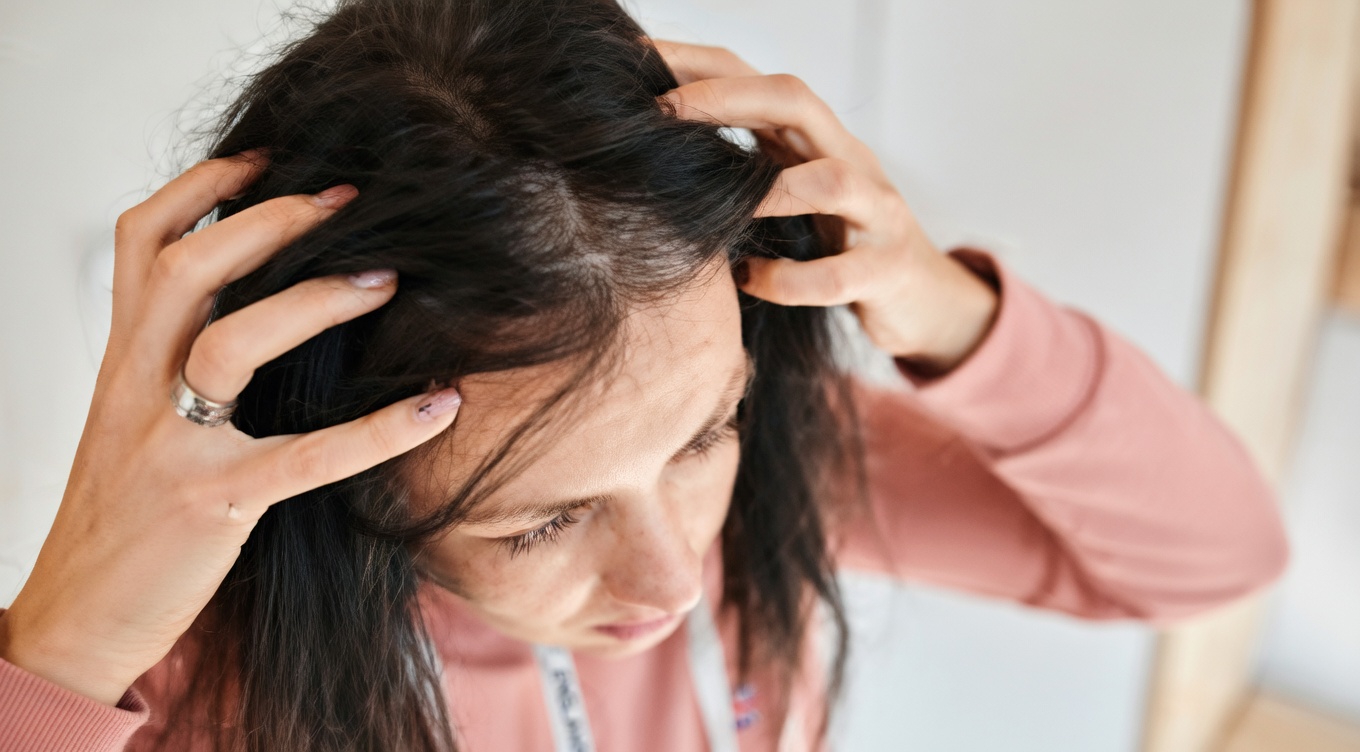
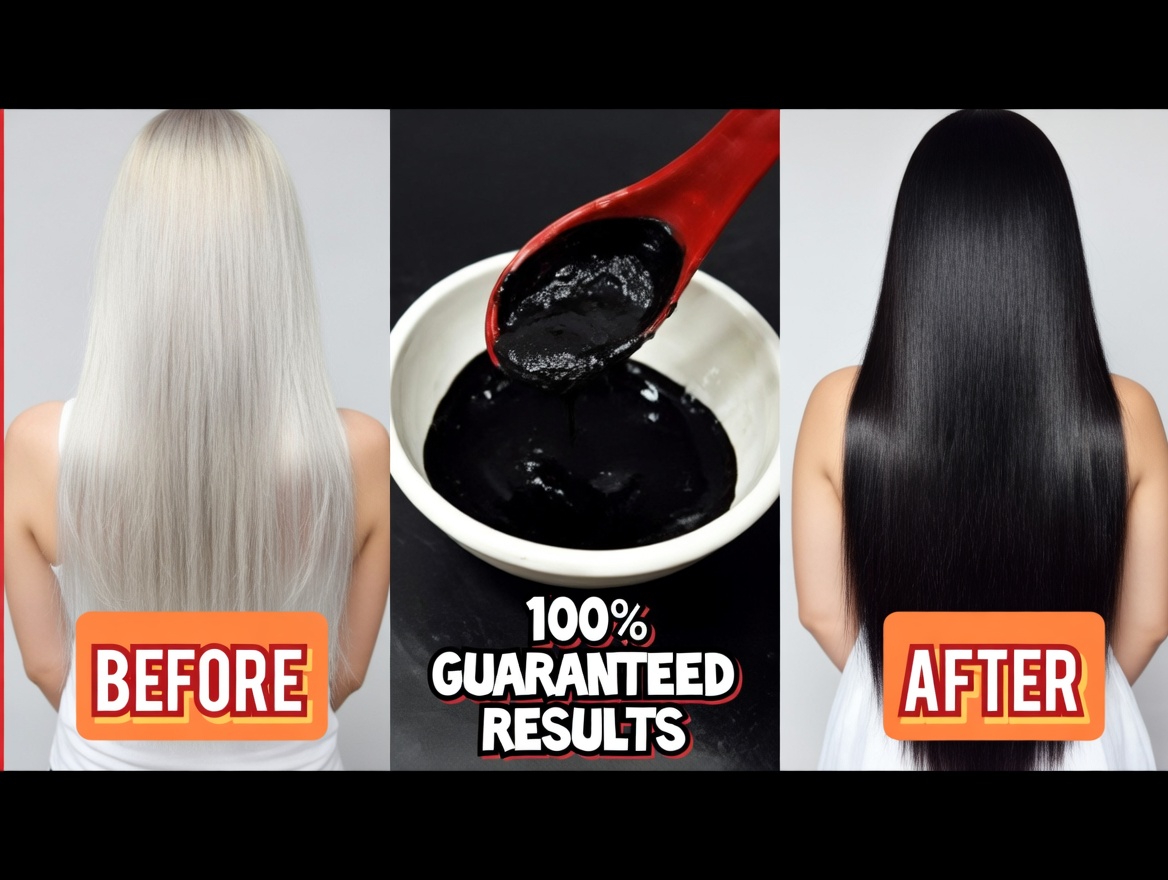
If you have watched tutorials on natural hair coloring, you have probably seen the thick, dark paste used in the process. The consistency of this mixture matters a lot. A smooth, spreadable paste helps ensure even application, especially around roots and gray patches.
When preparing a formula for jet black hair naturally, the paste should not be too runny or too dry. A properly mixed texture makes it easier to coat the hair thoroughly and improve overall coverage.
One-Step vs. Two-Step Methods
There are two main ways people use henna and indigo for darker hair color. The best option depends on how much gray you have and how intense you want the final shade to be.
1. One-Step Method
In this method, henna and indigo are mixed together and applied in one session.
- Faster and more convenient
- Good for some gray blending
- Often produces a dark brown to soft black result
2. Two-Step Method
This technique involves applying henna first, rinsing it out, and then applying indigo separately.
- Usually gives a deeper and darker result
- Better for resistant gray or white hair
- Often preferred when aiming for jet black hair naturally
For people with a high percentage of gray hair, the two-step process is often the more effective choice.
How to Prepare the Paste at Home
If you want to try the one-step version, begin by using a higher amount of indigo than henna to encourage a darker shade.
Here are the basics:
- Mix henna with a warm liquid and let it sit for several hours so the dye can release.
- Prepare fresh indigo paste right before application.
- Combine the two if using a one-step method.
- Add optional ingredients such as amla if you want to adjust the tone.
- Wear gloves, because both henna and indigo can temporarily stain the skin.
Natural mixers such as warm black tea are sometimes used to deepen the color, and small amounts of oil may be added for extra softness.
The Two-Step Method for a Richer Black Shade
If your goal is a deeper result, especially over stubborn white or gray hair, the two-step method is often recommended.
Step 1: Apply Henna
- Prepare pure henna paste
- Apply it evenly to the hair
- Leave it on for 1 to 3 hours, depending on your hair type and desired intensity
- Rinse thoroughly
Step 2: Apply Indigo
- Mix fresh indigo powder with water immediately before use
- Apply it right after rinsing out the henna
- Leave it on according to your preferred depth of color
- Rinse well
Layering henna first and indigo second helps create darker, fuller tones and improves the chances of achieving jet black hair naturally.
Step-by-Step Application Guide
To get the best outcome, follow these application steps carefully:
- Wash your hair first, but do not use conditioner.
- Dry the hair before applying the paste.
- Divide the hair into sections.
- Coat each section from roots to ends, paying extra attention to gray areas.
- Cover your hair with a shower cap to keep the mixture moist.
- Leave it on for 30 to 90 minutes, or longer if needed depending on the method used.
- Rinse with cool water only.
- Avoid shampooing for the first 24 to 48 hours so the color can fully develop.
Patience is important, especially because natural color continues to deepen after rinsing.
Benefits of Choosing a Natural Black Hair Method
Many people prefer this option not only because it helps darken gray hair, but also because it may improve the overall feel of the hair.
Potential benefits include:
- Less exposure to ammonia and peroxide
- Reduced dryness and breakage
- Softer, smoother strands after coloring
- A gentler approach to regular gray coverage
- Fewer concerns about the damage caused by repeated chemical treatments
For those stuck in a cycle of brittle hair and constant root maintenance, switching to a plant-based method can feel like a welcome change.
Tips for Better Results
To improve your outcome when aiming for jet black hair naturally, keep these tips in mind:
- Use warm black tea when mixing henna to encourage deeper tones
- Add a small amount of oil if you want extra conditioning
- Do not wash your hair too soon after treatment
- Reapply every 4 to 6 weeks as new growth appears
- Always perform a patch test before full application
- Start with a small trial if you are using henna and indigo for the first time
Consistency and proper aftercare can make a big difference in how long the color lasts and how rich it appears.
What to Expect After Coloring
Natural hair color from henna and indigo does not always show its final result immediately. The shade usually continues developing over the next couple of days after rinsing.
Many people notice:
- More shine
- Smoother texture
- Better manageability
- Richer color after 24 to 48 hours
However, the final result will depend on several factors, including:
- Your starting hair color
- The amount of gray present
- Hair porosity
- The quality of the paste
- How consistently you maintain the process
Trying henna and indigo at home can be an empowering way to take control of your color routine. By learning how these natural ingredients work, you can make informed choices that support both appearance and hair health.
FAQ
How long does color last with natural jet black hair methods?
Henna and indigo color can remain visible for several weeks to a few months, depending on your hair type, washing habits, and maintenance routine. The color usually fades gradually rather than disappearing all at once.
Should I do a patch test first?
Yes. A patch test is essential before full use. Apply a small amount to the skin first to check for any reaction.
Can henna and indigo be used on chemically treated hair?
Possibly, but results can vary. If your hair has been chemically dyed, bleached, relaxed, or otherwise processed, it is best to speak with a stylist who has experience with natural hair color before making the transition.