Many people begin to notice that their legs feel heavy, fatigued, or mildly swollen after spending hours standing or sitting, and this often becomes more common with age. That dull ache or sense of tightness can turn ordinary activities—walking the dog, gardening, or climbing stairs—into something far less comfortable than it used to be. When circulation in the legs feels sluggish, even simple daily routines can become frustrating. The good news is that several widely used herbs are often chosen as gentle, natural options to help support healthy blood flow and leg comfort.
What This Guide Covers
This article explores five of the most popular herbs for leg circulation support and highlights the practical points worth knowing before you try them. With the right information, it becomes easier to choose an option that suits your routine and wellness goals.
Why Leg Circulation Support Matters
Your legs do demanding work every day. To return blood upward, they must push against gravity constantly. Over time, veins may become less elastic and their valves may not work as efficiently, making it easier for blood to collect in the lower legs. This can contribute to feelings of heaviness, aching, and mild swelling.
Healthy daily habits such as drinking enough water, walking regularly, and avoiding long periods of stillness can make a meaningful difference. At the same time, many people look to herbal support as an added strategy. Several plant-based remedies have been studied for their potential role in vein comfort and smoother circulation, which explains why they remain so popular in wellness discussions.
The 5 Most Popular Herbs for Leg Circulation
Below are five herbs that are consistently mentioned for supporting circulation in the legs. Each one has a long history of traditional use, along with modern interest in how it may help with vein health and everyday comfort.
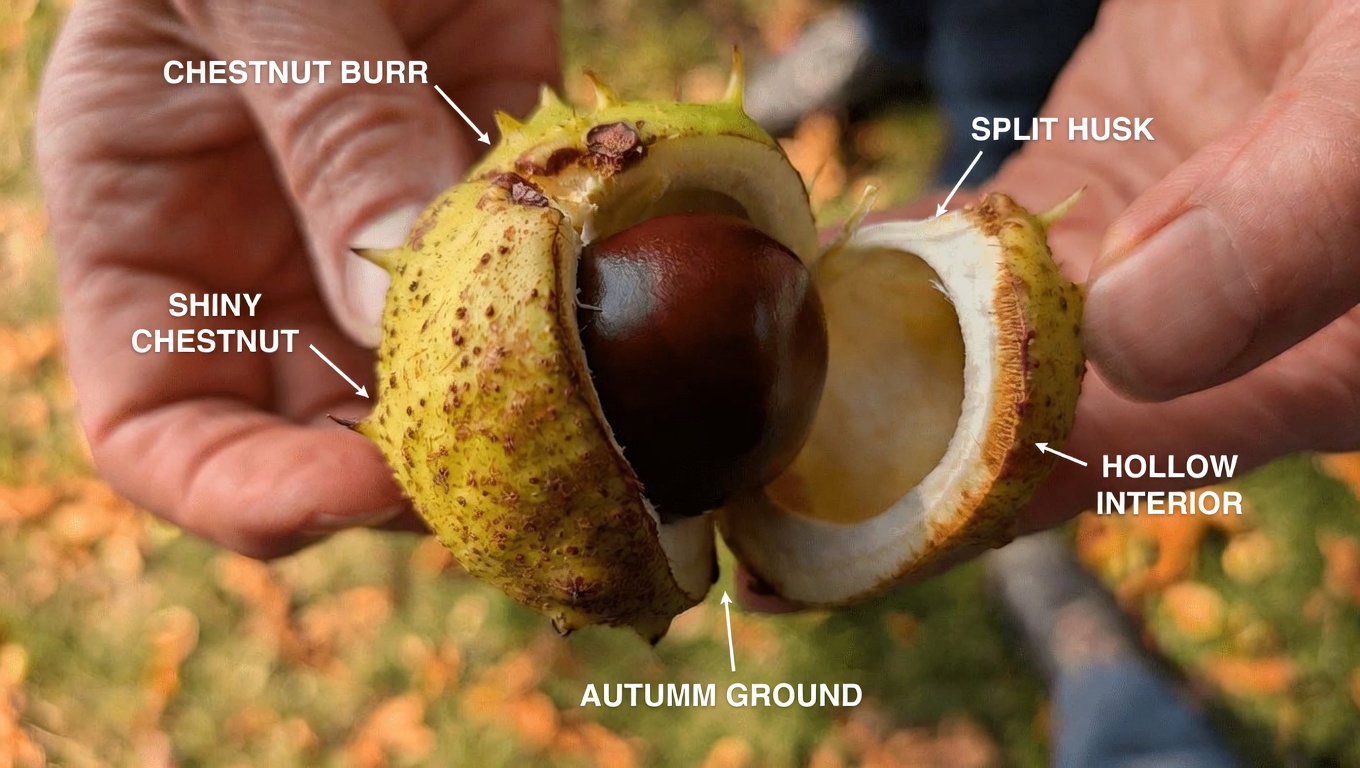
1. Horse Chestnut: A Leading Choice for Vein Support
Horse chestnut seed extract has long been used in Europe as a traditional option for vein health. Its best-known active compound is aescin, which is the main reason it appears so often in circulation research. Studies suggest it may help support normal vein tone and may assist with occasional swelling and discomfort linked to common circulation issues.
Many people prefer standardized extracts because they provide a reliable amount of aescin. Capsules are especially common, and some users combine horse chestnut with regular walking as part of a daily leg-support routine.
Helpful tips for using horse chestnut
- Look for supplements standardized to 20% aescin
- Research often mentions amounts around 300 mg daily, but always follow the product label
- Drink enough water to support natural fluid balance
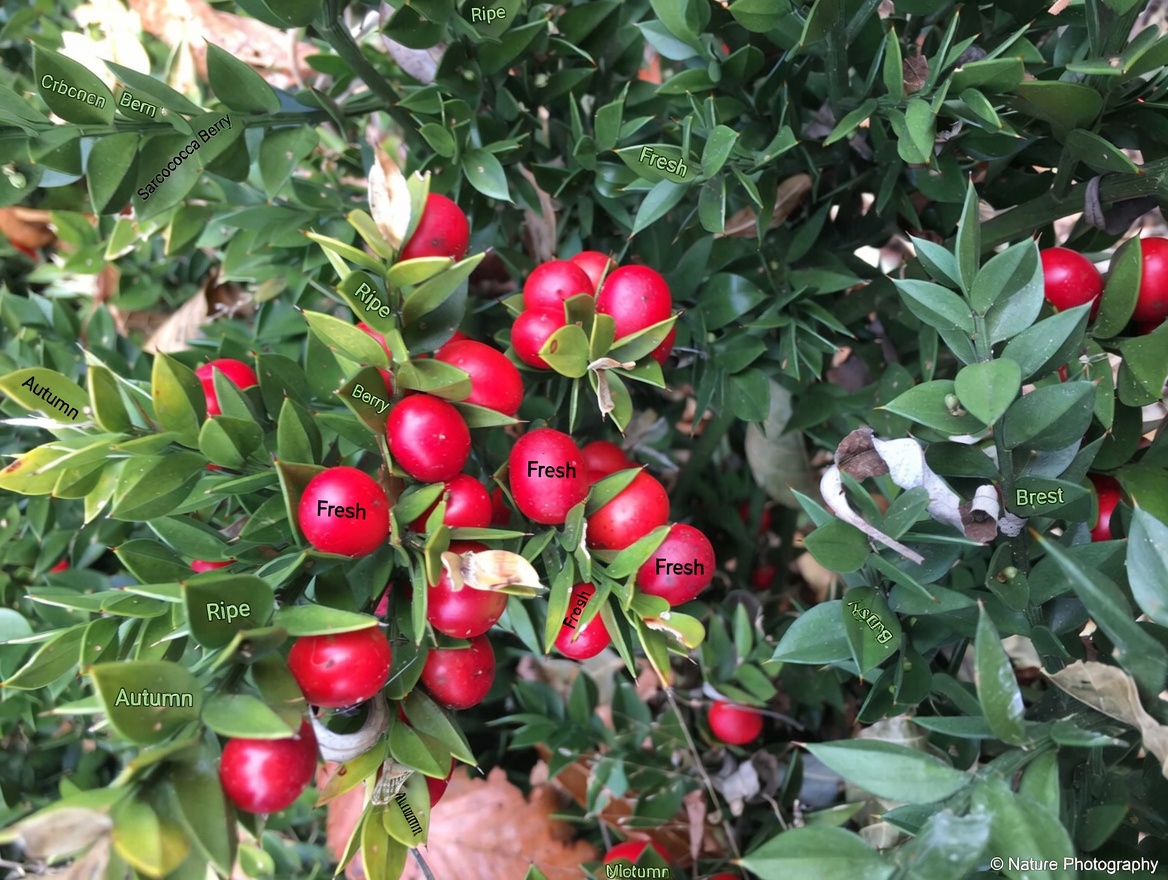
2. Butcher’s Broom: A Traditional Herb for Tired, Heavy Legs
Butcher’s broom is a hardy evergreen shrub with a long history of use for circulation support. Its active compounds, known as ruscogenins, have been studied for their potential to support vein constriction and encourage smoother blood movement. It is often discussed in connection with chronic venous discomfort, especially the sensation of heavy, tired legs after a long day.
This herb is commonly included in combination formulas with vitamin C and hesperidin, and some research suggests that pairing may improve comfort. It is available in capsules, teas, and topical products.
Why butcher’s broom is popular
- May help with occasional swelling and leg fatigue
- Easy to find in capsule form
- Traditionally used alongside simple habits like elevating the legs in the evening
3. Gotu Kola: The Herb for a Lighter Feeling in the Legs
Gotu kola, also called Centella asiatica, is a leafy herb widely used in traditional Asian wellness practices. It is often chosen to support healthy circulation and skin comfort in the lower legs. Smaller studies suggest its triterpenoids may help maintain the strength of vein walls and support a lighter, less burdened feeling in the legs.
Many people appreciate gotu kola because it is considered a gentle option and fits well with other supportive habits. It can be taken as a tea, used in standardized extracts, or even added fresh to smoothies in some cases.
Simple ways to use gotu kola
- Drink it as a mild tea once or twice a day
- Choose extracts standardized for triterpenes
- Pair it with light stretching or walking for added comfort
4. Ginger: A Warming Herb for Everyday Circulation
Ginger is one of the easiest herbs to include in daily life because it is already a common kitchen ingredient. Its active compounds, called gingerols, have been studied for their potential to support blood vessel relaxation and help calm everyday inflammation that can influence circulation. Many people enjoy ginger because it feels warming and soothing.
Research has pointed to ginger’s possible role in promoting healthy overall blood flow, making it a favorite for those who want a simple herb they can use regularly. Fresh ginger tea, in particular, has become a daily ritual for many people.
Easy ginger habits to try
- Slice fresh ginger and steep it in hot water for about 10 minutes
- Add lemon for taste and extra antioxidant support
- Drink 1 to 2 cups on most days for steady, gentle support
5. Cayenne Pepper: A Spicy Option for Better Blood Flow
Cayenne pepper is rich in capsaicin, the compound responsible for its heat. Research links capsaicin with nitric oxide production, which may help blood vessels relax. Because of this, cayenne is often chosen to support circulation throughout the body, including in the legs where gravity makes blood return more difficult.
Many people begin with small amounts, either in meals or in capsules, since cayenne can be quite strong. It is inexpensive, widely available, and easy to work into everyday eating habits.
How to start with cayenne
- Add a small pinch to soups, eggs, or other meals
- Choose capsules if you prefer to avoid the spicy taste
- Stay consistent, as small daily amounts may feel more noticeable over time
Quick Comparison of the 5 Herbs
Here is a simple overview of how these herbs compare:
| Herb | Main Studied Benefit | Common Forms | Best For |
|---|---|---|---|
| Horse Chestnut | Vein tone and occasional swelling support | Capsules, creams | Structured vein support |
| Butcher’s Broom | Leg comfort and reduced heaviness | Capsules, tea | Daily tired-leg relief |
| Gotu Kola | Vein wall support | Tea, extract | Gentle long-term use |
| Ginger | Warming circulation support | Fresh tea, powder | Easy everyday use |
| Cayenne Pepper | Blood vessel relaxation | Powder, capsules | Those who enjoy spicy options |
This comparison makes it easier to match a herb to your preferences and routine.
How to Use These Herbs Safely and Effectively
Herbs can be helpful, but they tend to work best as part of a broader wellness approach rather than as quick fixes.
Practical tips
- Start slowly: Begin with the lowest recommended amount and allow 4 to 6 weeks to notice subtle changes
- Add movement: Short walks, ankle circles, or 15 minutes of leg elevation can complement herbal support
- Stay hydrated: Good hydration supports circulation; a common target is about half your body weight in ounces of water per day
- Choose quality products: Look for supplements that are third-party tested and clearly standardized
- Pay attention to how you feel: Keep a simple note of leg comfort, swelling, or heaviness over time
One point people often overlook is that herbs tend to be most effective when combined with supportive habits, such as wearing compression socks during travel or elevating the legs while resting.
Lifestyle Habits That Complement Herbal Circulation Support
A few everyday choices can work hand in hand with herbs to improve leg comfort:
- Eat plenty of colorful fruits and vegetables rich in flavonoids, such as berries, citrus fruits, and leafy greens
- Avoid sitting with your legs crossed for long periods
- Consider compression stockings for long flights or desk-heavy workdays
- Maintain a healthy weight to reduce pressure on the veins
Final Thoughts: Small Changes Can Improve Leg Comfort
Horse chestnut, butcher’s broom, gotu kola, ginger, and cayenne have remained popular because they are easy to access, rooted in long-standing traditional use, and supported by growing modern research on circulation and vein comfort. The most effective approach is usually a thoughtful one: choose one or two herbs that fit naturally into your lifestyle, combine them with movement and hydration, and speak with your healthcare provider before starting anything new.
Your legs carry you through every stage of life. Giving them steady, gentle support can make a real difference in daily comfort.