6 Everyday Herbs That May Support Better Circulation and Healthy Blood Flow
Each year, as many as 900,000 Americans experience venous thromboembolism, according to the CDC. Yet for many people, circulation changes do not seem serious at first. It may begin as mild calf tension after hours of sitting, a heavy sensation in the legs when standing up, or unusual fatigue that makes a short walk feel more difficult than expected. Over time, those small warning signs can become harder to ignore.
The encouraging news is that several familiar culinary herbs and traditional plant remedies may provide gentle daily support for blood vessel function, circulation, and balanced clotting activity when combined with healthy lifestyle habits.
You may already have some of these in your spice rack or tea cabinet. In this guide, you will learn how six often-overlooked herbs can be used in a practical, science-aware way to support circulation naturally.
Why Circulation Concerns Often Increase After 40
After age 40, everyday routines often change. Many people spend more time sitting at a desk, move less during the day, and experience age-related shifts in blood vessel flexibility. Health data consistently shows that circulation-related issues become more common with age, which is why leg heaviness, aching, or fatigue during basic activities can start to feel more noticeable.
This is not only about discomfort. Sluggish circulation may also show up as:
- Occasional swelling
- Muscle cramps
- Tired legs after light activity
- Lingering fatigue even after resting
A lot of people try common strategies such as:
- Compression socks
- Walking more often
- Elevating the legs
- Doctor-recommended treatments
Even so, many still look for a simple, natural way to support circulation day by day.
Researchers have become increasingly interested in certain herbs because they may help:
- Encourage healthy blood vessel relaxation
- Reduce everyday oxidative stress
- Support balanced platelet activity
- Promote smoother blood flow
These options are not a replacement for medical care, but they may work well alongside a healthy routine.
How Herbs May Help Support Vascular Health
Plant compounds can have a meaningful impact on circulation. Many herbs contain:
- Flavonoids, which may support blood vessel flexibility
- Antioxidants, which help protect cells from daily stress
- Mild anti-inflammatory compounds, which may soothe vessel walls
- Natural modulators, which may help blood move more efficiently
Studies often associate higher intake of flavonoid-rich herbs and foods with better vascular comfort and improved vessel function over time. That is one reason traditional herbs are gaining renewed attention in modern wellness discussions.
A Real-Life Example: John’s Experience
John, a 58-year-old retired mechanic from Ohio, had been dealing with heavy legs and occasional calf tightness for years.
He described it simply: by the middle of the afternoon, his legs felt exhausted. Standing outside cooking or taking the dog for a walk left him drained. After one episode of swelling, he decided to add food-based herbal support while continuing to follow his doctor’s advice.
His routine included:
- A little cayenne added to meals
- Hawthorn tea each day
- Consistent use of black seed oil
After about three weeks, John noticed his legs felt lighter and his energy seemed to last longer. By the second month, people around him commented that he moved more comfortably.
His words were straightforward: it felt as if his circulation had finally become more active again.
While this is only one personal story, it reflects what many people report when they use supportive herbs consistently rather than occasionally.
6 Herbs That May Help Promote Healthier Circulation
Below are six herbs that have drawn attention for their potential role in circulation support. Each offers different plant compounds that may contribute to blood vessel health and steady blood flow.
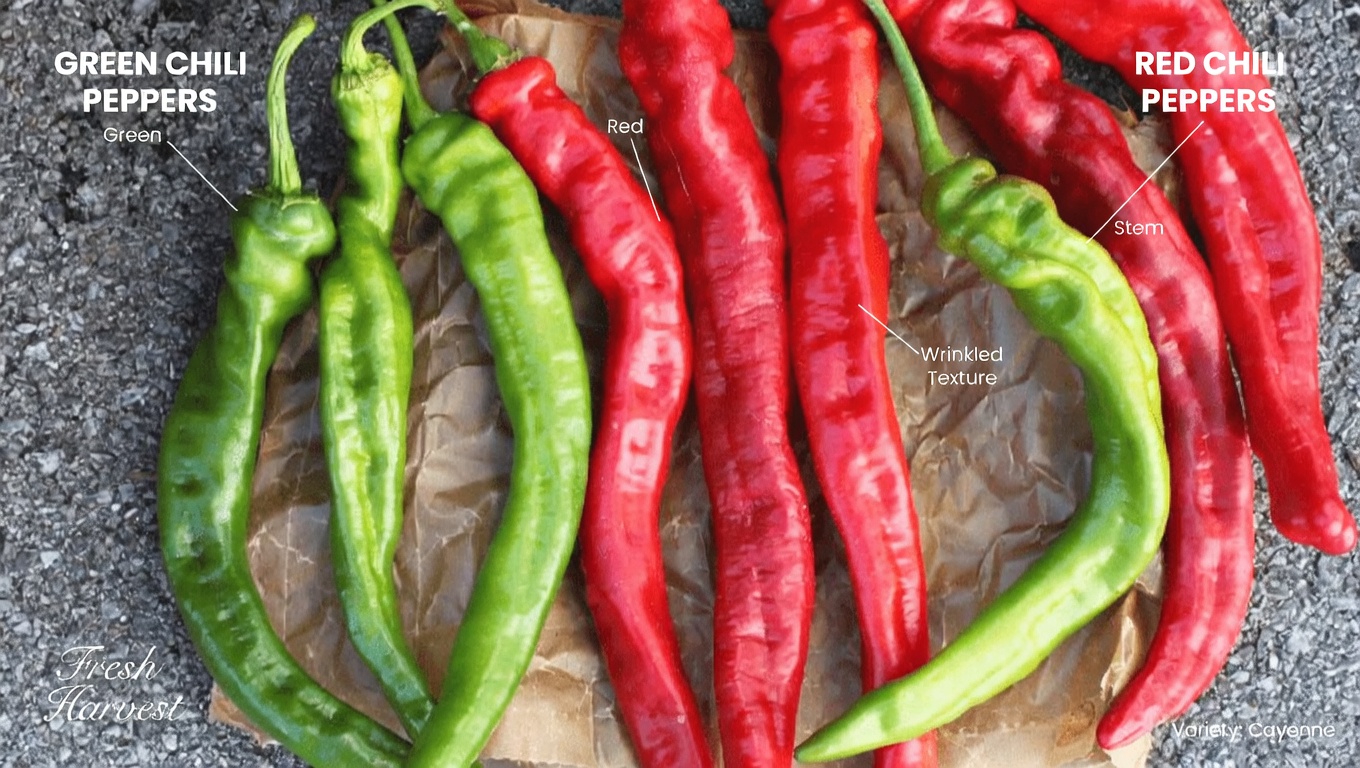
1. Cayenne: A Warming Boost for Blood Flow
Cayenne gets its heat from capsaicin, a compound that has been studied for its potential to help blood vessels relax and encourage circulation.
People who use cayenne regularly often say they notice:
- Warmer feet and hands
- Less leg heaviness after sitting
- A subtle feeling of improved circulation
Even a small amount added to meals may be enough to make it part of a daily habit.
2. Hawthorn: Classic Support for the Heart and Vessels
Hawthorn berries, flowers, and leaves are rich in flavonoids, which may help support healthy vessel tone and efficient cardiovascular function.
Research and traditional use suggest hawthorn may help with:
- Blood vessel relaxation
- Everyday circulation comfort
- Reduced fatigue during normal activity
Many people prefer it as a tea, making it one of the easiest herbs to include regularly.
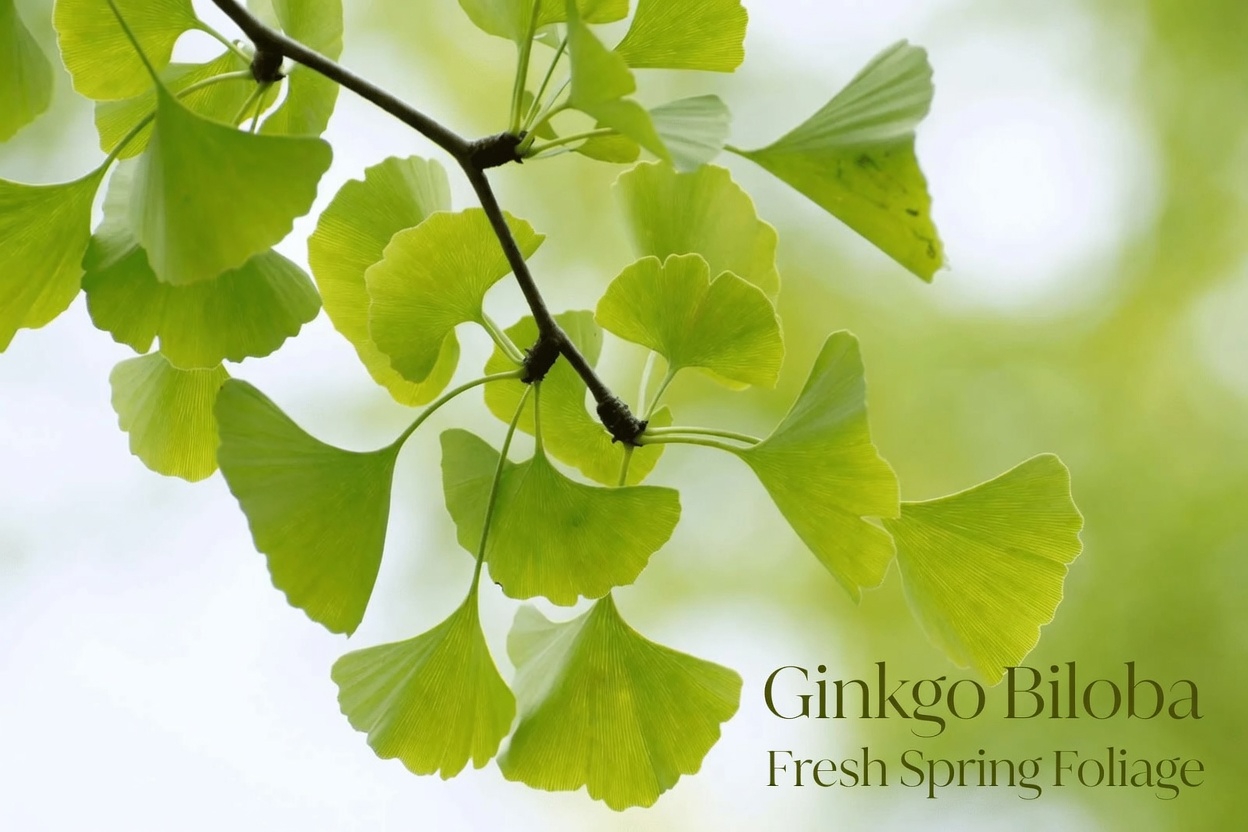
3. Ginkgo: Support for Small-Vessel Circulation
Standardized ginkgo extracts are well known for their potential effects on microcirculation, especially in the brain and lower limbs.
Studies suggest ginkgo may help:
- Improve delivery of oxygen to tissues
- Support circulation in smaller blood vessels
- Reduce platelet stickiness
Users often report warmer extremities and more stable energy when using it consistently.
4. Basil: A Simple Culinary Herb With Daily Benefits
Sweet basil contains eugenol, a natural compound linked in lab research to blood vessel relaxation and a calmer inflammatory response.
Basil may be a useful choice because it is:
- Easy to add to meals
- Flavorful and versatile
- A gentle everyday option for circulation support
Fresh basil in salads, sauces, or soups is an effortless way to include it.
5. Red Clover: Plant-Based Support for Vessel Flexibility
Red clover contains natural isoflavones, which have been studied for their possible role in reducing arterial stiffness and supporting elasticity.
Preliminary findings suggest red clover may help with:
- Healthier vessel flexibility
- Smoother blood flow
- More balanced vascular response
It is commonly used as a tea and is often chosen for long-term wellness routines.
6. Black Seed: Antioxidant Protection for Blood Vessels
Black seed, also known as Nigella sativa, contains thymoquinone, a compound valued for antioxidant activity and possible support for balanced clotting processes.
People often use black seed in the form of:
- Oil
- Capsules
- Whole seeds added to meals or smoothies
Its appeal lies in its convenience and broad wellness reputation.
Easy Ways to Use These Herbs Every Day
If you want to make these herbs part of your routine, start simply. Small, repeatable habits are usually more effective than taking large amounts for a few days and then stopping.
A simple daily starter plan
- Morning: Add a pinch of cayenne to eggs, oatmeal, or a savory breakfast.
- Midday: Drink a cup of hawthorn tea or red clover tea after lunch.
- Dinner: Mix fresh or dried basil into salads, soups, pasta sauces, or roasted vegetables.
- Supplement option: Take standardized ginkgo or black seed products with food, following the label instructions.
- Consistency tip: Focus on using small amounts daily rather than overdoing it.
Always check with a healthcare professional before using herbal supplements, especially if you take blood thinners or other medications.
Quick Self-Check: Track Your Progress
Before you begin, rate your current leg comfort on a scale from 1 to 10:
- 1 = very heavy, tired, uncomfortable legs
- 10 = light, energized, comfortable legs
Write your number down. Many people say they notice a 2- to 3-point improvement after 3 to 4 weeks of consistent use, especially when herbs are paired with movement, hydration, and a balanced diet.
Common Problems and How Herbal Support May Complement Them
| Issue | Typical Approach | Potential Herbal Support |
|---|---|---|
| Leg heaviness or swelling | Compression socks, elevation | Daily antioxidants and support for vessel relaxation |
| Low circulation and fatigue | More walking, prescribed care | Mild circulation support and better oxygen delivery |
| Vessel stiffness | Lifestyle changes, monitoring | Isoflavones and flavonoids that may support flexibility |
| Clotting concerns | Doctor-guided medications | Support for balanced platelet activity alongside medical care |
This comparison highlights an important point: herbs may complement healthy strategies, but they should not replace professional treatment.
What Timeline Do Most People Follow?
Results are usually gradual. A realistic pattern often looks like this:
Weeks 1 to 2
- Start with small amounts
- Try cayenne and one tea such as hawthorn
- Look for subtle warmth and a slight reduction in heaviness
Weeks 3 to 4
- Add more of the herbs consistently
- Build a regular daily pattern
- Many people notice better endurance and fewer “heavy leg” moments
Month 2 and beyond
- Keep the routine simple and sustainable
- Benefits may become more noticeable with consistency
- Daily movement often feels easier and more comfortable
The Key Benefit Many People Overlook: Synergy
One major reason these herbs may work well together is synergy.
Each herb contributes something slightly different:
- Cayenne adds warmth and stimulation
- Hawthorn supports vessel tone and heart function
- Ginkgo may help with small-vessel flow
- Basil offers daily culinary support
- Red clover may encourage flexibility
- Black seed provides antioxidant protection
Together, they may offer broader support than relying on a single herb alone.
For even better absorption, pair herbs with healthy fats such as:
- Olive oil
- Avocado
- Nuts
- Seeds
5 Simple Steps to Start Today
1. Choose two herbs first
Begin with the easiest options, such as cayenne and hawthorn, so the habit feels manageable.
2. Use them daily
A pinch of cayenne and one cup of tea each day is enough to establish consistency.
3. Track how your legs feel
Write down your comfort score now, then check again after 2 and 4 weeks.
4. Add more herbs gradually
Once the first two feel easy, include basil in meals and consider red clover, ginkgo, or black seed.
5. Stay smart and safe
If you take medications, especially anything related to blood pressure or clotting, talk to your healthcare provider before starting supplements.
Frequently Asked Questions
How long does it take to notice a difference?
Some people notice subtle changes within 1 to 2 weeks, but more meaningful improvements are often reported after 3 to 4 weeks of regular use.
Can I use all six herbs together?
Many people do, but it is best to start slowly. Introduce one or two first, then build up as needed.
Are these herbs a replacement for medical treatment?
No. These herbs are intended as supportive lifestyle tools, not substitutes for diagnosis, treatment, or prescribed medications.
What is the easiest herb to start with?
Cayenne, basil, and hawthorn are often the easiest because they fit naturally into meals and tea routines.
Final Thoughts
If your legs often feel heavy, tight, tired, or sluggish, paying attention now may help you feel more comfortable later. These six herbs offer a practical, food-based way to support circulation, vessel health, and balanced blood flow as part of a larger wellness routine.
Start small. Stay consistent. Track how you feel.
A few simple changes in the kitchen could make daily movement feel noticeably lighter over time.