9 Everyday Foods Linked to Higher Cancer Risk — and 3 Smarter Swaps
That crispy bacon at breakfast, the sugary soda at lunch, and the late-night bag of chips may seem like harmless daily comforts. But over time, these habits can affect the body in ways many people do not immediately notice. Certain foods linked to cancer risk may quietly encourage inflammation, weight gain, and metabolic stress — issues that often show up later as fatigue, low energy, and broader health concerns.
The encouraging part is that better choices do not have to be extreme. Small, realistic food swaps can make a meaningful difference. In this guide, you will learn about nine common foods associated with higher cancer risk and three science-backed alternatives that can help support overall wellness.
Why These Foods Matter Even More After 50
Many foods linked to cancer risk are deeply embedded in modern eating patterns. Research suggests that some of them may promote chronic inflammation, excess body weight, or harmful cellular changes — factors that become more important with age, especially after 50.
Reducing these foods may help your body maintain better balance, more stable energy, and healthier digestion. Many adults in midlife and beyond say they feel lighter and clearer when they make these adjustments. The biggest factor is awareness: small decisions made every day can add up quickly.
Global health authorities, including the World Health Organization, have identified several foods and substances as carcinogenic or probably carcinogenic. At the same time, many of these items are low in fiber and lacking in nutrients that support digestion, immunity, and healthy aging. Once you know which foods deserve more caution, making practical swaps becomes much easier.
The 9 Foods Linked to Cancer Risk to Watch More Closely
1. Processed Meats
Processed meats such as bacon, hot dogs, sausages, and deli meats are among the most concerning foods in this category. The International Agency for Research on Cancer classifies processed meat as a Group 1 carcinogen, placing it in the same cancer-risk category as tobacco in terms of evidence strength.
Large studies have connected regular intake of processed meats with a higher risk of colorectal cancer. For adults over 50, when digestion may already be slowing down, these foods can place extra stress on the body.
Smarter swap:
- Choose grilled chicken
- Try beans, lentils, or tofu
- Keep processed meats as an occasional treat rather than a daily staple

2. Red Meat
Eating large amounts of beef, pork, and lamb has also been linked to higher cancer risk, especially colorectal cancer. Reviews from global health organizations have labeled red meat as probably carcinogenic.
Part of the concern comes from heme iron and from compounds created during cooking, both of which may damage the lining of the gut over time. Many adults over 50 already struggle with low energy or inflammation, and too much red meat may add to that burden.
Smarter swap:
- Limit red meat to under 18 ounces per week
- Build more meals around fish
- Add beans, lentils, or vegetables to the center of the plate
3. Alcohol
Beer, wine, and spirits are also clearly linked to cancer risk. Even moderate alcohol intake has been associated with cancers such as breast, liver, and colorectal cancer. In research, alcohol is classified as a Group 1 carcinogen.
Alcohol can increase estrogen levels and produce harmful byproducts that affect cell health. While many adults over 50 enjoy a drink to relax, regular alcohol use can also quietly interfere with sleep quality, mood, and daily energy.
Smarter swap:
- Drink sparkling water with lemon or berries
- Choose herbal tea
- Save alcohol for rare occasions, if at all
4. Sugar-Sweetened Drinks
Sodas, energy drinks, and sweetened teas may seem harmless, but they can trigger sharp blood sugar spikes and contribute to weight gain and insulin resistance. Both of these are linked with a higher risk of several cancers.
Studies have found that frequent intake of sugary beverages is associated with a greater likelihood of obesity-related cancers. Many adults who cut back on these drinks notice less bloating and steadier energy.
Smarter swap:
- Drink fruit-infused water
- Choose unsweetened tea
- Replace sweet beverages gradually to reduce cravings

5. Ultra-Processed Foods
Chips, packaged cookies, ready-made meals, and highly processed snack foods have become everyday staples for many households. Recent multinational studies suggest that diets high in ultra-processed foods may be linked to higher overall cancer rates.
These foods often crowd out more nutritious choices and may contribute to chronic low-grade inflammation. They are convenient, but many adults notice they feel sluggish after eating them regularly.
Smarter swap:
- Make simple homemade snacks with whole ingredients
- Keep fresh fruit, nuts, yogurt, or hummus on hand
- Choose foods with short, recognizable ingredient lists
6. Fried Foods
Foods like French fries, doughnuts, and deep-fried snacks may increase cancer concerns through more than one pathway. Frying can create compounds such as acrylamide and advanced glycation end products, both of which have been studied for possible links to cancer and inflammation.
Fried foods also tend to support weight gain, which is itself a recognized cancer risk factor. For adults over 50 trying to maintain a healthy weight, these foods can make progress harder.
Smarter swap:
- Bake instead of deep-frying
- Use an air fryer
- Choose grilled options for a similar savory flavor
7. Charred or Burnt Foods
When meats or starchy foods are cooked until blackened or heavily charred, they can form heterocyclic amines (HCAs) and polycyclic aromatic hydrocarbons (PAHs). These compounds have been linked in studies to DNA damage and higher cancer risk.
This is especially relevant for people who grill often and may not realize that burnt edges are more than just a flavor issue.
Smarter swap:
- Cook at lower temperatures
- Use herb-based marinades
- Cut away blackened or heavily charred sections before eating

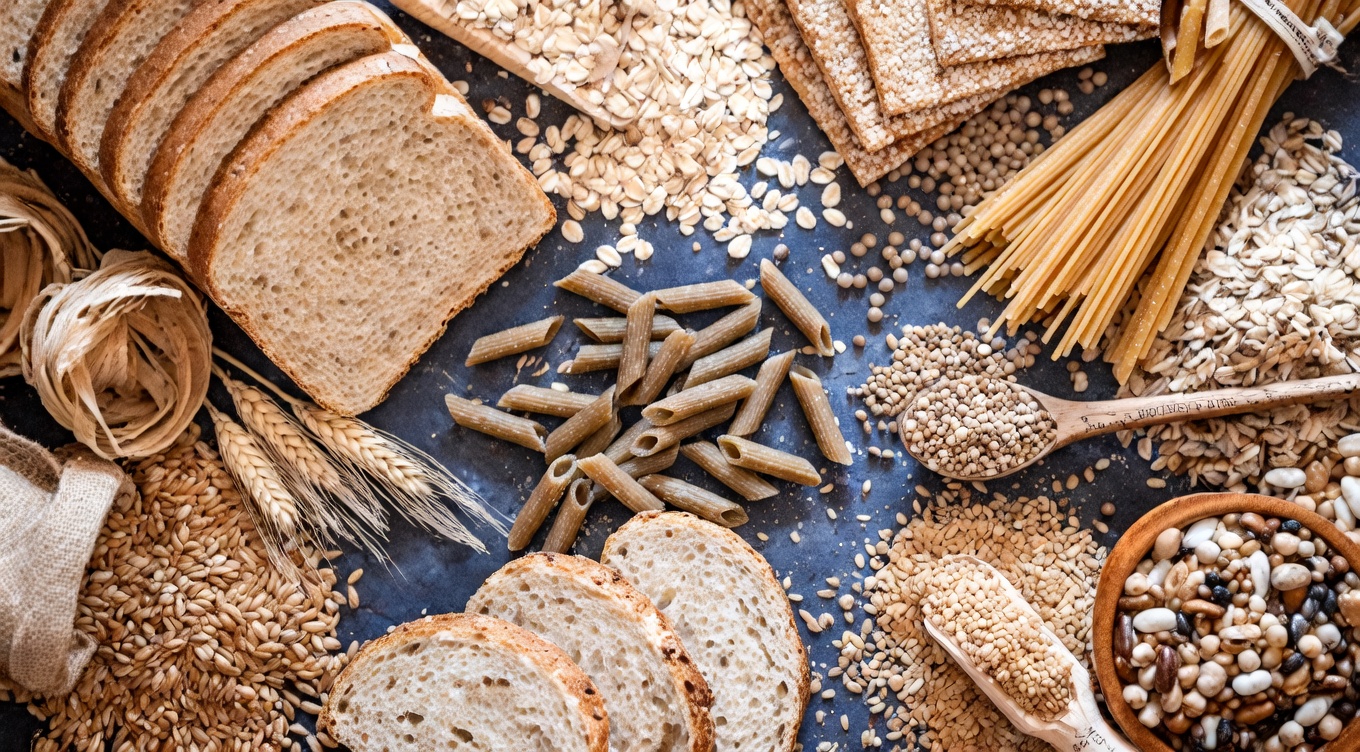
8. Refined Carbohydrates and White Bread
White bread, regular pasta, pastries, and sugary cereals can cause rapid blood sugar swings. Over time, these spikes may contribute to insulin resistance, which has been connected to several types of cancer.
These refined foods are also low in fiber, and fiber plays an important role in digestion and the removal of waste products from the body. Many adults over 50 notice that refined carbs leave them hungry again quickly and lead to energy crashes.
Smarter swap:
- Choose whole grain bread and pasta
- Use vegetables as a meal base when possible
- Look for higher-fiber breakfast options
9. High-Sodium Preserved Foods
Canned soups, salted snacks, cured foods, and preserved packaged items may contribute to fluid retention and inflammation. Over time, research suggests that high-sodium diets may play a role in raising cancer risk in certain contexts.
These foods are common in busy households because they are convenient and shelf-stable, but they are also among the easiest to replace.
Smarter swap:
- Buy low-sodium versions
- Flavor meals with herbs and spices
- Use more fresh ingredients when possible
Side-by-Side: Higher-Risk Foods vs. Better Choices
| Food Linked to Cancer Risk | Possible Effect Over Time | Smarter Choice |
|---|---|---|
| Processed meats | Higher colorectal cancer concerns | Grilled chicken or beans |
| Red meat | Gut lining stress | Fish or plant proteins |
| Alcohol | Multiple cancer links | Sparkling water with fruit |
| Sugary drinks | Weight gain and insulin spikes | Infused water or herbal tea |
| Ultra-processed snacks | Chronic inflammation | Fresh fruit and nuts |
| Fried foods | Acrylamide formation | Baked or air-fried foods |
| Charred meats | Harmful compound exposure | Marinated, lower-heat cooking |
| Refined carbs | Blood sugar instability | Whole grains or vegetables |
| High-sodium preserved foods | Fluid retention and inflammation | Low-sodium, herb-seasoned options |
3 Smarter Swaps That Support Wellness
1. Choose Whole-Food Snacks Instead of Processed Snacks
Replace chips or cookies with more nourishing options such as:
- Apple slices with nut butter
- Carrot sticks with hummus
- Fresh fruit with a handful of nuts
These choices help reduce processed food intake while adding fiber and nutrients that support gut health, which becomes increasingly important after 50.
2. Use More Plant Proteins in Place of Red and Processed Meat
Adding lentils, chickpeas, beans, tempeh, or tofu to your weekly routine can help reduce inflammation and lower exposure to some of the compounds found in processed and red meats.
Easy ways to start:
- Add lentils to soup
- Use chickpeas in salads
- Replace one or two meat-based dinners each week with plant-based meals
3. Replace Sugary or Alcoholic Drinks with Hydrating Alternatives
Switching from soda or wine to water, herbal tea, or sparkling water with citrus is one of the simplest improvements you can make. This small habit may support healthier weight control, more stable energy, and better hydration.
Good options include:
- Sparkling water with lemon or lime
- Unsweetened iced tea
- Herbal infusions served hot or cold
Final Takeaway
Many foods linked to cancer risk are common, familiar, and easy to overlook. But everyday habits matter. Processed meats, excess red meat, alcohol, sugary drinks, ultra-processed foods, fried items, charred foods, refined carbs, and high-sodium preserved products can all contribute to a less supportive internal environment over time.
The goal is not perfection. It is progress. By making a few practical swaps — like choosing whole foods, using more plant proteins, and drinking more hydrating beverages — you can build a plate that better supports long-term health and overall wellness.