
Mulberry Leaf: A Simple Natural Remedy for Blood Sugar, Blood Pressure, Cholesterol, and Body Pain
More than 38 million Americans live with diabetes, and nearly half of adults over 60 deal with high blood pressure. These widespread conditions often don’t come alone—many people also struggle with body aches, high cholesterol, and poor circulation.
What if one natural remedy could support several of these issues at the same time?
Meet mulberry leaf—a modest plant ingredient with a long history in traditional medicine and growing modern interest for its potential to help stabilize blood sugar, reduce inflammation-related pain, support healthier cholesterol levels, and promote better circulation.
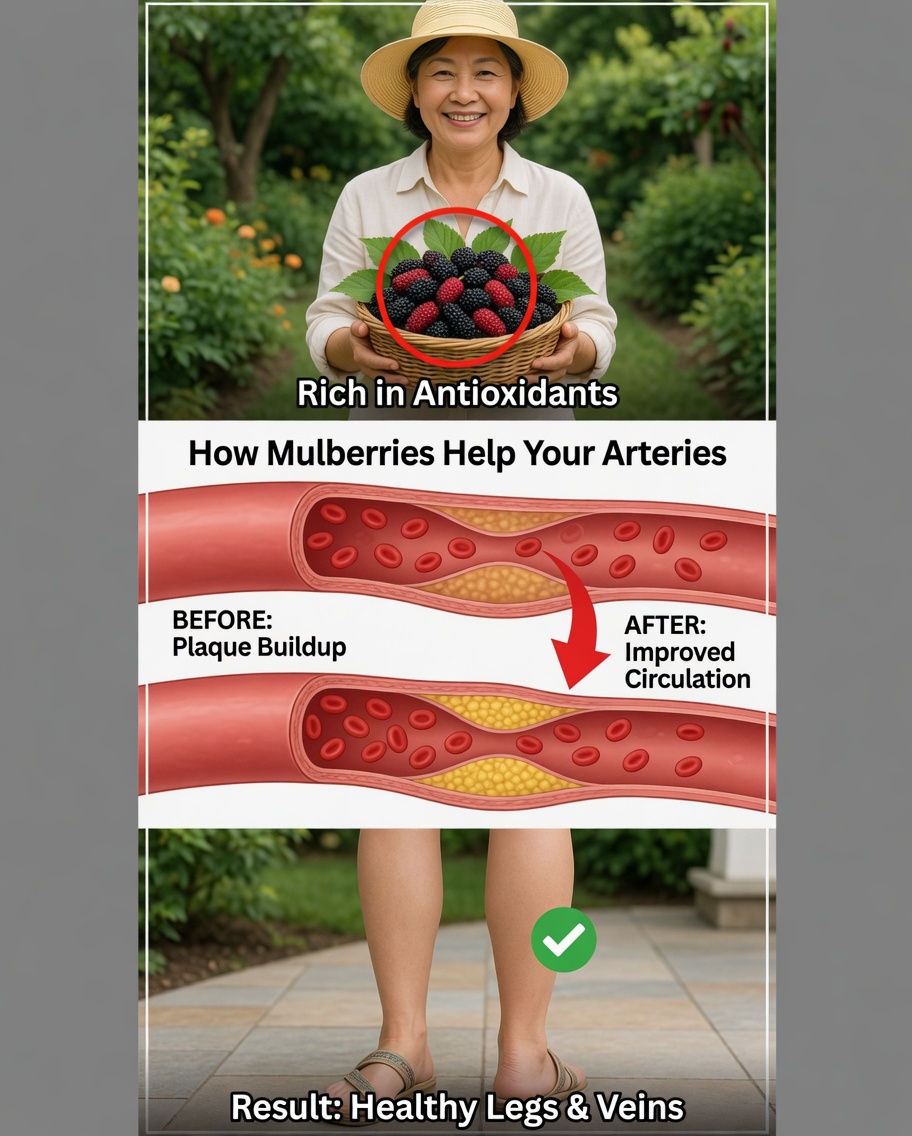
Why Health Problems Often Intensify After 40 (and Why “Standard Fixes” Can Feel Incomplete)
Aging brings normal body changes, but after the 40s and 50s, several shifts can stack up:
- Insulin resistance may increase, raising the risk of blood sugar spikes.
- Arteries can become less flexible, affecting blood pressure and circulation.
- Chronic, low-grade inflammation can rise due to stress, diet, and metabolic strain.
- Circulation may slow, contributing to fatigue, swelling, and discomfort.
Research and surveys commonly show that a large share of adults over 50 report joint or muscle discomfort, often connected to metabolic factors. At the same time, diabetes, high cholesterol, and hypertension frequently overlap—creating a complex health picture.
Many people follow the usual advice—improving diet, exercising, and taking medication—yet still see persistent challenges like unstable blood sugar, stubborn cholesterol numbers, or recurring aches. One reason is that conventional treatments often focus on one issue at a time, while these problems can be tightly interconnected.
This is where mulberry leaf stands out as a potential “multi-target” option.
The Power of Mulberry Leaf: Nature’s Multi-Tasking Support
Mulberry leaf has been used for centuries in traditional Chinese and Vietnamese medicine. Today, scientific interest focuses on its natural compounds, including:
- 1-deoxynojirimycin (DNJ)
- Flavonoids
- Polyphenols
- Polysaccharides
These bioactive components are being studied for their role in supporting blood sugar balance, cardiovascular health, lipid levels, and inflammation control.
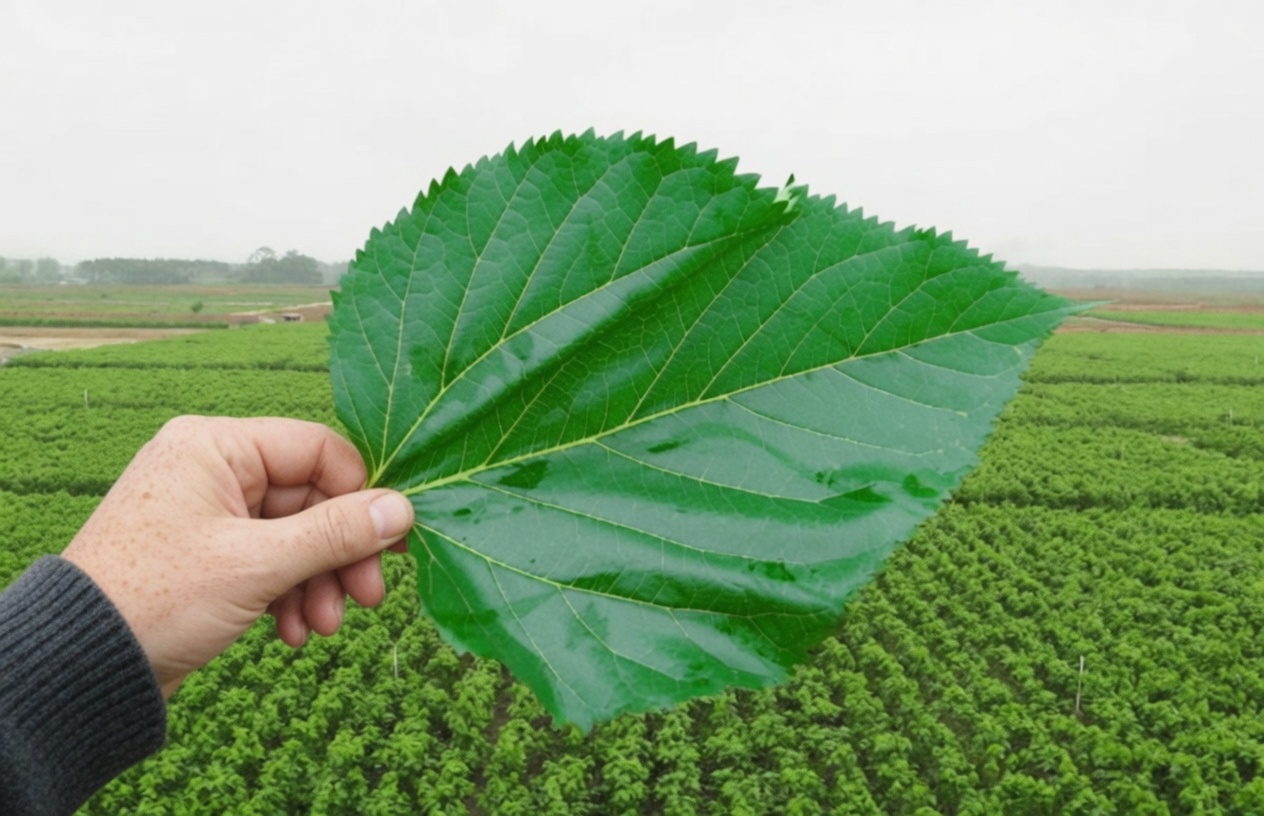
What Research Suggests Mulberry Leaf May Help With
1) Blood Sugar Balance
Mulberry leaf may help slow carbohydrate breakdown and glucose absorption in the digestive tract. This can be especially helpful for reducing post-meal blood sugar spikes. Human studies have reported encouraging outcomes, particularly with regular use.
2) Blood Pressure and Circulation Support
Its antioxidants may help support blood vessel function and elasticity, which can contribute to healthier circulation and more stable blood pressure. Animal studies have shown beneficial effects related to heart health and blood flow.
3) Healthier Cholesterol Levels
Some studies suggest mulberry leaf may help:
- Lower LDL (“bad”) cholesterol
- Reduce triglycerides
- Support higher HDL (“good”) cholesterol
Together, these changes can improve the overall lipid profile.
4) Body Pain and Inflammation
Mulberry leaf polyphenols act as antioxidants and may help reduce oxidative stress, supporting a healthier inflammatory response. This can be relevant for people experiencing aches and discomfort linked to metabolic strain.
5) Broader Metabolic Support
Mulberry leaf may also support insulin sensitivity, which is a key factor in managing diabetes and reducing the likelihood of related complications.
How to Use Mulberry Leaf Safely (Simple, Practical Options)
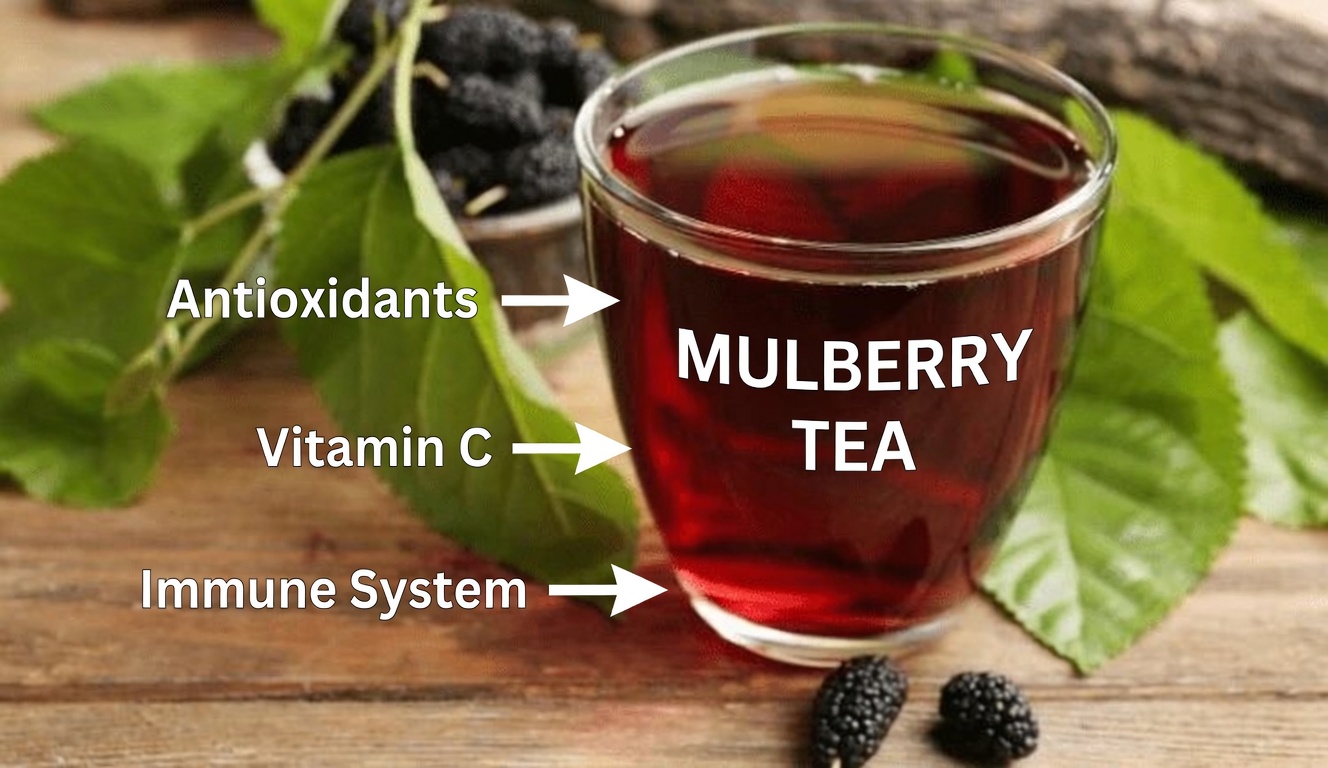
1) Mulberry Leaf Tea
A classic, accessible method:
- Add 1–2 teaspoons of dried mulberry leaves to hot water.
- Steep for 5–10 minutes.
- Drink 1–3 cups daily, ideally with meals to support blood sugar management.
2) Mulberry Leaf Powder or Extract
For convenience, mulberry leaf is also available as:
- Powder (easy to blend into smoothies)
- Capsules/extracts, often 500–1000 mg
Follow label directions, and choose reputable products.
3) Consistency Matters
Natural approaches typically work best when used regularly. Aim to make mulberry leaf part of a routine—while pairing it with a balanced diet for better overall results.
Mulberry Leaf vs. Common Alternatives (Quick Comparison)
-
Blood sugar
- Mulberry leaf: may reduce post-meal spikes by slowing glucose absorption
- Prescription options: often strong, direct glucose-lowering effects
- Other herbs: usually mild support (example: cinnamon)
-
Blood pressure
- Mulberry leaf: may support vessel relaxation and elasticity
- Prescription options: designed to target blood pressure directly
- Other herbs: effects vary
-
Cholesterol
- Mulberry leaf: may improve LDL/HDL balance
- Prescription options: statins and other medications can significantly reduce cholesterol
- Other herbs: some supportive options (example: garlic)
-
Inflammation and discomfort
- Mulberry leaf: antioxidant support may reduce oxidative stress and aches
- Prescription options: depends on the medication type
- Other herbs: anti-inflammatory support (example: turmeric)
-
Accessibility
- Mulberry leaf: natural, affordable, widely available
- Prescription options: require medical access and oversight
- Other herbs: commonly available in stores
Bonus tip: Brew a stronger batch, chill it, and enjoy it as iced mulberry leaf tea—refreshing and still effective.
Real-Life Experiences: How People Use Mulberry Leaf
Lan (58): Better Blood Sugar and Less Leg Pain
Lan, a teacher in Vietnam, managed type 2 diabetes and chronic leg discomfort linked to poor circulation. After adding mulberry leaf tea daily, she noticed her glucose readings became more stable. Within weeks, she also felt less swelling and improved mobility.
Robert (62): Improved Cholesterol and Blood Pressure
Robert from Texas dealt with high cholesterol, hypertension, and prediabetes. After using mulberry leaf extract consistently for several months, his lab work showed notable improvements in cholesterol markers and blood pressure—aligning with research interest in mulberry polyphenols for lipid and heart support.
Minh (55): Reduced Joint Pain and More Energy
Minh, an office worker, struggled with persistent joint pain and fatigue related to metabolic issues. After making mulberry tea a daily habit, he reported less discomfort and better mobility, along with improved energy by the second month.
Actionable Steps to Start Today
- Begin with tea: Steep 1–2 teaspoons and drink 1–3 cups/day, ideally with meals.
- Use supplements if preferred: Consider 500–1000 mg capsules or powder, following label directions.
- Stay consistent: Daily use paired with a balanced lifestyle tends to deliver the best results.
Conclusion and FAQs
Mulberry leaf is a promising natural option for people looking to support multiple age-related health concerns at once. Its research-backed compounds may help with blood sugar stability, circulation, cholesterol balance, and inflammation-related discomfort. It’s also affordable, easy to use, and supported by a long tradition of use.
FAQs
-
Can mulberry leaf help lower blood sugar?
Evidence suggests it may help support blood sugar control by slowing glucose absorption and potentially improving insulin sensitivity. -
How often should I drink mulberry leaf tea?
A common routine is 1–3 cups per day, ideally with meals for post-meal blood sugar support. -
Are there side effects or interactions?
Mulberry leaf is generally well tolerated, but if you take medications—especially for diabetes or blood pressure—talk with a healthcare professional before adding it, as it may amplify medication effects.