

Affordable Foods That Can Help Support Muscle Strength After 50
As people age, a slow decline in muscle mass and strength becomes increasingly common. Everyday activities such as lifting shopping bags, getting up from a chair, or walking up stairs may start to feel harder than they once did. This age-related muscle loss, known as sarcopenia, affects many adults over 50 and can reduce mobility, confidence, and independence.
The encouraging part is that nutrition can help. Along with regular movement, simple and low-cost food choices may support muscle health and make a meaningful difference over time.
One of the most affordable foods in the grocery store is also one of the most useful for muscle support. Better yet, it pairs easily with another inexpensive staple to create a practical, protein-rich routine that fits almost any budget.
What Happens to Muscles With Age?
Sarcopenia is the gradual loss of skeletal muscle that often occurs with aging. This change is not only about body composition. It can influence:
- Balance
- Daily energy
- Physical performance
- Stability
- Long-term independence
Studies suggest that after age 50, adults may lose roughly 1% to 2% of muscle mass per year if they do not actively support muscle health through diet and exercise. That is why paying attention to protein intake and physical activity becomes especially important later in life.
A major factor in this process is protein, which plays a central role in maintaining and repairing muscle tissue.
Why Protein Matters More as You Get Older
As the body ages, it becomes less responsive to protein. This is often called anabolic resistance. In simple terms, the body does not use protein as efficiently as it did when younger, so older adults often need more of it to support muscle maintenance.
Research indicates that many older adults may benefit from consuming around 1.0 to 1.2 grams of protein per kilogram of body weight each day. For a person who weighs 150 pounds, that equals about 68 to 82 grams of protein daily.
The good news is that meeting those needs does not require costly powders, bars, or specialty products. Some of the most effective choices are inexpensive pantry staples.
The Standout Budget Protein: Black Beans
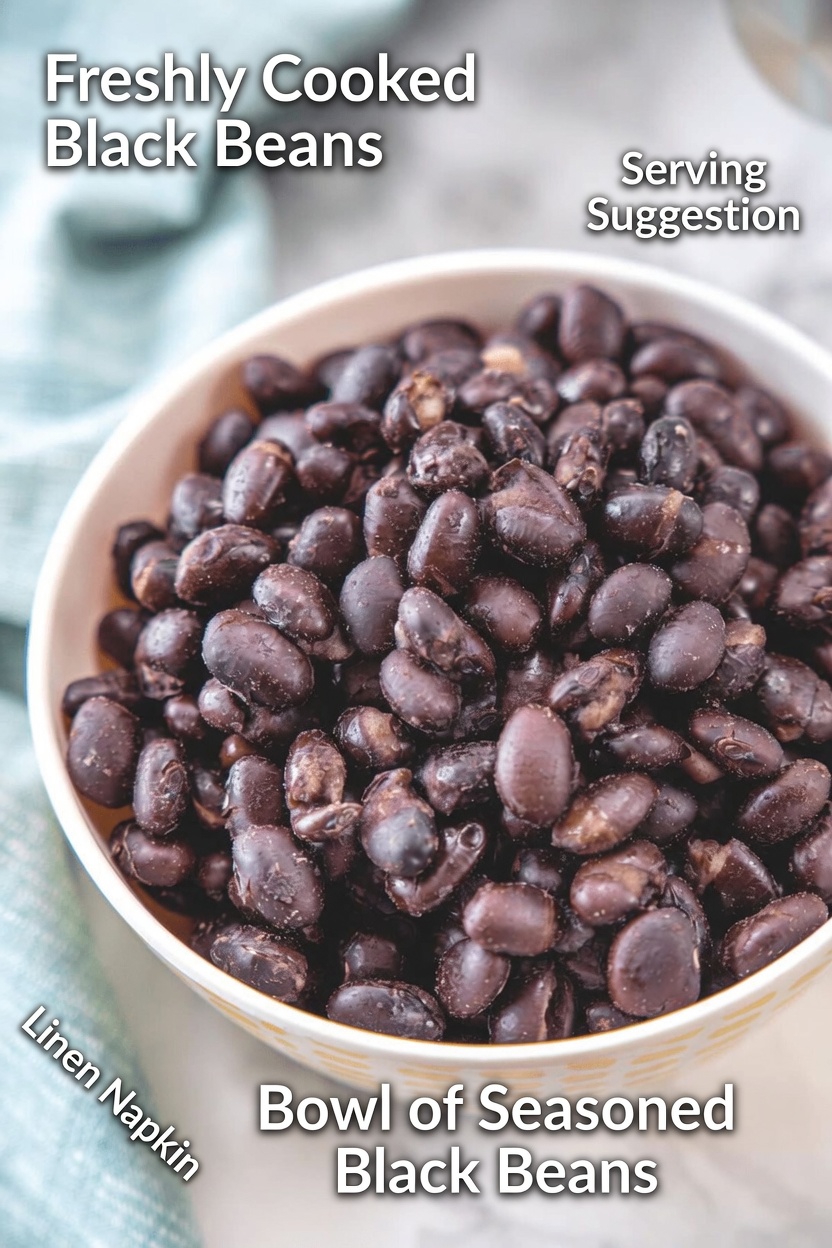
Black beans are one of the best low-cost foods for supporting muscle health. They are affordable, easy to store, and highly nutritious.
One cup of cooked black beans contains about 15 grams of protein, along with:
- Fiber
- Iron
- Magnesium
- Antioxidants
- Other important plant compounds
They cost very little per serving, especially when bought dried, and canned versions are also convenient and budget-friendly. Compared with many animal-based proteins, black beans are often much cheaper and stay fresh much longer in the pantry.
Regularly eating legumes such as black beans may help support muscle mass as part of a balanced diet. Their fiber content also promotes digestive health, which can support better long-term nutrient use.
Why Black Beans Are a Smart Choice
- Provide solid protein at a very low cost
- Contain fiber for digestion and steady energy
- Supply minerals like magnesium and potassium that help muscle function
- Work well in many dishes and cuisines
- Contain less saturated fat than some protein alternatives
Lentils are another excellent low-cost option. One cup of cooked lentils offers around 18 grams of protein, making them another strong addition to a muscle-supportive eating plan.
Another Helpful, Affordable Food: Yogurt
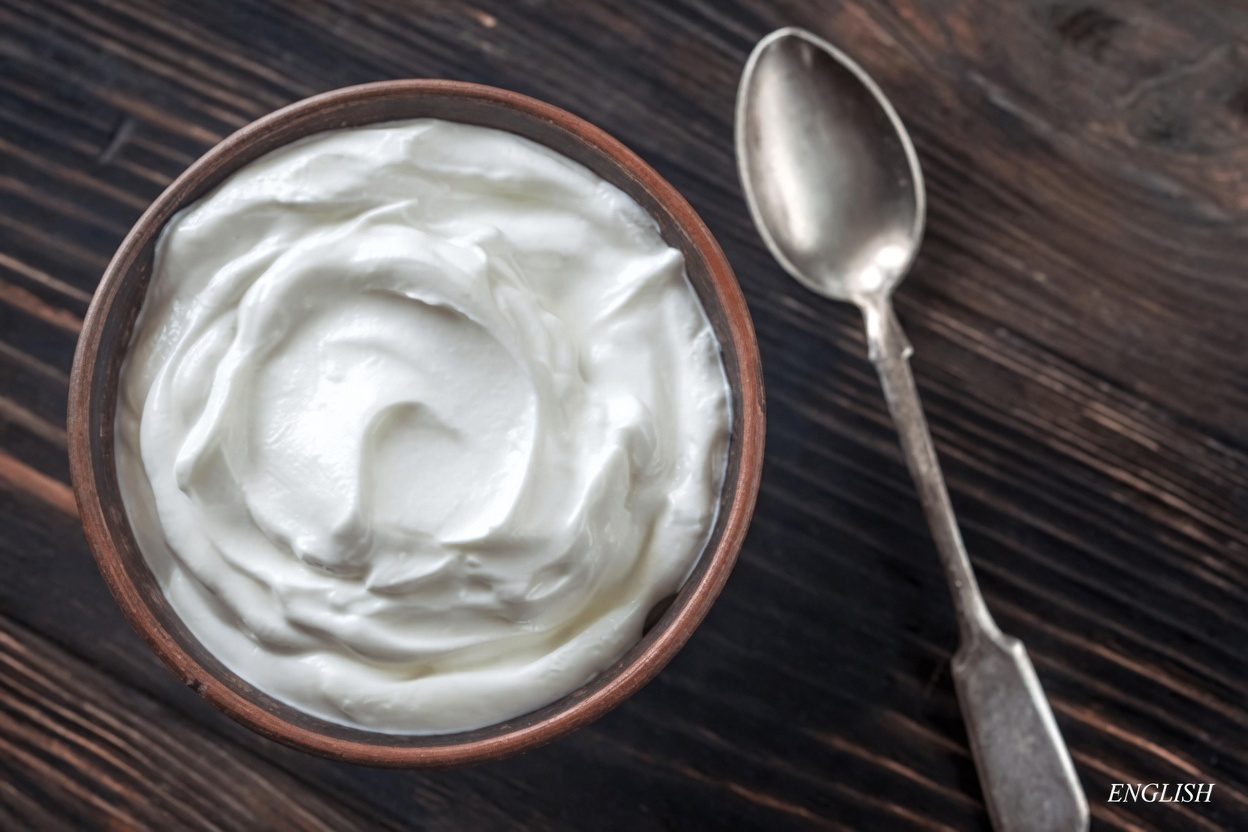
Although black beans are a standout for value, yogurt also deserves attention. Plain yogurt or Greek yogurt provides a simple way to add high-quality protein to meals and snacks.
Depending on the type, one serving of yogurt can provide around 15 to 20 grams of protein, along with:
- Calcium
- Probiotics
- Other nutrients that support overall health
Store-brand yogurts are often reasonably priced, and they require no cooking, which makes them especially convenient.
Combining beans, which provide plant protein, with yogurt, which provides dairy protein, is a practical way to improve overall amino acid intake without spending much.
Easy Ways to Add These Foods to Daily Meals
Improving your diet does not have to mean changing everything at once. Small adjustments can be enough to build a more muscle-friendly routine.
Practical Tips to Start Today
-
Upgrade breakfast
- Add Greek yogurt to oatmeal or fruit.
- Include berries for flavor and extra antioxidants.
-
Prepare bean-based lunches
- Make a large batch of black bean soup, chili, or salad.
- Combine beans with vegetables, olive oil, and herbs for a filling meal.
-
Choose smarter snacks
- Keep single servings of yogurt in the fridge.
- Try bean dip with sliced vegetables or yogurt with nuts between meals.
-
Simplify dinner
- Use lentils in tacos, stir-fries, or soups.
- Swap part of the meat in recipes with beans or lentils to cut cost and add fiber.
-
Spread protein across the day
- Aim for about 20 to 30 grams of protein per main meal to better support muscle maintenance.
Simple Recipe Ideas With Low-Cost Ingredients
Black Bean Breakfast Bowl
- Warm black beans
- Add scrambled eggs
- Top with salsa
Yogurt Berry Parfait
- Layer plain Greek yogurt
- Add fresh or frozen berries
- Sprinkle with seeds or nuts
Lentil Vegetable Stew
- Simmer lentils with carrots, spinach, onions, and basic seasonings
- Serve as a one-pot meal
Chickpea Salad
- Mix chickpeas with tomatoes, cucumber, lemon juice, and herbs
- Chill and serve as a quick lunch or side dish
These meals are easy to prepare, low in cost, and rich in nutrients that can support healthy aging.
Nutrition Works Best When Paired With Movement
Food alone helps, but it becomes even more effective when combined with regular resistance exercise. Strength-focused movement can improve how the body uses protein and help preserve muscle as the years go on.
Helpful beginner-friendly exercises include:
- Bodyweight squats
- Wall push-ups
- Chair stands
- Resistance band movements
- Light dumbbell exercises
Research consistently shows that adequate protein plus resistance training is one of the most effective strategies for maintaining muscle strength in older adults.
If you are just getting started, begin slowly and consider guidance from a qualified health or fitness professional.
What Research Suggests
A growing body of research supports the link between protein intake and better muscle health in older adults. Findings indicate that both plant-based and animal-based proteins can contribute to better muscle outcomes when eaten regularly as part of a balanced eating pattern.
Some studies have found that older adults who consume more vegetable protein from foods like legumes tend to show better muscle mass measurements. Other research suggests that distributing protein more evenly across meals may be more helpful than eating most of it at dinner.
These findings help explain why affordable staples like black beans, lentils, and yogurt are worth including often.
Common Concerns and How to Handle Them
Some people avoid beans because they worry about gas or digestive discomfort. In many cases, that can be improved with a few simple steps:
- Start with smaller portions
- Rinse canned beans thoroughly
- Increase intake gradually
- Use herbs and spices to improve flavor and digestion
For yogurt, choosing plain varieties can help reduce added sugar. You can then customize the taste with fruit, cinnamon, seeds, or nuts.
Small Changes Can Lead to Big Benefits
Supporting muscle strength in later life does not have to be expensive or complicated. Low-cost foods such as black beans and yogurt offer a practical way to increase protein intake and support mobility, energy, and independence.
The most important thing is consistency. Sustainable habits followed over time often matter more than trying to be perfect.
Frequently Asked Questions
1. How much protein do older adults need each day?
Many experts suggest 1.0 to 1.2 grams of protein per kilogram of body weight daily. Another useful goal is around 20 to 30 grams of protein at each main meal. Individual needs can vary depending on activity level, health status, and medical guidance.
2. Are plant-based proteins like beans effective for muscle support?
Yes. Beans, lentils, and other legumes can help support muscle health, especially when eaten regularly as part of a balanced diet. Pairing plant proteins with other protein sources throughout the day can help improve overall amino acid intake.
3. Is Greek yogurt better than regular yogurt?
Greek yogurt usually contains more protein per serving, which may make it especially useful for muscle support. Plain regular yogurt is still a healthy option and also provides calcium and probiotics.
4. What if beans upset my stomach?
Start with small amounts and increase gradually. Rinsing canned beans and drinking enough water may also help reduce discomfort.
5. Do I need supplements to maintain muscle as I age?
Not necessarily. Many people can meet their protein needs through regular foods such as beans, lentils, yogurt, eggs, fish, dairy, and lean meats. Supplements may be useful in some cases, but whole foods are often a strong place to start.