The Truth About Homemade Baking Soda Creams for Skin
Struggling with persistent acne, greasy shine, or a dull complexion that makes you dread looking in the mirror? Many people pour money into expensive products, only to end up with more irritation, dryness, or breakouts—and even less confidence. At the same time, viral DIY hacks promise miracle transformations, and one ingredient shows up again and again: baking soda.
Before you mix your own homemade baking soda creams for skin, it’s essential to understand what really happens when you use this kitchen staple on your face. What dermatologists say about this trend could protect your skin barrier from long-term damage.
Why Homemade Baking Soda Creams for Skin Are Suddenly Everywhere
If you’re dealing with acne, rough texture, or clogged pores, homemade baking soda creams for skin can seem like a cheap, simple solution. Social platforms are filled with glowing “before and after” pictures that make it look like this basic white powder is a cure-all.
Many people turn to DIY baking soda creams because they want to avoid “harsh chemicals” and feel more in control of what they put on their skin. But high popularity does not equal safety, and dermatology experts urge people to approach this trend very carefully.
The core issue: baking soda is strongly alkaline. When you use it in homemade baking soda creams for skin, it can instantly make your skin feel smoother or cleaner. That short-term sensation is part of the appeal—but it often hides potential long-term harm to your skin’s natural balance.
What Really Happens When You Use Baking Soda on Skin in DIY Creams
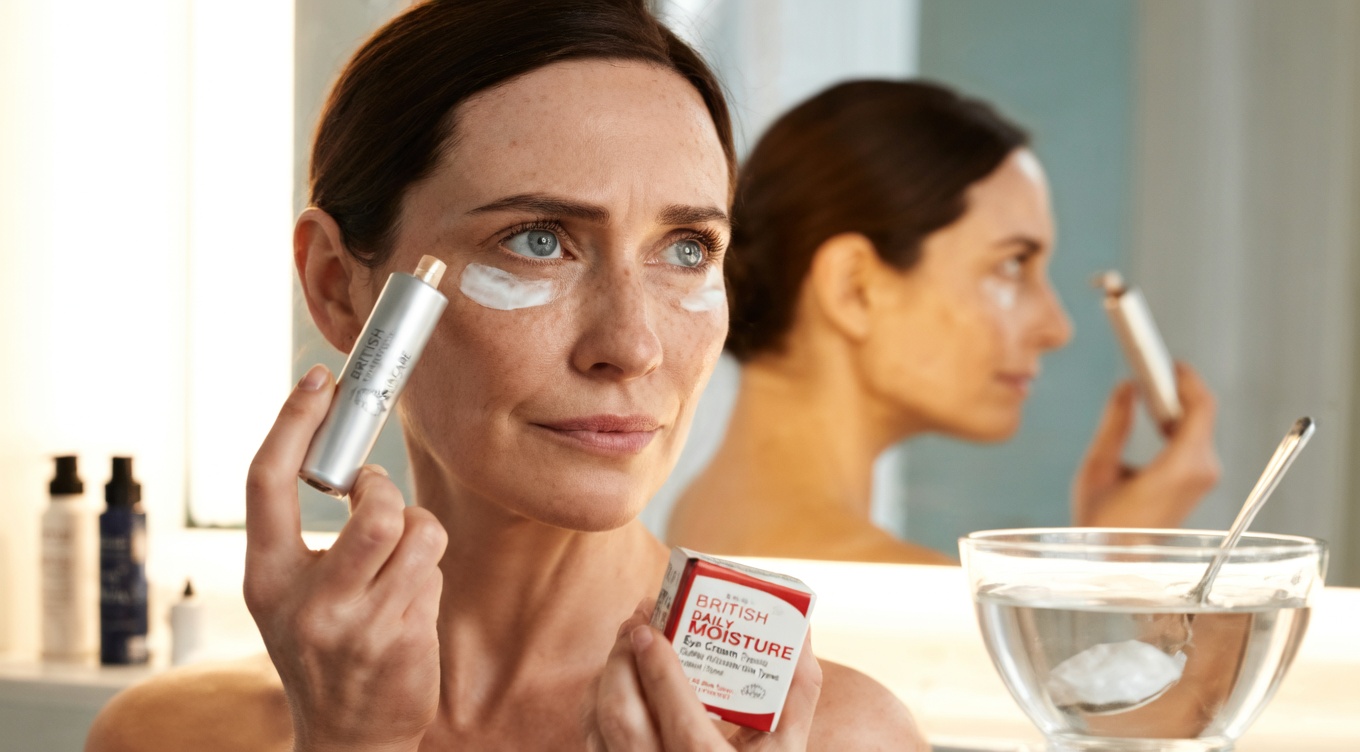
Homemade baking soda creams for skin are often promoted as gentle scrubs that exfoliate, reduce oil, and keep pores clear. The slightly gritty texture can physically remove some dead skin cells, while the powder temporarily absorbs excess surface oil. Some users even claim they experience fewer breakouts or less odor-causing bacteria.
However, the skin’s natural pH is slightly acidic for a reason: that acidity helps maintain a healthy barrier and supports good bacteria. When you apply homemade baking soda creams for skin, you push the pH in the opposite direction, making it more alkaline.
Many people only notice the consequences later—tightness after washing, subtle burning, or new redness that wasn’t there before.
Hidden Dangers of Homemade Baking Soda Creams for Skin, According to Dermatologists
If you’ve tried DIY recipes and then noticed dryness, stinging, or new sensitivity, it may not be a coincidence. Because baking soda is so alkaline, homemade baking soda creams for skin can weaken the outermost layer of the skin—the protective barrier that keeps moisture in and irritants out.
Studies and clinical experience suggest that disrupting this barrier can:
- Increase irritation and redness
- Make existing conditions like eczema or acne flare up
- Lead to more water loss from the skin (dryness and flakiness)
- Heighten sensitivity to other products and the environment
What feels like an ultra-deep clean is often just aggressive stripping of your natural oils and protective lipids. Over time, repeated use of baking soda for skin in homemade creams may fuel more inflammation instead of calming it.
If you already battle breakouts, sensitivity, or flaky patches, this trend can easily push your skin in the wrong direction.
Can Homemade Baking Soda Creams for Skin Ever Be Used Safely?
Despite the warnings, some people still want to experiment with homemade baking soda creams for skin, especially for controlling oil or smoothing rough areas. Dermatologists generally do not recommend using them on the face, but if you insist on testing, they stress strict precautions.
If you decide to proceed:
-
Patch test first
Try a very small amount of the diluted mixture on a discreet area of your body (not your face) and wait 24 hours. -
Use a highly diluted formula
- Mix 1 part baking soda with 3 parts water or a soothing lotion/cream as a base.
- Avoid making thick pastes for scrubbing.
-
Limit to body use only
Apply only on more resilient areas of the body, such as elbows, knees, or feet—never on the delicate facial skin. -
Keep frequency very low
Use at most once every two weeks to minimize barrier disruption.
Even with these precautions, most skin professionals still favor skipping homemade baking soda creams for skin altogether, especially if you have sensitive, acne-prone, or already-dry skin.
Better, Gentler Alternatives to Homemade Baking Soda Creams for Skin
If quick DIY hacks have left your skin feeling worse instead of better, you are not out of options. There are several natural ingredients that respect your skin’s pH and still deliver soothing, balancing benefits—without the harsh alkalinity of baking soda.
Consider these alternatives instead of homemade baking soda creams for skin:
-
Colloidal oatmeal
Calms irritation, reduces redness, and supports the skin barrier. Ideal for sensitive or inflamed skin. -
Raw honey (especially manuka honey)
Naturally hydrating, mildly antibacterial, and anti-inflammatory. Can help with both dryness and mild breakouts. -
Fresh aloe vera gel
Cooling and hydrating with soothing properties that help comfort irritated or sun-exposed skin.
These ingredients work better with your skin’s natural acidity and are generally much safer for frequent use. If your skin is already feeling stressed from DIY experiments, such options can help restore balance and comfort.
Key Facts About Using Baking Soda for Skin
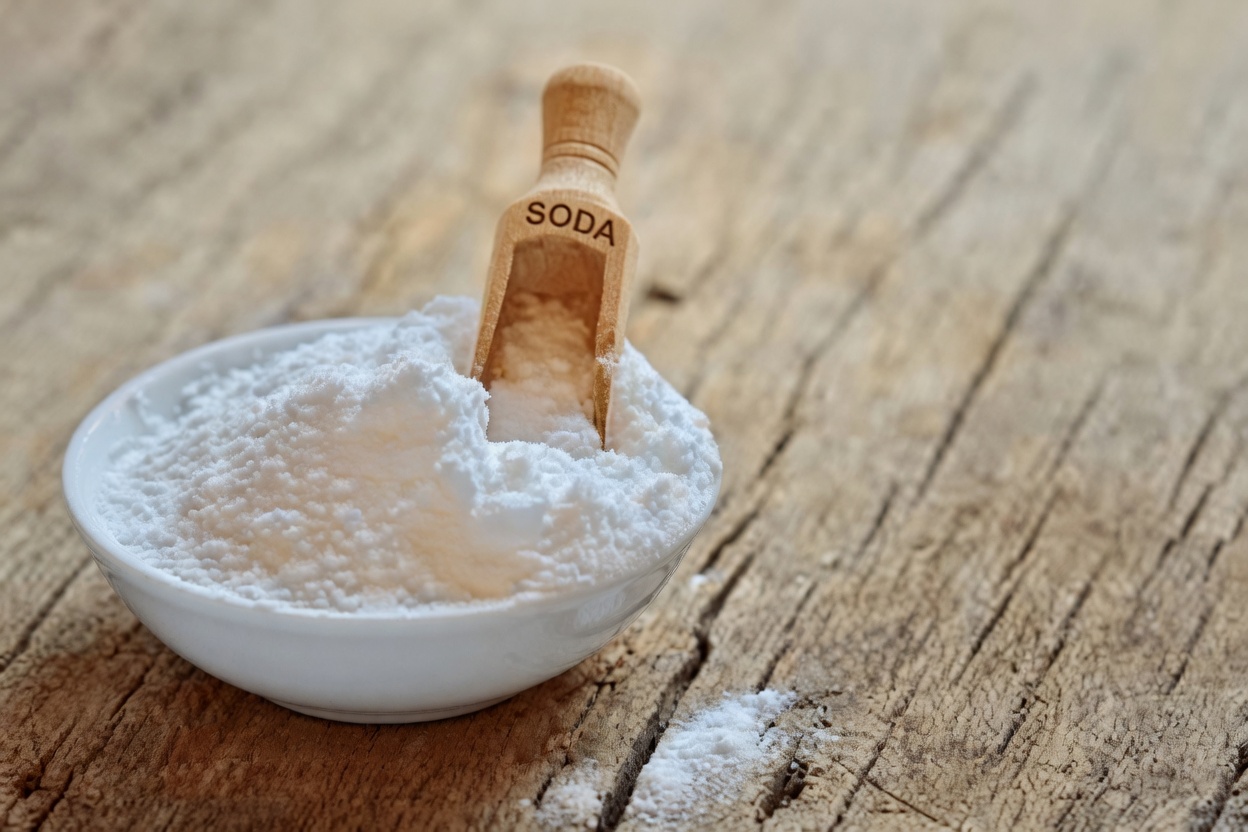
Before you reach for homemade baking soda creams for skin, keep these points in mind:
- It may provide light physical exfoliation.
- It can temporarily reduce surface oil and shine.
- It often disrupts the skin’s natural acidic pH.
- Frequent use can damage the skin barrier and worsen dryness or sensitivity.
- Dermatologists recommend patch testing first if you insist on trying it.
- Safer everyday options include oatmeal, honey, and aloe vera.
How to Use Baking Soda for Skin More Safely (If You Still Choose To)
If you are determined to see how your skin reacts, follow these guidelines as strictly as possible:
-
Do a 24-hour patch test
Apply a small amount of the diluted mixture to your inner arm. If you notice burning, itching, or redness within 24 hours, do not use it elsewhere. -
Dilute and use sparingly
Use a weak mixture (more water or base than baking soda), apply briefly, and rinse thoroughly with lukewarm water. -
Avoid combining with strong actives
Do not layer or mix baking soda with acids (like AHAs, BHAs, vitamin C), retinoids, or other potent actives. This combination can severely irritate skin. -
Stop at the first sign of irritation
If you feel stinging, see redness, or notice new dryness, rinse off immediately and apply a soothing, fragrance-free moisturizer.
Even then, the wisest long-term strategy is choosing pH-balanced products that support, rather than fight, your skin’s natural defenses.
Why Understanding Homemade Baking Soda Creams for Skin Matters
When you’re frustrated with your skin, it’s tempting to chase every new DIY trend. But understanding the full story behind homemade baking soda creams for skin can save you time, money, and discomfort.
While there may be some short-lived benefits—like smoother feel or less oil—the risk of upsetting your skin’s pH and weakening your barrier makes baking soda a poor choice for most people, especially on the face. Focusing on gentler, pH-friendly ingredients and consistent, simple routines is far more likely to give you the clear, comfortable skin you’re looking for.
FAQ About Homemade Baking Soda Creams for Skin
1. Is baking soda safe to use every day in homemade baking soda creams for skin?
No. Most dermatologists warn against daily use. Frequent application can disrupt your skin barrier and lead to dryness, irritation, and increased sensitivity. If you use it at all, keep it to occasional body use only.
2. Can homemade baking soda creams for skin help with acne?
Some people notice temporary oil control or smoother texture. However, many also experience more irritation and breakouts afterward due to barrier damage and pH disruption. Gentler options—such as honey-based masks or professionally formulated acne products—are usually more effective and safer.
3. What should I do if homemade baking soda creams for skin cause irritation?
- Rinse the area thoroughly with cool or lukewarm water.
- Apply a bland, fragrance-free, soothing moisturizer.
- Avoid using baking soda or other strong actives on the irritated area.
- If redness, burning, or discomfort lasts longer than 24 hours, consult a dermatologist for proper evaluation and care.